

Bitten
2,039-word summary 9 min read 342 pages in the book
- First published
- 2001
- Publisher
- Viking
- Pages
- 342
- ISBN
- 9780670894710
- Series
- Women of the Otherworld (#1)
Reading options
What's inside (9 sections)
Bitten is the book that launched Kelley Armstrong's career, and reading it now, more than two decades after it was first published, I can see why it caught on. It was one of the first urban fantasy novels to put a woman at the center of a werewolf story, and it treats its monsters as people with jobs, tempers, and relationship problems. The premise is a hook you can explain in one sentence, which is more than most debuts can manage.
The hook is this: Elena Michaels is the only known female werewolf in the world, and she is trying very hard not to be one. She has left the Pack, the small community of werewolves who raised her after she was turned, and built a life in Toronto with a job as a journalist and a boyfriend who knows nothing about what she is. It is a fragile arrangement, and the novel starts applying pressure to it immediately.
The life Elena built
Elena's Toronto life is deliberately ordinary, and the novel uses it as a measuring stick. She lives with Philip, an architect, and the relationship is warm and honest in every way except the one that matters, because she can never tell him the truth. She still slips away for nighttime runs and hunts, and the physical need to shift does not care about her plans for normality. Her career matters to her. Her independence matters to her. The wolf does not.
The novel is narrated in first person, and the voice is one of its best features. Elena is dry, watchful, and angry in ways she does not fully admit to, and her feelings about the Pack are the mess the whole book orbits. She left them, and she did not stop loving them, and those two facts sit in her chest together for every page.
It is also worth saying that the Toronto material is unusually solid for a nineties urban fantasy. Elena's job is not a costume she wears for one scene. She files stories, argues with editors, and keeps a mental map of the city, and her professional instincts are the same ones she later uses to track the mutts. Armstrong's training in psychology shows in the way Elena watches people, and the habit gives the narration a texture that a lot of monster fiction skips on its way to the next transformation.
Armstrong structures the story around a request for help. Jeremy Danvers, the Pack's Alpha, calls in a favor, and Elena knows she cannot refuse. Rogue werewolves, called mutts, are moving through the Pack's territory and killing people, and the Pack needs her tracking skills. So she goes back to Stonehaven, the enormous estate in upstate New York where the Pack lives, knowing exactly what waiting for her there.
Stonehaven and the people she left
The Pack is small and tightly written. Jeremy is the Alpha, a werewolf who was born rather than bitten, and his patience is the counterweight to everyone else's tempers. Antonio Sorrentino and his son Nick provide warmth and comedy, and their family history gives the Pack a domestic texture that most monster stories skip. Logan Jonsen, another werewolf, exists at the edge of the story as family that Elena can actually talk to, which makes him one of the few people who can tell her the truth about herself.
And then there is Clayton Danvers. Jeremy's foster son, brilliant and feral, and the man who turned Elena into a werewolf without her consent. Their history is the emotional minefield the series walks through for books, and Bitten is where the mine is planted. Clay loves Elena in a way that is genuine and possessive at once, and the novel is honest about the damage his decision did. She was given no choice about her body or her future, and she loved him before that and sometimes still does. The book refuses to resolve that contradiction with a simple apology scene, which is both its most interesting quality and its most difficult one.
The mutts in Bear Valley
The plot that pulls everyone together is a pack of mutts led by a man named Daniel Santos, who has decided that the old rules about staying hidden and not hunting on Pack land do not apply to him. The mutts are not a species, they are a political problem. Any werewolf who is not Pack is a mutt, and the Pack's authority over them has always depended on fear and tradition rather than law. Santos senses weakness, and the killings he and his people leave behind threaten to expose not just the Pack but every werewolf alive.
The middle of the book follows Elena and the Pack as they hunt and get hunted, and Armstrong keeps the action grounded in logistics. Tracking, territory, information. The villains matter less as personalities than as pressure, with the exception of Karl Marsten, a dangerous mutt who arrives late and is more interesting than the men he is working with. The novel is also careful to make Elena's skills matter. She is not the strongest wolf in the room, and she wins her fights with planning and ruthlessness, which is more satisfying than raw power.
The mutts also give the novel its clearest theme, which is that freedom and belonging are the same fight approached from opposite directions. Santos wants the Pack's protection without its rules. Marsten wants to play every side against the middle. Elena wants a life that answers to nobody, and the Pack wants her under its wing where it can keep her alive. Nobody in the book gets an untangled version of the answer, and the ending chooses belonging without pretending the costs evaporated. That complexity is a large part of why the book still reads as more than a monster hunt.
The double life problem
The strongest thread in Bitten is not the mutt war. It is the question of what Elena is going to do about Philip, and about herself.
Every day she spends at Stonehaven makes her human life in Toronto seem more like a costume. Philip is good and decent, and he loves a version of Elena that cannot exist. When she is with the Pack, she is fully herself for the first time since she left, and she hates how much that means to her. The novel lays out the choice without pretending either side is clean. Choosing Philip means a life of lies and constant denial. Choosing the Pack means living with the people who took her old life from her, including the man who bit her.
Armstrong writes this dilemma with a sincerity that has aged well. Readers who expect the human boyfriend to be a cardboard obstacle get more than they bargained for, because Philip is drawn with enough care that his eventual loss registers. And the Pack's world is not romanticized either. It is violent, hierarchical, and dangerous, and Elena is well aware of all of it.
The diary sections do the same work from the other end of time. Armstrong interrupts the present with Elena's memories of her transformation year, and the effect is a slow second reveal of how the Pack operates and how Clay engineered her change. The device also solves a structural problem, because it lets the novel explain its rules without stopping the hunt. By the time the present day story reaches its crisis, the reader understands both versions of Elena, the woman who chose the ordinary life and the girl who was chosen for the wolf one, and the ending only works because both are still on the table.
The fight at Stonehaven
The mutt conflict builds toward a confrontation at the estate, and the climax is where the book earns its reputation for action. The mutts attack while the Pack is scattered, and Clay is captured. Elena risks herself to get him back, which tells you where her heart actually lives no matter what her head has been saying, and the fight that follows is brutal and messy in the right way. Werewolves in this series are fast and strong, but they are not invulnerable, and the novel lets the injuries count.
The resolution comes through a mutt named Thomas LeBlanc, who turns on Daniel and kills him, which is a neat way of showing that the villain's coalition was always held together by self-interest. The Pack defeats the remaining mutts, and the immediate uprising is over. There is no sequel bait here. Bitten is a complete story, and while later books widen the world to other narrators, they return to Elena more than once, which makes this a solid entry point to the whole sequence.
The choice
The ending lands where the whole book has been pointing. Elena chooses Stonehaven. She admits she loves Clay, leaves Philip, and stops pretending that she can escape what she is, and the closing chapters are the most emotionally direct writing in the novel.
It is also the part that generates the most argument among readers, and it should. The central romance begins with an act of coercion, and the book's answer is that Elena can love Clay anyway without the act becoming acceptable. Whether the book gets away with that is a real question, and different readers will land differently. What I can say is that Armstrong does not hide the problem, and the series keeps returning to it. Clay's need to possess and Elena's need to choose stay in tension, and the later books are largely about that knot.
The television version took a different road, softening Clay's introduction and stretching the mutt conflict across a season, and it is a useful reminder of how much of the book's tension lives inside Elena's head, where a camera has a harder time going. The best chapters of Bitten read like a person arguing with herself. The show lets Elena argue out loud, which works on its own terms, but the book is the version where you can hear both sides.
What works and what does not
The strengths of Bitten are its voice, its world, and its pacing. Elena is a protagonist with real interiority, the Pack feels like a family rather than a team roster, and the action is clean and physical. As a debut, it is remarkably confident, and its influence on the urban fantasy that followed is easy to see. The Toronto and Stonehaven settings give the book a geography that matters, and the diary-style framing, with Elena's transformation memories interspersed among the present-tense chapters, adds a second timeline that pays off in the back half.
Armstrong also handles the mechanics of the hunt with a seriousness that reads like a thriller, and she is careful about distance and time. Stonehaven is a real drive from Toronto, and the book keeps track of who is where and when, which sounds like faint praise until you have read a series that does not. The final battle works partly because the geography has been established first. You know the house, the woods, the yard, and the roads leading in, and the fight uses all of it.
The weaknesses are also real. The consent problem at the heart of the romance is never fully resolved, and readers who need the love story to clear that bar will not get it. The mutt conflict has a thin villain and a convenient resolution, and the middle stretch occasionally circles the same emotional beat, with Elena fighting her nature and then fighting it again. Some of the period's attitudes about gender and violence have not aged gracefully.
Still, Bitten earns its place. It is the first novel in the Women of the Otherworld series and one of the defining books of modern werewolf fiction, and it works as a standalone if you never read another page. The 2014 television adaptation stars Laura Vandervoort and expands the story across seasons, reshaping events along the way, so readers should treat the show as its own thing. Read the book for the tight, tense, thorny original. It is still worth your night, even if parts of it will make you argue with it.
FAQ
Who is the only female werewolf in Bitten?
Elena Michaels, a Toronto journalist, is the only known female werewolf in the world. Surviving the transformation is what makes her unique, and the Pack treats her as both an asset and a problem.
Does Bitten end on a cliffhanger?
No. The mutt uprising is resolved within the novel and Elena makes her choice about where she belongs. The series continues with other narrators, and each book tells its own complete story.
Is Bitten the same story as the TV show?
The 2014 television series adapts the premise and characters but expands the plot across multiple seasons and changes events. The novel is leaner and resolves its conflict in one book.
Similar books
More from Women of the Otherworld first, then related titles.
Silver Borne
Mercy hides a Fae book while Samuel slips and the fae close in.
2,571-word summary · 11 min read
Cry Wolf
Omega Anna joins Charles to hunt a rogue werewolf in Montana.
2,463-word summary · 11 min read
River Marked
Mercy and Adam's honeymoon on the Columbia River turns into a fight with an ancient river devil, and Mercy finally learns the truth about her father.
2,008-word summary · 9 min read

Magic Burns
A magic flare hits Atlanta, and mercenary Kate Daniels must recover stolen maps, find a missing witch, and keep a teenage girl alive while Celtic gods try to…
2,021-word summary · 9 min read
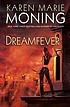
Dreamfever
With the walls between worlds down and Mac broken by the Fae, Dreamfever is the darkest volume of the Fever series, and the one that changes everything.
2,007-word summary · 9 min read
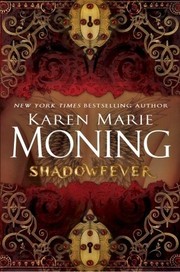
Shadowfever
Mac Lane hunts the Sinsar Dubh in Dublin as Fae walls fail and Barrons secrets surface.
3,016-word summary · 13 min read
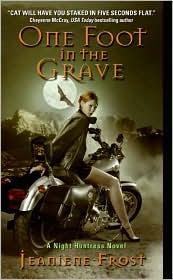
One Foot in the Grave
Cat hunts vampires with Bones while her Sire plots from the grave.
2,200-word summary · 10 min read
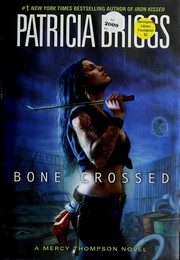
Bone Crossed
Mercy faces vampire queen Marsilia after killing a vampire to save friends.
2,261-word summary · 10 min read
Bloodfever
Mac hunts the Sinsar Dubh in Dublin while Barrons tests her.
2,124-word summary · 9 min read
Forever
Grace turns wolf, Sam scrambles for a cure, and Mercy Falls votes to hunt the pack in trilogy end.
2,217-word summary · 10 min read
Shiver
Grace Brisbane loves yellow eyed wolf Sam, human in summer, as winter cold threatens to take him back for good in small town Mercy Falls.
2,408-word summary · 11 min read

First Grave on the Right
Charley Davidson is a private investigator in Albuquerque and the grim reaper. When three murdered lawyers come back as ghosts, her two jobs collide.
2,770-word summary · 12 min read
At Grave's End
Cat and Bones face Max, a zombie-raising ancient vampire, and a prophecy that ties their marriage to Patra's death in the third Night Huntress novel.
2,061-word summary · 9 min read
Masquerade
After Cordelia's death, Schuyler flies to Venice to find her exiled grandfather, then returns to the Blue Bloods as they prepare for a masked ball and a hidden…
2,543-word summary · 11 min read
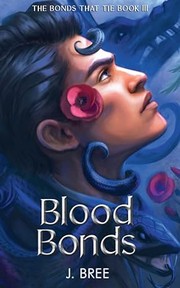
Blood Bonds
Oleander is chained in a Resistance camp, and her five Bonds have to find her before Silas Davies finishes what he started in this third Bonds that Tie book.
2,018-word summary · 9 min read
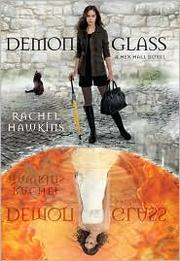
Demonglass
Sophie Mercer spends the summer at the Council's English estate, where two new demons, a suspicious host, and Archer's return complicate her plan to remove her…
2,771-word summary · 12 min read
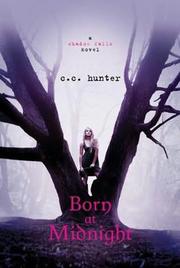
Born at Midnight
Kylie Galen is sent to a camp for troubled teens and discovers it is a haven for vampires, werewolves, and witches, and that she may be something stranger…
2,310-word summary · 10 min read
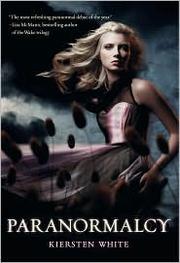
Paranormalcy
A teenage agent who can see through glamour falls for a shape-shifter and learns the agency she works for is hiding her true nature.
2,041-word summary · 9 min read

Lore
Lore Perseous, the last of a hunted bloodline, is pulled back into the Agon when a wounded Athena offers her revenge against the god who killed her family.
2,188-word summary · 10 min read
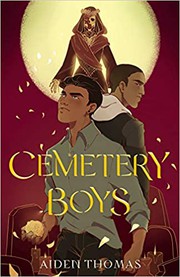
Cemetery Boys
A trans brujo in East Los Angeles summons the ghost of a boy who refuses to move on, and together they uncover a murder hidden beneath Día de los Muertos.
1,997-word summary · 9 min read
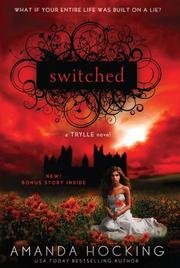
Switched
A Minnesota teenager who can make people obey her discovers she is a changeling troll princess, and the hidden kingdom she came from wants her back.
2,131-word summary · 9 min read
Savage Bonds
Oli's deadly gift is out in the open, her Bond runs the show, and the Resistance is closer than ever in the second Bonds that Tie novel.
2,431-word summary · 11 min read
Glass Houses
Claire Danvers moves off campus to escape a bully and lands in a house where the roommates know Morganville's real secret: the town belongs to vampires.
2,345-word summary · 10 min read

The Indigo Spell
Sydney Sage hunts an aging witch, learns forbidden magic, and finally admits she loves Adrian, while the Alchemist tattoo on her cheek may be controlling her.
2,604-word summary · 12 min read
This Savage Song
Monster hunter Kate meets August, a monster who plays violin.
2,574-word summary · 11 min read
Soulless
A soulless spinster in Victorian London nullifies supernaturals and solves disappearances.
2,362-word summary · 10 min read
Half-Blood
Half-blood Alex trains at the Covenant while gods stir and rules close in.
2,601-word summary · 12 min read
Dreams of Gods & Monsters
Karou and Akiva unite chimera and seraphim against empires invading Earth.
2,179-word summary · 10 min read