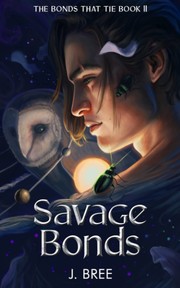
Savage Bonds
2,431-word summary 11 min read 500 pages in the book
- First published
- 2021
- Publisher
- Jenna Crannage
- Pages
- 500
- ISBN
- 9781923072015
- Series
- The Bonds that Tie (#2)
Reading options
What's inside (9 sections)
I opened Savage Bonds the hour after I closed Broken Bonds, which is the only sensible way to read this series. The second book of J. Bree's The Bonds that Tie does not ease you in. It starts right where the first one stopped, keeps one hand on your collar, and ends on a cliffhanger that the author herself warns you about in advance. This is the 2021 follow-up, published by Jenna Crannage at 500 pages, and it is a reverse harem paranormal romance written for adults: explicit steam, on-page violence, heavy language, and six books of story that only make sense in order. I expected a middle book to feel like a placeholder. Instead it feels like a held breath, which is annoying in the best way that a series can be annoying.
Oleander Fallows is the center of all of it. Oli is bonded to five men, North and Nox Draven, Gryphon Shore, Atlas Bassinger, and Gabe Ardern, and the Bond in this world is not a cute fated footnote. It is a living pressure system that pulls at her body, her temper, and her decisions. Gone is the underfed runaway who spent five years hiding from everyone she was tied to. By the end of book one she had put her deadliest secret on display to save people she loves, and Savage Bonds is the story of everything that showing her hand sets loose. The blurb asks whether she can finally take control of her gift or whether it will take control of her, and the honest answer the book gives is both, on alternating days.
This post covers the plot in full, ending included, so consider that your spoiler warning. If you have not read Broken Bonds yet, start there. The series has been complete for a while now, so there is no reason to suffer the wait that early readers did between these cliffhangers.
Right where the fire left off
Broken Bonds ended in a disaster that worked out. Oli and her friends were cornered by roughly a hundred Resistance fighters after a rescue mission went sideways, and Oli did the thing she had spent five years refusing to do: she let her gift out. It killed. Almost everyone who saw it died that night, the ambush collapsed, and the survivors dragged her home unconscious. When she wakes in Savage Bonds, the whole gifted world knows what the campus reject has been hiding, and there is no walking it back. The rescue also cost Oli something she can never undo: her anonymity. In a world where bonded groups are public figures, the woman who killed a small army in one night has become a permanent headline.
The tables turn quickly. Students who spent book one treating Oli like prey now cross the hall to avoid her, and the quiet fear in their faces is its own kind of whiplash. But the reveal has a cost she predicted all along. The Resistance now has proof of what she can do and a fresh reason to want her back. She cannot run again either, because the microchip from her capture in book one makes disappearing impossible. Her whole situation is the box the blurb promises: destiny pushing her toward her five, and her fighting nature itself to keep her distance. The chapters where she realizes she has become the monster in other students' whispered stories are some of the book's better quiet beats, and Bree does not let her off the hook for enjoying it, even a little.
A bond with a mind of its own
Here is the engine that drives the whole novel. Oli's bond is awake now, and it behaves like a separate entity living inside her, one with opinions. It wants closeness. It wants the other bonds. It throws tantrums when it is denied, and when it throws tantrums, Oli's control frays with it. For Bree, this is a gift of a premise, because it lets Oli be furious with a force inside herself instead of with the men around her, and it turns every domestic scene into a negotiation. North, her reluctant leader, calls it a control problem and tries to solve it with schedules, which works about as well as you would expect. Gryphon treats it like a wound to dress. Atlas treats it like weather. Gabe treats it like a roommate. Nox treats it like an insult, and Oli's gift answers all five approaches differently, which keeps the middle chapters from feeling like one man written five times.
The household adapts in ways that are funny, tense, and occasionally absurd. Oli ends up sleeping in a different bond's room every night, literal sleeping only, a rotation designed to keep her gift calm enough not to hurt anyone. The arrangement forces her into close quarters with each of her five in turn, and the results vary: easy nights with Gabe and Atlas, loaded silence with Gryphon, open hostility with Nox, and careful distance with North, who runs the group like a commander even when he is trying not to. Nesting instincts creep in. Territory matters. Scent matters. Nothing about it is simple. The rotation nights are also where the book smuggles in its softest humor, from stolen pillows to silent standoffs over whose turn it is. There is a full tour of what each of the five can do as well, a thread the first book kept deliberately vague, and those reveals double as relationship updates, which is efficient plotting inside a story that mostly refuses to be efficient.
The romance moves accordingly. Nox's shadow creatures start trailing after Oli, which delights her and infuriates him. Kieran, a friend of Gryphon's, watches the whole situation with the amusement of someone who has bet money on it, and tells Gryphon he is in far over his head. Meanwhile Oli takes a job and insists on earning her own money, because independence is the one gift nobody in this world is willing to hand her for free. North and Nox and the rest keep reaching for her anyway, and the contest between nature and stubbornness is the whole show. Sawyer, Sage's brother, drifts through the margins, and the ordinary texture of campus life, classes, shifts, kitchen arguments, keeps the spooky parts grounded.
Nightmares and lessons
The most talked-about element of this book, and the one that won me over completely, is Brutus. Brutus is a nightmare, one of the shadowy monsters that follow the Draven brothers, and for reasons nobody can fully explain, he attaches himself to Oli. She dotes on him. He follows her like a deeply dangerous puppy, and the contrast between his true nature and the way she scratches behind where his ears would be is the best running gag in the series. What makes Brutus more than a gag is what he means: the nightmares answer to the Dravens' tempers, and one of them choosing Oli reads, to everyone watching, like a verdict on where the group's power is going. When Oli coos at a creature grown men cross streets to avoid, the comedy and the threat share a single frame, and that is Bree's signature move.
Brutus also delivers the book's sharpest plot beat. When a loudmouth named Sharpe threatens North in front of the wrong audience, Brutus makes a permanent example of him, and the campus learns the lesson in one bloody afternoon. Nox chokes the next man who thinks to try it, Branson, and leaves a warning behind about provoking monsters and about the woman just trying to work. None of the five apologizes. The group has spent two books being underestimated as a spoiled bonded family, and that reputation dies in public. Watching Oli watch the fallout is fascinating, because she is both the cause and the person most worried about what the violence says about her future. The council responds exactly as the powerful always do to a group it cannot control: with surveillance, summons, and thinly veiled suggestions that Oli's presence is the problem.
The bond completes
The centerpiece arrives roughly where you expect it and lands nothing like you expect it. Oli's bond, pushed past patience, takes control during a charged and territorial moment with Gryphon, and the bond completes without either of them planning it. It is not the storybook scene, and reviewers argue about how it lands, but its consequences matter more than its choreography. The world does not end. Her fear, the one she has carried for years, that a completed bond would amplify her and everyone attached to her into something the world could not survive, gets its first real test, and the test comes back negative. The book is smart about the aftermath too, because relief and guilt arrive together, and Oli is constitutionally incapable of accepting a good thing without auditing it for hidden costs.
That does not make things easy. Her power does intensify, and the amplified version of her is harder to steer, which scares her more, not less. The group recalibrates around what happened: Gryphon takes his share of the weight, some bonds bristle with jealousy, and the ones who were already gentle with her become gentler. Their enemies recalibrate too, because a bonded Oleander Fallows is not a threat anyone wanted to see completed. The first real heat of the series arrives here as well, and the franchise earns its eighteen and up label from this point forward. Gryphon gets nearly half the novel's interiority as a result, and his brooding mix of duty and want is the most compelling thread in the series so far. The steamiest scene in the book sits inside that completion, and even readers who found the series tame until now will understand why the recommendations come with content warnings.
The Resistance reaches inside the walls
The external plot tightens around the group in the second half. The Resistance that Oli has feared since the beginning turns out to have people closer than anyone believed, and the book starts asking a question the first book only hinted at: who, exactly, can Oli trust? The answer costs her something. Sage, her best friend, gets pulled into the mess through her own situation, and the fallout lands right at the end of the book, leaving threads dangling directly into book three. Sage's situation, once it surfaces, is the kind of secondary plot that recontextualizes dozens of earlier scenes, and it is handled with more care than the book's loudest critics give Bree credit for.
Then the floor drops out. Without spoiling the specific turn, the final stretch sends Oli exactly where she has spent her whole life trying never to land again, back into the hands of the Resistance. The cliffhanger is a meaner one than book one's, which is saying something given how many readers finished Broken Bonds in physical pain. Blood Bonds opens with her chained in a camp and her bonds tearing the countryside apart looking for her. If you hate waiting between books, good news: all six are out, and binging the whole set back to back is the way these books were built to be consumed. The final ambush feels earned because it grows out of choices Oli makes in this book, not just out of book one's unfinished business, and the last pages lean fully into the dread the series has been building.
What works and what drags
What works is the rhythm of the thing. Oli's narration is dry and defensive and funny, the five men have genuinely distinct dynamics with her instead of interchangeable brooding, and the completed bond gives the plot a gear shift just when the household rhythm could have gone stale. Brutus alone is worth the price of admission. Bree also handles the tense consent questions around a bond that physically pushes people together better than most books in this subgenre, and credit belongs on the page for that. The rotation gimmick, silly as it sounds, produces genuinely tender scenes of Oli existing near people who want her and learning to be near them back, which is the entire emotional arc of the series in miniature. At 500 pages the book covers surprisingly little ground, and yet the pages fly, and that contradiction sits at the heart of the series' popularity.
What drags is everything surrounding those strengths. The middle stretches repeat themselves: another training session, another healing check, another room rotation, another scene of Oli insisting she is fine while clearly not being fine. The word bond appears so often that several reviewers have counted it, and the separate-entity gimmick, while useful, wears thin when every emotion gets blamed on it. The wider world stays sketched in pencil, and readers who need rules with edges will be frustrated. Still and all, I kept turning pages, and so did the tens of thousands of ratings that put this series on every BookTok shelf next to its cousins. My advice is to treat the middle of each book like a soap opera season: the point is spending time with the cast, and the finale will pay you back.
Should you keep going
If you finished Broken Bonds and you are asking whether book two justifies itself, the honest answer is yes, with an asterisk. The payoff structure of this series is: slow middle, sharp ending, repeat. Savage Bonds follows that pattern almost exactly, and if that pattern annoyed you once, it will annoy you twice. If instead the pattern scratched an itch, welcome, because you have four more books and no waiting list. The rhythm rewards binge reading, because what feels slack in isolation clicks once the next cliffhanger is already on your nightstand.
The asterisk is expectation setting. Savage Bonds is a bridge book. Its job is to detonate the secrets from book one, complete one bond, move the Resistance into position, and hand the wreckage to Blood Bonds, and it does that job with real feeling and zero mercy about the closing page. What it does not do is resolve anything cleanly, because this series does not work that way. I finished it angry in the best sense, the kind that means the next book was already downloading. That reflex, more than any single scene, is the truest review I can give it. For anyone wondering whether the notorious series holds up past the hype, this is the book that turns curiosity into commitment. It is messy, it is tense, it is occasionally infuriating, and I could not stop.
FAQ
Is Savage Bonds part of a series?
Yes. It is book 2 of The Bonds that Tie by J. Bree, first published in 2021. It picks up right after Broken Bonds and closes on a cliffhanger that Blood Bonds resolves.
Who are the central characters in Savage Bonds?
Oleander, called Oli, narrates. Her five Bonds are North and Nox Draven, Gryphon Shore, Atlas Bassinger, and Gabe Ardern, and the book follows her gift as it pushes her toward each of them.
Is Savage Bonds suitable for younger readers?
No. It is new adult reverse harem romance with explicit scenes, violence, and heavy language, and the author recommends it for readers eighteen and up.
Similar books
More from The Bonds that Tie first, then related titles.
Broken Bonds
Oleander returns after five years on the run to face the five men she is bonded to, in J. Bree's 2021 opener of resentment, training, and slow trust.
2,582-word summary · 11 min read

Blood Bonds
Oleander is chained in a Resistance camp, and her five Bonds have to find her before Silas Davies finishes what he started in this third Bonds that Tie book.
2,018-word summary · 9 min read
Her Soul to Take
A paranormal vlogger in a cult-run town summons a bound demon, and the only way to survive the god beneath the mine is to give him her soul.
2,089-word summary · 9 min read

Magic Burns
A magic flare hits Atlanta, and mercenary Kate Daniels must recover stolen maps, find a missing witch, and keep a teenage girl alive while Celtic gods try to…
2,021-word summary · 9 min read

The Indigo Spell
Sydney Sage hunts an aging witch, learns forbidden magic, and finally admits she loves Adrian, while the Alchemist tattoo on her cheek may be controlling her.
2,604-word summary · 12 min read
Pestilence
Firefighter Sara Burns shoots the Horseman Pestilence and discovers he cannot die. Taken captive, she rides with him as his plague sweeps the world.
2,508-word summary · 11 min read
A Light in the Flame
Held by Nyktos in the Shadowlands, Sera faces trials, Kolis and the Rot while broken trust is tested.
2,577-word summary · 11 min read

The Golden Lily
Sydney Sage guards Jill at Amberwood Prep in Palm Springs, studies forbidden magic, favors Adrian over Brayden, and faces Alchemist custody in this second…
2,988-word summary · 13 min read
God of Malice
Rina Kent's God of Malice fully retold: Glyndon King, Killian Carson's fixation, secret societies, and the Devlin twist that resets everything.
2,849-word summary · 13 min read
Six Scorched Roses
A dying scholar bargains with a reclusive vampire for blood, and six roses turn a transaction into a slow, dangerous romance.
2,663-word summary · 12 min read
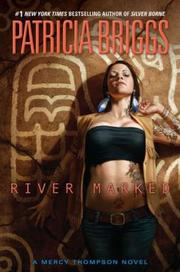
River Marked
Mercy and Adam's honeymoon on the Columbia River turns into a fight with an ancient river devil, and Mercy finally learns the truth about her father.
2,008-word summary · 9 min read

The Siren
Saved from a shipwreck in 1930, Kahlen becomes a siren who sings men to their deaths for the Ocean, until a boy in a college library makes her want a life she…
2,369-word summary · 11 min read
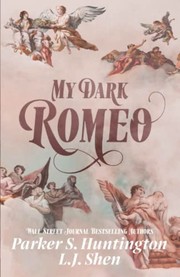
My Dark Romeo
A debutante ball kiss traps Dallas Townsend in a marriage to Romeo Costa, a man who wants her as leverage in a war against his father and her fiance.
2,530-word summary · 11 min read
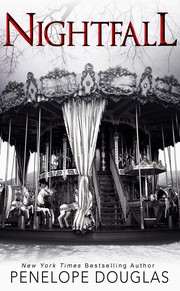
Nightfall
Emory Scott wakes in Blackchurch, a remote house for the sons of the powerful, where the boy she once loved is imprisoned and the story she told about him…
2,339-word summary · 10 min read
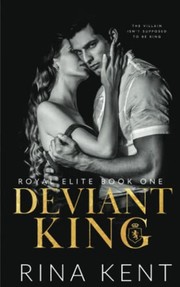
Deviant King
A scholarship student at an elite boarding school is targeted by the king of the Four Horsemen, who seems to know her forgotten past.
2,384-word summary · 11 min read
Demonglass
Sophie Mercer spends the summer at the Council's English estate, where two new demons, a suspicious host, and Archer's return complicate her plan to remove her…
2,771-word summary · 12 min read
Born at Midnight
Kylie Galen is sent to a camp for troubled teens and discovers it is a haven for vampires, werewolves, and witches, and that she may be something stranger…
2,310-word summary · 10 min read
There Are No Saints
Two rival artists circle a struggling San Francisco painter. Cole Blackwell wants her, Alastor Shaw wants her dead. Book one of the Sinners duet.
2,190-word summary · 10 min read
The Predator
Coder Morana Vitalio and mob enforcer Tristan Caine chase stolen software while a case of missing girls from twenty years back catches up with them both.
2,296-word summary · 10 min read
The Casanova
Kate Landon's boss is also the pen pal she falls for online, hiding behind fake names, until family secrets and a trip to Paris get in the way.
2,274-word summary · 10 min read

The Rose & the Dagger
Shahrzad is pulled from her Caliph husband and left in a desert camp of rebels, needing to break his curse and end a war before it ends her.
2,520-word summary · 11 min read

We Hunt the Flame
In a fractured Arabia-inspired world, a disguised huntress and a prince-assassin race to find a magic-restoring book and confront an ancient evil.
2,195-word summary · 10 min read
Cemetery Boys
A trans brujo in East Los Angeles summons the ghost of a boy who refuses to move on, and together they uncover a murder hidden beneath Día de los Muertos.
1,997-word summary · 9 min read
Blue Moon
Ever Bloom tries to save her immortal boyfriend, Damen, from a mysterious illness while a new student named Roman quietly takes control of her school and her…
1,998-word summary · 9 min read
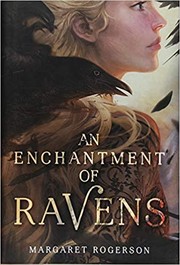
An Enchantment of Ravens
Isobel, a mortal artist in the fairy town of Whimsy, paints a portrait of the autumn prince and falls in love with him, breaking the laws of her craft.
2,087-word summary · 9 min read
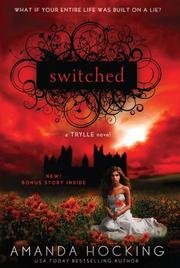
Switched
A Minnesota teenager who can make people obey her discovers she is a changeling troll princess, and the hidden kingdom she came from wants her back.
2,131-word summary · 9 min read
A Fate Inked in Blood
In Norse-inspired Skaland, a fish gutter hiding a goddess's blood is claimed by a jarl, bound by oath, and guarded by the son she cannot want.
1,971-word summary · 9 min read
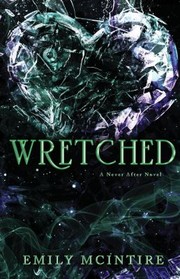
Wretched
The Wicked Witch of the West becomes a heroin chemist, and the DEA agent sent to destroy her family falls for the very woman he was assigned to ruin.
2,117-word summary · 9 min read