
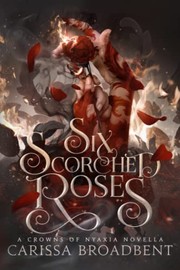
Six Scorched Roses
2,663-word summary 12 min read 204 pages in the book
- First published
- 2023
- Publisher
- Nasyra Publishing
- Pages
- 204
- ISBN
- 9781957779041
- Series
- Crowns of Nyaxia (#1.5)
Reading options
What's inside (9 sections)
The first thing Lilith does in this book is walk into a vampire's house carrying a flower and a needle. She has rehearsed the speech. She has the rose wrapped and the vials in her bag, and she is prepared to be killed on the doorstep if that is what it costs. What she is not prepared for is a man who mostly seems bored.
That image stuck with me longer than most of the battles in the larger Crowns of Nyaxia books. Carissa Broadbent published Six Scorched Roses through Nasyra Publishing in 2023 at 204 pages, short enough that I read it in two sittings and then went back to the beginning to see how the pieces had been laid down. It first appeared in the 2022 anthology Flirting with Darkness, and you can feel that origin in the shape of it: a contained story with a small cast, built around one bargain.
It is set before The Serpent and the Wings of Night, in a town called Adcova, far from the Kejari and the courts of Obitraes. If you came expecting the scale of that novel, you will not get it. What you get instead is a plague, a dying woman, a reclusive general, and six roses that change hands over the better part of a year.
A town that turns to dust
Lilith has been dying since the day she was born. She was a sickly child, and the illness inside her has been kept at a slow crawl for most of her life. By the time the book opens she is thirty, which is old for someone with her condition and young enough to be furious about it.
Her mother died giving birth to her younger sister, Mina, when Lilith was eight. Mina is the person Lilith loves most in the world, and Mina is now dying of something worse than Lilith's lifelong sickness. Adcova is under a plague that turns skin to dust. Victims waste away from the outside in, and nobody can stop it.
The plague arrived when Lilith was fifteen. The crops failed, and her father cursed Vitarus, the god of abundance and decay, in a moment of grief and rage. The curse was answered. Lilith's father was the first person in town to die of the illness, which reads like divine punishment until much later.
Lilith responds to helplessness the way a certain kind of person does: she starts taking notes. She is a scientist, trained and obsessive, and she has spent years testing remedies and failing. Her hypothesis is that vampire blood might hold the key, because vampires are the one thing the gods hate more than they hate Adcova.
So she goes to the mansion in the woods. Vale is a centuries-old vampire who keeps to himself, and the town mostly pretends he is not there. Lilith offers him a trade: one black rose with red-edged petals from a strange cluster growing in her fields, in exchange for one visit and a few vials of his blood. Six roses, six visits, six chances to save her sister.
Vale agrees. He does not agree because he is kind. He agrees because he is curious about her, and because he wants her to come back.
Six roses, six vials
The first visit is a negotiation, and Broadbent writes it like one. Lilith is terrified and trying not to show it. Vale is enormous, old, and rude in a way that is clearly a test. She draws four vials of his blood and watches the wounds close almost instantly. They argue about what curiosity is worth, and he says it is more precious than almost anything else.
At home she studies the blood through a magical seeing lens and finds it beautiful, alive in a way that makes her own failing body feel unfinished. Mina catches her working and asks her to spend the evening together. Lilith says no and hides the slides. The book is honest about the cost of her obsession, and it does not let her be a saint about it.
She takes a sample to Baszia to show Farrow, her former lover and a fellow scholar. He is amazed, then horrified when he works out where it came from. Vitarus and the White Pantheon despise Nyaxia and everything she made, and Farrow begs her to find another way. She refuses because she has already decided there is none.
The second visit announces that this is a romance. Lilith arrives early and finds Vale in bed with another vampire. She stands in the doorway, flustered, and watches longer than she should. Vale is amused. She gives him the second rose, takes his blood, and pretends nothing happened.
She notices a set of wing bones mounted on his wall. Vale tells her he is Rishan, one of the feather-winged clans, and that the bones belonged to a Hiaj general he killed. He was a general himself, defeated two hundred years ago, which is why he left Obitraes and lives alone with his books and his guilt. He offers to let her stay the night. She refuses and goes home to find Mina much worse.
Vale's history arrives in scraps, and the Hiaj and Rishan politics never quite come into focus. Series readers can fill in gaps; newcomers may find his past more name than history.
The storm and the library
Lilith spends three more weeks in her lab and produces a formula that keeps a dying rat alive. Then she runs out of blood and decides to make an early visit, even though a storm is coming.
On the road, five starving men ambush her. They are not villains with a plan. They are desperate, which makes them more frightening. Vale arrives before they can do what they intend and kills them with a brutality Lilith has never seen. She is stabbed in the chaos and passes out.
She wakes three days later in Vale's mansion, too ill to travel. He has sent a messenger to check on Mina, a kindness she did not ask for and does not entirely trust. While she recovers she reads his books on Obitraen history, and they fall into the rhythm of two people who like the same things: quiet rooms, old texts, arguments that are really conversations.
She also finds a room full of weapons. Vale kept them so they could not be used against his former soldiers, a strange, sad detail that says more about him than any speech about honor.
The third visit is interrupted by a magical messenger from Obitraes. Vale has been asked again to lead the Rishan in a war to retake their throne. He has refused before, out of what he calls principle and what Lilith calls pride. She tells him that refusing to fight does not make him neutral. It lets other people die for a cause he believes in.
He does not get defensive. He asks to see his own blood through her lens. Whatever he sees there, or whatever he sees in her, changes something. He offers her his unconditional help.
They spend a week working side by side, Vale translating ancient texts while Lilith fits the pieces together. It is the happiest section of the book and the most convincing. Two people who have been alone a long time discover that the other is not exhausted by their intensity. When Lilith goes home, Mina warns her to be careful.
After that, Lilith and Vale write letters every day. This is where the romance does its real work, more than in any single scene. The letters are short, dry, and increasingly unguarded. They give Lilith something she has rarely had: a person who understands her mind without requiring her to translate herself.
The priest and the sun
Mina's health keeps sliding. Thomassen, the head priest of Vitarus, visits her and offers comfort. He is gentle with the dying and venomous about everyone else, and he has decided that Vale is responsible for the plague. The logic is simple: a vampire lives outside town, the town is sick, therefore the vampire must be the cause.
Lilith and Vale's research finally pays off. With his help she finds the missing piece and perfects the cure. Her lab rats survive. For about a page, it looks like the story might resolve as a scientific triumph.
Then Farrow arrives in a panic. Thomassen and a group of Vitarus's acolytes are on their way to the mansion to kill Vale. Lilith prepares to ride out, and Mina confronts her, furious that her sister is choosing a vampire over their family. Mina is dying, and Lilith knows it. So she does the thing the first chapter has been building toward: she injects Mina with the untested cure and leaves.
Farrow insists on coming with her. They reach the mansion during daylight, which means Vale is at his weakest. He has killed several of the attackers already, but the sun has burned him badly and Thomassen has him cornered.
Lilith does not hesitate. She puts her body between Vale and the priest. When Thomassen moves to kill them both, she hits him with an axe and mortally wounds him. She is stabbed in the confusion. Vale uses the last of his strength to kill the remaining men and then tears out Thomassen's heart.
Lilith and Farrow drag him inside and burn the bodies. A vampire has killed a high priest of the White Pantheon, and that kind of insult tends to get noticed by gods. Lilith sends Farrow back to Adcova with the cure while she stays to tend Vale.
The fight is the one big action sequence, and it works because it is short and ugly. Lilith is not a fighter. Her victory is a woman with an axe and no training, getting lucky and paying for it.
One night, no promises
While Vale recovers, he tells Lilith he has decided to return to Obitraes. Her argument about duty got through to him. He is going to fight for his people.
Lilith finally tells him the truth: she is dying. Not from the plague or the stab wound, but from the illness she has had since birth.
Vale does not try to fix it or talk her out of it. He says he will take whatever time she is willing to give him. He is a centuries-old vampire who could have made this about his own grief, and instead he makes it about her choice.
They spend the night together. This is the open-door scene, and it is the only one in the book. It is warm and not especially long. If you are here for spice, you will get one scene and a lot of tension before it.
In the morning, the sky over Adcova starts to warp.
What her father traded
Lilith sends Vale away and rides home. She finds Mina standing in the rose fields, healthy, the cure having worked. She also finds Vitarus.
The god explains what happened fifteen years ago. Lilith's father did not simply curse him and get cursed in return. He made a bargain, trading the health of Adcova for fertile soil, the magical roses, and more time for his dying daughter. The plague was the price. Lilith's prolonged life was part of the deal, which means the years she thought she had were borrowed and the illness was only ever paused.
This is the twist the whole book has been built around, and it recasts her father from a grieving man into someone who loved her enough to condemn a town. Lilith crushes a rose in her hand. Everything she has done, every experiment and every vial, suddenly looks like a delay rather than a cure.
Vitarus is not a monster in the scene. He is reasonable. He comes to collect, and he is willing to negotiate.
Lilith offers him everything her father was given: the soil, the flowers, and herself. If Vitarus takes it all back, the plague must be lifted from Adcova. The god accepts. He kisses her, breathing life into her and then inhaling it back out. Fifteen years of stalled illness hit her body at once. She collapses in the barren field.
Vale lands behind the god holding one of the roses. He was not supposed to come back. He reaches her as she is dying and asks if she wants to live. She understands what he is offering. She says yes.
He bites her and feeds her his blood. The Turning is not gentle. Lilith goes into a death-space full of flowers and feels death take her hand, and she pulls away from it because she has decided she is not finished.
The sixth rose
She wakes weeks later on the coast of Pikov, far from Adcova. Her senses are too sharp, her body feels borrowed, and Vale is holding her hand. He gives her a cup of his blood and she drinks it without hesitation.
Most people do not survive the Turning. Vale admits he was not sure she would. He also explains why he came back: while preparing to leave he was holding one of the god-touched roses and felt it begin to wither. He understood then that Lilith was tied to those flowers and that leaving her would be a mistake he could not undo.
Adcova is free. The bargain stopped the plague, and Lilith's cure healed the people already sick. Mina arrives healthy and vibrant, and the sisters get the conversation they should have had years earlier. Mina tells Lilith she could never hate her for becoming a vampire, that she looks more like herself now, and pushes her to go with Vale and live for herself. It is a generous ending for a sister who spent most of the book being neglected.
After Mina leaves, Lilith gives Vale the sixth rose. It is withered and crumbling, and it completes the terms of their original deal. Vale asks her to come with him to Obitraes and the House of Night, even though he does not know what war is waiting there. She says yes without needing time to think.
The last scene is quiet. Vale calls her a nosy mouse. The rose petals turn to dust. Lilith thinks about existing between life and death and decides that this is what she was meant to be.
I finished liking it more than I expected, and differently than I like the main series. The Serpent and the Wings of Night is big, bloody, and political. This one is a fable about bargains, and its best scenes are two people in a library arguing about whether curiosity is a virtue. The plague is resolved by a god and a kiss rather than by the research we watched for half the book, which may frustrate readers who wanted the science to carry the climax. It did not bother me. The illness was a debt, and debts get collected.
What drags is the middle. The six-visit structure promises a steady rhythm, then some visits get a full chapter while others are summarized in a paragraph. The roses are a gorgeous gothic device that never quite earns the weight the book gives them. I could not tell you why Vale wants them, and the story does not seem to know either.
Farrow is another missed opportunity. He is set up as a former lover and a moral counterweight, then spends the climax carrying a message.
None of that ruined the book for me. At 204 pages it is a one-afternoon read, and the ending earns its sweetness because Lilith chooses it. She is not saved by a man who decides her life matters more than she does. She gives her life away to save her town, then chooses to take it back. That distinction is the whole book.
FAQ
Where does Six Scorched Roses fit in the Crowns of Nyaxia series?
It is book 1.5, a novella set before The Serpent and the Wings of Night. Lilith and Vale later appear in the main series, so it adds context without interrupting the central storyline.
Can Six Scorched Roses be read as a standalone?
Yes. It has a complete arc with its own beginning and ending, so you can start here. Readers who already know the series will recognize more of Vale's history and the world beyond Adcova.
How spicy is Six Scorched Roses?
It is an adult romance with one open-door scene and plenty of tension before it. The spice is secondary to the slow build through six visits and daily letters.
Similar books
More from Crowns of Nyaxia first, then related titles.
The Serpent and the Wings of Night
Human Oraya enters the vampire Kejari tournament with rival Raihn while her father watches from the House of Night.
2,563-word summary · 11 min read
The Ashes & the Star-Cursed King
Oraya and Raihn hold a shaky throne, face gods and war, and must pay memory to close the rift.
2,127-word summary · 9 min read
The Lost Sisters
Taryn Duarte writes a letter to her twin, Jude, explaining how she fell for Locke and why she stayed silent while he used them both.
1,914-word summary · 9 min read
At Grave's End
Cat and Bones face Max, a zombie-raising ancient vampire, and a prophecy that ties their marriage to Patra's death in the third Night Huntress novel.
2,061-word summary · 9 min read
Lover Unleashed
Paralyzed vampire warrior Payne and surgeon Manny Manello collide in an adult paranormal romance, as Xcor's Band of Bastards arrives in Caldwell for revenge.
2,374-word summary · 11 min read
Savage Bonds
Oli's deadly gift is out in the open, her Bond runs the show, and the Resistance is closer than ever in the second Bonds that Tie novel.
2,431-word summary · 11 min read

The Indigo Spell
Sydney Sage hunts an aging witch, learns forbidden magic, and finally admits she loves Adrian, while the Alchemist tattoo on her cheek may be controlling her.
2,604-word summary · 12 min read
Pestilence
Firefighter Sara Burns shoots the Horseman Pestilence and discovers he cannot die. Taken captive, she rides with him as his plague sweeps the world.
2,508-word summary · 11 min read
Deadlocked
A dead woman on Eric's lawn starts a murder investigation, a vampire queen wants Eric as her consort, and the fairies in Sookie's life close in.
2,885-word summary · 13 min read
The Dark One
Winnie trades with Hook while Peter Pan turns cruel in Neverland.
2,596-word summary · 12 min read
Soulless
A soulless spinster in Victorian London nullifies supernaturals and solves disappearances.
2,362-word summary · 10 min read
One Foot in the Grave
Cat hunts vampires with Bones while her Sire plots from the grave.
2,200-word summary · 10 min read
A Soul of Ash and Blood
Casteel retells Poppy fall and rise while she sleeps under siege.
2,458-word summary · 11 min read
Lover Mine
Mute fighter John Matthew loves scarred Xhex as Lash and the war close in on Caldwell.
2,516-word summary · 11 min read
Lover Avenged
Half symphath Rehvenge hides behind ZeroSum and drugs while nurse Ehlena pulls him toward truth.
2,421-word summary · 11 min read
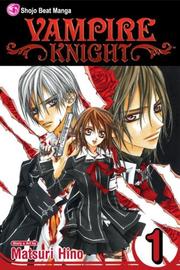
Vampire Knight, Vol. 1
Guardian Yuki protects Day students from secret vampire Night Class while Zero hates what he may become.
2,106-word summary · 9 min read
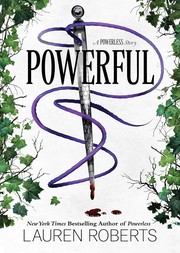
Powerful
Adena survives alone in the Loot and falls for a stranger while Paedyn faces the Trials.
2,229-word summary · 10 min read
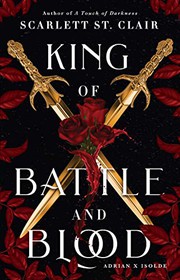
King of Battle and Blood
A bride sent to marry vampire king Adrian plans to kill him, fails, and must survive his court.
2,465-word summary · 11 min read
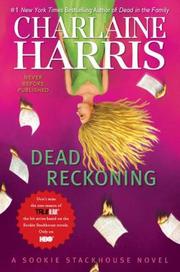
Dead Reckoning
Sookie confronts the firebombing of Merlotte's, Sandra Pelt's revenge, and a vampire power struggle while questioning her future with Eric.
2,391-word summary · 11 min read
Guilty Pleasures
Animator Anita hunts a vampire killer while Jean-Claude pulls her close.
2,136-word summary · 9 min read
Blue Bloods
At an elite Manhattan school, Schuyler Van Alen learns she is a forbidden half-vampire as someone starts killing her kind.
2,725-word summary · 12 min read
Burned
Zoey's soul hides in the Otherworld while Stark must die to fetch her and Stevie Rae burns secrets.
2,074-word summary · 9 min read
Dead in the Family
Sookie shelters fairy kin and a telepathic boy while pack murder and Eric's vampire kin close in.
2,412-word summary · 11 min read
The Book of Life
Diana and Matthew return from 1590 with twins on the way, and race Knox and Benjamin for the secret of Ashmole 782.
2,349-word summary · 10 min read
Lover Eternal
Cursed fighter Rhage must control his beast to protect Mary Luce as the Lessening Society closes in.
2,842-word summary · 13 min read
From Dead to Worse
Sookie mediates a Were war and vampire takeover while learning about her fairy blood.
2,533-word summary · 11 min read
Dead and Gone
Weres reveal themselves as Sookie faces a murder, a Fellowship trap, and a brutal fairy war.
2,798-word summary · 12 min read
Bloodlines
Alchemist Sydney Sage hides Moroi princess Jill in Palm Springs, where tattoo shops and old vampires test every rule she was taught.
2,622-word summary · 12 min read