
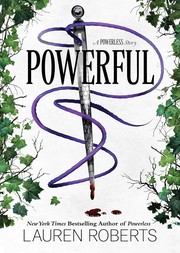
Powerful
2,229-word summary 10 min read 256 pages in the book
- First published
- 2024
- Publisher
- Simon & Schuster Books for Young Readers
- Pages
- 256
- ISBN
- 9781665966306
- Series
- The Powerless Trilogy (#1.5)
Reading options
What's inside (8 sections)
I picked up Powerful because of Adena. In Powerless she was the warmth in a cold book, the friend sewing dresses from scraps while Paedyn stole to keep them fed. When I heard Lauren Roberts had given her a novella set during the first book, published in 2024 by Simon and Schuster Books for Young Readers, I bought it the same week. I wanted more of her chatter and her thread. I did not expect a romance that would sit with me longer than most full length fantasies.
A quick note on placement. This is a companion novella, book 1.5 in The Powerless Trilogy, and it runs beside the events of Powerless rather than after them. Paedyn has been taken by the Trials. Adena is still in the Loot. You can read it on its own, but it lands far harder if you already know Paedyn and Kai and what the Trials cost.
The flat goes quiet after Paedyn leaves
The story opens with absence. Paedyn Gray, an Ordinary in a kingdom that hates Ordinaries, has been voted into the Purging Trials after saving Prince Kai. The whole city watched it happen. Adena watched the one person who kept her alive walk toward probable death, and now she has to survive alone in the slums of the Loot.
Roberts does good work here showing how the pair actually lived. Paedyn was the thief. Adena was the maker. Their little home ran on that trade. Paedyn risked the streets and brought back coins or food or cloth. Adena turned almost nothing into dresses with neat stitches and bright fixes, the kind of clothes that made poor girls feel seen. Without Paedyn, the system breaks on day one. Adena has charm and needle skill and a brave face. She does not have Paedyn's street sense, and she knows it.
What I liked about these early pages is how lonely they feel without slowing down. Adena talks to fill silence. She talks to neighbors, to customers, to herself while she sews. The chatter that felt comic in Powerless reads here as a habit keeping fear away. Every knock at the door could be trouble. Every empty evening reminds her that the Trials have a schedule and her best friend is on it.
The worldbuilding stays light because series readers already carry it. Ilya is a kingdom built on powers. After a plague years back, Elites gained abilities and Ordinaries did not, and the king used that split as an excuse for purges dressed up as law. The Purging Trials are the current version, a contest where Elites show off gifts while an Ordinary girl pretends she has one. Adena understands all of this the way poor people understand politics. She cannot change it. She just has to eat through it.
A terrible thief meets a stranger in the market
Adena tries to steal and fails at it. That scene matters because it tells you everything about her in five minutes. Paedyn steals with planning and cold hands. Adena steals with hope and shaking fingers. She picks the wrong mark in the market, gets caught, and panics in exactly the way a sheltered maker would. Then a man steps in and gets her out of it.
His name is Mak. He is young, quiet, and careful in a way that reads as hiding rather than shyness. The market knows him a little. Nobody knows him well. He has an Elite ability he keeps close, and in the Loot that kind of secret can get you robbed or recruited or reported depending on who hears it. He does not explain himself. He just pays or smooths or stares the trouble down, and then he tells Adena, more or less, to stop doing crimes she is bad at.
Their first talks are funny in the way Roberts writes best. Adena asks three questions for every answer. Mak gives half answers and changes the subject. She notices his clothes, his hands, the way he watches exits. He notices her dress, which she made, and actually looks at the stitching instead of just praising the shape. For a girl who makes things to be looked at properly, that attention lands.
I want to be clear about what Mak is not. He is not Kai. Kai is a prince trained to kill, all control and guilt. Mak is smaller scale, a man keeping his head down in a poor district with a past he will not open. The book keeps his history cloudy for a long stretch. You get hints. A reaction too fast. Knowledge he should not have. A refusal to enter certain streets. The point is not mystery for its own sake. The point is that Adena, who tells everyone everything, has met someone who tells no one anything, and she decides to wait him out.
The plan is simple and almost hopeless
Adena wants to see Paedyn before the Trials move past reach. That wish drives the middle of the book. The palace feels far from the Loot in every way that counts. There are guards, checks, crowds, and Trials events that pull attention and soldiers toward the center. An Ordinary seamstress cannot just walk up and ask after a contestant marked for death. So Mak agrees to help her get close, and the novella becomes a road story squeezed inside one city.
This stretch is my favorite part. The pair cross Ilya's poor quarters toward richer ground, and Roberts uses the walk to show class the way Adena would see it. Clean streets. Whole windows. Food sold without guards watching. Clothes that fit. Adena keeps noticing dresses and fixes, because that is her trade, and through her eyes the rich look both lovely and careless. She can tell you what a hem cost by looking. She can also tell you the wearer never thought about it once.
Danger stays low and steady rather than loud. They dodge patrols. They wait out crowds. They sleep badly. They share food that is never enough. Mak handles the physical threats with quiet skill that raises more questions. Adena handles the social ones, talking their way past a suspicious seller or a tired guard with smiles and fast stories. Each small win builds trust. Each close call trims Mak's silence a little shorter.
There is one errand I kept thinking about after. Adena wants to leave something for Paedyn, a piece of herself in cloth, because words might never get through. She works on it at night with tired hands. Anyone who sews or mends or makes gifts will recognize that scene. The gift is small. The labor is the message. When everything in Ilya says Ordinaries are nothing, a handmade thing says someone sat up late and chose every stitch.
He keeps secrets and she keeps asking
Romance readers should know the shape of this love story going in. It is fast by calendar and slow by feeling. The book covers days, not months. But those days are packed with shared risk, shared meals, and the kind of talk people only have when normal life is paused. Adena tells Mak about growing up with Paedyn, about being found and kept, about learning to laugh so the flat stayed warm. Mak tells her far less, but what he gives costs him more.
His power stays mostly off page, which frustrated me at first. In a series built on cool abilities, I wanted a clear look at his. On reflection I think the restraint works. This is Adena's book, and Adena does not care about power levels. She cares whether someone eats, whether someone sleeps, whether someone flinches when she touches his sleeve. When Mak finally shows more of what he can do, the scene plays as confession rather than display. He is trusting her with something dangerous, not winning a round.
The class tension gives their talks weight. Mak is an Elite, even a low one, which puts him above Adena in Ilya's order. He knows it and hates saying it. She knows it and refuses to act smaller because of it. There is a good argument scene about halfway where she calls out his habit of deciding what is safe for her without asking. He answers that he has buried people he failed to protect. Neither of them is fully right. Both of them are scared. For a short book, that fight has honest shape.
Physical affection stays sweet and limited. Hand holding. A forehead rest. Standing close in cold streets. Roberts writes attraction through attention. Mak learns how Adena takes her tea and what songs she hums while sewing. Adena learns where Mak's old injury aches and when to stop pushing questions. If you need spice to enjoy romance, look elsewhere. If you like the stage where two people start choosing each other on purpose, this will feed you.
Tenderness in a kingdom built for grief
What makes Powerful work is the clash between tone and setting. Adena is sunny. Ilya is not. The Trials roll on in the background like weather. Crowds cheer. Banners hang. Ordinary families keep their heads down. Every happy hour the pair steals feels borrowed, and both of them know the loan comes due. That pressure sweetens small scenes. A shared pastry. A dry doorway in rain. A finished hem. None of it should matter against state murder, and all of it does, because people live in small hours even during big horrors.
Series readers will feel dramatic irony on every page. We know Paedyn's path. We know Kai's conflict and Kitt's intentions better than Adena does. Watching Adena plan around edges of events we saw from the palace side gives the novella its ache. She is one small person tugging at a huge machine. The machine does not notice her. She tugs anyway.
I will not spell out the ending beat by beat, though readers of Powerless will know where Adena's story points. Roberts does not cheat it or soften it. The last section moves quickly, the way bad days do, and then sits still for a final image that reframes jokes from earlier chapters into something sore. I cried a little, which annoyed me, because I had told myself a 256 page side story could not do that. It can when the character voice is this distinct.
One choice deserves praise. Adena never becomes a fighter in the Paedyn mold. She stays a maker to the end. Her courage looks like walking into fear with shaking hands, like giving away food she needs, like finishing a dress for someone who may never wear it. Fantasy loves turning soft girls hard as proof of growth. This book lets softness carry its own kind of steel, and the story is better for it.
What drags and who should still read it
Fair criticism first. The plot is thin if you want Trials action or court games. Most of the book is walking, talking, hiding, and sewing, with danger kept at simmer. Readers who come for Kai's blades or palace schemes will check their watches. The romance also moves at novella speed, which means Mak goes from stranger to beloved in days. Roberts sells it with care, but if fast attachment bothers you, this will test you.
The prose repeats a few habits from Powerless. Banter sometimes covers feelings the scene should sit with. Adena's inner voice explains jokes that already landed. A couple of market and alley scenes blur together. None of this ruined my read, but at 256 pages there is nowhere to hide filler, and two chapters sag in the middle.
So who is this for. Read it if Adena was your favorite part of Powerless, if you like romance built on care rather than heat, or if you want the Loot's street view of events you only saw from the palace. Skip it if you have no plans to read the trilogy, since much of the pull comes from knowing what looms. Newcomers could start here, the writing orients you fast, but the ache depends on context.
I closed the book thinking about friendship more than romance. Paedyn and Adena chose each other as kids with nothing, and every choice since honored that. Mak enters that bond without breaking it. He sees what the girls built and treats it as sacred instead of competing with it. In a genre full of love triangles that trash female friendship, that respect felt like fresh air.
One more thing worth saying. Rereading bits of Powerless after this novella feels different. Scenes where Adena fusses over Paedyn's hair or presses food on her gain weight once you know what Adena carried alone in the Loot. Small jokes turn tender. Her courage in the palace scenes reads less like comic relief and more like someone who already faced fear in alleys with no backup. That is the gift of a good companion story. It does not replace the main book. It tunes it. Mak's thread adds its own pull, since his past touches corners of Ilya the trilogy keeps exploring, and readers heading into Reckless will watch for his name.
If you loved Powerless, read Powerful before book two. It will change how you hear Adena's laugh in the first book, and how you carry her through the rest.
FAQ
Where does Powerful fit in The Powerless Trilogy?
It is novella 1.5, set during the events of Powerless (2023) and best read before Reckless. The 2024 Simon and Schuster Books for Young Readers edition runs 256 pages.
Who are Adena and Mak?
Adena is Paedyn Gray's best friend, a seamstress left alone in the Loot. Mak is a secretive low-level Elite who rescues her in the market and helps her try to see Paedyn.
Is Powerful only a romance?
Romance drives it, but friendship, the class divide in Ilya, and survival in the Loot carry equal weight. The tone stays sweet with limited physical affection.
Similar books
More from The Powerless Trilogy first, then related titles.
Powerless
Ordinary Paedyn hides in Ilya, saves Kai, and enters the Purging Trials while pretending an ability.
3,079-word summary · 14 min read
Reckless
Paedyn and Kai flee the scorched city into trials where every ally charges a price in blood.
2,007-word summary · 9 min read
The Lost Sisters
Taryn Duarte writes a letter to her twin, Jude, explaining how she fell for Locke and why she stayed silent while he used them both.
1,914-word summary · 9 min read
The Prison Healer
Kiva, a teenage healer in a death prison, volunteers to face four elemental trials for a dying rebel queen, and the truths she uncovers change everything.
2,062-word summary · 9 min read

Lightlark
Isla Crown risks everything in the Centennial trials on Lightlark isle to break her people's curse, torn between Grim and King Oro. Secrets pile up toward a…
3,093-word summary · 14 min read
Six Scorched Roses
A dying scholar bargains with a reclusive vampire for blood, and six roses turn a transaction into a slow, dangerous romance.
2,663-word summary · 12 min read

Vow of Thieves
Kazi and Jase return to Tor's Watch to find it occupied, and their marriage is tested by captivity, betrayal, and a war for the town of Hell's Mouth.
2,059-word summary · 9 min read

Archenemies
Nova steals for the Anarchists while Adrian hides his Sentinel identity, and a serum that erases prodigy powers puts them both at risk.
2,485-word summary · 11 min read

The Siren
Saved from a shipwreck in 1930, Kahlen becomes a siren who sings men to their deaths for the Ocean, until a boy in a college library makes her want a life she…
2,369-word summary · 11 min read
Cruel Beauty
A girl raised to kill the demon prince who rules her cursed land instead falls in love with him, in a retelling that mixes Beauty and the Beast with Bluebeard…
2,669-word summary · 12 min read
Demonglass
Sophie Mercer spends the summer at the Council's English estate, where two new demons, a suspicious host, and Archer's return complicate her plan to remove her…
2,771-word summary · 12 min read

Born at Midnight
Kylie Galen is sent to a camp for troubled teens and discovers it is a haven for vampires, werewolves, and witches, and that she may be something stranger…
2,310-word summary · 10 min read

The Rose & the Dagger
Shahrzad is pulled from her Caliph husband and left in a desert camp of rebels, needing to break his curse and end a war before it ends her.
2,520-word summary · 11 min read

We Hunt the Flame
In a fractured Arabia-inspired world, a disguised huntress and a prince-assassin race to find a magic-restoring book and confront an ancient evil.
2,195-word summary · 10 min read
Stars Above: A Lunar Chronicles Collection
Nine Lunar Chronicles stories fill in the histories of Cinder, Wolf, Thorne, Cress, Winter, and Jacin, and end with a wedding after the war.
2,230-word summary · 10 min read
Reveal Me
A Shatter Me novella told by Kenji, set between Defy Me and Imagine Me, as the rebels learn Anderson has taken hostages and Juliette faces Emmaline.
2,098-word summary · 9 min read

Lore
Lore Perseous, the last of a hunted bloodline, is pulled back into the Agon when a wounded Athena offers her revenge against the god who killed her family.
2,188-word summary · 10 min read
House of Salt and Sorrows
Annaleigh Thaumas investigates her sister's death in a cursed island manor where the balls are illusions and the sea god is always listening.
2,025-word summary · 9 min read
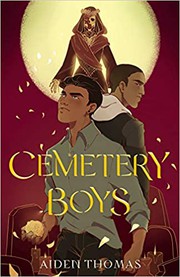
Cemetery Boys
A trans brujo in East Los Angeles summons the ghost of a boy who refuses to move on, and together they uncover a murder hidden beneath Día de los Muertos.
1,997-word summary · 9 min read

Blue Moon
Ever Bloom tries to save her immortal boyfriend, Damen, from a mysterious illness while a new student named Roman quietly takes control of her school and her…
1,998-word summary · 9 min read
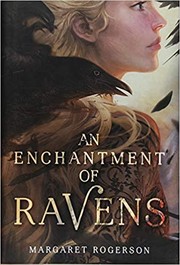
An Enchantment of Ravens
Isobel, a mortal artist in the fairy town of Whimsy, paints a portrait of the autumn prince and falls in love with him, breaking the laws of her craft.
2,087-word summary · 9 min read
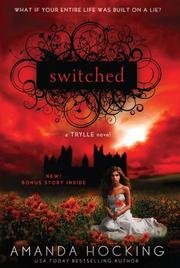
Switched
A Minnesota teenager who can make people obey her discovers she is a changeling troll princess, and the hidden kingdom she came from wants her back.
2,131-word summary · 9 min read
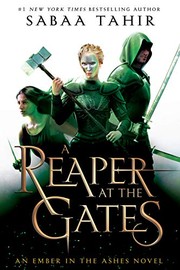
A Reaper at the Gates
The Martial capital falls to an army of ghosts, Elias becomes the Soul Catcher, and Laia and Helene pay brutal prices as the Nightbringer moves to free the…
1,991-word summary · 9 min read
Fable
Abandoned on a lawless island at fourteen, Fable spends four years diving for gems to buy passage off it, straight into the cutthroat trade of the Narrows.
2,320-word summary · 10 min read
World After
Penryn wakes from near-death to find her altered sister Paige hunted as a monster, and follows her into the angels' scorpion factory and Uriel's coup.
2,213-word summary · 10 min read

The Indigo Spell
Sydney Sage hunts an aging witch, learns forbidden magic, and finally admits she loves Adrian, while the Alchemist tattoo on her cheek may be controlling her.
2,604-word summary · 12 min read
Emerald Green
Gwyneth must close the blood circle that will crown an immortal tyrant, and the prophecy says her death is the final lock.
2,044-word summary · 9 min read
Beautiful Chaos
Ethan Wate is losing himself piece by piece as the broken Order of Things demands a sacrifice, and the answer may be the last person anyone expected.
2,068-word summary · 9 min read

Wayward Son
Simon and Baz road trip America after the war to decide what normal means.
2,505-word summary · 11 min read