
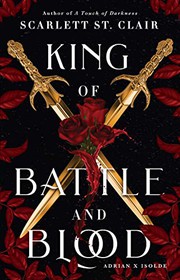
King of Battle and Blood
2,465-word summary 11 min read 400 pages in the book
- First published
- 2021
- Publisher
- Bloom Books
- Pages
- 400
- ISBN
- 9781728258416
- Series
- Adrian x Isolde (#1)
Reading options
What's inside (8 sections)
I came to King of Battle and Blood because I kept seeing it next to the Hades and Persephone books and wanted to know what Scarlett St. Clair does with vampires. The book came out in 2021 from Bloom Books and runs 400 pages in the standard paperback and hardcover. It is the first book in the Adrian x Isolde series, followed by Queen of Myth and Monsters. It is a dark vampire romance with a war, a wedding, and a murder plan that fails on night one. I read it fast, argued with parts of it, and still wanted the next book when it ended.
The hook is blunt and the back cover states it plainly. Isolde de Lara agrees to marry vampire king Adrian Aleksandr Vasiliev to end a long war between humans and vampires. She walks into the wedding planning to kill him. Her knife work fails. Adrian stops her without much trouble and tells her the new rule. If she tries to kill him again, he will bring her back as one of the undead. She will become the thing her people fear and hate. That threat sets the whole book in motion. She cannot stab her way out, so she has to think her way through a court that wants her dead or obedient.
What kept me reading was not the politics alone but the tension between the two leads. Adrian is fierce in public and controlled in private, used to being obeyed, used to being feared. Isolde is proud and angry and grieving, raised to see vampires as monsters, now forced to play consort to one. They circle each other at dinners and in corridors, trading sharp lines, testing limits. The attraction builds early and stays hot. If you like slow burn that keeps getting interrupted by danger, this delivers that pattern over and over.
A Wedding Meant as a Funeral
Isolde opens the book with a clear sense of duty. Her land has bled for years. Vampires raid and humans retaliate. Her marriage to Adrian is a treaty with a body count behind it. She tells herself the wedding is worth it if she can end the war with a blade on the wedding night. Her people expect sacrifice. She expects death, either his or hers. That grim math makes her sympathetic even when she acts rashly. She is young and trained more for courage than for spycraft.
The wedding itself is cold and grand. Adrian arrives as legend, tall, scarred by battles people whisper about, polite in a way that reads as menace. Isolde wears the dress and says the words and waits for her moment. St. Clair writes the ceremony with attention to fabric and iron and blood, the symbols each side brings into the room. You feel two courts watching, neither trusting the other. The kiss tastes like a truce nobody believes.
Her assassination attempt fails fast. I will not spoil the exact mechanics move by move, but the point matters. Adrian is faster and older and has survived many killers. He disarms her without turning it into a show. Then he lays out the consequence in plain speech. Try again and you will wake up vampire. For Isolde, who has been taught that vampires are soulless killers, that is worse than execution. It is a clever lock for a romance. She must stay close to the man she meant to kill, in his house, at his table, in his bedchamber politics, without using the one tool she counted on.
I liked that St. Clair does not let Isolde fold right after. She looks for other weapons. Poison, allies, secrets, escape routes. She watches Adrian for weakness. She tests his guards. She tries to learn which nobles hate the marriage and might help her break it. Some of these plans are naive, and the book knows it. Her failures teach her how little she understood about vampire power and about her own side's history. That learning curve carries the first third.
The Vampire Court and Its Rules
Adrian takes Isolde to his seat of power, a dark court full of old vampires, hungry young ones, human servants, and spies for every faction. Survival there means learning rules nobody posts on a wall. Do not bleed where others can smell it. Do not accept every drink offered. Do not insult a noble with a longer memory than your family line. Do not wander alone after dark, even though it is always dark in some halls. Isolde learns by error, and errors cost her.
The court runs on blood and bargains. Blood is food, currency, and bond. To give it willingly means something different than to have it taken. To share it can mark favor or claim. St. Clair repeats these customs in different scenes so the reader absorbs them. A dinner becomes a test. A dance becomes a negotiation. A wound becomes gossip by morning. I found this part fun when it stays concrete. When a rule gets explained through what happens to Isolde at a feast, it sticks. When it arrives as a history lesson from a courtier, my attention dipped.
Adrian's inner circle gets the most page time. His trusted fighters and aides watch Isolde with open suspicion. Some want her dead because they think the treaty is a trick. Some want to use her to control Adrian. A few, slower to trust, start to respect her when she refuses to cower. Isolde makes one or two real connections among the staff and guards, people who show her small kindnesses and warn her away from halls where she would be hunted for sport. Those minor friendships matter because they prove the court is not one mind. It has soft spots.
The human side is less present once Isolde leaves home, which is a fair criticism. We hear about her father and her people's hopes and priests and soldiers, but mostly through letters and memory. That distance serves the romance, since Isolde is cut off and must judge Adrian by what she sees, but it weakens the war story. I wanted one strong human voice writing back to her, someone to argue the cost of peace from home. Without that, the treaty can feel abstract while the love scenes take up the air.
Chemistry, Bargains, and Consent
The center of the book is the push and pull between Adrian and Isolde. He wants a consort who will stand beside him and prove the treaty can hold. He also wants her, physically, and does not hide it. She wants freedom and revenge and answers, and she feels pulled toward him even as she hates that pull. St. Clair writes their scenes with a lot of heat and a lot of talk. They argue about the war. They argue about blood. They argue about what marriage means when one party is immortal and the other is not.
Blood sharing becomes the main image for trust. Adrian needs blood. Isolde bleeds. The question of when she offers and when he takes carries weight in every close scene. To the book's credit, it spends time on permission. Adrian, for all his threats early on, keeps asking in private moments and stops when she says no. That pattern will matter to readers who are careful about power gaps in romance. The public threat about raising her as undead still hangs over everything, and St. Clair does not pretend it is romantic. It is coercion. The book tries to move past it by showing Adrian shifting toward request rather than command as he comes to care for her. Readers will differ on whether that shift is enough. I saw the effort and still felt the early threat sour some later sweetness.
The love scenes are explicit and frequent after the midpoint. If you dislike open door romance, this is not your book. If you like it, the scenes fit the characters, all biting and pride and surrender, with talk that reveals history. St. Clair uses intimacy to drop lore. Adrian lets slip details about past wives or past wars. Isolde notices marks and scars and asks about them. The pillow talk does plot work, which kept me from skimming.
One more thread deserves mention without spoiling it. Isolde starts having dreams and flashes that do not match her own memory. She feels drawn to parts of the castle she has never seen. Adrian watches her closely when these moments hit, as if he expected them. The book hints that their bond did not start at the wedding. That hint grows louder toward the end and sets up the turn into book two. I guessed part of it early and still liked watching Isolde catch up.
Why He Chose Her
The back cover asks why Adrian chose Isolde as consort, and the book holds that answer until late. I will keep this vague to protect the reveal. The short version is that their meeting is not accident and not only politics. There is an older tie between them, buried under magic and death and retelling, that reframes several cold scenes from earlier. A line Adrian speaks at the wedding lands differently once you know. A gift he gives reads less like control and more like memory.
How you feel about this reveal may decide how you feel about the book. On one hand, it gives the insta pull between them a reason beyond lust. It explains Adrian's patience and his certainty that Isolde belongs at his side. It links the war to something older than the current treaty. On the other hand, it leans on a familiar romance device where hidden past lives excuse present pressure. St. Clair commits to it fully. She plants clues in dreams, in portraits, in the way old vampires stare at Isolde too long. If you enjoy reincarnation and fated mate stories, you will eat this up. If those tropes annoy you, the last hundred pages may test you.
I landed in the middle. The reveal made Adrian kinder in hindsight, which helped, because his early menace needed softening. It also raised questions the book does not fully answer yet. How much of Isolde's will is her own. How much is echo. The text insists she chooses him, and Isolde herself argues for her own choice in strong scenes near the end. I believed her in the moment. I still want book two to defend that choice harder, with actions rather than vows.
The war plot sharpens in the final act. Assassins move. Nobles scheme. A traitor close to the throne shows teeth. Isolde has to pick a side in public with a blade coming at her, not in theory but in a hallway with blood on the floor. She picks Adrian, not because she has forgiven every threat but because the alternative is slaughter. That choice felt earned. It comes after chapters of her learning court rules, making allies, and seeing what Adrian protects when nobody is watching.
What Works and What Wears Thin
St. Clair's strengths show clearly. Pace is fast. Chapters end on hooks. The world has texture, iron and velvet and snow and torchlight, without drowning in made up titles. Adrian has presence. He walks into rooms and the air changes, but he also shows dry humor in private that keeps him from turning into a statue. Isolde has voice. She is stubborn and funny under stress, and her narration carries pages where the plot idles. The supporting vampires have sharp lines. The banter at feasts made me smile more than once.
The book also trusts the reader to handle a dark hero. Adrian threatens, kills, and commands. The text does not sand him into a safe boyfriend. It asks you to watch him change in small ways, offering choices where he once gave orders, shielding Isolde's friends, holding back when hunger rises. That slow shift is more convincing than a sudden apology tour. If you like morally gray love interests who stay gray, Adrian fits.
The weaknesses are real too. The middle repeats a loop. Isolde defies Adrian, gets in danger, Adrian rescues her, they fight, they kiss, they withhold a secret, repeat. After the third turn I started predicting beats. A tighter middle with one less rescue and one more honest talk would have helped. The history of the war stays thin. We get claims about who started what, but few dates, maps, or costs that stick. Vampires live long, so their grudges should feel specific. Too often they feel generic.
Spice balance will divide readers. I thought the frequency fit the arranged marriage pressure cooker, but a few scenes arrive right when the plot needs answers and delay them. If you came for court intrigue, you may wish two love scenes had been cut for one council scene where the treaty terms get spelled out. If you came for romance, you will not mind. Know your taste.
Content notes matter here. Expect blood drinking with power play, death in battle, attempted assassination, threats of forced turning, captivity vibes early on, and explicit sex. There is grief and talk of past slaughter. The book is aimed at adult readers of romantasy, not teens, though older teens read in this space anyway. St. Clair writes the hard parts without glee but without looking away.
Who Should Read It and How It Connects
Read this if you liked the pull of A Court of Thorns and Roses or the bite of Serpent and Dove, and you want vampires instead of fae or witches. Read it if you enjoy enemies to lovers where the wedding comes first and the love comes later, under threat. Skip it if fated mates, blood play, or jealous alpha behavior put you off. No judgment. This book leans into all three.
As series setup, it works. Book one gives Isolde a full arc from assassin bride to willing ally who still keeps her own aims. It gives Adrian a reason to hope the treaty can hold beyond fear. It ends with enough answers to satisfy and a clear road into Queen of Myth and Monsters, where the past life lore and the unfinished war promise bigger stakes. I closed it with questions I wanted answered, which is the job.
A practical note on text. My summary follows the Bloom Books edition, first issued November 30, 2021, in a 400 page hardcover and paperback, ISBN 9781728258416 for the standard paperback cited here. Page breaks differ in ebook and later reprints, including a 2025 reissue, but the chapters and order match. If your copy shows a different count, you still have the same wedding, the same threat, and the same late reveal.
FAQ
Why does Isolde marry Adrian and what happens to her plan?
Isolde de Lara agrees to marry vampire king Adrian Aleksandr Vasiliev to end a long war between humans and vampires. She plans to kill him on the wedding night and her attempt fails.
Is King of Battle and Blood part of a series?
Yes, it is book one of the Adrian x Isolde series, followed by Queen of Myth and Monsters. The book introduces the bond and the war that continue in the sequel.
When was King of Battle and Blood published and who published it?
It was published November 30, 2021 by Bloom Books in a 400-page hardcover and paperback. The summary follows that text and keeps its facts aligned.
Similar books
More from Adrian x Isolde first, then related titles.
The Traitor Queen
Exiled Lara returns to free Aren and break her father hold.
2,328-word summary · 10 min read
The Ashes & the Star-Cursed King
Oraya and Raihn hold a shaky throne, face gods and war, and must pay memory to close the rift.
2,127-word summary · 9 min read
The Serpent and the Wings of Night
Human Oraya enters the vampire Kejari tournament with rival Raihn while her father watches from the House of Night.
2,563-word summary · 11 min read
Six Scorched Roses
A dying scholar bargains with a reclusive vampire for blood, and six roses turn a transaction into a slow, dangerous romance.
2,663-word summary · 12 min read

Vow of Thieves
Kazi and Jase return to Tor's Watch to find it occupied, and their marriage is tested by captivity, betrayal, and a war for the town of Hell's Mouth.
2,059-word summary · 9 min read
At Grave's End
Cat and Bones face Max, a zombie-raising ancient vampire, and a prophecy that ties their marriage to Patra's death in the third Night Huntress novel.
2,061-word summary · 9 min read

Blood Bonds
Oleander is chained in a Resistance camp, and her five Bonds have to find her before Silas Davies finishes what he started in this third Bonds that Tie book.
2,018-word summary · 9 min read
Lover Unleashed
Paralyzed vampire warrior Payne and surgeon Manny Manello collide in an adult paranormal romance, as Xcor's Band of Bastards arrives in Caldwell for revenge.
2,374-word summary · 11 min read

The Rose & the Dagger
Shahrzad is pulled from her Caliph husband and left in a desert camp of rebels, needing to break his curse and end a war before it ends her.
2,520-word summary · 11 min read
Savage Bonds
Oli's deadly gift is out in the open, her Bond runs the show, and the Resistance is closer than ever in the second Bonds that Tie novel.
2,431-word summary · 11 min read

The Indigo Spell
Sydney Sage hunts an aging witch, learns forbidden magic, and finally admits she loves Adrian, while the Alchemist tattoo on her cheek may be controlling her.
2,604-word summary · 12 min read
Pestilence
Firefighter Sara Burns shoots the Horseman Pestilence and discovers he cannot die. Taken captive, she rides with him as his plague sweeps the world.
2,508-word summary · 11 min read
Deadlocked
A dead woman on Eric's lawn starts a murder investigation, a vampire queen wants Eric as her consort, and the fairies in Sookie's life close in.
2,885-word summary · 13 min read
Captive Prince
Betrayed by his half-brother and sold to the enemy kingdom as a pleasure slave, Prince Damianos must survive in the court of Vere without revealing who he…
2,063-word summary · 9 min read
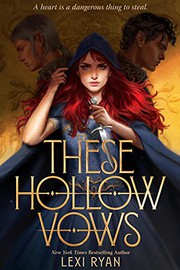
These Hollow Vows
Brie trades with the Unseelie to save her sister and steals for a prince.
2,384-word summary · 11 min read

The Winner's Curse
An aristocratic girl buys a slave who is secretly a prince plotting rebellion.
2,124-word summary · 9 min read

Soulless
A soulless spinster in Victorian London nullifies supernaturals and solves disappearances.
2,362-word summary · 10 min read

One Foot in the Grave
Cat hunts vampires with Bones while her Sire plots from the grave.
2,200-word summary · 10 min read
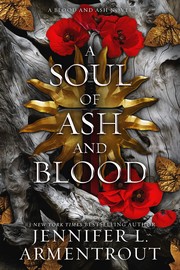
A Soul of Ash and Blood
Casteel retells Poppy fall and rise while she sleeps under siege.
2,458-word summary · 11 min read
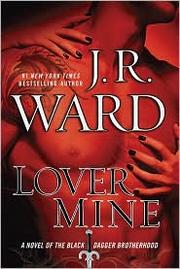
Lover Mine
Mute fighter John Matthew loves scarred Xhex as Lash and the war close in on Caldwell.
2,516-word summary · 11 min read
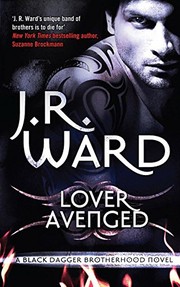
Lover Avenged
Half symphath Rehvenge hides behind ZeroSum and drugs while nurse Ehlena pulls him toward truth.
2,421-word summary · 11 min read
Broken Bonds
Oleander returns after five years on the run to face the five men she is bonded to, in J. Bree's 2021 opener of resentment, training, and slow trust.
2,582-word summary · 11 min read

Vampire Knight, Vol. 1
Guardian Yuki protects Day students from secret vampire Night Class while Zero hates what he may become.
2,106-word summary · 9 min read
Heartless Hunter
A witch hiding as a socialite courts a witch hunter for secrets, while he courts her back on suspicion, in this romantic fantasy opener.
2,366-word summary · 11 min read
Dead Reckoning
Sookie confronts the firebombing of Merlotte's, Sandra Pelt's revenge, and a vampire power struggle while questioning her future with Eric.
2,391-word summary · 11 min read


The Kiss of Deception
Princess Lia flees an arranged marriage and hides in a village, unaware one stranger is a prince and the other an assassin.
2,196-word summary · 10 min read
Guilty Pleasures
Animator Anita hunts a vampire killer while Jean-Claude pulls her close.
2,136-word summary · 9 min read

Blue Bloods
At an elite Manhattan school, Schuyler Van Alen learns she is a forbidden half-vampire as someone starts killing her kind.
2,725-word summary · 12 min read