
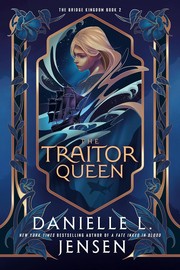
The Traitor Queen
2,328-word summary 10 min read 416 pages in the book
- First published
- 2020
- Publisher
- Del Rey
- Pages
- 416
- ISBN
- 9780593975213
- Series
- The Bridge Kingdom (#2)
Reading options
What's inside (7 sections)
Picking it up right after that painful ending
I started The Traitor Queen the same night I finished The Bridge Kingdom because book one leaves Lara ruined and Aren hating her, and I needed to know if Jensen could earn a way back. She can, mostly. Del Rey put this second volume out in 2020, 416 pages in the hardcover with ISBN 9780593975213, and it reads like the second half of one long story rather than a fresh adventure. If you have not read book one, stop and read that first. This one spoils the whole betrayal in the first chapters and assumes you remember who left whom bleeding on a bridge in the rain.
The premise is simple and hard. Lara is called traitor in both kingdoms now. In Ithicana she is the bride who opened the gates to invasion. In Maridrina she is the daughter who failed her father King Silas and then turned on him. She is hiding in exile, scraping by, dreaming of Aren's face when he learned what she did. When she learns Aren has been taken by her father and is being held in Maridrina, she decides to go back into the snake nest to get him out. Not to excuse herself. To pull one living person out of the wreck she helped make.
I liked that motive because it is small enough to believe. Lara does not plan to end a war in chapter one. She plans to pick a lock, bribe a guard, find a cell. The larger war finds her anyway, as it should in a middle book, but the engine stays personal. Get Aren. Get her sisters out if she can. Face Silas if she must.
Lara alone and trying to live with what she did
The opening chapters show Lara stripped of queen clothes and spy tools, working for coins, sleeping badly, flinching at drums. Jensen does good work here showing guilt without turning it into poetry. Lara counts the dead she knows by name. She avoids Ithican sailors in ports because she cannot stand their songs. She practices with knives even though her hands shake, because habit is the only steady thing she has.
Her sisters haunt every choice. In book one they were mostly memory and threat, the reason Lara obeyed Silas. Here they become more present through messages, rumors, and one brief contact that hit me hard. Lara learns some of them are being moved, married off, punished for her failure. She had promised them freedom if she succeeded. Now her success was a lie and her failure has a price they pay. That pressure makes her reckless in a way I believed. She takes bad deals. She walks into rooms she should circle first. Grief makes her fast and sloppy, and the book lets her be wrong.
Ahnna gets more page time early, which I welcomed. Aren's sister has every reason to hate Lara, and she does, cleanly and loudly. Their first meeting in this book is tense in the best way, all short sentences and hands near hilts. Ahnna is not there to forgive. She is there to use Lara's knowledge because Ithicana is bleeding. Watching those two women negotiate distrust while needing each other saved the middle for me when the plot slowed. They argue about Aren, about the bridge, about who gets to decide what Ithicana risks. Neither gives ground cheaply. I also liked that Ahnna calls out Lara's habit of deciding alone what others can bear. That cut felt true. Lara spent book one choosing for everyone, which lie to tell, which ship to spare, and Ahnna names it as its own kind of arrogance, even when meant kindly.
One small moment stuck with me. Ahnna makes Lara clean and wrap a wound, not as punishment but as test, and Lara's hands remember battlefield care from training she once despised. It is quiet, bloody, useful. For a page they are just two women trying to keep a scout alive, and the larger feud drops away. Then the scout asks if the queen has returned, meaning Ahnna's dead mother, and the air goes cold again. Jensen does that often here, letting warmth rise and then reminding you what burned.
My gripe with this section is that Lara's exile community stays thin. She lodges with people who could have become memorable, a healer, a dock boss, a kid who runs messages, but they fade once the rescue starts. I wanted one friend Lara could not save, to keep the cost visible. As written, her loneliness feels a bit clean, all empty rooms and sea wind, without the clutter of new bonds that would make leaving again hurt.
Back into Maridrina to steal back a king
The rescue plot is the strongest thread. Aren is Silas's prisoner, kept alive because a living king is worth more than a dead martyr, displayed just enough to break rumors and hidden enough to break hope. Lara knows the palace where she grew up, its kitchens and cisterns and guard shifts, and Jensen puts that old training to good use. Lara enters Maridrina not as a queen but as someone who can pass as servant, trader, whore when needed, reading dialects and uniforms the way other people read weather.
There are excellent sneaking chapters. A laundry cart with a false bottom. A cistern swim that leaves Lara shaking and half blind. A copied key pressed in wax. A bribed cook who talks too much and has to be paid twice. A night in a cell corridor counting footsteps while a torch burns low. I could picture the stone, the heat even underground, the way sound carries in those halls. Jensen writes sneaking the way she writes fighting, step by step, with attention to breath and hands.
Aren, when we reach him, is in bad shape but not broken in the way I feared. He is thinner, angrier, cut off from sun and sea. He does not greet Lara with love. He greets her with cold sense, asking what she wants and what it will cost him. Their scenes in captivity are short and sharp. She tries to explain. He cuts her off. He asks about Ithicana first, about Ahnna, about Jor and Taryn and the bridge guard, before he asks anything about her. That ordering tells you who he is now. King first. Hurt man second.
The escape itself is messy, which I liked. Plans bend. A guard changes early. A dog barks. A rope is shorter than promised. Lara has to hurt someone she hoped to spare, and Aren has to lean on her even though he hates needing her. They get out through heat and dust rather than clever magic, thirsty and arguing, and the desert crossing that follows is one of the better survival stretches in the series. Little water. Wrong shoes. Old wells marked on a map Lara half remembers from childhood lessons. At one point they trade a knife for dates and both pretend it was a fair trade. It was not, and they know it. My favorite beat on that walk is how little they talk at first. Aren walks a few paces ahead when he can, even limping, because accepting her pace feels like accepting her. Lara lets him, carrying both packs without comment. Only when a sandstorm forces them into a rock hollow shoulder to shoulder does he ask a plain question about her sisters, and she answers plainly, without shaping it. That first honest exchange, thirsty and half shouted over wind, does more than any apology could.
War comes anyway, and the bridge remembers
Once they are out, the book widens. Ithicana is under strain, its bridge damaged, its stores low, its people tired of burying friends. Maridrina is moving under Silas, who plays ports against each other and buys swords with promises of grain and toll shares. Other powers sniff around the strait, hoping both kingdoms bleed enough to bargain. Jensen keeps the politics clear without drowning us in councils. Every meeting has a mouth to feed behind it.
Lara has to earn any role here, and the book makes her earn it slowly. No one in Ithicana wants lectures from the woman who gave away guard rotations. So she starts low. She mends nets. She stands watch in rain. She teaches Maridrinian codes to young scouts. She shows Ahnna a hidden channel her father used and then lets Ahnna decide whether to trust it. Small deposits. When she warns of an attack through a storm gap, Taryn tests the claim instead of trusting her, sending a fast boat to check. The check proves her right, and that earned proof matters more than tears would. There is a council scene I admired where Lara stays silent while older captains debate her plan as if she were absent, and Aren does not rescue her. He lets her wait, then asks her one hard question about tides that only someone who studied Ithican waters could answer. She answers, and the room shifts. It is not forgiveness. It is permission to keep talking.
Aren's arc in this middle restores why I liked him in book one. He works beside his people even when his body is weak. He hauls rope. He sleeps in the watch house. He listens to fishermen about tides and to engineers about chains. He is still furious with Lara, sleeping apart, speaking formally in councils, and Jensen lets that anger sit without rushing to sex as a fix. When they do come together again, it is after shared work and plain talk about what Lara did and what it killed. The scenes are explicit, as in book one, but the focus stays on choice and consent. He asks if she will stay when it is boring and hard. She says she will try, which is the only honest answer she has.
Battle chapters close the book, and they are vivid without being endless. A night assault on a span. Fire ships in a channel. A tower held by a handful while boats burn below. Ahnna shouting orders with blood on her sleeve. Jor steady as ever at Aren's shoulder. Lara using her old Maridrinian signals against her father's officers, turning their own codes into traps. I followed the geography well, which I credit to Jensen repeating landmarks, the south tower, the reef teeth, the wind side, until I could place people.
Silas remains mostly off page, which works and also frustrates. He is crueler in report than in person here, a father who counts daughters like coins. When Lara finally faces him, the scene is short, ugly, and satisfying in a painful way. No long speech. Just a man who cannot see his children as people and a daughter who stops asking him to. I wanted a bit more of his court, one advisor who fears him, one general who doubts the war, to show why Maridrina follows him. As written he feels like weather, terrible and everywhere, but a little faceless.
What works, what strains, and how the romance lands
What works is momentum with feeling. At 416 pages this moves faster than book one, and the rescue gives it spine. Lara and Aren spend much of the book apart or angry, so when they cooperate it means something. Ahnna, Jor, and Taryn get sharper edges. The world fills out, desert wells and port markets and storm tactics, without losing the bridge as the heart. I also liked that Lara's sisters stop being only motive and start being people with choices, some brave, some broken, one furious at Lara in a way that felt fair.
What strains is forgiveness. Lara caused deaths. The book knows it, and to its credit it names names and shows widows and burned stores. But Ithicana accepts her help fairly quickly once she proves useful, and a few characters warm to her faster than I believed. Aren's trust returns in steps, which is well done, yet the wider community folds her back in with fewer hard scenes than I wanted. One public accounting, where survivors could speak anger to her face, would have made the later acceptance feel heavier. As it is, usefulness sometimes stands in for atonement.
The romance lands for me because it stays uncomfortable. Lara and Aren do not wipe book one away. He flinches when she lies even kindly. She hates hearing Maridrinian accents in his mouth when he mocks her old reports. They build new habits, sharing watches, checking maps together, sleeping back to back in cold rooms. That practical repair echoes the best of book one, where love was logistics as much as feeling. Readers who want grovel and instant reunion will find this slower. Readers who want betrayal to cost something will prefer it this way.
Who should read it. If you finished book one angry but curious, keep going. If you like enemies to lovers where the enemies part involved real harm and the lovers part has to be rebuilt in public, this is a strong example. If you dislike explicit content or need tidy moral lines, know this series lives in gray. You must read The Bridge Kingdom first, then this, and keep the next book close because the war is not done.
I closed it thinking less about kisses than about stores and shifts, grain counts and guard lists, the unglamorous work of holding an island together after someone you loved helped break it. Lara returns not as a queen demanding a throne but as a worker asking for a post. Aren gives her one, watchfully, and stands near enough to see if she holds it. For a middle book that has to free a prisoner, reignite a romance, and stage a war without solving everything, it holds. I cared about the bridge again, which is exactly what Lara has to earn.
FAQ
When was The Traitor Queen published?
Del Rey published it in 2020. The hardcover runs 416 pages and the ISBN is 9780593975213.
Is it part of a series?
Yes. It is book two of The Bridge Kingdom, after The Bridge Kingdom, and it assumes you know the betrayal.
Can I start with The Traitor Queen?
No. Start with The Bridge Kingdom. This book spoils that ending in the first chapters.
Similar books
More from The Bridge Kingdom first, then related titles.
The Bridge Kingdom
A trained bride spies on Ithicana and its bridge king, then love and invasion force choice.
2,044-word summary · 9 min read

Vow of Thieves
Kazi and Jase return to Tor's Watch to find it occupied, and their marriage is tested by captivity, betrayal, and a war for the town of Hell's Mouth.
2,059-word summary · 9 min read

The Rose & the Dagger
Shahrzad is pulled from her Caliph husband and left in a desert camp of rebels, needing to break his curse and end a war before it ends her.
2,520-word summary · 11 min read

The Winner's Curse
An aristocratic girl buys a slave who is secretly a prince plotting rebellion.
2,124-word summary · 9 min read
King of Battle and Blood
A bride sent to marry vampire king Adrian plans to kill him, fails, and must survive his court.
2,465-word summary · 11 min read

The Kiss of Deception
Princess Lia flees an arranged marriage and hides in a village, unaware one stranger is a prince and the other an assassin.
2,196-word summary · 10 min read
Dance of Thieves
Queen's thief Kazi infiltrates Ballenger lands while young leader Jase plays her right back.
2,005-word summary · 9 min read
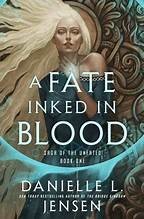
A Fate Inked in Blood
In Norse-inspired Skaland, a fish gutter hiding a goddess's blood is claimed by a jarl, bound by oath, and guarded by the son she cannot want.
1,971-word summary · 9 min read

Lioness Rampant
Alanna searches for the Dominion Jewel with the Shang Dragon, then returns to Tortall to face Duke Roger at Jonathan's coronation.
2,478-word summary · 11 min read
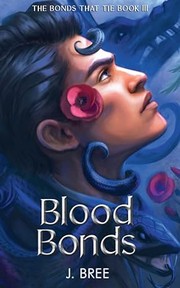
Blood Bonds
Oleander is chained in a Resistance camp, and her five Bonds have to find her before Silas Davies finishes what he started in this third Bonds that Tie book.
2,018-word summary · 9 min read

Archenemies
Nova steals for the Anarchists while Adrian hides his Sentinel identity, and a serum that erases prodigy powers puts them both at risk.
2,485-word summary · 11 min read

The Queen of the Tearling
Nineteen-year-old Kelsea leaves the woods to take her throne, ends a shipment of human captives, and draws the Red Queen's revenge.
2,357-word summary · 10 min read

Fool's Errand
FitzChivalry Farseer has lived in exile for fifteen years. When Prince Dutiful vanishes before his betrothal, Fitz returns to Buckkeep to find him, with a wolf…
2,606-word summary · 12 min read

We Hunt the Flame
In a fractured Arabia-inspired world, a disguised huntress and a prince-assassin race to find a magic-restoring book and confront an ancient evil.
2,195-word summary · 10 min read

Lore
Lore Perseous, the last of a hunted bloodline, is pulled back into the Agon when a wounded Athena offers her revenge against the god who killed her family.
2,188-word summary · 10 min read
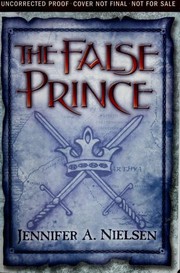
The False Prince
A nobleman buys four orphans and tells them only one will survive to impersonate the missing prince. The narrator, a defiant thief named Sage, has other plans.
2,044-word summary · 9 min read

Savage Bonds
Oli's deadly gift is out in the open, her Bond runs the show, and the Resistance is closer than ever in the second Bonds that Tie novel.
2,431-word summary · 11 min read

Fable
Abandoned on a lawless island at fourteen, Fable spends four years diving for gems to buy passage off it, straight into the cutthroat trade of the Narrows.
2,320-word summary · 10 min read
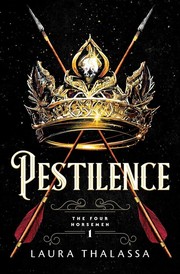
Pestilence
Firefighter Sara Burns shoots the Horseman Pestilence and discovers he cannot die. Taken captive, she rides with him as his plague sweeps the world.
2,508-word summary · 11 min read
Captive Prince
Betrayed by his half-brother and sold to the enemy kingdom as a pleasure slave, Prince Damianos must survive in the court of Vere without revealing who he…
2,063-word summary · 9 min read

When the Moon Hatched
An assassin who hears air takes a job that throws her to dragons and a hunter.
2,083-word summary · 9 min read

These Hollow Vows
Brie trades with the Unseelie to save her sister and steals for a prince.
2,384-word summary · 11 min read

The Iron Queen
Meghan faces the Iron King past while Ash pays a winter price.
2,548-word summary · 11 min read

A Winter's Promise
Ophelia reads objects and is sent to marry Thorn on a cold ark.
2,502-word summary · 11 min read
A Soul of Ash and Blood
Casteel retells Poppy fall and rise while she sleeps under siege.
2,458-word summary · 11 min read
Broken Bonds
Oleander returns after five years on the run to face the five men she is bonded to, in J. Bree's 2021 opener of resentment, training, and slow trust.
2,582-word summary · 11 min read
Daughter of the Siren Queen
Alosa hunts the last map pieces toward Isla de Canta while defying her father Kalligan, facing her brother Draxen, and choosing her loyal crew and Riden at…
2,643-word summary · 12 min read
Daughter of No Worlds
A former slave with rare magic hires exiled warrior Max to train her for a daring rescue, sparking slow burn love and wider war in this big 520-page fantasy…
2,529-word summary · 11 min read
Bitterblue
Eighteen-year-old Queen Bitterblue sneaks out to learn why Monsea still suffers after Leck, facing court lies, ciphers, and trials in Cashore's rich third…
2,686-word summary · 12 min read

The Iron Daughter
Exiled with Ash after the scepter theft, Meghan hunts the Iron stronghold as iron magic wakes inside her.
2,995-word summary · 13 min read