
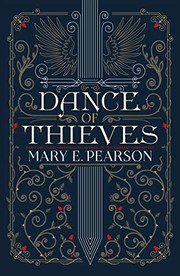
Dance of Thieves
2,005-word summary 9 min read 512 pages in the book
- First published
- 2018
- Publisher
- Henry Holt and Co.
- Pages
- 512
- ISBN
- 9781250159014
- Series
- Dance of Thieves (#1)
Reading options
What's inside (12 sections)
I picked up Dance of Thieves because Remnant fans would not stop pressing it on me. Mary E. Pearson published it in 2018 with Henry Holt Books for Young Readers. My reading follows the 512 page hardcover. Kazi, the queen's thief, infiltrates outlaw Ballenger territory to investigate, while young leader Jase plays her right back. It is enemies to lovers fantasy with double crosses layered like pastry.
The continent is rearranging after The Remnant Chronicles. A young queen rules one land and eyes the Ballengers, outlaw dynasty claiming first among nations, who govern their hellish Hinterlands by own rules. When the Ballenger patriarch dies, son Jase becomes leader with brothers and cousins watching. Nearby kingdoms bow to outlaw strength while resenting it. Into this balance walks Kazi of Brightmist, legendary former street thief turned Rahtan, the queen's premier guard, sent to investigate transgressions against new settlements.
Remnant roots without homework
The shared world with Remnant Chronicles rewards veterans through texture rather than tests. The young queen's identity, familiar court faces, and crown politics appear in asides that deepen without demanding prerequisite reading. Newcomers get one clear paragraph of who rules where, then names carry through action. That hospitality is harder than it looks and Pearson manages by trusting story over lore. Ballengers matter now. Old crowns glint behind. Enough. Readers curious can shelve Remnant next. Those content with Kazi and Jase lose nothing. Both doors stay open. Walk through either.
Wren and Synové earn final praise as more than mission furniture. Wren's steadiness balances Kazi's gambles. Synové's fire covers retreats. Their sisterhood with Kazi, forged in Rahtan training that broke weaker candidates, gives the book its necessary female ensemble beyond romance. Campfire debates about orders versus justice show soldiers thinking, not just obeying. When all three choose loyalty to people over commands from thrones, the theme lands without speeches. Sisters first. Crowns later. That priority will carry into Vow where tests harden. Foundation poured here holds.
Cat, mouse, and swapped traps
Kazi arrives undercover with two fellow Rahtan warriors, Wren and Synové, posing as travelers while scouting Ballenger crimes. Jase clocks her fast and plays along, feeding false leads while probing her mission. Their cat and mouse game, told in alternating chapters that let readers enjoy both deceptions at once, crackles with mutual competence porn. She picks locks. He reads trails. She lies fluently. He detects lies professionally. Each thinks they lead. Both follow hearts into traps set by their own orders.
What elevates the trope is equality. Kazi is not ingenue to Jase's experience. She survived streets, trained with elite guard, and carries trauma that sharpened rather than softened her. Jase is not brute to her brains. He governs fractious kin, manages trade, and reads people like weather. Their contests end in draws that cost both. A negotiation where each concedes something real. An interrogation that becomes confession. Those balanced exchanges keep romance from tilting into rescue. Partners spar. Equals bleed. Love scores tied.
The Rahtan sisters deserve emphasis as more than backup. Wren, steady and dry, and Synové, fierce and funny, run their own angles while guarding Kazi's back. Their banter lightens stakeouts. Their skills save missions. Their perspectives on loyalty versus orders complicate Kazi's choices usefully. When all three debate whether the queen's commands serve justice, the book earns political depth beyond romance. Soldiers questioning orders thoughtfully is rarer in YA than it should be. These three do it around campfires with humor intact.
Jase's burden of rule
Jase Ballenger's new leadership deserves sympathetic study as the book's heaviest crown. Thrust into patriarch's seat by death, young and grieving, he must feed towns, judge disputes, and face a queen's agents while brothers test him. His chapters show rule as endless triage between bad options. Punish thieves or feed them. Appease crown or clan. Trust the spy in his bed or sleep alone. Those dilemmas mature him faster than years would. Readers who lead anything, teams or families, will recognize the loneliness of deciding without perfect data. Crowns itch. His scratches show.
His brothers complicate rule with love and rivalry in measures that shift per scene. Teasing over meals. Challenges in councils. Backup in fights without hesitation. Those dynamics feel like real large families where affection and competition share bunk beds. Jase navigates by memory of their father's methods, adopting some and rejecting others consciously. Tradition as toolkit rather than chain. That flexibility marks him as reformer his clan needs but fears. Change threatens even when necessary. His youth helps. Old enough to command. Young enough to imagine different.
Ballengers and the dark secret
The Ballenger family works as outlaw royalty with house rules, grudges, and surprising tenderness. Jase's brothers test Kazi with pranks and threats. Elders measure her against clan law. The dead patriarch's shadow looms over every decision his son makes between tradition and change. Pearson writes clan dynamics with the same care she gave Remnant courts. Feasts. Oaths. Punishments. Those textures make the Hinterlands feel governed rather than chaotic. Outlaws with archives. Bandits with bylaws. That paradox delights.
The dark secret threatening the continent unfolds slowly through Kazi's investigation and Jase's defenses. Labor abuses in hidden mines. Children taken. Old crimes buried under new prosperity. I will keep particulars general here beyond saying both sides hid bodies and both must face them for any alliance to hold. The reveals land in the final third with proper devastation, reframing earlier skirmishes as symptoms. Neither Kazi's queen nor Jase's clan stays clean. That mutual guilt prevents the romance from resolving into one side's victory. Both kneel. Both rise.
Remnant cameos reward longtime readers without punishing newcomers. The queen's identity, familiar faces in council scenes, and politics referencing Lia's era appear as texture rather than test. New readers get complete story of Kazi and Jase. Veterans get continuity pleasure. That balance is harder than it looks and Pearson manages through careful exposition. Who rules where gets one clear paragraph early. After that, names carry. Trust it and ride.
What dances and what stumbles
What dances is banter, political braiding, and slow burn that respects plot. The 512 pages move because every romance beat doubles as intelligence exchange. A kiss costs information. A rescue reveals positions. That integration keeps the love story from pausing the fantasy. Booklist praised layers of twists. School Library Journal praised romance plus danger plus humor. Both right. The book delivers all three without shorting any. Enemies to lovers engines rarely run this clean on dual fuel.
What stumbles is middle thickness where missions circle similar ground. Infiltrate. Feast. Spar. Discover. Repeat with higher stakes. At 512 pages some sequences could trim without losing charge. The political threads about competing kingdoms tangle enough to confuse newcomers despite exposition. Keep the map handy if your edition includes one. Mine did and still required flipping. Those are costs of richness rather than failures. Abundance overwhelms by design. Feast anyway.
The prose is lush, romantic, and propulsive. Alternating first person voices differentiate well. Kazi wry and watchful. Jase grounded and wry back. Descriptions of Hinterland wilds and Ballenger halls glow without purple overload. Action blocks read clearly across rooftops and ravines. Spice stays chaste enough for fourteen and up while swooning plenty. Hand holding carries weight here that explicit scenes carry elsewhere. That restraint suits the slow burn contract with readers. Yearn now. Deliver in Vow.
Length suits the duology opener. No true bloat, though one captivity sequence extends past tension into repetition. The ending balances resolution with pull. Kazi and Jase choose each other without solving kingdoms. Vow of Thieves must finish what politics started. That handoff satisfies while teasing. Love declared. Kingdoms pending. Turn to book two directly.
Greta the tracker and side quests
Greta, Ballenger tracker with dry humor and deadly competence, deserves mention as ensemble glue who steals scenes without derailing romance. She reads trails Kazi misses, challenges Jase's assumptions with cousin bluntness, and befriends Rahtan visitors across enemy lines. Those bridges between camps model the book's larger hope that personal bonds outlast orders. Enemies who track together learn terrain both physical and moral. Greta maps both expertly. Her presence also gives Jase family counsel he actually hears, unlike elders' lectures. Cousins speak plainly where councils posture. Listen to Greta. She knows ground.
The thief road side quest through bandit territory tests the central pair under pressure that strips pretense usefully. Ambushes force cooperation that neither admits wanting. Shared watches breed confessions neither planned. Danger accelerates intimacy faster than feasts do. Pearson paces these sequences between political chapters to keep hearts engaged while kingdoms maneuver. Action as relationship lab works better than dialogue alone for guarded characters. Do things together under threat. Talk after. That order suits spies who lie professionally. Deeds precede declarations. Trust the sequence.
Vow as horizon
The duology structure shapes this volume's satisfactions and limits in ways worth naming directly. Love declares. Kingdoms pend. Dark secrets surface enough to reframe but not enough to resolve. Readers wanting complete catharsis must commit to Vow of Thieves, where sieges and weddings await. That demand frustrates standalone purists and delights series devotees. Pearson planned two books and paced accordingly, spending this one's capital on character rather than closure. Invest accordingly. Dividends pay next volume with interest compounded by attachment. The dance needs both nights. Tonight ends mid song deliberately. Hear the pause as promise.
What carries across the gap is earned attachment to people rather than curiosity about plots. Kazi's laugh. Jase's honor struggling with orders. Wren's dry asides. Those voices persist past pages in ways twists do not. Readers will return for company as much as conclusion. That is series craft at its best. Plot hooks catch. People hold. Pearson sets both with care that respects teen readers' discernment. They notice filler instantly. Here little fills. Much matters. Trust the hold into volume two. It grips back.
Ballenger law versus crown law
The legal clash between outlaw custom and queen's statute gives the book thematic spine beyond romance worth naming directly. Ballengers govern by clan codes older than crowns. The queen issues statutes for continent she barely holds. Both claim legitimacy. Neither convinces the other. Kazi embodies the collision as enforcer questioning her writ. Jase embodies resistance softening into negotiation. Their love story doubles as jurisprudence debate conducted through kisses and arrests. Which law binds free peoples. Consent or custom. The book refuses easy answer, showing both systems protecting and failing in turns. Think while swooning. Both matter.
Thief craft as character
Kazi's thieving skills do more than enable plot by revealing how she thinks under pressure. Casing rooms teaches readers her attention patterns. What she notices first. What she pockets last. Locks picked in darkness show patience that daylight diplomacy hides. Those procedures delight heist fans while building psychology action can not reach. Hands reveal minds. Her fingers remember streets her tongue denies. When she finally stops stealing for missions and starts protecting instead, the skill set transfers intact to guardianship. Same attention. Different ends. Growth measured in what hands do unobserved. Watch them closely.
Who should steal away
Give Dance of Thieves to YA fantasy readers fourteen and up who like enemies to lovers with equal partners, to Remnant fans wanting the universe extended, to romance readers who enjoy twists with kisses. It suits long weekends with maps and snacks. Do not give it to readers needing standalone closure or grimdark grit. Pair it with Vow of Thieves next for the conclusion their dance demands.
At 512 pages I read it across four sittings, marking banter pages. Kazi starts investigating outlaws for a queen and ends loving their leader while still serving justice, and Jase starts guarding territory and ends trusting a thief with its future. That swap, missions completed through hearts compromised, is why the duology opener charms past its thickness. Dance carefully. Someone leads. Someone follows. Both choose the music. Vow of Thieves finishes the song with sieges that test every promise made here under fire.
FAQ
When was Dance of Thieves published?
Henry Holt Books for Young Readers published it in August 2018. The hardcover runs 512 pages and the ISBN is 9781250159014.
Is it the first in a series?
Yes. It opens the Dance of Thieves duology in the Remnant universe, finished in Vow of Thieves.
Who are Kazi and Jase?
Kazi of Brightmist, Rahtan warrior with Wren and Synové, and Jase Ballenger with his outlaw clan.
Similar books
More from Dance of Thieves first, then related titles.

Vow of Thieves
Kazi and Jase return to Tor's Watch to find it occupied, and their marriage is tested by captivity, betrayal, and a war for the town of Hell's Mouth.
2,059-word summary · 9 min read

The Winner's Curse
An aristocratic girl buys a slave who is secretly a prince plotting rebellion.
2,124-word summary · 9 min read

The Kiss of Deception
Princess Lia flees an arranged marriage and hides in a village, unaware one stranger is a prince and the other an assassin.
2,196-word summary · 10 min read

Archenemies
Nova steals for the Anarchists while Adrian hides his Sentinel identity, and a serum that erases prodigy powers puts them both at risk.
2,485-word summary · 11 min read

The Rose & the Dagger
Shahrzad is pulled from her Caliph husband and left in a desert camp of rebels, needing to break his curse and end a war before it ends her.
2,520-word summary · 11 min read

We Hunt the Flame
In a fractured Arabia-inspired world, a disguised huntress and a prince-assassin race to find a magic-restoring book and confront an ancient evil.
2,195-word summary · 10 min read

Lore
Lore Perseous, the last of a hunted bloodline, is pulled back into the Agon when a wounded Athena offers her revenge against the god who killed her family.
2,188-word summary · 10 min read

Fable
Abandoned on a lawless island at fourteen, Fable spends four years diving for gems to buy passage off it, straight into the cutthroat trade of the Narrows.
2,320-word summary · 10 min read

These Hollow Vows
Brie trades with the Unseelie to save her sister and steals for a prince.
2,384-word summary · 11 min read
The Traitor Queen
Exiled Lara returns to free Aren and break her father hold.
2,328-word summary · 10 min read

The Iron Queen
Meghan faces the Iron King past while Ash pays a winter price.
2,548-word summary · 11 min read

A Winter's Promise
Ophelia reads objects and is sent to marry Thorn on a cold ark.
2,502-word summary · 11 min read
Daughter of the Siren Queen
Alosa hunts the last map pieces toward Isla de Canta while defying her father Kalligan, facing her brother Draxen, and choosing her loyal crew and Riden at…
2,643-word summary · 12 min read
Daughter of No Worlds
A former slave with rare magic hires exiled warrior Max to train her for a daring rescue, sparking slow burn love and wider war in this big 520-page fantasy…
2,529-word summary · 11 min read

The Iron Daughter
Exiled with Ash after the scepter theft, Meghan hunts the Iron stronghold as iron magic wakes inside her.
2,995-word summary · 13 min read
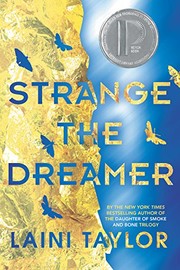
Strange the Dreamer
Orphan librarian Lazlo Strange joins a quest to the lost city of Weep, where blue-skinned godspawn haunt dreams.
2,221-word summary · 10 min read

Heartless Hunter
A witch hiding as a socialite courts a witch hunter for secrets, while he courts her back on suspicion, in this romantic fantasy opener.
2,366-word summary · 11 min read

Poison Study
Sentenced to die, Yelena becomes the Commander's poison taster and learns survival in Ixia has a daily price.
2,501-word summary · 11 min read
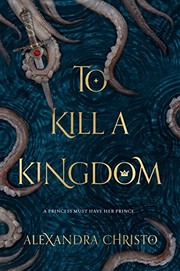
To Kill a Kingdom
A siren princess turned human must steal a siren-hunting prince's heart to win back the sea.
2,248-word summary · 10 min read

Fire
A human monster who reads minds is pulled into war in the Dells and must decide how to use her power.
2,727-word summary · 12 min read

The Iron King
Meghan Chase follows her stolen brother into the Nevernever and bargains with a Winter prince to face the Iron King.
2,720-word summary · 12 min read
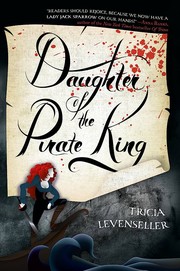
Daughter of the Pirate King
A pirate captain daughter lets herself be captured to find a map, then spars with a strict young pirate prince.
2,156-word summary · 10 min read

Finale
Sisters face waking Fates with debts due, loving princes, and choices that break immortal math.
1,995-word summary · 9 min read
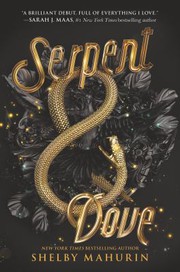
Serpent & Dove
A runaway witch is forced to marry a witch hunter in Cesarine, hiding her magic as old enemies close in.
2,962-word summary · 13 min read

City of Heavenly Fire
Clary and Jace face Sebastian's dark army while Emma and Julian's story begins in Los Angeles.
2,039-word summary · 9 min read
Graceling
Katsa, Graced with killing, breaks from her uncle's use of her and follows a kidnapped prince toward a hidden king.
2,517-word summary · 11 min read

Clockwork Princess
Tessa chooses between Jem and Will as Mortmain's clockwork army closes on the London Institute.
3,289-word summary · 15 min read

City of Glass
Clary follows Jace to Alicante in Idris where Valentine plans to use the Soul-Sword on Shadowhunters and the Clave splits under pressure.
3,645-word summary · 16 min read
City of Ashes
Clary risks the Clave trial while Valentine raises demons and Jace pulls away in New York.
4,684-word summary · 21 min read

City of Bones
City of Bones retold: Clary sees Shadowhunters, Jace and the Cup, Valentine, and the Institute attack.
2,535-word summary · 11 min read