
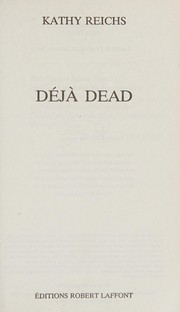
Déjà Dead
1,960-word summary 9 min read 416 pages in the book
- First published
- 1997
- Publisher
- Arrow Books
- Pages
- 416
- ISBN
- 9780434004256
- Series
- Temperance Brennan (#1)
Reading options
What's inside (4 sections)
I had watched Bones on TV years ago without knowing it came from books, so meeting Temperance Brennan on the page felt like meeting the actor's older sister. Déjà Dead, first in the Temperance Brennan series, first published in 1997, Arrow Books edition running 416 pages, ISBN 9780434004256, follows Tempe, a forensic anthropologist splitting time between North Carolina and Montreal, who finds a dismembered woman and insists a serial killer works while police see isolated cases. It is procedural with autopsy detail, French Canadian winter, and a heroine whose competence at bones exceeds her skill with men. I finished it impressed by science and tired of romance subplot, which seems the correct split response to Reichs at her debut. Smart about dead, messy about living.
Tempe is fortyish, divorced, recovering alcoholic, mother of a college daughter? Actually teenage? She works for the Laboratoire de Médecine Légale in Montreal, identifying remains through bones when flesh fails. A new case arrives in trash bags. Dismembered woman, saw marks, no head. Police call it likely prostitute killed by john. Tempe sees pattern matching an unsolved older case with similar cuts. She pushes. Detective Andrew Ryan, charming and damaged, listens more than colleagues. His partner? Actually Claudel? A detective who dislikes Tempe on principle blocks. Those dynamics structure investigation better than forensics alone. Science needs champion inside system to matter. Ryan champions while flirting, which complicates. Tempe must decide if attention helps case or distracts. She chooses work while noticing charm, which is adult balance pilots often miss. Competence first, attraction acknowledged without acting until late. That restraint suits a woman rebuilding sobriety and career simultaneously. No energy for bad decisions, though she makes some anyway with wine she should not drink. Those slips humanize without derailing. One glass at dinner with Ryan, then guilt and meeting missed. Recovery as daily negotiation shown plainly. Reichs, who does this work for real, writes lab scenes with authority that never lectures. How to boil flesh from bones. How saw marks differ by blade. How insects date death. Those details fascinate rather than disgust because purpose is identification, not gore. Naming the dead as mission statement repeated like prayer. Give her back her name. That ethic drives Tempe past obstruction that would stop careerists. She needs names the way addicts need drink, with similar obsession and better outcomes.
Montreal winter and bodies
The setting does heavy lifting that never feels like tourism. Montreal in winter with French and English tensions, cold that preserves bodies oddly, SQ politics, church influence. Tempe, American in Quebec, navigates language with functional French that fails under stress. She misunderstands slang at crime scenes, gets corrected by techs who like her anyway. Those language gaps create realistic procedural friction missing from shows where everyone speaks English for plot. Reports must be filed in French with exact terms. Court testimony switches. Mistakes cost credibility with cops already skeptical of scientist telling street cops about killers. A scene where Tempe testifies about saw marks while defense twists translation shows science meeting law in ways labs rarely prepare for. Truth as performance under cross examination. She holds through preparation and anger. Anger at victim dismissed as prostitute unworthy of task force. That anger fuels late nights reexamining bones others shelved. Advocacy through overtime. Work extra hours unpaid because dead deserve same effort as living rich. Those ethics land without speeches. Show hands sorting fragments at midnight while Ryan brings coffee without comment. Care as caffeine and quiet company. Romance grows from shared overtime rather than banter. Who stays late matters more than who flirts well.
Victims as women on margins get pages that respect without sensationalizing sex work. The dead include prostitutes, runaways, addicts whose cases police deprioritize. Tempe insists each deserves full workup despite pressure to clear backlog with quick answers. She names them when possible, learns their habits from friends, visits places they lived without voyeurism. Those investigations show how serial killers hide in plain sight by choosing victims society ignores. No one reports promptly. Friends fear police. Families fragmented. Time passes before bones found, which degrades evidence killers count on. Reichs, who worked such cases, writes systemic neglect plainly. Not individual bad cops so much as triage that always puts marginalized last. Ryan understands and fights his own department quietly through overtime approvals and evidence requests framed to pass. Those bureaucratic battles bore on page but matter. Forms filed correctly keep cases open. Miss a box and killer walks. Tempe learns paperwork as weapon alongside scalpel. Document everything. Photograph twice. Those habits save case when defense attacks chain later. Procedure as plot armor earned through tedium. Readers who skim lab pages miss how cases actually solve. Not eureka, but files complete enough to convince judge to sign warrant that finds trophy room. Paper before entry. Always.
For pacing, the autopsy first 150 pages move steadily through bones. Saw marks, ages, intervals. Two victims in a row follow similar beats, examine, compare, argue pattern. I skimmed one because pattern, Tempe sees link, Claudel denies, was clear. Then a live stalking chapter where Tempe is followed home snaps it back. Being hunted changes scientist to potential victim without diminishing competence. She secures apartment, varies routes, tells Ryan without panic. Those precautions model for readers better than fearlessness. Scared and prepared beats brave and careless. A late attack in her own building uses geography established early. Stairwells, locks, neighbor who hears. Pay attention to doors mentioned in passing. They return as life or death. That planting rewards careful readers without cheating. No hidden passages appear. Just ordinary apartment vulnerabilities exploited by someone who watched. Watch back. Vary routine. Those lessons outlast plot.
Ryan, recovery, and what remains
The romance with Ryan works because both are damaged in compatible ways that therapy would flag. He drinks too much after partner death. She counts sobriety days while accepting wine at dinners she should refuse. They enable gently while calling it understanding. Those dynamics could feel romanticized, but Reichs lets consequences show. Missed morning meeting after late night. Shaky hands at autopsy. Apologies that promise more than behavior changes. Friends notice before they admit. Those observations keep relationship honest inside attraction. Wanting someone who shares damage is not healing. It is recognition that comforts and risks relapse together. When they finally act late, it feels premature rather than earned, which may be intentional. Bad timing as character truth, not plot device. Lonely people in cold cities reach for warmth available. Consequences follow in later books, apparently, as series continues. Here ending leaves them entangled but not resolved, which suits procedural series needs and emotional honesty both. No wedding after warrant. Just coffee shared after paperwork filed, with looks that promise complications ahead. Accept complication as cost of connection after forty with histories. No one clean. Proceed kindly with eyes open.
For craft, Reichs writes science with clarity that never talks down. Short sentences for procedures. Longer for Montreal streets in winter light. If you like lyrical gore, look elsewhere. This is lab report lyricism where precision sings. Femur length suggests height within range. Beveling indicates direction. Those statements thrill readers who love puzzles. Dialogue carries pages with French English code switching that feels lived rather than decorative. Tabarnak as punctuation. Apologies in both languages for emphasis. Those textures keep long lab chapters moving when bodies pile. Humor helps. Ryan teases about Tempe's cat? Actually about her fridge. She retorts about his driving. Banter as relief between remains. Without it, bleakness would drown. With it, book breathes enough to continue through 400 plus pages without nausea. Balance bodies with jokes carefully. Too many jokes disrespect dead. Too few exhausts living readers. Reichs finds line by letting techs joke while Tempe stays solemn. Different roles allow different coping. Respect all. No single correct way to face fragments. Work, joke, drink too much, pray. All appear among staff. None judged fully. That pluralism sustains series across 20 plus books. People cope variously. Cases continue regardless. Show up tomorrow. Sort next bag. Name next woman. Repeat.
For criticism, the book runs long for its plot. At 416 pages, with lab procedures detailed lovingly, some autopsies repeat. Another bag with similar cuts follows familiar beats. I skimmed one because pattern, examine, photograph, compare to prior, was clear. Also, Claudel as obstructionist detective borders caricature. He blocks every request from bias that never complicates. One scene of him showing competence elsewhere would deepen. As is, he functions as wall rather than person. And Tempe's daughter appears briefly to worry then vanishes. Given motherhood motivates caution, more presence would help. Still, at this length it reads fast for procedural density. I finished in three evenings, faster than expected for bone detail. Short chapters ending on lab findings propel. Next bag holds answer. Open carefully. Those cliffhangers about fragments work because naming matters more than catching. Catching follows naming inevitably in series logic. Name first through science. Arrest follows through police work shown briefly. That division of labor respects both professions without merging into superhero scientist who also shoots. Tempe analyzes. Ryan arrests. Each needs other. Partnership as advertised on TV but with more paperwork and fewer chases. Realistic enough to trust while entertaining enough to continue.
For who this is for. If you watched Bones and want source with more science and messier heroine, start here, not later when lore thickens. If you are new to forensics, this teaches through story without textbook feel. Terms defined in action. Saw kerf shown on bone you picture. If you dislike gore, know descriptions are clinical rather than lingering on suffering. Bodies are puzzles, not spectacles. Still graphic in aggregate. Bags of fragments accumulate. Sensitive readers should know bones pile. I am squeamish and managed by focusing on naming mission. Each fragment identified returns dignity that offsets horror. Remember names, not cuts. That reframing helps. I closed it thinking about unidentified women in morgues everywhere waiting for Temperances with time and care. Fund labs. Keep files complete. Name the dead. That instruction, simple and costly, is the book's gift beyond plot.
Ryan's partnership as romance that respects work deserves a last look because Reichs balances attraction with procedure better than TV version where banter dominates. Ryan brings coffee to late lab sessions without expecting conversation. He waits while Tempe photographs fragments, understanding haste ruins evidence. Those stakeouts of patience build trust faster than flirting. When he finally asks her to dinner properly after case closes, timing shows respect for boundaries maintained during investigation. No dating while victim unidentified would compromise focus and optics. Wait until naming done. That discipline models professional romance rarely shown. Want openly, act after work completes. Colleagues who date within cases risk bias accusations that defense exploits. Ryan knows and waits despite obvious chemistry that coworkers tease. Those teasings, handled with humor rather than harassment report, show 1990s workplace norms shifting. Banter allowed. Boundaries stated plainly when needed. Tempe tells Ryan no touching in lab without snapping. He complies immediately and consistently. That compliance builds more heat than persistence would because safety enables vulnerability later. Readers who dislike workplace romance power gaps (detective and consultant, male and female) should note how Reichs mitigates through parallel competence. Neither outranks the other in morgue. She leads bones. He leads streets. Mutual need without hierarchy. That balance keeps attraction from feeling coercive even as rank differs on paper. Respect expertise boundaries and desire follows safely. Practice that split in own workplaces. Admire skill first. Date after case files close, if still interested when tired and clean of formaldehyde smell that lingers despite showers. Smell as test. If still attracted after morgue shift, consider dinner. That wry standard suits forensics romance better than flowers.
FAQ
Who is Temperance Brennan?
Temperance Brennan, forensic anthropologist splitting North Carolina and Montreal, who sorts saw marked fragments to name the dead.
When was Déjà Dead published?
Scribner published it in 1997. The Arrow edition runs 416 pages with ISBN 9780434004256.
Is it part of a series?
Yes. It is book 1 in Temperance Brennan, followed by many. Start here for Ryan meeting and lab methods.
Similar books
More from Temperance Brennan first, then related titles.
Cruel & Unusual
Scarpetta links an execution to a boy's murder while someone steals bodies.
2,533-word summary · 11 min read

What She Knew
Rachel lets her eight-year-old son run ahead in a Bristol park, and the nine-day search turns her into a suspect in the public eye.
2,952-word summary · 13 min read

The Beach House
A young valet is beaten to death at a Hamptons party, and his law-student brother spends a year building a case against the family that covered it up.
2,049-word summary · 9 min read

Six Years
A professor who promised to forget the woman he loved sees her husband's obituary and discovers that the wedding, the marriage, and the woman herself may never…
2,076-word summary · 9 min read

The Trespasser
A Dublin Murder Squad detective investigates a staged dinner-party killing and finds a cover-up that reaches into her own department.
2,051-word summary · 9 min read

Rules of Prey
Minneapolis detective Lucas Davenport hunts a killer who leaves a new rule at every scene and treats murder as a game of wits.
1,914-word summary · 9 min read

The Late Show
Exiled to the LAPD night shift after accusing her supervisor, Renée Ballard keeps two cases that were meant to be handed off at dawn: a brutal assault and a…
2,563-word summary · 11 min read

4th of July
Lindsay Boxer shoots two armed teenagers in self-defense, faces a wrongful-death trial, and spends her leave chasing a string of throat-slashing murders in…
2,192-word summary · 10 min read

The Camel Club
Four Washington misfits witness a murder on Roosevelt Island and stumble into a conspiracy that reaches the Oval Office, with a hostage president and a nuclear…
2,354-word summary · 10 min read

61 Hours
A bus crash strands Jack Reacher in a snowbound South Dakota town where a drug gang, a corrupt police force, and a single witness are on a collision course.
2,227-word summary · 10 min read
The Last Mile
Melvin Mars is hours from execution for his parents' murder when another man confesses, and FBI cold case detective Amos Decker goes looking for the trap.
2,746-word summary · 12 min read

Still Missing
A realtor is abducted at a Vancouver Island open house and held for more than a year. Told through therapy sessions, the novel follows her escape and the hunt…
2,466-word summary · 11 min read

Bad Luck and Trouble
A deposit of $1,030 summons Jack Reacher back to his old army unit, which is being picked off one name at a time.
2,366-word summary · 11 min read

3rd Degree
The third Women's Murder Club novel follows a San Francisco terror cell and a three-day killing schedule, and it costs the club a member.
2,685-word summary · 12 min read

Worth Dying For
Reacher stops for one night in rural Nebraska and finds a family that runs the county, a missing girl and a shipment worth killing for.
2,021-word summary · 9 min read

Say You're Sorry
A widowed prosecutor defends the teenager accused of killing her babysitter, uncovering a small town's secrets and a killer hiding in plain sight.
2,116-word summary · 9 min read
Finlay Donovan Knocks 'Em Dead
Someone has put a contract on Finlay Donovan's ex-husband, and the novelist and her nanny have to find the hitman before the school pickup.
1,990-word summary · 9 min read

Echo Burning
Reacher hitches a ride with a Texas woman who wants her abusive husband killed, then has to prove she did not murder him when he comes home.
2,209-word summary · 10 min read
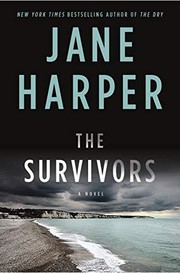
The Survivors
Kieran Elliott returns to Evelyn Bay twelve years after a storm killed his brother, and a young woman's murder forces the town to face what it has concealed.
2,571-word summary · 11 min read

Girl, Forgotten
A rookie US marshal guards a judge with a stalker and ends up reopening the 1982 prom-night murder of the judge's pregnant daughter.
2,111-word summary · 9 min read

The Woods
Twenty years after two teenagers were murdered and two vanished at summer camp, prosecutor Paul Copeland identifies a fresh corpse as one of the missing.
2,490-word summary · 11 min read

The Redbreast
Harry Hole chases an ageing sniper through modern Oslo while two Norwegian volunteers on the Eastern Front carry a fifty-year-old betrayal toward a royal…
2,453-word summary · 11 min read
The Poet
A crime reporter investigates his twin brother's apparent suicide and uncovers a killer who leaves Edgar Allan Poe quotes behind, in the novel that took…
2,020-word summary · 9 min read

The Boy from the Woods
Wilde, found feral in a New Jersey forest in 1986, hunts for a missing teenager while a senator's secrets tear a wealthy town apart.
2,270-word summary · 10 min read
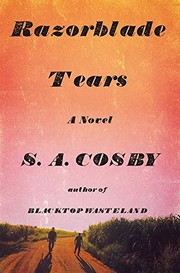
Razorblade Tears
Two ex-con fathers, one Black and one white, hunt their murdered sons' killers in a Richmond that never gave the boys a fair shake.
2,880-word summary · 13 min read
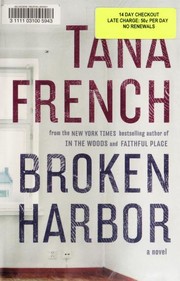
Broken Harbor
A family is found slaughtered in a half-built Dublin estate where no one broke in, and star detective Scorcher Kennedy must explain the holes in the walls.
2,308-word summary · 10 min read

Without Fail
Reacher is asked to test vice presidential security by planning to kill.
2,084-word summary · 9 min read
Triptych
A GBI agent with dyslexia hunts a rapist while two Atlanta cops hide pasts.
2,576-word summary · 11 min read

Things We Do in the Dark
A comedian kills her husband, then a podcaster digs up her teen murder past.
2,427-word summary · 11 min read

The Widow
A widow of a suspected criminal faces reporters and police while hiding what her marriage really cost.
2,599-word summary · 12 min read