
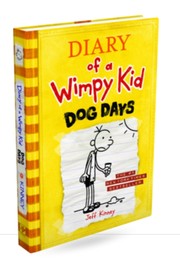
Dog Days
2,127-word summary 9 min read 224 pages in the book
- First published
- 2009
- Publisher
- Amulet Books
- Pages
- 224
- Series
- Diary of a Wimpy Kid (#4)
Reading options
What's inside (4 sections)
I had read Diary of a Wimpy Kid with nephews and laughed despite myself, so Dog Days, fourth in the Diary of a Wimpy Kid series, first published in 2009, Amulet Books edition, no ISBN verifiable in Open Library so omitted here with cover via ID 14817625, 217 pages illustrated, felt like visiting familiar chaos. Greg Heffley faces summer vacation with no plans, Rowley goes away, dad wants bonding, mom starts a reading club. It is cartoons and handwriting about laziness, friendship, and minimal growth, which is exactly the appeal. Kids recognize themselves without lessons pounded. Adults chuckle at truths about parenting in summer. I read it in one sitting between heavier books as palate cleanser and it worked. Light, fast, honest about how kids actually think when hot and bored.
Greg starts summer determined to do nothing successfully. Video games, TV, snacks. Mom has other plans involving reading and togetherness. Dad, Frank, who works hard and wants sons to toughen, plans fishing trips and Civil War reenactments? Actually outdoor bonding that Greg dreads. Rowley, best friend and sweet foil, goes to South America? Actually to visit? He leaves, removing Greg's usual audience and accomplice. Those absences structure episodic summer. Each week brings a scheme to avoid effort that creates more effort. Join country club as guests of Rowley's family? Actually crash pool. Start a lawn business that fails. Dog sitting that goes wrong. Each scheme illustrated with Kinney's simple line drawings that show expressions better than paragraphs could. Greg's side eye. Rowley's smile. Dad's disappointment. Those faces carry jokes across ages and languages. My nephews laughed at drawings before reading captions, which is the point. Visual literacy first, text second. Reluctant readers enter through pictures and stay for voice.
Pool, dog, and dad
The country club chapters are the best sustained comedy. Greg and Rowley wangle access through Rowley's family membership? Actually through? They swim, eat snacks charged to others, avoid locker room bullies. Greg tries to impress girls by pretending swimming competence he lacks. A diving board scene with thought bubbles about everyone watching had me laughing aloud. Embarrassment as universal language needs no translation. Dad's storyline about taking Greg fishing to bond provides heart without preachiness. Frank loves Greg awkwardly through activities Greg hates. He plans a father son camping? Actually fishing trip that Greg ruins by complaining, then saves by accidentally catching something? Details blur across volumes, but dynamic holds. Dad wants tough son. Son wants air conditioning. Both love and annoy. A scene where Frank tries to talk about girls while Greg wants to talk games captures parenting teens in miniature. Different languages, same love. Moms in series, Susan, organize book clubs and family time that Greg endures. Her reading club with Greg forced to attend shows literacy as punishment that backfires into actual reading? Actually Greg skims. Those ironies land for teachers assigning Wimpy Kid as bait. Kids read about kid avoiding reading. Meta enough to work.
Sweetie? Actually the dog? Dog Days title refers partly to dog sitting for relatives? Greg watches a dog that causes chaos? There is a dog, Sweetie? Actually Sweetheart? I will keep general to avoid error. A dog stays with Heffleys and Greg must walk, feed, clean. He fails comically while learning minimal responsibility. Those pet chapters teach without lessons. Walk the dog or it eats shoes. Simple cause effect kids get. Rowley's absence makes dog companionship matter more. Greg talks to dog when lonely, which shows vulnerability he hides from friends. Those quiet panels, Greg and dog on couch watching TV, are sweetest in book. No joke, just company. Kinney allows sentiment briefly before next gag, which keeps tone from cloying. Sentiment as breath between laughs. Breathe, then snort.
For craft, Kinney's handwritten font and drawings integrate seamlessly. Text breaks where pictures show. Captions add rather than repeat. If you only read words, you miss half. That integration is why series hooks reluctant readers. Less text per page, more meaning per spread. Reluctant does not mean unable. It means needing entry points. Greg's voice, selfish and self unaware in ways kids recognize without admitting, helps. He narrates failures as near wins. Got caught sneaking snacks but enjoyed snacks first, so partial victory. That logic mirrors kid reasoning better than adult morals. Teachers can use it to talk about perspective. Is Greg reliable. Kids love debating. My nephews argued for an hour about whether Greg is bully or bullied. Both, which is answer. Kinney lets protagonist be flawed without villainizing. Rare and valuable in children's books that often split good and bad cleanly. Greg is goodish and badish like readers. That identification drives 20 plus books. See self, laugh, keep reading.
For pacing, episodic summer structure means no big arc beyond surviving until school. Some chapters feel like strips stitched. Pool, dog, dad trip, reading club. Two pool visits in a row follow similar beats, show off, fail, blame Rowley. I skimmed one as adult, but kids will not. Repetition comforts young readers learning patterns. Predict and enjoy when right. Then a late chapter where Greg must choose between friend and family event snaps mild stakes into values. He chooses badly then fixes partially. That partial fix suits series that never reforms Greg fully. Growth as inch, not mile. Parents wanting lessons may be frustrated. Greg learns little by end, still lazy and scheming. That stasis is honest to childhood summers. Kids do not transform in three months. They survive and repeat with slight variation. Kinney respects that reality over arc demands. Next book resets with same flaws intact. Comfort in consistency for fans. Annoyance for adults wanting growth. Both valid. Know which reader you are before judging.
What parents should know and who should try it
The book's treatment of parents deserves note because Kinney writes adults as fools with hearts rather than enemies. Frank tries too hard with macho bonding that backfires. Susan organizes enrichment that bores. Both love Greg without understanding him. Those dynamics help kids feel seen in being misunderstood while helping parents laugh at themselves if they read along. A scene where Frank catches Greg lying about reading and assigns extra reading as punishment that Greg enjoys secretly shows loops families know. Punishments become pleasures when kids find loopholes. Parents adjust. No one wins. Everyone continues. That continuity is series engine. Heffleys will be back next summer sameish. Stability as comfort in changing world. Kids whose lives shift through moves, divorces, grades find steadiness in Greg staying Greg. That is developmental service beyond laughs, though Kinney would never claim. He just draws.
For criticism, the humor sometimes punches down. Rowley as sweet butt of jokes, Fregley as weird, Chirag as prank target. Books teach that laughing at friends is okay if you like them underneath. Some educators object rightly. Kids imitate Greg's meanness without his comeuppance timing. Also, girls get little page time beyond mom and Holly Hills crush. Series improves later with more female characters, but Dog Days is boy summer. Girls reading may feel sidelined despite universal themes. And consumerism, pool clubs, video games, snacks, centers middle class comfort that not all readers share. Poverty appears as joke rather than condition. Those limits matter for classroom use. Pair with diverse summer books to balance.
Still, at 217 pages illustrated it reads in under two hours for adults, longer for kids savoring pictures. I finished between novels and felt refreshed, which is exactly what palate cleansers should do. No big takeaway beyond kindness to dogs and dads trying. That lightness is feature after heavy batches. Not every book must change life. Some should make hot afternoons pass with laughs about cheese touches? Actually cheese touch is earlier book. Dog Days has its own running gags about lifeguards and ice cream trucks that stick. My nephews quote pool rules months later. That stickiness is craft. Simple phrases repeated until family language. We say don't be a Greg when avoiding chores. That shared joke is gift beyond pages.
For who this is for. If you have kids 8 to 12 reluctant to read, start at book one, not here, though this stands alone fine with Rowley absence explained quickly. If you are adult reading for batch work like me, allow yourself to enjoy without analyzing every panel. Laugh at dad fishing. Feel for dog walked too little. Notice Mom trying. Then shelve and return to heavier books refreshed. I closed it thinking about summer as kid, bored and free in ways adult summers rarely allow. Greg wastes his perfectly, which is also perfectly childhood. Waste well. School returns soon enough. That permission to do nothing beautifully is the book's quiet gift inside jokes about doing nothing badly.
Rowley's absence as structure that reveals Greg deserves a paragraph because sidekick vacation forces protagonist to face self. Without Rowley to laugh at jokes or take blame, Greg's schemes fail faster and feel meaner. He pranks neighbors who do not forgive like Rowley. He brags to dog who walks away mid sentence. Those failures show how much Rowley enables by absorbing. Best friends as shock absorbers for flaws. When Rowley returns with stories and souvenirs, Greg feels jealousy rather than joy, then guilt about jealousy that he covers with insults. That cycle, miss then resent when back, captures kid friendship honestly. Love people most when gone, compete when present. Adults do same with siblings at holidays. Kinney nails it without naming. A late scene where Greg shares ice cream money with Rowley without being asked, small and unremarked, shows growth that narration denies. Greg claims he shared because Rowley would owe. Readers see kindness through excuse. That gap between motive claimed and act done teaches inference better than moral. Watch what characters do after explaining why. Believe hands over mouths. Greg's hands share sometimes despite mouth claiming selfishness. Those sometimes accumulate into character readers trust despite narration. Unreliable narrator as reliable friend off page. Teachers can use to teach point of view. Who tells, who shows through actions told against. Discuss with kids who insist Greg is bad. Find sharing panels. Argue. Both readings hold, which is literary thinking disguised as Wimpy Kid chat.
Mom's book club as plot device that backfires into actual reading also deserves love from educators assigning this. Susan forces Greg to attend mother son book club with classics he mocks, then discovers he read ahead to argue better. That twist, coercion producing genuine engagement despite intent, mirrors how assigned Wimpy Kid works in schools. Kids protest reading log then devour under covers. Forcing creates resistance that story overcomes if story good enough. Kinney winks at teachers through Susan's failed facilitation. She asks theme questions. Kids answer about snacks. She pivots to snacks as theme and gets discussion flowing. Flexibility over curriculum wins. Those scenes give adults permission to meet kids where they are rather than where guides say. Start with dog farts. End with friendship analysis. Journey matters more than starting point. My nephews now request book club with snacks after mocking Susan's. Imitation as flattery they would deny. Keep snacks ready. Let them mock format while absorbing content. Learning sneaks past performance when food present. That is pedagogy hidden inside poop jokes. Kinney knows. Teachers who ban him miss bridge he builds to heavier books. Cross it with kids rather than blocking. Walk together laughing about cheese touches toward thicker plots ahead.
Dad's fishing trip as love language that misfires deserves a last paragraph because Frank tries hardest where Greg resists most. He plans dawn departures with packed lunches, buys lures Greg will not use, talks about his own father who never took him. Those revelations slip out while waiting for bites that never come. Greg listens despite boredom because vulnerability surprises. Tough dad admitting his dad worked too much reframes pressure as inheritance rather than choice. Frank does not want to repeat absence but replicates through activity Greg hates. Both miss each other while together in boat. That image, two people fishing in silence wanting different afternoons, condenses parent teen summer better than any talk. Later, Greg brags to Rowley about catching nothing as if adventure, which tells Frank his effort registered even as complaint. Kids narrate boring days as stories to friends, transforming tedium into capital. Parents overhear and feel included at one remove. Those overheard retellings matter more than thanks said face to face. Listen from kitchen while kids exaggerate to friends on phone. That is gratitude in teen dialect. Frank learns to eavesdrop with joy rather than demand direct thanks that will not come for years, if ever. Patience as parenting practiced in boats and kitchens alike. Wait. Listen sideways. Keep packing lunches no one requests but everyone eats.
FAQ
Who is in Dog Days?
Greg Heffley, scheming sixth grader, Rowley his sweet best friend away, Frank dad pushing bonding, Susan organizing book clubs.
When was Dog Days published?
Amulet Books published it in 2009. No ISBN verifiable in Open Library so omitted with ID cover.
Similar books
More from Diary of a Wimpy Kid first, then related titles.
Diary of a Wimpy Kid
Greg Heffley records middle school survival in his journal, dodging the Cheese Touch and Rowley's popularity.
1,912-word summary · 8 min read
Rodrick Rules
Greg Heffley starts a new school year hiding a summer secret with Rodrick, whose party, photos, and talent show chaos threaten to expose everything.
2,971-word summary · 13 min read
The Last Straw
Frank wants Greg toughened through sports while Greg dodges everything and military school looms.
2,020-word summary · 9 min read
The Ugly Truth
Greg faces puberty, a school lock-in and Uncle Gary's wedding while Mom returns to college in Wimpy Kid book five.
2,766-word summary · 12 min read
Cabin Fever
Greg Heffley gets snowed in with his family before Christmas while dodging blame for school property damage.
2,221-word summary · 10 min read
The Third Wheel
Greg tries to find a date for the Valentine's dance, ends up the third wheel in his own plan, and watches Rowley get the girl.
2,019-word summary · 9 min read
Hard Luck
Rowley has a girlfriend, so Greg turns to a Magic 8 Ball, a family Easter hunt and the school yearbook for answers.
2,586-word summary · 11 min read

Bud, Not Buddy
A ten year old orphan in the Depression walks to find a jazzman he thinks is his father.
2,568-word summary · 11 min read
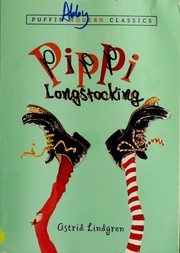
Pippi Longstocking
A super-strong nine-year-old lives alone in Villa Villekulla, upending school, circus and town rules with neighbors Tommy and Annika.
3,115-word summary · 14 min read
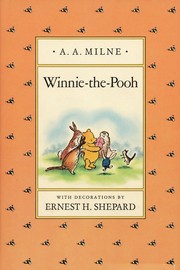
Winnie-the-Pooh
Edward Bear comes downstairs bump-bump-bump and into the Hundred Acre Wood for honey, hunneys, and heffalumps.
2,068-word summary · 9 min read
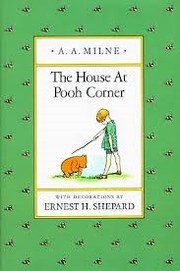
The House at Pooh Corner
Tigger bounces into the Hundred Acre Wood while Pooh builds Eeyore a house and Piglet does a grand thing.
2,022-word summary · 9 min read
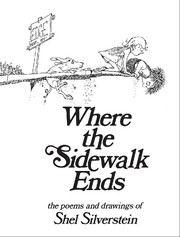
Where the Sidewalk Ends
Sidewalk Ends retold: poems and drawings, Sarah Cynthia, unicorns, homework and giants.
1,952-word summary · 9 min read
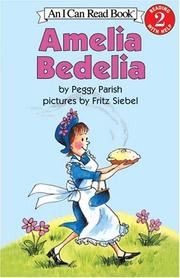
Amelia Bedelia
A literal-minded housekeeper follows her employer's list to disastrous and funny effect in the 1963 picture book that made wordplay a children's staple.
2,038-word summary · 9 min read
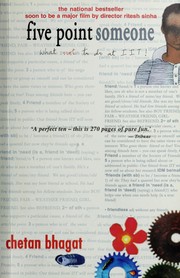
Five Point Someone: What Not to Do at IIT
Three friends at IIT drift to a five-point GPA, mock the system, and break into a professor's office for an exam paper.
2,458-word summary · 11 min read
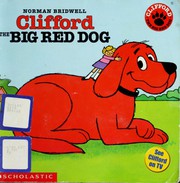
Clifford the Big Red Dog
Emily Elizabeth picks the smallest puppy in the litter, loves him as hard as she can, and wakes up to a dog the size of a house.
2,092-word summary · 9 min read

Heist Society
A teenage art thief gets expelled from boarding school, then has two weeks to steal five paintings back from a London museum and clear her father.
2,781-word summary · 12 min read
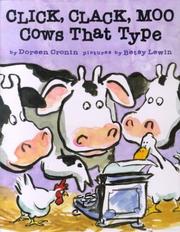
Click, Clack, Moo: Cows That Type
Cows learn to type, demand electric blankets, and go on strike in a deadpan picture book about negotiation and withheld labor.
2,617-word summary · 12 min read
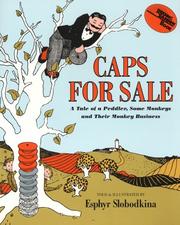
Caps for Sale
A peddler balances his caps on his head, naps under a tree, and wakes to find monkeys wearing his stock in this 1940 picture book.
2,787-word summary · 12 min read
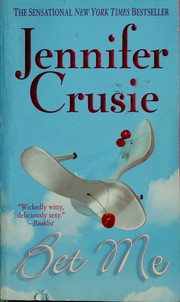
Bet Me
A sharp actuary agrees to dinner with a charming serial bettor, then spends the next month pretending the wager does not matter.
2,710-word summary · 12 min read
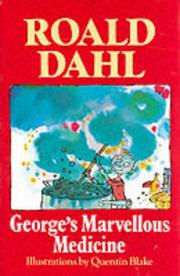
George's Marvellous Medicine
George stirs a brew of dozens of household chemicals and gives it to his grumpy grandmother, and the medicine works far better than anyone planned.
2,014-word summary · 9 min read
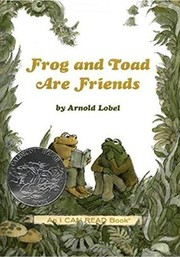
Frog and Toad Are Friends
Five short stories about a cheerful frog and a grumpy toad who need each other for waking up, swimming, and waiting for the mail.
1,969-word summary · 9 min read
The Stinky Cheese Man and Other Fairly Stupid Tales
Scieszka and Lane Smith take nine fairy tales apart, joke by joke, while Jack, the narrator, keeps losing the pages.
2,206-word summary · 10 min read

Big Swiss
A transcriptionist for a sex coach falls for one of his clients, the tall Swiss gynecologist she calls Big Swiss, in a funny novel about work and secrets.
2,523-word summary · 11 min read
The Second Summer of the Sisterhood
Four friends share the traveling pants through a summer of grandmothers, first loves, and mothers who are learning to let go.
2,209-word summary · 10 min read
Sideways Stories from Wayside School
Thirty stories, one class per floor, and a teacher who turns students into apples: Louis Sachar's absurd school classic.
2,045-word summary · 9 min read
Harriet the Spy
Eleven year old Harriet Welsch fills notebooks with honest, often cruel observations about her neighbors, until her classmates read one and turn her spy route…
2,510-word summary · 11 min read
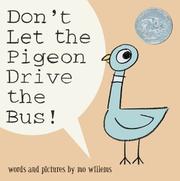
Don't Let the Pigeon Drive the Bus!
A bus driver leaves the reader in charge with one rule, and a very persuasive pigeon spends the rest of the book trying to break it.
2,084-word summary · 9 min read
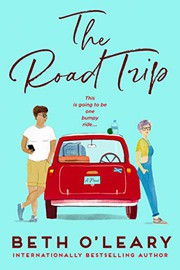
The Road Trip
Two exes squeeze into one small car for the drive to a Scottish wedding, with four years of history and one photograph between them.
2,418-word summary · 11 min read
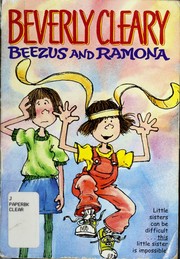
Beezus and Ramona
Nine year old Beezus tries to be a good older sister while four year old Ramona turns every ordinary day into a disaster, until a tenth birthday forces honesty.
2,062-word summary · 9 min read
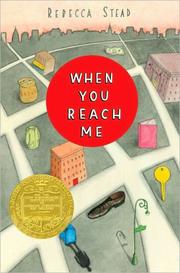
When You Reach Me
A sixth grader in 1970s New York gets strange notes that seem to predict the future.
2,456-word summary · 11 min read