
Reading options
What's inside (10 sections)
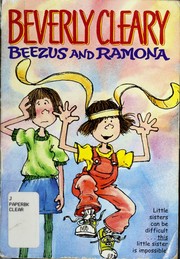
Some books survive childhood because of nostalgia and some survive because they are actually good, and Beezus and Ramona is the second kind. I read it aloud recently to a nine year old and a five year old, which is the exact age spread of its heroines, and the book did something I did not expect. The nine year old laughed at Ramona and then went quiet when Beezus admitted she did not always like her sister. That quiet is the whole point of the book, and Beverly Cleary found it in 1955.
The date matters. Postwar children's fiction liked to improve children with patient adults, and here was a book where the adults are mostly tired, the children work everything out on their own, and the ending does not promise that anyone will behave better next week. It was also not the start of the Quimby family in print. Ramona had shown up as a toddler in Henry Huggins in 1950, Beezus had been a major presence in Henry and Beezus in 1952, and neither book belonged to her. This novel is where Cleary finally hands the sensible sister the pen and asks the question the side character has been raising all along: what is it actually like to live next to a force of nature?
It is a short novel, six chapters, each one a self contained domestic disaster, and it is the only book in the Ramona series told from Beezus's point of view. That choice is what makes it endure. Ramona gets eight books of her own. This one belongs to the sister who has to live with her, and it takes her side without ever making the little one a villain.
The Quimbys of Klickitat Street
Beatrice Quimby, called Beezus because her little sister could not manage Beatrice, is nine going on ten. She is responsible, literal, and deeply invested in being a good older sister, which is a job description she gave herself because everyone else approved of it. Ramona is four. She is not wicked. She is a force: imaginative, loud, immune to consequence, and utterly convinced that her version of the world is the correct one. Their parents are ordinary and tired and fair, the kind of parents who appear in Cleary's books and nowhere else in children's literature of the era, and the family lives on Klickitat Street in Portland, Oregon, in the neighborhood Cleary first built for Henry Huggins.
Henry and his dog Ribsy wander through this book as neighbors, which gives the story a pleasant shared world feel. But the pressure of the story is entirely indoors. Beezus has a library book to finish, a painting class she loves, and a birthday approaching, and Ramona has plans for all three.
The episodes
The chapters are small masterpieces of escalation. In the first, Ramona makes herself a set of paper rabbit ears and refuses to answer to anything but Easter Bunny, which is charming for about ten minutes and then becomes a crisis when Beezus needs her to be a person. In another, Ramona drags a piece of string behind her through the house, walking an imaginary lizard named Ralph, which sounds adorable until Beezus has to answer for it. There is the picture book about Scoopy, the steam shovel, which Ramona demands be read until the adults in the house begin to crack, and there is the library book Ramona scribbles in, which is a genuine crime in Beezus's moral universe and treated that way.
The chapter I remembered best before rereading held up. Beezus goes to her painting class, where she is actually good at something for once, and Ramona tags along and wrecks the session. It is not malice. It is a four year old deciding the whole room should be about her, and Cleary lets the reader feel the specific humiliation of a child who behaves well watching a child who does not get away with everything. Later, Ramona lets Ribsy, Henry's dog, lock himself in the bathroom, and Beezus has to manage the fallout while Ramona explains her innocence. By the time Ramona eats half the family's apples during a babysitting afternoon and invites her own friends to a house party without asking, Beezus has reached the end of her patience, and the reader has too, and that is the design.
Why Ramona is not the villain
The book's neatest trick is that Ramona never deserves the word pest even while the word is true. Every disaster she causes is the product of a four year old's logic working exactly as designed. The rabbit ears are pretend play pushed one step past everyone's tolerance. The scribbled library book is a child deciding a picture needed improving. The rubber doll in the cake is a helper helping. Cleary never gives Ramona a mean motive, which means the frustration the reader shares with Beezus has no villain to land on, and Beezus slowly understands that the target of her anger is not her sister. It is the situation, and the situation is just what having a little sister is.
That refusal is why the book has outlived most of its era. If Ramona were simply bad, Beezus would be right and the story would end at chapter one. If Ramona were simply misunderstood, Beezus would be the problem and the story would be a lecture. Cleary keeps both characters correct within their own frames and lets nine year old morality do the difficult work of holding two true things at once, which is a skill readers this age are just developing and almost never get credit for.
The birthday
The book's emotional spine is Beezus's tenth birthday. She wants it to be dignified. Ramona wants it to be spectacular, and to help, which produces two ruined cakes. The reading guide for the novel mentions the detail that everyone remembers, which is Ramona baking a rubber doll into one of the cakes. The party becomes precisely the disaster Beezus feared, and her composure, which she has been maintaining for six chapters, finally breaks. She says the thing she has been afraid to say, which is that she does not like her sister. The confession is to her mother, and it comes out as a shameful admission rather than an accusation.
The mother's response is the hinge the whole book turns on, and it is easy to miss because it is quiet. She does not scold, does not reassure, does not tell Beezus to be more patient. She treats the confession as information instead of sin, which was a radical parenting move for 1955 and remains unusual in children's fiction, where adults exist mainly to correct the protagonist. Cleary's parents in this series are on the children's side without being on their level. They are tired and fallible and occasionally distracted by money, which in later books becomes the family's defining crisis, and they never pretend to know everything. Beezus is allowed to have an ugly feeling in front of her mother and live, and that permission is the book's real gift to its reader.
Aunt Beatrice
The rescue comes from family history. Beezus's glamorous aunt, also named Beatrice, whom Beezus adores, tells her about growing up with her own younger sister, who is Beezus's mother. The two of them fought constantly. The difficult one, the pest, the one who ruined plans, was not who Beezus assumed. The parallel is not subtle, and it does not need to be, because it works on the reader at exactly the age the reader needs it. Sisters can be impossible. They can also grow into the person you call first. Beezus arrives at the book's final idea, which is that she can love Ramona without liking her all the time, and that this is normal rather than shameful.
Aunt Beatrice is also the book's quiet argument about mothers. The glamorous aunt is generous, childless by choice at this point in the series, and knows exactly which story to tell and when to stop telling it. Beezus is named after her, an inheritance she is just old enough to be proud of, and the naming gives the two Beatrices a private channel the rest of the family does not share. Note what Cleary does not do: the aunt never calls Ramona difficult, never takes Beezus's side against the child, and never claims that the problem will disappear. She just supplies a precedent. Beezus needed proof that someone else survived her exact situation, and the story from her mother's own childhood is the only evidence that could possibly count.
That idea was radical for a children's book in 1955 and is still doing quiet work in 2026. Most stories for young readers resolve sibling conflict by making the difficult child suddenly easy or the irritated child suddenly patient. Cleary refuses both. Ramona stays Ramona. Beezus gets understanding instead of a personality transplant, which is what that age actually provides.
Why it still works
The prose is plain in the best way. Cleary writes sentences a seven year old can read and a forty year old can admire for efficiency, and her humor is observational rather than jokey, so it does not rot. The domestic texture of the 1950s reads now as gentle period detail, mothers at home, kids walking to school, a father with dinner at six, which prompts its own conversations if you are reading aloud. The episodes are nearly independent, which makes the book a good bridge for readers moving from picture books to chapter books, and a forgiving read-aloud if you only have fifteen minutes a night.
The book was praised on publication by reviewers who did not have a word for what Cleary was doing. Kirkus called her wit accurate and irresistible. The Horn Book review said it was very funny and noted its perceptive handling of family relationships, which the reviewer called rare in easily read books. Sixty years later, that is still the exact gap Cleary fills. It is easy to read all of it and rare to find a book that is honest while being this light.
The series and its legacy
Beezus and Ramona is the first of eight Ramona books by publication order, though there is a wrinkle worth knowing: chronologically, Ramona is four in this one and five in Ramona the Pest, so some reading-order lists place it differently than the series numbers do. The later books won two Newbery Honors, for Ramona and Her Father and Ramona Quimby, Age 8, and a National Book Award for Ramona and Her Mother. The characters came to screen twice, as a 1988 television series with Sarah Polley as Ramona, and in the 2010 film Ramona and Beezus, which draws most of its plot from Ramona Forever rather than this one. Beverly Cleary herself won the Newbery Medal for Dear Mr. Henshaw and lived to be 104, which means several generations of readers had the same author at the same ages, a kind of continuity the internet has made rarer.
Who it is for
Read it aloud to five to eight year olds, give it to seven to nine year olds to read alone, and hand it to anyone who has recently acquired a second child in the house. It also works as a first chapter book for a strong early reader, since the vocabulary is manageable and the chapters are short. There is no violence, no profanity, and no peril beyond a locked bathroom and two murdered cakes. The only content worth flagging is the emotional honesty itself, which may produce uncomfortable questions about whether everyone secretly dislikes their sibling sometimes. The answer the book gives is yes, and it is fine, and you can still be the family that shows up to the birthday party with rabbit ears on your head.
If you are the one reading it aloud, budget time for interruptions, because the questions will come and they are the point of the exercise. The children in my house wanted to know whether Beezus was right and whether Ramona would ever be told, and the honest answers are yes and eventually. The book has been answering those questions since 1955 and has not needed an update yet, which is the highest compliment a children's book can receive.
FAQ
Was Beezus and Ramona the first Ramona book?
Yes. It was published in 1955 and is the first of eight Ramona books, and the only one narrated from Beezus's point of view.
What age is Beezus and Ramona for?
It is generally recommended for ages eight to twelve, and it also works well as a read-aloud for five to eight year olds.
How many chapters does Beezus and Ramona have?
Six, each built around one episode of sibling chaos, which makes the book easy to read aloud in short sessions.
Similar books
More from Ramona first, then related titles.
Hard Luck
Rowley has a girlfriend, so Greg turns to a Magic 8 Ball, a family Easter hunt and the school yearbook for answers.
2,586-word summary · 11 min read
Tales of a Fourth Grade Nothing
Nine-year-old Peter Hatcher tries to get through fourth grade while his toddler brother Fudge steals every scene.
2,469-word summary · 11 min read
George's Marvellous Medicine
George stirs a brew of dozens of household chemicals and gives it to his grumpy grandmother, and the medicine works far better than anyone planned.
2,014-word summary · 9 min read
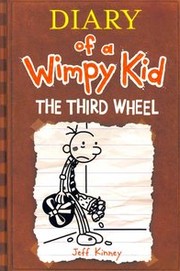
The Third Wheel
Greg tries to find a date for the Valentine's dance, ends up the third wheel in his own plan, and watches Rowley get the girl.
2,019-word summary · 9 min read
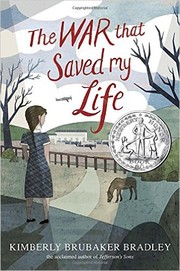
The War That Saved My Life
Ten-year-old Ada has never left her London flat, hidden away because of her clubfoot. Wartime evacuation sends her to Kent, where a reluctant guardian and a…
2,252-word summary · 10 min read
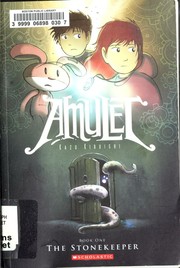
The Stonekeeper
After their father's death, Emily and Navin chase a monster into a hidden world to save their mother, and Emily's great-grandfather's amulet offers power at a…
2,753-word summary · 12 min read
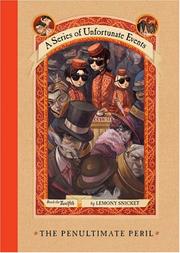
The Penultimate Peril
Baudelaires as concierges in a hotel sort friends from foes before the end.
2,234-word summary · 10 min read
The End
Baudelaires wash on an island where others decide what safe means.
2,320-word summary · 10 min read
Tales from a Not-So-Fabulous Life
Nikki starts private school and writes mean-girl survival in her diary.
2,587-word summary · 11 min read
Hoot
Roy tracks a shoeless boy to save burrowing owls from a pancake house.
2,290-word summary · 10 min read

Esperanza Rising
Esperanza trades ranch life for farm labor camps in California.
2,338-word summary · 10 min read
Bud, Not Buddy
A ten year old orphan in the Depression walks to find a jazzman he thinks is his father.
2,568-word summary · 11 min read
Frindle
Nick Allen calls a pen frindle, defies Mrs. Granger and a school ban, and watches the joke grow into news, trademarks, and a dictionary entry.
2,405-word summary · 11 min read
Flipped
Juli Baker and Bryce Loski retell second grade to eighth grade from opposite sides, through a sycamore sit, trashed eggs, a yard fix-up, and one tense family…
2,689-word summary · 12 min read
The Carnivorous Carnival
Baudelaires hide as carnival freaks to find V.F.D. clues, facing lions, Olaf, and a fateful cliff split.
2,027-word summary · 9 min read
Cabin Fever
Greg Heffley gets snowed in with his family before Christmas while dodging blame for school property damage.
2,221-word summary · 10 min read
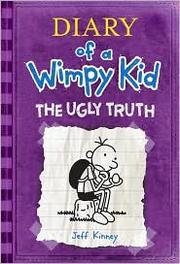
The Ugly Truth
Greg faces puberty, a school lock-in and Uncle Gary's wedding while Mom returns to college in Wimpy Kid book five.
2,766-word summary · 12 min read
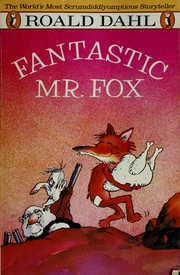
Fantastic Mr. Fox
Mr. Fox raids three cruel farmers to feed his family, then outdigs tractors and a siege to host a feast underground.
2,910-word summary · 13 min read
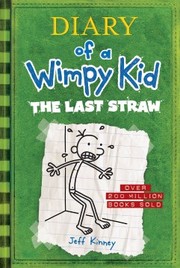
The Last Straw
Frank wants Greg toughened through sports while Greg dodges everything and military school looms.
2,020-word summary · 9 min read
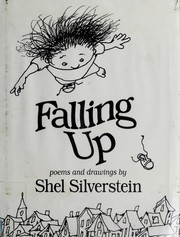
Falling Up
Poems about falling up, messes that win and tender goodbyes in between.
2,055-word summary · 9 min read
The Miserable Mill
Sent to work at the Lucky Smells Lumbermill, the Baudelaires face harsh labor, strange hypnotism, and a familiar villain in a new disguise.
2,662-word summary · 12 min read
Rodrick Rules
Greg Heffley starts a new school year hiding a summer secret with Rodrick, whose party, photos, and talent show chaos threaten to expose everything.
2,971-word summary · 13 min read
If You Give a Mouse a Cookie
A mouse gets a cookie and turns one small favor into a whole busy day.
2,560-word summary · 11 min read
A Light in the Attic
Silverstein's attic poems and line drawings turn chores, monsters, and homework into jokes and small rebellions.
2,998-word summary · 13 min read
Matilda
Brilliant Matilda Wormwood teaches herself to read, faces her crooked parents and the fearsome Miss Trunchbull, and finds Miss Honey.
2,296-word summary · 10 min read
Make Way for Ducklings
A pair of mallards raise eight ducklings on the Charles River and lead them across Boston to the Public Garden, with a little help from a friendly policeman.
2,044-word summary · 9 min read
Bone, Vol. 1: Out from Boneville
Three cartoon cousins are run out of Boneville, separated by locusts, and dropped into a valley where rat creatures and an old grudge are waiting.
2,155-word summary · 10 min read
The Field Guide
Three siblings move into a creepy Maine estate, anger a brownie, and find a forbidden guide to the fairy world in the first Spiderwick book.
2,033-word summary · 9 min read

Little Town on the Prairie
In the spring after the Long Winter, fifteen-year-old Laura sews shirts, studies for a teaching certificate, and helps send her blind sister Mary to college.
2,071-word summary · 9 min read
Amelia Bedelia
A literal-minded housekeeper follows her employer's list to disastrous and funny effect in the 1963 picture book that made wordplay a children's staple.
2,038-word summary · 9 min read