
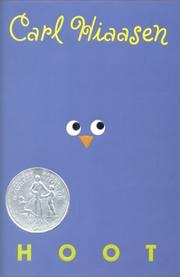
Hoot
2,290-word summary 10 min read 292 pages in the book
- First published
- 2002
- Publisher
- Alfred A. Knopf
- Pages
- 292
- ISBN
- 9780375821813
Reading options
What's inside (9 sections)
I picked up Hoot because I wanted something short and funny after a run of heavy books, and a friend said this one had owls and a weird barefoot kid. It did. It also had a lot more bite than I expected. Hoot came out in 2002 from Alfred A. Knopf, 292 pages in the edition cited here, and it won the Newbery Honor. Carl Hiaasen is known for wild Florida crime novels for adults. This is his middle grade book, and it keeps his anger about bulldozed Florida while making room for kids who actually act.
The setup is plain. Roy Eberhardt has moved from Montana to Coconut Cove, Florida, with his parents. He misses mountains. He hates being the new kid at Trace Middle School. On the school bus he sees a boy running along the road, barefoot, with no backpack, fast enough to outrun the bus for a stretch. The boy never boards. Roy decides to find him. That choice pulls Roy into owls, pancake houses, bullies, and a police officer who cannot catch a break.
I read it in two evenings and kept thinking about how Hiaasen trusts kids to notice what adults miss.
New kid from Montana
Roy is a good lens because he is neither tough nor helpless. In Montana he fished, hiked, read tracks. In Florida the air feels wet, the school feels loud, and a bully named Dana Matherson has marked him. Dana is big, bored, and mean in the specific way of boys who learned that a fist stops questions. He grabs Roy collar, shoves him into lockers, steals his shoes on the bus, and later breaks his nose in a parking lot fight Roy does not win.
Roy parents are steady without being perfect. His dad works for the government and tries reason first. His mom writes, worries, and packs lunches with notes. They tell Roy to ignore Dana, tell a teacher, keep his head down. Roy tries. It fails. Dana keeps coming because no one with power stops him for long. The school suspends, lectures, files papers. Dana returns.
What I liked is that Roy does not turn into an action hero. He gets scared. He lies to his parents about where he goes after school. He keeps a notebook. He is curious more than brave, and curiosity carries him further than courage would.
The Montana versus Florida contrast could have been cheap. Hiaasen avoids that by making Roy learn Florida on its terms. Heat rash, afternoon storms, palmettos, fire ants, herons that stand like statues.
One early scene sold me. Roy tries to explain to his dad why the running boy matters. His dad asks if the boy was in trouble. Roy says he did not look troubled, he looked free, and no one runs that fast in socks unless walking away from something or toward something. His dad smiles and says to be careful. That is the whole book in a line. Adults sense truth and still underestimate it.
The running boy
The runner is Mullet Fingers, though we learn his real name much later as Napoleon Bridger. He lives wild near the construction site for a future Mother Paula All American Pancake House. He sleeps in a hollowed out ice cream truck, washes in rain barrels, eats what he finds or what his stepsister brings. He does not go to school. He does not wear shoes because shoes slow him and leave clearer prints. He can outrun almost anyone, climb, paddle a canoe through mangroves, and handle snakes without flinching.
Roy first tries to chase him and fails badly. He loses a shoe in mud, gets bitten by fire ants, trips over roots. Mullet Fingers leaves him behind without effort, then circles back to laugh and warn him off. Roy keeps coming back, leaving food, writing notes, waiting by the road. Slowly a deal forms. Roy will not tell. Mullet Fingers will let Roy help.
Mullet Fingers is the kind of character who could tip into myth. Hiaasen keeps him human by giving him limits. He cannot read well. He loves owls with a focus that looks like stubbornness until you see the burrows. Running is not a game. It is housing.
There is a scene where Mullet Fingers shows Roy how to approach an owl burrow without collapsing the tunnel. He crawls, stops, points at tiny white wash and pellets, whispers. I liked that Hiaasen lets boys be gentle without comment. Just two kids on bellies in sand, watching a hole.
Beatrice Leep
Beatrice is my favorite character in the book and the one middle grade readers will remember. She is tall, strong, blunt, and tired of boys underestimating her. She plays soccer, or used to, and can knock Dana down with a shoulder. She is Mullet Fingers stepsister, which she hides at first. She brings him food, socks he will not wear, and warnings about police and construction guards.
Her first meeting with Roy is a threat. She grabs his shirt at the bus stop and tells him to stop following her brother. Roy, bruised from Dana, stands his ground mostly because he is too tired to run. Beatrice respects that a fraction and starts testing him. Can he keep a secret. Can he run. Can he lie to a cop without shaking. Roy passes slowly.
Beatrice home life is thin but clear. She stays in school while her brother stays out, and that split costs her. She brings him food and warnings about police and guards.
Hiaasen writes her without softening or making her a prize. She does not smile to reassure Roy. She corrects him. When Roy suggests calling a wildlife hotline, she asks who answers on Sunday and what they do on Monday when the bulldozers roll. Her questions are better than most adult plans in the book.
There is a soccer field scene where Dana picks on smaller kids and Beatrice steps between them. That chain feels true to school life. Bullies do not vanish after one loss. They reroute.
If the book has a heart, it is Beatrice and Roy learning to work as a trio with a boy who trusts no one. Beatrice translates Mullet Fingers to Roy and Roy to the world of forms, meetings, and parents. Without her, the plot would stall at two boys staring at each other across sand.
Owls on the lot
The owls are burrowing owls, small brown birds with long legs and bright eyes that nest in ground tunnels in open sandy lots. The lot chosen for the pancake house holds several active burrows. Florida law protects them, but protection only works if someone reports, surveys, and enforces. The company behind Mother Paula wants the lot cleared fast. Its local manager, Chuck Muckle, is under pressure to open on time. He tells crews to keep working. Burrows get filled. Stakes get pulled. A survey gets fudged.
Hiaasen explains this without lectures. Roy learns in science class that burrowing owls reuse tunnels dug by tortoises or armadillos, hunt insects and small rodents at dawn and dusk, and flush easily from noise. He sees whitewash near holes on the lot. He hears soft cooing at dusk. He finds a burrow with fresh tracks after a bulldozer passes. The facts arrive as clues, not homework.
Mullet Fingers has been sabotaging the site for weeks before Roy arrives. He pulls up survey stakes, puts alligators in portable toilets, paints patrol car windows, lets air out of tires, releases rat snakes into equipment. Some pranks are funny. Some are risky. All aim to delay clearing until owls are noticed. Roy is shocked at first, then helps in smaller ways, then argues for a legal route that will hold after pranks stop.
Officer Delinko is the adult caught in the middle. He is assigned to watch the site at night. He falls asleep, gets bitten by snakes left as jokes, gets mocked at the station. He starts noticing missing stakes and fresh fill in burrows and wonders if the vandal cares about something real.
I appreciated that Hiaasen does not pretend owls will save themselves. One burrow collapses after rain and machines pass too close. An adult owl vanishes for a day. Chicks peep less. The book lets loss sit. When Roy finds a crushed burrow entrance, he clears sand with his hands and waits, and nothing comes out for a long time. That wait hurt more than any speech about nature.
The pancake fight
The second half becomes a campaign. Roy, Beatrice, and Mullet Fingers try everything. They photograph burrows. They call a state wildlife line. They write to the company. They attend a town meeting where Mother Paula representatives hand out menus and smiles while Muckle promises jobs. Roy parents, once cautious, start helping when they see maps and photos. A local reporter starts asking why a survey found no owls on a lot full of holes.
Dana keeps intruding, which sounds like a side plot until it pays off. He beats Roy and later gets bitten by a dog at the site while chasing him. Roy does not forgive him quickly, which I respected.
The funniest set piece involves snakes in the toilets. The tensest involves Roy and Beatrice staking out the lot at night with a camera, hearing machines start early to beat an inspection. For a middle grade book, the danger feels real without tipping into adult thriller.
There is also a school assembly and a petition, which could have been dull. Hiaasen makes them work by keeping numbers concrete. Roy counts burrows, lists dates when stakes vanished, shows photos with rulers for scale. Beatrice brings molted feathers in envelopes. A biologist confirms activity. The company lawyer talks about progress and breakfast jobs. The contrast is not jobs versus birds in the abstract. It is a specific lot with specific holes and a schedule that can shift a few yards if someone pays for fence and signs.
The climax lands at a groundbreaking ceremony with flags, speeches, and a crowd. I will not spoil every beat, but the owls themselves settle it in a way no lawyer can argue past. Chicks stand at burrow mouths while cameras roll. A mother owl feeds young in daylight because the lot went quiet. The crowd laughs, then goes still. Muckle tries to proceed and cannot. Even he sees it. Delay becomes protection, at least for now.
After, consequences arrive in fair measure. The company agrees to keep the lot as a preserve and move the pancake house. Vandals face questions but also thanks. Dana faces a choice about boxing lessons versus jail time that feels more useful than simple expulsion. Mullet Fingers, whose name and past come out, agrees to stay with Beatrice under supervision and attend school in a loose arrangement that suits a kid who lived outside. Roy stays friends with both, keeps his Montana habits, and learns to love flat land with water under it.
What works and what creaks
What works is voice. Hiaasen writes Florida like someone who loves it and is furious at what gets paved. Mother Paula with her cowboy hat and flapjacks is absurd and recognizable. Muckle sweats through shirts and repeats phrases from headquarters.
Humor carries the teaching. Alligators in toilets, a boy who outruns a bus, a girl who carries a soccer ball like a threat. Kids will laugh and then realize they learned how surveys work and how public meetings run.
Pacing is strong except for two sags. The middle has several nights of stake pulling that blur together. And Dana bullying repeats for a long stretch before the story uses him well. Younger readers may skim those pages.
Character balance also tilts. Roy parents are good but thin. The reporter and biologist appear as helpers more than people. A little more of Delinko home life would have helped the end feel less neat.
One more note on accuracy. Burrowing owls do nest on open lots in Florida, and construction pressure is real. Hiaasen compresses timelines for story. Real fights take months. Kids should know that. The methods still ring true. Photos with dates, outside experts, press at public events.
Who it is for
Read this if you like funny adventure with real stakes, animals, and kids who solve problems without waiting for rescue. It suits ages nine and up, strong readers at eight with a parent nearby for bullying scenes, and adults who like Florida stories. If you loved Holes or Shiloh, the mix of humor, school trouble, and animal protection will feel familiar in a good way.
It is not for readers who want fantasy or for very sensitive readers who cannot handle bullying and animal peril. Dana chokes, punches, and threatens. A dog bites. Snakes startle. A bulldozer crushes burrows, though chicks survive. There is talk of divorce, foster care, and a runaway living rough, handled plainly.
Content notes. Bullying with hitting, nose breaking, and bus humiliation. Child living outside with hunger and exposure. Animal burrows destroyed by machines, owls stressed, one burrow collapse described. Snakes and alligators used as pranks with bites and scares. Mild language and insults. No sexual content. A hospital visit and a police chase without serious injury.
I closed Hoot liking Roy more than when I met him. He started as a Montana kid counting the days until he could leave Florida. He ended as a Coconut Cove kid who knew owl hours, bus times, and which adults to call. The pancake house moved. The owls stayed. Two unlikely friends stayed too. That is a good trade, and a good book to hand to a kid who thinks reading is only school.
FAQ
Who are the three main kids in Hoot?
Roy is new from Montana, Beatrice is the runner sister who protects him, and Mullet Fingers is the barefoot boy living outside near the owls.
Are the owls and the building fight realistic?
Yes, burrowing owls nest in open sandy lots in Florida and face pressure from building. The book shortens the legal timeline but keeps the methods true.
What age is Hoot right for?
Ages nine and up. It has bullying, bites, and burrows crushed by machines, though the chicks survive. Sensitive readers may want company.
Similar books
The Penultimate Peril
Baudelaires as concierges in a hotel sort friends from foes before the end.
2,234-word summary · 10 min read
The End
Baudelaires wash on an island where others decide what safe means.
2,320-word summary · 10 min read
Into the Wild
Housecat Rusty joins ThunderClan and learns clan law before war.
2,597-word summary · 12 min read
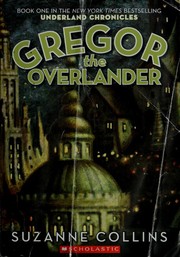
Gregor the Overlander
Gregor follows Boots down a grate into the Underland and a war prophecy.
2,516-word summary · 11 min read
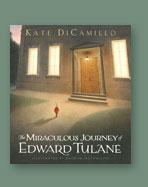
The Miraculous Journey of Edward Tulane
A china rabbit lost at sea learns to love through owners kind and cruel across many years.
2,002-word summary · 9 min read
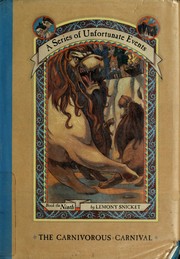
The Carnivorous Carnival
Baudelaires hide as carnival freaks to find V.F.D. clues, facing lions, Olaf, and a fateful cliff split.
2,027-word summary · 9 min read

Bone, Vol. 1: Out from Boneville
Three cartoon cousins are run out of Boneville, separated by locusts, and dropped into a valley where rat creatures and an old grudge are waiting.
2,155-word summary · 10 min read

The Field Guide
Three siblings move into a creepy Maine estate, anger a brownie, and find a forbidden guide to the fairy world in the first Spiderwick book.
2,033-word summary · 9 min read

Hard Luck
Rowley has a girlfriend, so Greg turns to a Magic 8 Ball, a family Easter hunt and the school yearbook for answers.
2,586-word summary · 11 min read
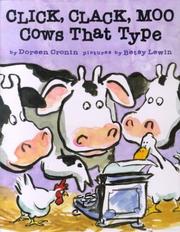
Click, Clack, Moo: Cows That Type
Cows learn to type, demand electric blankets, and go on strike in a deadpan picture book about negotiation and withheld labor.
2,617-word summary · 12 min read
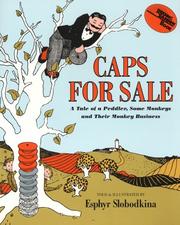
Caps for Sale
A peddler balances his caps on his head, naps under a tree, and wakes to find monkeys wearing his stock in this 1940 picture book.
2,787-word summary · 12 min read
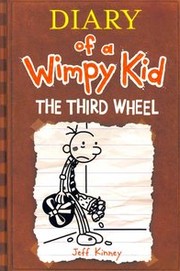
The Third Wheel
Greg tries to find a date for the Valentine's dance, ends up the third wheel in his own plan, and watches Rowley get the girl.
2,019-word summary · 9 min read
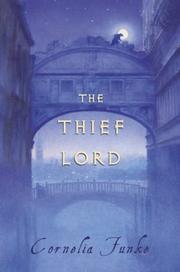
The Thief Lord
Orphaned brothers join a gang of Venice street kids and a masked Thief Lord, chasing a magic merry-go-round that can change a person's age.
2,040-word summary · 9 min read
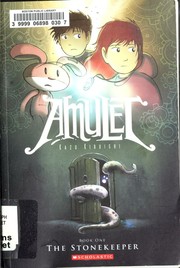
The Stonekeeper
After their father's death, Emily and Navin chase a monster into a hidden world to save their mother, and Emily's great-grandfather's amulet offers power at a…
2,753-word summary · 12 min read
Beezus and Ramona
Nine year old Beezus tries to be a good older sister while four year old Ramona turns every ordinary day into a disaster, until a tenth birthday forces honesty.
2,062-word summary · 9 min read
The Indian in the Cupboard
Omri learns a key turns plastic Little Bear into a live Iroquois man.
2,228-word summary · 10 min read
Tales from a Not-So-Fabulous Life
Nikki starts private school and writes mean-girl survival in her diary.
2,587-word summary · 11 min read
Bud, Not Buddy
A ten year old orphan in the Depression walks to find a jazzman he thinks is his father.
2,568-word summary · 11 min read
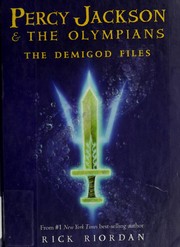
The Demigod Files
Three Percy Jackson side quests plus camp maps, cabin guides, interviews, and god profiles set before the final battle.
2,498-word summary · 11 min read
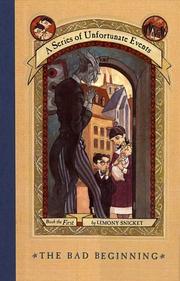
The Hostile Hospital
The Baudelaires hide in half-built Heimlich Hospital, uncover a thirteen-page file hinting a parent survived, and flee Olaf's surgery trap through fire.
2,658-word summary · 12 min read
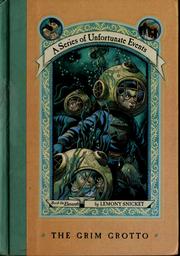
The Grim Grotto
Snicket eleventh Baudelaire book, Sept 2004 HarperCollins, 323 pages: the Queequeg crew, Gorgonian Grotto fungus, Fiona choice, and Sunny wasabi cure that…
2,789-word summary · 12 min read
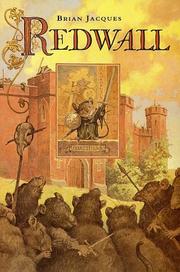
Redwall
A novice mouse hunts for Martin the Warrior's lost sword while Cluny the Scourge besieges Redwall Abbey.
2,727-word summary · 12 min read
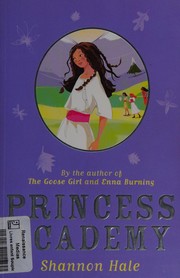
Princess Academy
Miri leaves her Mount Eskel quarry home for Princess Academy, where quarry songs, books, and a bandit siege shape her fight for fair trade, a school, and a…
2,441-word summary · 11 min read
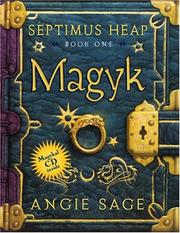
Magyk
A baby found in snow, a lost seventh son, and a run for the Marram Marshes as Marcia Overstrand shields two children from DomDaniel.
2,604-word summary · 12 min read
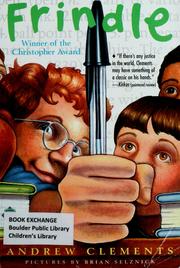
Frindle
Nick Allen calls a pen frindle, defies Mrs. Granger and a school ban, and watches the joke grow into news, trademarks, and a dictionary entry.
2,405-word summary · 11 min read
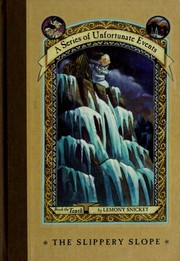
The Slippery Slope
Violet and Klaus climb icy peaks to rescue Sunny while Quigley and V.F.D. ruins change what they know.
2,678-word summary · 12 min read
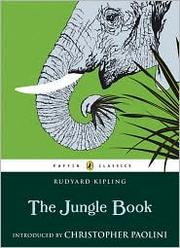
The Jungle Book
Mowgli, raised by wolves in the Seeonee Hills, learns the Law from Baloo and Bagheera while Shere Khan circles. Kipling's 1894 story collection.
2,799-word summary · 12 min read
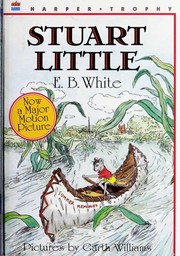
Stuart Little
A two-inch boy in a New York family befriends a canary, loses her, and drives off alone to find her.
2,591-word summary · 12 min read
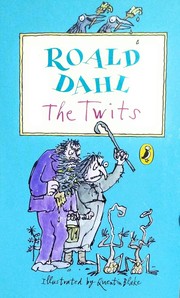
The Twits
Mr. and Mrs. Twit trade vile pranks and torment caged monkeys until the birds and monkeys flip the house on them.
2,864-word summary · 13 min read
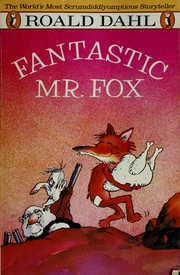
Fantastic Mr. Fox
Mr. Fox raids three cruel farmers to feed his family, then outdigs tractors and a siege to host a feast underground.
2,910-word summary · 13 min read