
The Hostile Hospital
2,658-word summary 12 min read 255 pages in the book
- First published
- 2001
- Publisher
- HarperCollins
- Pages
- 255
- ISBN
- 9780060283124
- Series
- A Series of Unfortunate Events (#8)
Reading options
What's inside (9 sections)
I picked up The Hostile Hospital on a rainy afternoon because I wanted to know how the Baudelaires could possibly get out of the mess at Vile Village, and Snicket does not give them even a chapter of rest. This is book eight in A Series of Unfortunate Events, published in September 2001 by HarperCollins, 255 pages with drawings by Brett Helquist, and it reads like the point in the series where the sadness stops being episodic and starts feeling permanent. The children are no longer moving from one strange guardian to the next. They are wanted, tired, and almost entirely alone, and the hospital they walk into is unfinished in a way that matches them.
The book opens right where The Vile Village left off. The Village of Fowl Devotees has turned into a mob, Count Olaf has murdered Jacques Snicket and let the blame fall on the three children, and Klaus has figured out the trick with the crows just in time for all three to run. They climb into the trunk of a car that belongs to Volunteers Fighting Disease, a singing group that drives from place to place cheering up patients. It is a lucky escape and a strange one, because the volunteers are cheerful in a fixed, practiced way, and the Baudelaires sit in the dark listening to songs about health while the town shouts behind them.
I liked that opening for how small it feels. Violet tries to keep her breathing steady so no one hears them. Klaus holds Sunny so she will not make a sound. The volunteers argue about verses and gas stations and never guess they have passengers. When the van finally stops, the children slip out and look up at Heimlich Hospital, which is only half built. One side has walls and windows and nurses moving around. The other side is open beams and plastic sheeting and piles of supplies. The name comes from the Heimlich maneuver, like all the jokes in this series that are funny until you think about them, and the building looks like someone started a rescue and quit halfway.
The van out of Vile Village
Snicket spends the first pages reminding you what the Baudelaires carry with them. They have just learned about V.F.D., the initials that keep appearing on scraps and photographs, and they have just watched that mystery get more painful instead of clearer. In Vile Village they found Jacques Snicket dead, mistaken for Olaf. They also carry the practical weight of being fugitives. Their faces have been in the newspaper. The headline calls them murderers.
The Volunteers Fighting Disease van gives Snicket a chance to show how the world now treats them. The volunteers are kind in a shallow way. They talk about cheering people up without asking what is actually wrong. The Baudelaires cannot ask for help because asking would mean giving their names, and giving their names would mean arrest. So they hide, and they get out at the hospital because a hospital seems like a place where records might be kept.
What stuck with me here was how little triumph there is in the escape. In earlier books there is usually a beat where the children outsmart Olaf and you feel clever with them. Here they survive because they fit in a trunk. Violet, who loves to invent, has nothing to build with. Sunny is hungry and carsick and brave about both. The van pulls away and they are left in a parking lot with no guardian, no money, and no plan beyond finding paper.
Heimlich Hospital and Hal
Heimlich Hospital runs on a filing system and a catalog of confusion. The unfinished half means patients and staff share narrow halls. Workers carry lumber past people on stretchers. Signs point to wards that have no doors yet. Snicket describes the front desk as a place where no one quite knows who is in charge, which is exactly the kind of place Olaf loves. Authority is thin, paperwork is thick, and a confident voice can get almost anything.
The children meet Hal, an older man who runs the Library of Records in the basement. Hal is not a villain and not a hero in the usual Snicket mold. He is tired, nearsighted, proud of his system, and lonely enough to talk to three kids who claim to be volunteers. He shows them rows of cabinets and explains that everything about every patient is kept on file. He offers them work because the place is short staffed. Filing, carrying charts, reshelving folders.
Snicket uses Hal to slow the book down in a good way. The children eat a small meal in a break room. They sleep in a storage room on folded blankets. There is a long passage where Klaus just files papers and feels almost normal for an hour, and I found that more moving than the chases. After the fire that killed their parents, after Count Olaf and the lumber mill and the school and the village, normal for them is a drawer that closes correctly.
Hal also gives them their first real lead. Klaus asks, carefully, whether the library keeps old newspaper records and volunteer files, and Hal says yes, almost everything ends up here if you wait long enough. The Baudelaires came looking for shelter and found an archive. They decide to stay one more day, to file and watch and search when no one is looking.
The Library of Records
The Library of Records is the heart of this book and the reason many readers remember it. It is vast, dim, dusty, and organized according to Hal's private logic. Some aisles are alphabetical. Some are by date. Klaus loves it instantly, even as he sees the problem. A perfect collection is useless if you cannot find anything, and Hal will not let anyone rearrange it.
At night, when the hospital quiets, the children sneak down with a flashlight and start hunting for the Baudelaire file. Snicket stretches this search over many pages, and Helquist's drawings of tall cabinets and small children with a beam of light make the scale clear. They find files for people with names close to theirs. They find empty folders where something was removed.
Then they find it. Thirteen pages about the Baudelaire family. Not the whole story, not answers, but enough to change how they see their parents. The file includes a photograph of their parents with people they do not recognize. It includes references to V.F.D. meetings and to a fire. And it includes a line that suggests one of their parents may have survived the fire that destroyed their home. Violet reads it twice. Klaus copies the wording into his notebook exactly. Sunny pats the page as if touch could confirm it.
I remember putting the book down at this point the first time. Thirteen pages after seven books of hints is both generous and cruel. Was it their mother. Was it their father. Hal has no context to give them because Hal files papers without reading them for meaning. The children want to ask him, but asking would reveal who they are.
This is where Snicket's method becomes clear. He answers one question by opening three more. Readers who came for a solution to V.F.D. get a longer list of initials and a burned edge. They are kids in a basement with a flashlight, reading fast because morning is coming.
Laura V. Bleediotie and the surgery plot
Morning brings Olaf back in a form that is obvious to the reader and invisible to the hospital. Esme Squalor arrives first, sharp and fashionable and loud about being fashionable, demanding the best care for her famous self. With her comes a doctor with a mask who calls himself part of the surgical team. It is Olaf, of course, with his one eyebrow hidden under a surgical cap and his tattoo covered by a coat. The fun, if you can call it fun this late in the series, is watching the hospital accept him because he acts like he belongs.
The trap is built out of paperwork. Violet is spotted alone and reported as a missing patient. On the hospital list she appears under an anagram, Laura V. Bleediotie, which unscrambles to Violet Baudelaire for anyone paying attention. No one on staff is paying attention. The name is entered for a craniectomy, a surgery on the head, and Olaf signs on as the surgeon. He will operate on Violet while she is under anesthesia, not to heal her but to kill her on the table where it can be called a medical accident, and he will keep her fortune through the legal paper Esme has prepared.
Snicket plays this stretch for dread rather than surprise. Violet is taken to a ward. Her head is shaved on one side. She is given a thin gown and told to lie still. Klaus and Sunny can see her through a window but cannot reach her without exposing themselves. Violet, groggy and scared, tries to think like an inventor with nothing to invent with. She counts the bars on the window. She holds onto the fact that Klaus is somewhere with a notebook and Sunny is somewhere with her teeth.
Esme's role here is worth noting because she has changed from a silly guardian into an active partner. In earlier books she wanted what was fashionable. Now she wants what Olaf wants and calls that fashion. She brings balloons to the ward to look like a concerned friend. She tells Violet to be brave in a voice that means the opposite. She is not under Olaf's spell. She enjoys the performance.
Doctors Tocuna and Flo
Klaus and Sunny cannot walk into the surgical ward as themselves, so they do what the Baudelaires have done since the start. They put on disguises and walk in as someone else. With help from a cart of scrubs and a moment when no one is watching, Klaus becomes Dr. Tocuna and Sunny becomes Dr. Flo, a two headed doctor team in a long white coat. Klaus does the talking from the top. Sunny hides inside and handles small tasks with her hands and teeth. Snicket sells it because hospitals in this book run on confidence and clipboards. If you carry a chart and nod, people step aside.
They are paired with Olaf's other helpers, who have their own disguises. The man with hooks for hands calls himself Dr. Lucafont. The bald man with the long nose calls himself Dr. Flacutono. The names sound like medicine and mean nothing, which is the point. Say a Latin sounding word in a hallway and even a nurse will assume you know where you are going.
The surgery prep scenes are tense in a quiet way. Klaus has to answer questions about Laura V. Bleediotie without revealing he knows her. Sunny has to keep still inside the coat while her brother walks and talks. They stall by asking to check the chart again. They learn the operation is scheduled soon and that Olaf has arranged for no other senior surgeon to be present. Klaus, who is used to having answers in books, has to improvise out loud.
I admired how Snicket keeps the siblings competent without making it easy. Klaus mispronounces a term and covers it with a cough. Sunny drops a clamp and catches it with her mouth before it hits the floor. They find Violet and manage a few seconds of contact, a squeeze of the hand, a whispered plan to run when the moment comes. The plan is not clever. It is to get her out of the bed and down the hall before anyone looks at faces.
Fire and the trunk
Hal ruins the plan without meaning to, and that is one of the saddest turns in the book. He recognizes the children from a newspaper photograph and realizes they are the Baudelaires accused of murder and arson. He does not hear their explanation. He hears the word arson and thinks of his papers, his life's work. He tells them to stay away from the Library of Records. He calls for help. Klaus tries to explain about Olaf and the surgery list, but Hal has stopped listening.
Then comes fire, as it always does in these books. Smoke rises from the basement. Alarms sound. Staff run with buckets and phones. Olaf uses the confusion the way he always does, shouting orders that help himself and hurt everyone else. Whether his gang set the fire to cover the surgery or someone else set it to cover something older is left unclear. The Baudelaires know they did not start this one, and they also know no one will believe them because Hal has already named them as arsonists over the intercom.
Violet's escape is the set piece readers talk about. Still groggy, still in a gown, she finds herself on a high ledge of the unfinished section with no stairs down and smoke below. She does what Violet does. She invents. Using strands of cord, surgical tubing, and a grasp of tension that Snicket has built over eight books, she fashions a bungee cord and jumps. Helquist draws the moment with the building cut open like a dollhouse, Violet small against the beams. She calculates weight and give and anchor points while her hands shake. When she lands, Klaus and Sunny catch her and hold on.
The three run through smoke to the parking lot, where Olaf is loading his car. They climb into the trunk to hide, the same trick that saved them at Vile Village, and pull the lid nearly shut. In the dark they hear Olaf and Esme argue about the failed surgery. They feel the car start and roll. And on the floor of the trunk, among blankets and rope, they find a flyer for Madame Lulu and her Carnival, a fortune teller who claims to know who survived and who did not. The car carries them toward the next book, The Carnivorous Carnival, with no food, no coats, and one new sentence to hold onto about a parent who might be alive.
What works and what wears thin
This is a strong middle book that shows both the strengths and the costs of the series formula. The strengths are voice, detail, and moral clarity without preaching. Snicket defines words with a straight face and draws Hal and the filing system with real affection. The hospital feels close to how large places actually fail. The unfinished wing, the confusion over charts, the way a false name on a list can decide who lives. Violet's bungee escape earns its tension because Snicket has taught you how she thinks, step by step, since book one.
The costs are real too. By book eight the pattern is fixed. The Baudelaires arrive somewhere new, meet a kind but limited adult, see through Olaf at once while no one believes them, survive a plot that hinges on paperwork, and escape through fire while the mystery grows by one sentence. Readers who want answers about V.F.D. will feel teased. Thirteen pages sounds like a lot until you learn how little they settle. And the bleakness that felt bracing in book one feels heavier here because the children get no win that lasts. They save Violet, which matters, but they lose Hal's trust and end the book in a trunk again.
I still recommend it, with a warning. If you love the series for its language and its stubborn siblings, this is one of the best written entries. If you need hope or resolution, wait until you have book nine ready. The Hostile Hospital does not close a door. It leaves you in the dark of a moving car, reading a flyer by lighter light, hoping the next carnival has better answers than this hospital did.
FAQ
Who tries to operate on Violet in The Hostile Hospital?
Count Olaf, disguised as a surgeon, lists her as Laura V. Bleediotie for a craniectomy meant to kill her quietly.
What do the Baudelaires find in the Library of Records?
A thirteen-page Baudelaire file with a photo and a line suggesting one parent may have survived the fire.
How does The Hostile Hospital end?
Violet escapes by bungee cord, fire spreads through the hospital, and the children hide in Olaf's trunk and find a Madame Lulu carnival flyer.
Similar books
More from A Series of Unfortunate Events first, then related titles.
The Bad Beginning
After a fire kills their parents, the Baudelaire orphans are sent to Count Olaf, who plots to steal their fortune.
2,759-word summary · 12 min read
The Reptile Room
Baudelaires find kind Uncle Monty until Olaf returns as assistant Stephano.
2,005-word summary · 9 min read
The Wide Window
The Baudelaires brave Aunt Josephine, Captain Sham and leech-filled Lake Lachrymose.
2,459-word summary · 11 min read
The Miserable Mill
Sent to work at the Lucky Smells Lumbermill, the Baudelaires face harsh labor, strange hypnotism, and a familiar villain in a new disguise.
2,662-word summary · 12 min read
The Austere Academy
The Baudelaires endure Prufrock Prep, meet the Quagmires, and face Olaf as Coach Genghis in book five.
2,175-word summary · 10 min read
The Ersatz Elevator
Orphans climb endless stairs while a stylish guardian sides with Olaf.
1,961-word summary · 9 min read
The Vile Village
Three orphans raised by a rule bound village find hidden friends and a sky escape in book seven.
2,971-word summary · 13 min read
The Carnivorous Carnival
Baudelaires hide as carnival freaks to find V.F.D. clues, facing lions, Olaf, and a fateful cliff split.
2,027-word summary · 9 min read
The Slippery Slope
Violet and Klaus climb icy peaks to rescue Sunny while Quigley and V.F.D. ruins change what they know.
2,678-word summary · 12 min read
The Grim Grotto
Snicket eleventh Baudelaire book, Sept 2004 HarperCollins, 323 pages: the Queequeg crew, Gorgonian Grotto fungus, Fiona choice, and Sunny wasabi cure that…
2,789-word summary · 12 min read
The Penultimate Peril
Baudelaires as concierges in a hotel sort friends from foes before the end.
2,234-word summary · 10 min read
The End
Baudelaires wash on an island where others decide what safe means.
2,320-word summary · 10 min read
The Field Guide
Three siblings move into a creepy Maine estate, anger a brownie, and find a forbidden guide to the fairy world in the first Spiderwick book.
2,033-word summary · 9 min read
The Thief Lord
Orphaned brothers join a gang of Venice street kids and a masked Thief Lord, chasing a magic merry-go-round that can change a person's age.
2,040-word summary · 9 min read
The Stonekeeper
After their father's death, Emily and Navin chase a monster into a hidden world to save their mother, and Emily's great-grandfather's amulet offers power at a…
2,753-word summary · 12 min read
When You Reach Me
A sixth grader in 1970s New York gets strange notes that seem to predict the future.
2,456-word summary · 11 min read
The Indian in the Cupboard
Omri learns a key turns plastic Little Bear into a live Iroquois man.
2,228-word summary · 10 min read

Into the Wild
Housecat Rusty joins ThunderClan and learns clan law before war.
2,597-word summary · 12 min read
Hoot
Roy tracks a shoeless boy to save burrowing owls from a pancake house.
2,290-word summary · 10 min read
Gregor the Overlander
Gregor follows Boots down a grate into the Underland and a war prophecy.
2,516-word summary · 11 min read
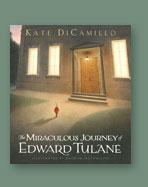
The Miraculous Journey of Edward Tulane
A china rabbit lost at sea learns to love through owners kind and cruel across many years.
2,002-word summary · 9 min read

The Demigod Files
Three Percy Jackson side quests plus camp maps, cabin guides, interviews, and god profiles set before the final battle.
2,498-word summary · 11 min read

Princess Academy
Miri leaves her Mount Eskel quarry home for Princess Academy, where quarry songs, books, and a bandit siege shape her fight for fair trade, a school, and a…
2,441-word summary · 11 min read

Magyk
A baby found in snow, a lost seventh son, and a run for the Marram Marshes as Marcia Overstrand shields two children from DomDaniel.
2,604-word summary · 12 min read
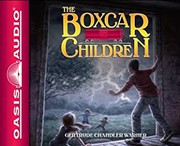
The Boxcar Children
Four Alden orphans run from a bakery, settle in an old boxcar in the woods, and learn to live on work, berries, and each other.
2,892-word summary · 13 min read

The Mysterious Benedict Society
Four gifted children pass strange tests and go undercover at a school hiding a mind control machine.
2,130-word summary · 9 min read
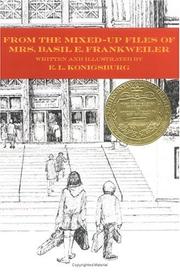
From the Mixed-Up Files of Mrs. Basil E. Frankweiler
Claudia and Jamie run away to the Met, chase whether a 225 dollar Angel is a Michelangelo, and trade secrets with Mrs. Frankweiler.
2,774-word summary · 12 min read

Holes
Stanley Yelnats digs holes at Camp Green Lake while a broken promise, a buried outlaw, and a boy named Zero close in around him.
2,456-word summary · 11 min read

What Moves the Dead
Alex Easton arrives at the Usher house to find Madeline dying, the tarn full of fungus, and the local hares refusing to stay dead.
2,586-word summary · 11 min read
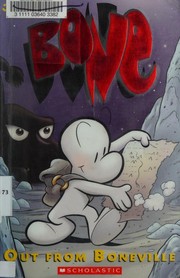
Bone, Vol. 1: Out from Boneville
Three cartoon cousins are run out of Boneville, separated by locusts, and dropped into a valley where rat creatures and an old grudge are waiting.
2,155-word summary · 10 min read