
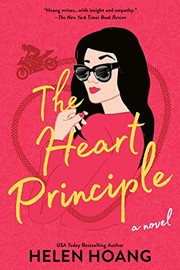
The Heart Principle
2,793-word summary 12 min read 352 pages in the book
- First published
- 2021
- Publisher
- Berkley
- Pages
- 352
- ISBN
- 9780451490858
- Series
- The Kiss Quotient (#3)
Reading options
What's inside (8 sections)
I came to The Heart Principle after hearing it was the outlier in its series, heavier and sadder than the first two, and that warning turned out to be accurate. It was published in August 2021 by Berkley, 352 pages, as book three in The Kiss Quotient series, and it follows Anna Sun and Quan Diep through a relationship that starts as a planned one night stand and turns into something far more caretaking and tangled. I expected a light contemporary romance with violin jokes and tattooed charm. I got a book about autistic burnout, family duty after a stroke, and two people trying to be kind while both running on empty.
Anna Sun is a professional violinist in her twenties, skilled enough to play paid concerts and frightened enough to feel sick before she walks on stage. Quan Diep is a tattooed, patient man connected to the wider circle of characters from the earlier books, recovering from serious health issues and trying to restart his dating life on his own terms. They meet through a dating app when both are looking for something brief and controlled. Anna wants to prove to herself she can do casual. Quan wants connection without pressure. Neither gets the simple version.
What kept me reading was not the premise but the texture. Practice rooms with bad lighting. Family dinners where no one says what they mean. Text threads that stall and restart. Anna counting ceiling tiles to get through a reception. Quan showing up with soup when showing up is the only useful thing left to do.
Anna on stage and Anna at home
Anna earns her living with a violin, and Hoang writes those working scenes with specific physical detail. Rosin dust on the fingerboard. A shoulder rest that slips if she sweats. The particular quiet backstage before a community concert, where you can hear chairs creak and programs rustle. On stage Anna can mask well enough to pass. She smiles at the right moments. She bows at the right depth. Off stage the cost hits. Bright lights buzz. Applause hurts her ears. Small talk after the show feels like translating in real time.
At home the pressure is different and heavier. Anna is the daughter of Vietnamese immigrants who sacrificed a great deal to give her lessons and schooling, and she feels that debt in her body. Her father has a stroke early in the book, which shifts the whole family system. Her mother leans harder on Anna for help. Her sister Priscilla, who has her own family and opinions, pushes Anna to be present, to visit, to put family first. Anna loves her father deeply and fears becoming the kind of daughter who chooses herself over him. She starts skipping practice to sit in hospitals and kitchens, telling herself music can wait.
Hoang is careful to show masking as work rather than quirk. Anna scripts phone calls. She rehearses facial expressions in mirrors. She forces eye contact until her head aches. She agrees to foods that make her stomach turn because refusal would require explanation. At family gatherings she nods through advice about marriage and career and quiets her hands under the table when stimming would draw comment. The violin, which should be refuge, becomes another place where she performs wellness for others. She plays the requested pieces at family events even when her arms shake, because saying no feels like ingratitude.
The burnout builds in credible increments. Missed sleep. Canceled lessons she cannot afford to cancel. A growing sense that every sound is too loud and every request too big. Anna does not have language for this at first, or rather she has language but distrusts it. She wonders if she is autistic, then talks herself out of the thought because she has passed for so long. That self doubt will be familiar to many readers, and Hoang handles it without turning it into a lecture. It lives in Anna's choices, in the way she apologizes for needs she cannot name.
A plan for one night
Into this exhaustion walks the idea of control through casual sex. Anna's long term boyfriend has been pressing for an open relationship, which Anna experiences as rejection wrapped in permission. Instead of fighting for a bond that already feels thin, she decides to take the opening literally and seek one night with someone else, on her terms, with clear rules. She matches with Quan Diep, whose photos show tattoos and a calm smile, whose messages are respectful and direct and funny without pushing.
Their first messages are some of the most human pages in the 352 page run. Quan asks what she wants. Anna tries to sound sure. Quan hears the uncertainty and does not exploit it. He suggests they meet in public first. He asks about boundaries. He makes it clear he will stop if she wants to stop. For Anna, who spends her days guessing hidden rules, that clarity feels like relief. For Quan, who is reentering dating after illness and surgery recovery that left him cautious about his body, the slow pace feels like safety too.
When they meet, the chemistry is real but awkward in the way first meetings are. Anna overdresses and then worries she overdressed. Quan arrives early and worries he seems eager. They talk about music and work and families with the careful honesty of people who do not yet know what will scare the other off. Anna decides she wants to go through with the one night plan. Quan agrees, with the private thought that one night with Anna Sun might not stay one night. Hoang does not rush this into erotica shorthand. She stays in Anna's sensory experience, what touch feels like when sound is already too much, what helps and what overwhelms, how asking for adjustment can feel harder than enduring discomfort.
The plan fails in the best way for the story, though not painlessly. Anna cannot do casual as performance. Her body and mind need trust and repetition and quiet. Quan reads that quickly and does not punish her for it. He suggests they pause. He walks her out. He texts the next day without games. What was supposed to be a single controlled experiment becomes the start of dating, with all the uncontrol dating brings.
Caretaking instead of casual
The middle of the book shifts from seduction to caretaking, and this is where Hoang separates herself from lighter series entries. Anna's father needs ongoing help after his stroke. There are appointments and therapy exercises and meals to manage. Anna's mother is grieving the marriage she knew while trying to hold authority over care decisions. Priscilla wants efficiency. Anna wants her father to feel like a person rather than a patient. She sits with him while he struggles for words. She plays violin softly when noise will not hurt him. She absorbs criticism from relatives for not doing enough while doing more than her health allows.
Quan steps into this without taking over, which is harder to write than it looks. He drives Anna to the hospital and waits without demanding updates. He brings food that Anna can actually eat. He learns which fabrics bother her and which lights buzz. When Anna cancels dates, he does not guilt her. When she shows up late and shut down, he offers a quiet room and a blanket before he offers advice. His patience is not saintly blankness. He has his own limits and says so. He tells Anna when he is tired. He tells her when he needs reassurance that she wants him there. That mutuality keeps the caretaking from turning into rescue.
There are specific scenes I kept marking. Quan sitting in his car outside Anna's family house because coming inside uninvited would add stress. Anna falling asleep on Quan's couch mid conversation and waking mortified, while Quan treats it as information rather than insult. A disastrous family dinner where Anna masks so hard she goes nonverbal on the ride home, and Quan pulls over, turns off the radio, and waits until she can type what she needs on her phone. These moments build trust faster than any love scene, because they show what each person does when the other cannot perform.
Sex remains part of the story, but Hoang frames it around access needs rather than acrobatics. Anna needs predictability. She needs to control sound and light. She needs permission to stop without apology. Quan asks, listens, adjusts, and finds pleasure in that collaboration rather than treating it as a chore. For readers who came for steam, these scenes still deliver heat. For readers who came for character, they deliver proof that Quan likes Anna as she is, not as a project to fix.
Music against duty
Anna's central conflict is music against duty, and Hoang refuses to make it simple. The violin is far more than a job. It is the one place Anna felt competent as a child, the skill her parents funded with extra shifts and skipped comforts. Quitting feels like betrayal. Continuing while burned out feels like self harm. Family duty is far more than guilt. It is love tangled with cultural expectation. Anna's parents survived war and displacement and rebuilding. Saying no to a request from her mother can feel, to Anna, like saying their sacrifice meant nothing.
The book stages this through concerts missed and played. Anna bombs an important performance because she cannot mask and play at once anymore. Her hands know the notes. Her nervous system will not cooperate. She walks off stage hollowed out and tells herself she is lazy. Later she plays for her father in his room, no audience, no dress, no program, and the music comes back in a different form, slower and kinder. Hoang does not argue that private music is better than public music. She argues that Anna needs to choose when and how she plays, rather than treating every invitation as a debt payment.
Priscilla functions as the sharp edge of duty. She loves Anna but speaks in verdicts. Get a real plan. Stop being selfish. Show up more. Those lines sting because they contain partial truth. Anna has been unreliable. She has missed visits. She has let others carry more. Hoang lets Priscilla be right about facts while wrong about reasons, which keeps the sisters from turning into hero and villain. Their late book confrontation, in a kitchen with food going cold, is painful precisely because both women are exhausted and both love the same fragile man in a bed down the hall.
Quan's role here is to hold space without solving. He does not tell Anna to quit violin. He does not tell her to obey her family. He asks what a sustainable week would look like. He helps her block practice time that protects her ears and hands. He sits through a recital where she shakes and still finishes, and tells her afterward he was proud of how she asked for what she needed during the performance. That distinction matters to Anna, who has spent years being praised for endurance while falling apart.
Burnout, masking, and telling the truth
The last third turns inward as Anna names what is happening. With Quan's support and her own research, she stops treating burnout as failure and starts treating it as data. She learns about autism in adult women, about masking and shutdowns, about sensory limits that do not lift with effort. She tests accommodations the way a musician tests reeds, practically. Earplugs at receptions. Sunglasses in grocery stores. Scripts for declining invitations. Scheduled quiet after family visits. None of this cures anything. All of it gives her back hours she was spending on pretending.
Telling her family is harder than telling Quan. Hoang writes those disclosure scenes with restraint. Anna does not deliver a speech that fixes everyone. She tells her mother she is autistic and needs changes, and her mother hears criticism first. She tells Priscilla and gets skepticism mixed with worry. She tells her father in simpler words during a good hour, and he holds her hand in a way that suggests understanding beyond language. Progress comes in small allowances, a dimmed light, a shorter visit accepted without a fight, a request for quiet granted without a lecture about respect.
Quan and Anna's romance nearly breaks here, not from lack of love but from timing. Anna pulls back to focus on health and family. Quan, who has his own history of feeling like a burden during illness, reads distance as rejection. They fight about needs versus obligations, about whether love means staying when staying hurts. The fight works because both are sympathetic. Anna is not wrong to need space. Quan is not wrong to need clarity. Hoang lets them separate for a stretch, live their separate weeks, miss each other without rewriting history, then come back with clearer terms.
The happy ending, when it comes, is earned rather than granted. Anna sets boundaries around music and family that she actually keeps. She takes gigs she can manage and declines ones she cannot, even when guilt spikes. She continues to help her father but stops auditioning for perfect daughter. Quan continues his own health maintenance and work, and stops auditioning for perfect boyfriend. They choose each other with accommodations stated out loud, which for this couple is more romantic than any proposal with strings.
What holds and what drags
What holds first is Anna's interior life. Hoang writes sensory overload from the inside, not as metaphor but as logistics. Too much light means headache in twenty minutes. Too much talk means shutdown by dinner. Masking means a bill comes due at night. That specificity will matter to autistic readers who rarely see burnout described as scheduling math, and it will matter to non autistic readers who need to understand why Anna cancels. The violin detail supports it throughout. Practice, performance, and family requests all draw from the same limited pool of sound tolerance, so every yes has a cost you can feel.
Quan holds as well, as a love interest who listens better than he lectures. His tattooed exterior sets up bad boy expectation that the book wisely drops. He is steady without being dull, sexual without being pushy, present without colonizing Anna's family crisis. His own recovery history gives him empathy for medical waiting rooms and body shame without making the book about him. When he says he can wait, you believe him because he has waited for his own body to heal and knows what waiting costs.
The fair criticism starts with tone against the series. Readers who loved the lighter banter of the first two Kiss Quotient books may find this one grief heavy. Large stretches take place in hospitals, kitchens, and cars outside hospitals. The central father stroke plot never lifts for long. That weight is intentional and often moving, but it means the comedy beats feel fewer and the pacing sags in the middle when caretaking repeats. At 352 pages the book could lose twenty pages of appointment logistics without losing meaning.
The middle also slows because Anna and Quan are both too considerate for too long. They ask, they accommodate, they apologize, they reset, and then they do it again. Kindness is the point, but drama needs friction, and for a stretch the only friction comes from Anna's family while the couple stays smooth. I wanted one earlier fight where both say the impolite true thing, to break the careful rhythm. When the late fight finally arrives, it feels like relief as much as rupture.
Anna's father as a figure raises a last quibble. He is drawn with great tenderness, but mostly through Anna's gaze. We learn his silence, his grip, his good hours and bad hours, less of his interior before the stroke. The book needs him as a moral weight more than as a full person, which is understandable given Anna's point of view, but it leaves some family scenes leaning on duty as abstraction. Priscilla gets sharper edges and more lines, which helps, while their mother sometimes fades into worry.
Even with that, The Heart Principle earns its place as the most personal book in the series. It treats autistic burnout as real and ongoing, treats family duty after a stroke as love plus limit, and treats patience as erotic in its own way. Anna keeping her violin on her terms and Quan keeping his promise to ask before assuming, those are the images I kept after the final chapter. Not a grand wedding or a stage triumph, but a dimmed room, a hand held without pressure, and music played because she chose it.
FAQ
When was The Heart Principle published?
It was published in August 2021 by Berkley in a 352-page edition as book three in The Kiss Quotient series.
Who are Anna Sun and Quan Diep?
Anna is a violinist facing autistic burnout and family pressure after her father's stroke, and Quan is a patient man recovering from health issues who meets her through a dating app.
Does The Heart Principle have a happy ending?
Yes, Anna and Quan end together with stated accommodations around music, family, and sensory needs, though the tone stays heavier than earlier series books.
Similar books
More from The Kiss Quotient first, then related titles.
The Kiss Quotient
Stella Lane hires escort Michael Phan to practice dating and learns logic fails where touch and family press in.
2,716-word summary · 12 min read
The Bride Test
Autistic Khai meets Esme from Vietnam for a summer arranged by his mother that tests family duty, love, and what marriage can hold. They learn to ask plainly…
2,953-word summary · 13 min read

Effortless
Kiera and Kellan try to build trust after choosing each other, tested by tour life, jealous fans, and Denny's lingering presence.
2,568-word summary · 11 min read
Thoughtless
Kiera follows her boyfriend to Seattle and falls for her roommate, rock singer Kellan Kyle, in a messy love triangle about loyalty and desire.
2,997-word summary · 13 min read

Maybe Someday
Sydney moves across the hall after betrayal and writes songs with deaf guitarist Ridge.
2,077-word summary · 9 min read

Lick
Evelyn wakes up married to the lead guitarist of Stage Dive after a Las Vegas birthday she cannot remember, and the annulment gets complicated.
1,989-word summary · 9 min read

One to Watch
A plus-size fashion blogger takes the lead role on a reality dating show to prove she belongs on television, and finds she might want what the cameras offer.
2,478-word summary · 11 min read

Collided
Sophie bets she can resist playboy Liam, then pit walls fall.
2,219-word summary · 10 min read
To Love Jason Thorn
Childhood friends Olive and Jason reunite when the Hollywood star returns home, fake a romance for the cameras, and face old family wounds before trust turns…
2,506-word summary · 11 min read
This Man
Ava O Shea meets Jesse Ward while designing The Manor House, and their obsessive affair tests her work and limits.
2,209-word summary · 10 min read

The Coincidence of Callie & Kayden
Callie saved Kayden in an alley and meets him again in college, where both must face assault and abuse to learn trust.
2,578-word summary · 11 min read
Playing for Keeps
Childhood neighbors Haley and Jason turn a long prank war into a fake relationship that turns real.
2,571-word summary · 11 min read
Gabriel's Rapture
A professor faces a hearing while Julia fights for her own name in Florence, testing love through distance and work.
2,480-word summary · 11 min read

The Takeover
An arrogant CEO and the sharp employee forced to staff his deal trade insults, trips and late nights across a long push-pull, until pride and jealousy force…
2,580-word summary · 11 min read

Tangled
Told by a cocky businessman, a bet to win the new associate who rejects him turns into real pursuit, strict rules, a painful reveal and a wedding-level happy…
2,868-word summary · 13 min read
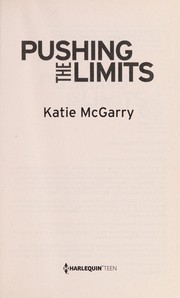
Pushing the Limits
Scarred Echo and foster kid Noah take on tutoring, family secrets, and a custody fight in this 2012 debut about trust after harm.
2,831-word summary · 13 min read
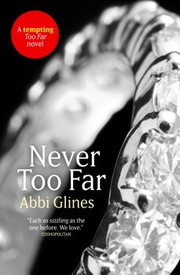
Never Too Far
Blaire flees Rosemary Beach after Rush's lies, then must decide if his pursuit and Nan's exposed schemes earn trust again.
2,626-word summary · 12 min read
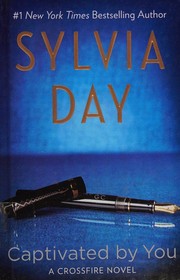
Captivated by You
Eva and Gideon hide a secret Caribbean marriage while planning a Monterey wedding as Gideon arrest, press threats, and Corinne strain test them in Crossfire…
3,016-word summary · 13 min read

Before We Were Strangers
Matt waits fifteen years to ask Grace why she left after one college night that shaped them both.
2,386-word summary · 11 min read
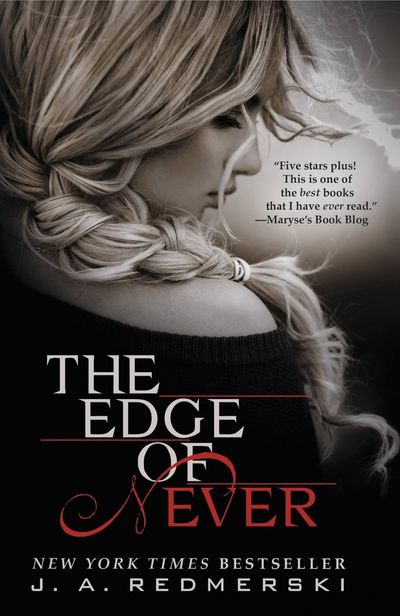
The Edge of Never
Grieving Camryn boards a bus and falls for secret-carrying Andrew.
2,482-word summary · 11 min read
Addicted to You
Lily hides sex addiction and Lo hides drinking while faking love to fool their rich families.
2,064-word summary · 9 min read
Wait for You
Avery flees Texas for college to bury her past, but patient Cam Hamilton refuses to stay a stranger.
2,866-word summary · 13 min read

Magnolia Parks
London socialite Magnolia Parks and BJ Ballentine keep hurting each other while trying to move on.
2,459-word summary · 11 min read

The Happy Ever After Playlist
Sloan takes in a lost dog while grieving her fiance, then falls for its owner, a touring musician, through texts and playlists.
3,199-word summary · 14 min read
On Dublin Street
A guarded young woman in Edinburgh agrees to a no-strings fling with her roommate's brother, and finds the past she fled catching up with her.
2,491-word summary · 11 min read

Wallbanger
Caroline battles thin walls and a charming playboy neighbor in San Francisco, then falls for him.
1,947-word summary · 9 min read
Throttled
F1 driver Noah hates his teammate son Maya, then hires her to fix his image and falls for her.
1,942-word summary · 9 min read

Easy
A college freshman rebuilding after a breakup finds an unexpected bond with a tattooed classmate while facing a stalker.
2,364-word summary · 11 min read
Bully
Tate returns from France to face Jared, the boy who bullied her for years and still will not leave her alone.
1,934-word summary · 9 min read