
Reading options
What's inside (10 sections)
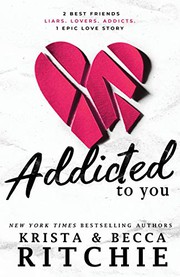
I started Addicted to You knowing it was BookTok famous and a little feared for its intensity. Krista Ritchie and Becca Ritchie first published it in 2013, and my reading follows the 400 page Berkley paperback from 2022 with bonus material. It is the first in the Addicted series. Lily Calloway hides sex addiction, Loren Hale hides alcoholism, and they fake date to hide both. It is new adult romance that takes addiction seriously while staying swoony, and it affected me more than I expected.
Lily is shy, rich, beloved by three sisters, terrified of being touched in normal ways but compulsive about hookups with strangers. Lo is charming, rich, beloved by friends, funny while drunk and scared sober. They have been best friends since childhood and pretend lovers for three years to fool families. Their apartment holds flasks, lists of lies, and a love that neither names.
Fake dating with real weight
The fake relationship is not cute cover. It is survival. Lily brings Lo to family dinners so no one asks why she disappears into bathrooms at bars. Lo brings Lily to events so no one counts his drinks. They know each other's tells. Shaking hands. Too bright laugh. They cover with practiced ease. That mutual caretaking, bringing water, making excuses, holding hair, is tender inside rot.
The Ritchies write addiction without glamour. Lily's compulsions bring shame, risk, and blank mornings. She is not empowered by hookups. She is driven and disgusted. Lo's drinking brings shakes, blackouts, and cruelty he regrets. He is not fun drunk for long. He is sick. Scenes where they try to stop and fail, pouring bottles then buying more, deleting numbers then memorizing new ones, ring true. Recovery readers will recognize the cycle. Others may find it repetitive. That repetition is the point.
Their families complicate. The Calloways are wealthy, loving, and blind in the way of people who think love fixes. The Hales are wealthy, cold, and sharp, with a father who drinks and a mother who performs. Both families love image. Lily and Lo learn to perform wellness. Holiday chapters where they smile through interrogations while craving escape capture how addiction hides in polished rooms.
Friends help and hinder. Connor, calculating and loyal, sees too much. Rose, eldest Calloway, sharp and protective, suspects. Ryke, Lo's brother, angry and clean in his own hard way, challenges. Those side characters, who get their own books later, already feel full. They call out lies, stage interventions badly, and love imperfectly. That ensemble keeps the book from two person spiral.
Love versus use
The central question is whether Lily and Lo love each other or use each other to avoid help. The book answers slowly. They do both. They shield each other from family while shielding addiction from treatment. They comfort nightmares while enabling morning drinks. That ambiguity is brave for romance, which often wants pure rescue. Here rescue is tangled.
Sober moments show what could be. Lily laughs freely on a couch without performing. Lo cooks breakfast and remembers it. They read together, tease about superheroes, fall asleep clothed. Those quiet pages, rare early, grow as they consider honesty. The Ritchies pace hope carefully. One good day does not cure. It suggests cure might be worth pain.
Sex scenes are explicit and purposeful, for 18+ only. Lily's encounters with strangers are written as compulsive, dissociated, and sad. Scenes with Lo, when they finally cross lines, are written as nervous, tender, and fraught. The contrast teaches. Heat is not the same as health. The book never confuses them, even when characters do. Content warnings in the author's note name sexual assault, verbal abuse, child neglect, sex addiction, alcoholism. Heed them.
What moved me was how the book respects rock bottom as process, not event. Lily does not get saved by love. Lo does not get scared straight by one crash. They consider telling mothers, calling therapists, admitting they are worse. Each step meets shame and backslide. That honesty about recovery will help some readers feel seen and will tire others who want faster romance. Stay with the slow.
Sisters, brothers, and found family
The ensemble deserves longer attention because it carries hope. Rose Calloway, eldest sister, runs on control and couture, sharp enough to cut but loyal enough to bleed. She suspects Lily and Lo early and confronts with spreadsheets of lies. Her anger covers fear. If Lily falls, Rose failed as stand in mother. Those scenes where Rose softens, brushing Lily's hair while scolding, show love inside armor.
Poppy and Daisy, younger sisters, bring lightness without minimizing. Poppy jokes, Daisy observes, both adore Lily and sense sadness they can not name. Family dinners where they chatter over Lily's silence capture how illness isolates inside love. Everyone talks around the quiet person. Lily hears everything and says little. That dynamic will resonate with anyone who hid struggle at a full table.
Connor and Ryke add male mirrors. Connor, brilliant and detached, loves Rose and watches Lily with clinical care that slowly warms. Ryke, hot tempered and newly sober in his own hard way, recognizes Lo's shakes because he lived them. His confrontations with Lo are brutal and brotherly. Stop lying or I will drag you. Those ultimatums fail and matter anyway. Someone saying stop plants seed even when it does not work that night.
The group's wealth complicates help. They can afford rehab, therapists, and time off. They also afford privacy, enablers, and image management. Drivers who look away. Assistants who clean up. Money buys delays that poor addicts do not get. The book does not moralize this, but it shows it. Lily and Lo suffer longer because consequences can be paid away for a while. That observation gives the story class awareness rare in new adult.
What finally helps is not money but witness. Friends who stay through vomit and lies without romanticizing. Sisters who say tell me ugly truth. Brothers who drive to meetings and wait outside. Those acts accumulate into possibility. No one gets cured here. They get accompanied toward treatment. That distinction respects recovery and keeps romance honest. Love supports. Work heals.
Craving written from inside
The book's bravest writing renders craving without euphemism. Lily's tunnel vision in bars. Lo's morning calculations about bottles. Hands that shake while pouring coffee. Jokes that come too fast to cover panic. Those passages will feel familiar to anyone who lived addiction or loved someone who did. They are precise without being instructional. Smell of bourbon in a water bottle. Taste of mouthwash after. Sound of a phone ignored.
Shame cycles structure chapters. Act, hide, get caught partly, lie better, act again. Lily steals moments in bathrooms with strangers she does not want to want. Lo drinks before family photos and smiles with teeth stained. After, both scrub, promise, and mean it for hours. The Ritchies do not rush past those hours. A clean morning with pancakes matters. So does the afternoon when craving returns during a boring lecture. Recovery is hourly. The book honors that clock.
Treatment appears as possibility rather than punishment. Therapists are named without caricature. Meetings are described with awkward chairs and real relief. Friends suggest help badly at first, with ultimatums and tears, then better, with rides and numbers. Lily and Lo resist, then consider, then step. That stepping, not leaping, feels true. No single rock bottom cures. Many small bottoms accumulate into willingness.
What helps most is how the book separates person from behavior without excusing harm. Lily is kind and compulsive. Lo is generous and alcoholic. They hurt people they love and must make amends beyond sorry. A scene where Lily apologizes to her sister with specifics, not blanket regret, models repair. She names what she did, how it scared, what she will do differently. That script will help young readers more than any lecture about abstinence. Accountability is love in work clothes.
Reading with care and hope
If you read this while struggling, pace yourself and use supports. The book's precision about bars, bottles, and hookups can trigger craving even as it warns. Notice which scenes tighten your chest and pause there. Talk to someone you trust. The Ritchies include resources and warnings because they know readers bring wounds. Honor that care by reading with company, whether friend, therapist, or meeting.
Notice hope markers too. A morning Lily eats without purging shame. A night Lo calls his brother instead of driving drunk. A sister who stays on the phone through panic. Those small wins accumulate into willingness for treatment. The book argues recovery starts before rehab, in honest minutes. Count those minutes when you feel hopeless. They matter more than perfect streaks.
For loved ones of addicts, the ensemble teaches useful limits. Stay without covering lies. Drive to help without doing the work. Say I love you and I will not lie for you in one breath. Those boundaries appear in Rose's spreadsheets and Ryke's ultimatums. They fail and still plant. Keep planting while protecting your own health. That balance is hard and necessary. The book shows both sides without choosing one over the other.
Why the series matters
The book launches ten volumes because side characters demand them. Connor and Rose need their cold thaw. Ryke and Daisy need their fire. Those setups appear naturally in parties and fights rather than teasers. Readers who love one pair will find another waiting. That ensemble planning explains BookTok devotion. You do not just ship Lily and Lo. You join a family with group chats, holidays, and interventions. Later books deepen without repeating the same addiction arc exactly, which keeps the series from loop fatigue. Start here for foundation. The foundation is strong because it admits cracks. At 400 pages the start is the longest hard part. It earns the softer books after by refusing easy cures now.
What holds and what hurts
What holds is voice, ensemble, and moral seriousness inside swoon. Lily's POV, anxious and observant, carries the book. Her love for sisters, her fear of touch, her wit about college bars, all feel specific. Lo's charm never masks his illness for long. The sisters, especially Rose and Poppy, steal scenes with humor and steel. The found family of friends who show up with soup and ultimatums gives hope without cheap fix.
What hurts is length and loop. At 400 pages the hiding, partying, and fighting cycle repeats. Some family dinners blur. Some hookup scares blur. Readers sensitive to substance detail may find drinking scenes triggering in their precision. The book includes bonus material in this edition that softens with hindsight, but the core remains intense. It is not light BookTok fluff. It is heavy with heart.
The prose is accessible, emotional, and dialogue driven. Short chapters. Texts. Internal spirals. Spice with aftercare talk. Fights with apologies that do not erase. The Ritchies write twins' intuition into sisters and brothers who finish sentences. That closeness comforts while addiction isolates. Both truths sit together.
Who should read with care
If you come for swoon, stay for the ensemble craft. The Ritchies plant Connor's spreadsheets, Rose's rules, and Ryke's rage early so later books bloom from seeds you saw. Rereading after finishing the series will show how carefully book one laid track. That planning rewards loyal readers without punishing newcomers who only want Lily and Lo now. Both can enjoy. One pair carries this volume fully while friends wait in wings with lit matches.
Give Addicted to You to adult new adult romance readers who want character driven angst, found family, and honest addiction arcs with hope. It suits fans of Colleen Hoover's weight plus Elle Kennedy's banter, but rawer. Do not give it to teens, to readers in early recovery without support, or to those who avoid explicit content and addiction detail. Check content warnings first. Pair it with resources if needed. The book helps most when read with care.
At 400 pages I read it across four nights, worried and rooting. Lily starts counting strangers to feel nothing and ends counting days honest with one man she loves, choosing to tell truth though truth risks family. That count, from numb to named, is the whole story. Addiction says you are alone. Love, with treatment and friends, says you are not. This first volume starts that turn without finishing it, which feels honest.
FAQ
When was Addicted to You published?
First published in 2013. The Berkley paperback runs 400 pages and the ISBN is 9780593549476.
Is it the first in a series?
Yes. It is book one of the Addicted series, followed by Ricochet and Addicted for Now.
Is it suitable for teens?
18 and up. It details sex addiction, alcoholism, and assault with explicit scenes; check warnings first.
Similar books
More from Addicted first, then related titles.
Ricochet
Lily Calloway tries to stay celibate for ninety days while Loren is in rehab, leaning on Rose, Connor, and Ryke as therapy forces her to face her childhood.
2,575-word summary · 11 min read

Collided
Sophie bets she can resist playboy Liam, then pit walls fall.
2,219-word summary · 10 min read
Captivated by You
Eva and Gideon hide a secret Caribbean marriage while planning a Monterey wedding as Gideon arrest, press threats, and Corinne strain test them in Crossfire…
3,016-word summary · 13 min read
Twisted Hate
Jules Ambrose and Josh Chen turn years of hate into a risky arrangement that forces both to face old wounds.
2,557-word summary · 11 min read
Ugly Love
Colleen Hoover's Ugly Love retold: Tate and Miles, the rules, the past with Rachel, and the lake letter.
2,339-word summary · 10 min read
Reason to Breathe
Emma Thomas is a star student with a careful, invisible life at home. Evan Mathews notices the cracks, and the novel follows what happens when kindness gets…
2,197-word summary · 10 min read

One to Watch
A plus-size fashion blogger takes the lead role on a reality dating show to prove she belongs on television, and finds she might want what the cameras offer.
2,478-word summary · 11 min read
To Love Jason Thorn
Childhood friends Olive and Jason reunite when the Hollywood star returns home, fake a romance for the cameras, and face old family wounds before trust turns…
2,506-word summary · 11 min read

This Man
Ava O Shea meets Jesse Ward while designing The Manor House, and their obsessive affair tests her work and limits.
2,209-word summary · 10 min read
The Coincidence of Callie & Kayden
Callie saved Kayden in an alley and meets him again in college, where both must face assault and abuse to learn trust.
2,578-word summary · 11 min read
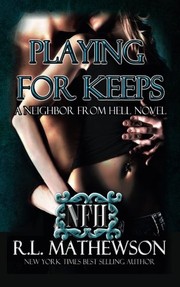
Playing for Keeps
Childhood neighbors Haley and Jason turn a long prank war into a fake relationship that turns real.
2,571-word summary · 11 min read
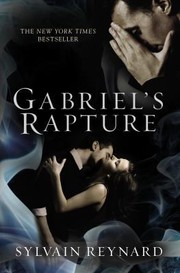
Gabriel's Rapture
A professor faces a hearing while Julia fights for her own name in Florence, testing love through distance and work.
2,480-word summary · 11 min read

Effortless
Kiera and Kellan try to build trust after choosing each other, tested by tour life, jealous fans, and Denny's lingering presence.
2,568-word summary · 11 min read

The Takeover
An arrogant CEO and the sharp employee forced to staff his deal trade insults, trips and late nights across a long push-pull, until pride and jealousy force…
2,580-word summary · 11 min read
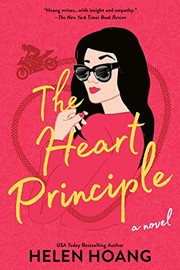
The Heart Principle
Violinist Anna Sun plans one night with Quan Diep, then faces autistic burnout and family duty after her father's stroke in Hoang's 352-page 2021 Berkley…
2,793-word summary · 12 min read

Tangled
Told by a cocky businessman, a bet to win the new associate who rejects him turns into real pursuit, strict rules, a painful reveal and a wedding-level happy…
2,868-word summary · 13 min read
Pushing the Limits
Scarred Echo and foster kid Noah take on tutoring, family secrets, and a custody fight in this 2012 debut about trust after harm.
2,831-word summary · 13 min read
Never Too Far
Blaire flees Rosemary Beach after Rush's lies, then must decide if his pursuit and Nan's exposed schemes earn trust again.
2,626-word summary · 12 min read
Before We Were Strangers
Matt waits fifteen years to ask Grace why she left after one college night that shaped them both.
2,386-word summary · 11 min read
Thoughtless
Kiera follows her boyfriend to Seattle and falls for her roommate, rock singer Kellan Kyle, in a messy love triangle about loyalty and desire.
2,997-word summary · 13 min read
After Ever Happy
Tessa and Hardin face family truths and tragedy before wedding.
2,373-word summary · 11 min read
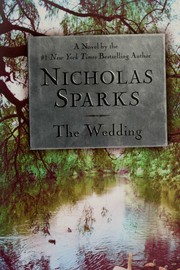
The Wedding
Wilson Lewis courts his own wife again with Noah's help as daughter Anna plans her wedding.
2,076-word summary · 9 min read
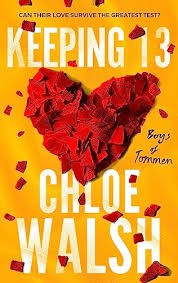
Keeping 13
Injured Johnny and hiding Shannon test first love against rehab pain and family secrets in Tommen.
2,052-word summary · 9 min read
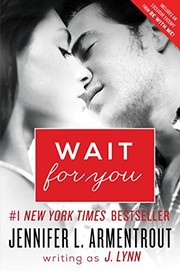
Wait for You
Avery flees Texas for college to bury her past, but patient Cam Hamilton refuses to stay a stranger.
2,866-word summary · 13 min read

Magnolia Parks
London socialite Magnolia Parks and BJ Ballentine keep hurting each other while trying to move on.
2,459-word summary · 11 min read
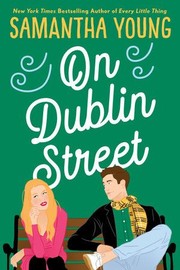
On Dublin Street
A guarded young woman in Edinburgh agrees to a no-strings fling with her roommate's brother, and finds the past she fled catching up with her.
2,491-word summary · 11 min read

Grey
Fifty Shades retold by Christian Grey: his nightmares, his need for control, the contract, and the breakup that breaks him.
2,980-word summary · 13 min read

Wallbanger
Caroline battles thin walls and a charming playboy neighbor in San Francisco, then falls for him.
1,947-word summary · 9 min read
Throttled
F1 driver Noah hates his teammate son Maya, then hires her to fix his image and falls for her.
1,942-word summary · 9 min read
The Rescue
Volunteer fireman Taylor finds a crashed mother and son in a storm, then falls for them both.
1,939-word summary · 9 min read