
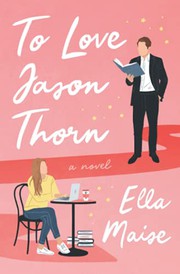
To Love Jason Thorn
2,506-word summary 11 min read 426 pages in the book
- First published
- 2015
- Publisher
- CreateSpace Independent Publishing Platform
- Pages
- 426
- ISBN
- 9781534702165
Reading options
What's inside (8 sections)
I picked up To Love Jason Thorn because a friend kept pushing it as the celebrity romance that actually earns its ending. I expected something light to read between heavier books. What I got was warmer and sadder than I planned for. Ella Maise published it in 2015 with CreateSpace Independent Publishing Platform, and it runs 426 pages in that edition. It follows Olive Taylor, a normal woman with a steady job and a sharp tongue, and Jason Thorn, the Hollywood star who used to live next door and tease her when they were kids. I stayed for Olive. She is funny without trying to be cute about it, and she remembers every version of Jason while refusing to excuse the current one.
The setup hooked me fast. Olive has loved Jason since she was small. Not in a poster on the wall way, though that was part of it. It was built from summers together, fights, nicknames, and the ache of watching your brother's best friend grow up and leave. Jason left their town years ago to act. He made it big. Movies, magazine covers, gossip sites tracking who he dates. Olive stayed home, built a life, told herself the crush was done. Then Jason comes back into her orbit, older and famous and still able to rattle her with one look. I believed that pull. Maise writes it as history, not magic. Olive knows how he acts when he is hurt. That kind of knowledge does not fade because someone gets famous.
Olive and Jason as kids
Olive and Jason start as neighbors and family friends. Jason is tight with Olive's older brother, which means he is always around the house. He eats dinner with them. He sleeps over. He treats Olive like a pest at first, the little sister tagging along.
Maise spends real time here, and I was glad. We see bike rides and backyard games and the easy cruelty kids use when they like each other but lack words for it. Jason teases Olive about her questions and her habit of following the boys. Olive gives it back. She worships him a little, but she also argues with him. That mix matters later. Their bond is not built on one dramatic kiss at fourteen. It is built on years of small loyalty. He walks her home when it gets dark. She saves him a seat even when she pretends she does not care.
There is one thread I kept thinking about. Olive learns early that Jason performs. Even as a boy, he turns it on for adults, then drops the act with his friends. She sees both sides. That early sight becomes her power and her problem as an adult. She can tell when Jason the star is talking and when the real person breaks through. But she also assumes she knows him fully, and fame has added rooms she has never entered.
The childhood section also sets up Olive's home life. Her parents love her, but their marriage has cracks. Her brother loves her in that distant older brother way, protective and careless at once. Jason's home is colder. His parents push and criticize. Success is expected and affection feels conditional. You understand why Hollywood appealed to him. Applause was simpler than his father's approval. You also understand why Olive stayed. Someone had to keep the home fire lit, and she liked her town even when it felt small.
A short passage near the end of this stretch broke my heart a little. Jason leaves for Los Angeles. No big speech. Just a car packed and promises to call that fade. Olive waits by the phone, then stops waiting. She grows up. She dates other people. She works. Maise lets years pass in a few pages, which keeps the pace up. People drift. Even people who once shared a bathroom mirror.
The Hollywood star returns
Adult Jason Thorn is a mess in a tailored suit. Famous, rich, desired, and tired in a way sleep does not fix. The tabloids call him a player. Some of it is true. Some of it is staged by publicists and twisted by photos taken out of context. He drinks more than he should. He trusts almost no one. Work still excites him, the actual acting, the chance to disappear into a part, but the press cycle around it drains him. Premieres, junkets, questions about his love life. He handles it with jokes that sound smooth and feel empty.
Olive meets him again when he is back for family reasons and for a break from Los Angeles noise. She is grown, working, paying bills, living in a small place she likes. She is not waiting for him. That is clear. When she first sees him at a gathering, her stomach drops, but her brain stays on. She notes the haircut, the watch, the way women stare, and also the tightness around his eyes. I liked that Maise does not make Olive melt. She gets flustered, she feels the old pull, then she gets annoyed at herself and gets on with her day.
Their early adult scenes spark because of that friction. Jason expects either worship or scolding. Olive gives him neither. She asks about his work like a person, not a fan. She calls him out when he acts entitled. He is thrown and charmed. He remembers her as the kid with scraped knees. Now she is a woman who can hold a room without raising her voice. He watches her with friends, laughing and relaxed, and you can feel him realize what he gave up by leaving. Ease. Being known without performing.
Fame keeps intruding. Someone snaps a photo of them talking. A blog guesses they are dating. Jason's team sees an angle. Olive's coworkers tease her. Her phone buzzes with old friends asking if she knows Jason Thorn. Maise captures that modern weirdness well. One blurry picture changes how strangers treat Olive for a week. She hates it. Jason is used to it, which tells you how far apart their lives have grown.
A fake dating deal and too much proximity
The middle turns on a deal. Jason needs to calm his public image before his next project. His team wants him seen as stable, capable of commitment. Dating Olive, a normal woman with no interest in fame, would help. Olive needs help with a family matter and has her pride to protect. They agree to pretend. Public dates, photos that look candid, a story about reconnecting with an old friend. Private rules. No real feelings. A clear end date.
Of course rules fail. That is the fun.
Forced proximity does most of the work. Jason stays close by, sometimes at his family place, sometimes crashing where Olive can keep an eye on him. They share rides, kitchens, couches. They run lines together when he preps for a role. Olive cooks and Jason cleans badly and they bicker about music. I loved these domestic pages. Maise lets them be boring together, grocery lists and bad television. Fame fades when someone asks you to reach a high shelf.
The fake dates are a second stage. A dinner where photographers wait outside. A charity event where Olive borrows a dress and feels like an imposter. Olive learns to smile while terrified. Jason stands slightly in front of her to block lenses without making it obvious. After one event, Olive's feet hurt and Jason finds her fries. It reads as care, not show.
Heat builds here too. Jason flirts openly. Olive shuts it down, then invites it, then panics. A hand on a back during photos lingers. A goodnight hug lasts a beat too long. I appreciated that Olive sets terms and Jason respects them, even when frustrated. His restraint tells her more than sweet talk could.
My gripe in this stretch is repetition. Several scenes share the same shape. Public performance goes well, a private moment gets tender, one of them pulls back. After the third round I started skimming party entrances. One fewer gala would have tightened it. Still, the core trick works. Pretending lets them practice being a couple without admitting fear.
Family wounds on both sides
What lifts the book above a simple fame story is family. Both Olive and Jason carry old bruises, and the fake relationship presses on them.
Olive's parents are kind people with a tired marriage. They bicker about money and time. Olive loves them and feels responsible for keeping peace. She mediates at dinners. She hides her own stress so they will not worry. Her brother adds another layer. He loves Jason like a brother and loves Olive fiercely, but he missed signs growing up. He covers guilt with jokes.
Jason's family is harder. His father treats love as a contract. Praise must be earned. His mother tries, but she sides with comfort over conflict. Jason learned to charm strangers and brace at home. Hollywood repeated the pattern. Directors praise him when he delivers and drop him when he does not. No wonder he drinks and deflects.
Two scenes stood out for me. In one, Olive watches Jason with his father at a family meal. Jason sits up straighter, laughs louder, agrees faster. After, in the car, he goes silent and grips the wheel. Olive does not push. She puts her hand near his, giving him room to reach. He does. In another, Jason watches Olive soothe her mother on the phone, making tea while listening. He tells her later that she mothers everyone. She laughs it off. He does not laugh. He sees the cost.
Maise also shows how wounds shape work. Olive chose a practical path partly to stay near family and partly because dreaming felt selfish in her house. She writes on the side and stopped showing people. Jason chose acting partly to earn approval he lacked at home and partly to hide inside other lives. When Olive reads one of his scripts with care, he is startled. No one treats his job as craft anymore. Her attention steadies him. When Jason asks Olive why she stopped sharing her writing, she deflects. Being seen means risk.
Slow burn into commitment
The last third drops the act. Feelings are admitted, then tested. Olive tells herself she can walk away when the deal ends. Jason tells himself he can go back to Los Angeles alone. Neither believes it.
Maise handles the turn with patience. There is no single grand speech where love is declared and all fear ends. Instead there are small choices. Jason turns down a late party to help Olive with a family errand. Olive skips a work event to sit with Jason before a hard call with his agent. He tells the truth in an interview when a lie would be easier. She lets him meet her friends as himself. Each choice costs a little pride or time. That is why I trusted the romance.
Physical closeness follows emotional safety, not the reverse. When they finally cross the line they set early, it feels earned because they have talked, fought, and forgiven first. Maise writes those scenes with warmth and humor. Awkward laughter, paused consent, morning-after shyness between people who already know each other's cereal habits. It avoids the polish that makes celebrity love feel fake. Bodies are clumsy. Feelings are not.
Then comes the break. Jason gets an offer that would keep him away for months. Old habits pull him toward yes without asking Olive. Olive hears about it secondhand and feels like a prop again, the hometown girl used for image repair. She pulls back hard. He lets her, because part of him believes he ruins good things. They spend miserable days apart. She replays photos and wonders what was real. He wonders if he can be steady enough for her.
The repair worked for me because it is practical. Jason does not send flowers and a speech. He changes his schedule, talks to his team about boundaries with press, admits he needs help with drinking and sleep. Olive does not melt at once. She asks for specifics. How will press be handled. Where will they live. He answers with plans, not promises. Her brother vets him in a blunt talk that I enjoyed. Trust returns in steps.
The final commitment lands quietly. No stadium proposal. A key, a shared lease, a decision to split time between Los Angeles and home. Olive shows Jason pages she wrote. He reads them with full attention and gives notes that are kind and strict. That exchange meant more to me than any ring talk. They are choosing each other's real work as well as each other's company. The last pages show them facing cameras together on their terms. Private jokes in public places. I closed the book satisfied.
What works and what wears thin
Looking back, the strengths are clear. Olive carries the book. She is observant, loyal, prickly when scared, generous when it counts. I have read many heroines who forgive famous men too fast because the plot needs it. Olive does not. She makes Jason earn access, and she admits when her own pride blocks her. Jason works because Maise lets him be tired. He is a working actor, good at his job, bad at rest, trying to be decent while people profit from his worst impulses. Their banter made me smile on the train.
The Hollywood detail feels lived in without showing off. Call times, junkets, the particular loneliness of hotel suites, the way assistants become friends and guards. Maise never explains too much. Olive's outsider view helps. She asks the plain question a reader would ask. Why do you need security for coffee. Why smile for a camera that just insulted you. Jason's answers are weary and funny.
Now the fair knocks. The middle repeats its beat, as I said. Some secondary figures stay thin. Olive's coworkers exist to react to photos. Jason's agent exists to state stakes. I wanted one friend to challenge Olive harder on why she agreed to the deal, beyond teasing. The book also softens Jason's drinking fast in the final act. He admits the problem and takes steps, which I respect, but the timeline feels quick. A harder boundary with old party friends would have made his growth feel sturdier.
Who should read it. If you like friends to lovers with a fame twist, if you like banter that hides hurt, if you like heroines with jobs and bills and family group chats, this will fit. If you want fast spice from page one, look elsewhere. The heat waits. If you dislike staged dating, the middle may test you, though I think the family story repays patience. For me, the image that stays is not a red carpet. It is Olive reading aloud in a kitchen while Jason listens with his eyes closed, takeout going cold, phones face down. Two people practicing honesty in a small room.
FAQ
What is To Love Jason Thorn about?
Olive Taylor reunites with Jason Thorn, her brother's childhood friend turned Hollywood star. To calm his press image they pretend to date, share close quarters, and confront family strains before admitting real feelings.
Is To Love Jason Thorn part of a series?
It is a standalone new adult contemporary romance with celebrity and Hollywood elements. Expect friends to lovers, fake dating, forced proximity, and a slow burn rather than instant heat.
Which edition facts does this summary use?
The edition cited here was published in 2015 by CreateSpace Independent Publishing Platform with 426 pages and ISBN 9781534702165. The story follows Olive and Jason from shared childhood into an adult commitment.
Similar books

Lick
Evelyn wakes up married to the lead guitarist of Stage Dive after a Las Vegas birthday she cannot remember, and the annulment gets complicated.
1,989-word summary · 9 min read
One to Watch
A plus-size fashion blogger takes the lead role on a reality dating show to prove she belongs on television, and finds she might want what the cameras offer.
2,478-word summary · 11 min read

Collided
Sophie bets she can resist playboy Liam, then pit walls fall.
2,219-word summary · 10 min read

This Man
Ava O Shea meets Jesse Ward while designing The Manor House, and their obsessive affair tests her work and limits.
2,209-word summary · 10 min read

The Coincidence of Callie & Kayden
Callie saved Kayden in an alley and meets him again in college, where both must face assault and abuse to learn trust.
2,578-word summary · 11 min read
Playing for Keeps
Childhood neighbors Haley and Jason turn a long prank war into a fake relationship that turns real.
2,571-word summary · 11 min read
Gabriel's Rapture
A professor faces a hearing while Julia fights for her own name in Florence, testing love through distance and work.
2,480-word summary · 11 min read

Effortless
Kiera and Kellan try to build trust after choosing each other, tested by tour life, jealous fans, and Denny's lingering presence.
2,568-word summary · 11 min read

The Takeover
An arrogant CEO and the sharp employee forced to staff his deal trade insults, trips and late nights across a long push-pull, until pride and jealousy force…
2,580-word summary · 11 min read
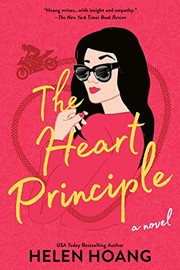
The Heart Principle
Violinist Anna Sun plans one night with Quan Diep, then faces autistic burnout and family duty after her father's stroke in Hoang's 352-page 2021 Berkley…
2,793-word summary · 12 min read

Tangled
Told by a cocky businessman, a bet to win the new associate who rejects him turns into real pursuit, strict rules, a painful reveal and a wedding-level happy…
2,868-word summary · 13 min read
Pushing the Limits
Scarred Echo and foster kid Noah take on tutoring, family secrets, and a custody fight in this 2012 debut about trust after harm.
2,831-word summary · 13 min read
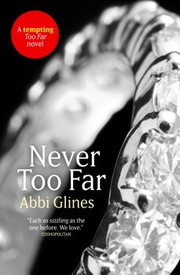
Never Too Far
Blaire flees Rosemary Beach after Rush's lies, then must decide if his pursuit and Nan's exposed schemes earn trust again.
2,626-word summary · 12 min read
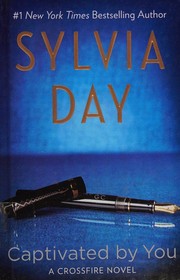
Captivated by You
Eva and Gideon hide a secret Caribbean marriage while planning a Monterey wedding as Gideon arrest, press threats, and Corinne strain test them in Crossfire…
3,016-word summary · 13 min read
Funny You Should Ask
Chani profiles star Gabe Parker, then ten years later a reunion interview tests memory, work, and timing.
2,603-word summary · 12 min read
Before We Were Strangers
Matt waits fifteen years to ask Grace why she left after one college night that shaped them both.
2,386-word summary · 11 min read
Thoughtless
Kiera follows her boyfriend to Seattle and falls for her roommate, rock singer Kellan Kyle, in a messy love triangle about loyalty and desire.
2,997-word summary · 13 min read
Addicted to You
Lily hides sex addiction and Lo hides drinking while faking love to fool their rich families.
2,064-word summary · 9 min read
Wait for You
Avery flees Texas for college to bury her past, but patient Cam Hamilton refuses to stay a stranger.
2,866-word summary · 13 min read

Magnolia Parks
London socialite Magnolia Parks and BJ Ballentine keep hurting each other while trying to move on.
2,459-word summary · 11 min read
On Dublin Street
A guarded young woman in Edinburgh agrees to a no-strings fling with her roommate's brother, and finds the past she fled catching up with her.
2,491-word summary · 11 min read

Wallbanger
Caroline battles thin walls and a charming playboy neighbor in San Francisco, then falls for him.
1,947-word summary · 9 min read
Throttled
F1 driver Noah hates his teammate son Maya, then hires her to fix his image and falls for her.
1,942-word summary · 9 min read

Easy
A college freshman rebuilding after a breakup finds an unexpected bond with a tattooed classmate while facing a stalker.
2,364-word summary · 11 min read
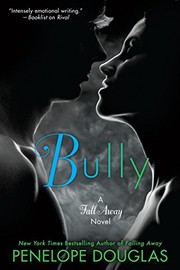
Bully
Tate returns from France to face Jared, the boy who bullied her for years and still will not leave her alone.
1,934-word summary · 9 min read
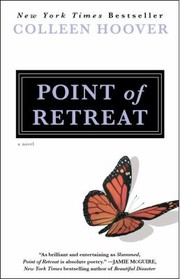
Point of Retreat
Will and Layken keep love and two brothers together through bills, jealousy, and a pregnancy scare.
2,037-word summary · 9 min read

Wildfire
Hockey goalie Russ Callaghan and bold Aurora Roberts reunite as camp counselors after a one-night stand in this Maple Hills summer romance.
2,931-word summary · 13 min read
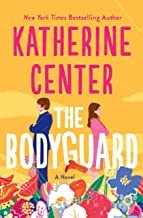
The Bodyguard
Hannah Brooks, an executive protection agent grieving her mother, poses as movie star Jack Stapleton's girlfriend on his Texas family ranch.
3,962-word summary · 18 min read

Slammed
Grieving Layken falls for neighbor Will, then learns he is her teacher, and poems carry them.
2,793-word summary · 12 min read