

Wait for You
2,866-word summary 13 min read 384 pages in the book
- First published
- 2013
- Publisher
- William Morrow Paperbacks
- Pages
- 384
- ISBN
- 9780062294777
- Series
- Wait for You (#1)
Reading options
What's inside (8 sections)
I picked up Wait for You because I wanted to understand where New Adult romance came from. J. Lynn is the pen name Jennifer L. Armentrout uses for her contemporary college romances, separate from the fantasy books she publishes under her own name. She published this one in 2013 with William Morrow Paperbacks, 384 pages, the first book in the Wait for You series.
Avery Morgansten is nineteen and starting college thousands of miles from her Texas hometown. She chose distance on purpose. She wants classes on time, a quiet routine, and maybe a friend or two if she is lucky. She checks the bracelet on her left wrist without thinking. She keeps her head down. She does not want attention, gossip, or questions. The plan lasts about ten minutes.
On her way to class she literally runs into Cameron Hamilton. He is tall, six foot three, blue eyes, dark hair, a dimple that shows when he smiles crooked. He catches her, steadies her, teases her. He calls her sweetheart almost from the start. Avery is mortified and flustered. Cam is amused and interested. He decides quickly that they will be friends. Avery decides just as quickly that friendship with him is risky.
Cam has a reputation. Everyone on campus seems to know him. Girls watch him. Guys want to be him. He parties, he flirts, he does not do girlfriends. That is the story Avery hears from her new acquaintances. What she sees is different. He shows up where she is. He talks easily. He remembers small things she says. He offers breakfast. He brings cookies to her apartment door and turns it into a running joke between them. When she says no to a date, he does not sulk or push hard. He says they can start with friendship. He means it, and that confuses her more than pressure would.
Crashing into Cam on day one
That first collision sets the tone for half the book. Avery is clumsy around Cam in a way that feels honest rather than cute for effect. She is early for everything because lateness makes her anxious. She plans routes. She apologizes too much. Cam walks straight through those plans. He falls into step beside her after class. He texts. He waits outside the library. He learns her schedule faster than she wants him to.
Avery narrates in first person, and her voice is nervous, funny in a self protective way, and observant about other people. She notices how Cam treats waiters, how he talks to his sister, how he backs off when she freezes. She also misreads him constantly at first. When he is kind, she looks for the angle. When he flirts, she assumes she is a temporary project. Part of that is inexperience. Most of it is history she has not told him yet.
Cam is patient in a way that surprised me. He carries her books. He walks her home. He sits with her while she studies even when she barely talks. He does get frustrated and his temper flares when he thinks someone is messing with her. But he apologizes instead of going cold for days.
The banter carries these chapters. Cam teases about her punctuality, her organized bag, her habit of chewing her lip when she is thinking. Avery fires back more as she relaxes. She is quick when she forgets to be scared. One exchange about cookies becomes their shorthand. He shows up with them, she pretends to be annoyed, he pretends his motives are purely sugary. It is light, and the book needs that lightness because heavier material sits underneath every scene.
Cookies, breakfast, and just friends
Avery makes two friends fast, which helps. Brit is warm, blunt, and welcoming. Jacob is Brit's friend, funny, a little messy, loyal once he decides he likes you. Through them Avery meets Teresa Hamilton, Cam's younger sister, and Jase Winstead, Cam's best friend and Teresa's complicated almost something. The group eats together, studies together, goes to parties together. For Avery, who spent high school isolated by rumor, ordinary group dinners feel strange and good.
The friendship rule with Cam does not hold. They agree to be friends because Avery says dating is off the table. Cam agrees because some Avery is better than no Avery. They study together. They text late. He cooks breakfast in her tiny kitchen and acts like it is normal. She lets him because she likes how normal it feels. Then he touches her hand or brushes her hair back and the air changes. She pulls away. He pretends it does not sting. Both of them lie about being fine with the arrangement.
What I liked here is how physical reactions are written as part of Avery's larger problem, alongside attraction. She wants Cam. She also panics when she wants him. A kiss that should be exciting leaves her shaking. A hand on her back in a crowd makes her go still. Cam notices. He stops, asks if she is okay, gives space. He does not demand an explanation on the spot. That restraint makes him credible as a love interest for someone with her past. A pushier hero would have broken the story.
There is still a lot of circling. Avery says no, Cam waits, Avery relents a little, then retreats. If you get impatient with slow burn, the middle of this section will test you. I did get restless around the third almost date. At the same time, the repetition makes sense for her. Trust does not arrive because a nice guy shows up. It arrives in small proofs. He remembers she hates being late. He does not stare at her bracelet. He leaves when she asks him to leave. Those details accumulate.
College life fills the gaps. Classes, laundry, thin apartment walls. Avery loves the anonymity at first. Nobody knows about Texas. Then new whispers start because she is seen with Cam. She worked so hard to escape being talked about, and dating rumors follow her anyway.
The bracelet and what happened at fourteen
Avery wears a wide bracelet on her left wrist and almost never takes it off. People assume it is style. It is cover. Underneath is scarring from that Halloween night five years earlier, when she was fourteen. The book reveals this slowly, which frustrated some readers and worked for me once I accepted the method. Hints come early. Full clarity comes late.
What happened was an assault at a Halloween party by friends of her then boyfriend. Avery was fourteen and trusted people she thought were friends. Afterward, instead of support, she got suspicion and blame in her small Texas town. Her parents, especially her mother, cared more about appearances and quiet than about what Avery needed. They stayed, and Avery lived inside the rumor for years.
Her parents remain distant in the present. Her mother calls with criticism disguised as concern. Her father is quieter but absent in the ways that count. Money is not the issue. Attention to the wrong things is the issue. They wanted the story to fade. Avery wanted to be believed. That split never healed. Moving far for college was her first real choice about it. She thought miles would do what her family would not. Give her a fresh start.
The bracelet matters because Avery controls who sees the scar. Taking it off, even to sleep, feels exposed. Cam notices she never removes it but does not pry at first. When he finally asks, she deflects. I found those deflections painful to read because they are so familiar. She changes the subject, jokes, gets busy with dishes. She is not ready to say the words out loud to someone she likes. Saying them would make the past real in this new place. She wants one clean area of life.
One fair point is that the book withholds the full account for a long time while dropping heavy hints. I guessed early and wished Avery would tell someone sooner. The delay shows how hard speech feels for her. Still, there are scenes where Cam opens a door wide and Avery walks past it. Those moments annoyed me, even though they match how shame works.
Messages that will not stop
Halfway through, Avery starts getting threatening emails and calls. At first they look like pranks. Then they turn specific. References to Texas, to Halloween, to what she wore, to what people said she did. The tone shifts from taunting to menacing. Someone knows where she is. Someone wants her scared.
This is where romance and suspense lock together. Avery tries to hide the messages. Cam sees her go pale at her phone and asks. She minimizes. He pushes a little, then worries privately. He wants to walk her everywhere. Avery refuses help because accepting help would require telling the whole story.
The stalker thread is not subtle. You will likely identify the source before Avery does. The book does not work hard to mislead. It works to show how old fear returns in a new place. Avery sleeps worse. She checks locks. She jumps at knocks. She starts skipping things she enjoyed. College, which felt open, narrows again. I thought this section captured something true about harassment. It does not need to be physically close to shrink your life. A few messages can do it.
Cam's past comes out around here too. He is no golden boy with a dimple and nothing else. He got into fights growing up. He has a temper he works to control. He did things he regrets, including a violent incident tied to protecting someone he loves. He tells Avery because she needs to know he understands shame, not because he wants credit for honesty. His story does not equal hers, and the book does not pretend it does. It gives them a bridge. Both have done things they wish they could redo. Both fear being defined by the worst version of themselves.
Their first real fight grows from this pressure. Cam hates being shut out. Avery hates being managed. He says she does not trust him. She says trust is not a switch. He raises his voice. She shuts down. They separate for a day that feels longer on the page. I was glad the book let them both be wrong. Cam's anger, even when motivated by care, scares her for good reason. Avery's silence, even when motivated by fear, hurts him for good reason. Neither gets a speech that fixes it instantly.
Sitting at the Hamilton table
The Hamilton family becomes Avery's counter image of home. Cam's parents are warm, teasing, present. Their house is loud in a comfortable way. Food, jokes, siblings talking over each other. Teresa, Cam's sister, befriends Avery quickly. Jase, the best friend who is practically a brother, watches out for her too. For someone raised in a house where image mattered more than comfort, sitting at a table where people argue about potatoes feels like another planet.
Teresa and Jase get enough page time to set up later books without hijacking this one. Teresa nurses feelings for Jase, who keeps his distance partly because Cam would kill him if he messed it up. Jacob and Brit keep things steady and funny. Brit in particular tells Avery plain truths when Avery spirals.
Cam at home is different from Cam on campus. He is softer, sillier, more openly affectionate with his mom and dad. He helps without being asked. He takes teasing about Avery with red ears. Watching him there helped me believe Avery's growing feelings. It is one thing to fall for a hot guy who brings cookies. It is another to see him as a son and brother who shows up. Avery watches, and you can feel her rethinking what family could be. She does not say it. She just stays a little longer each visit.
Parties still happen. Avery navigates them with rules. Stay near friends. Leave early if the room tilts. There is a Halloween themed event that lands hard. Costumes, dark rooms, hands grabbing in fun that does not feel fun to her. Avery panics and leaves. Cam finds her, does not demand an explanation in the parking lot, just gets her home.
Sex in this book is explicit and frequent once they get there, written in open door New Adult style. For Avery, physical intimacy is tied directly to healing. Early attempts stall. She freezes, or cries, or needs to stop. Cam stops immediately every time. He asks what she needs. He does not pout. They talk after, awkwardly and honestly. When they finally are fully together, the book treats it as her choice, on her timeline, with room to pause. Readers who prefer closed door should know this is not that book. Readers who want desire tied to emotional stakes will find a lot here.
Saying it out loud
The truth comes out in layers, then all at once. Avery tells Brit and Teresa part of it first, testing words with people who feel safer because she does not desire them the way she desires Cam. Then she tells Cam. The scene is not polished. She stumbles, backtracks, cries. She names what happened at fourteen, the assault, the blame, the town, her parents' failure to stand up for her. She shows the scar under the bracelet. Cam listens. He does not interrupt with solutions. He holds her when she lets him and sits nearby when she cannot be touched.
His reaction matters and the book gets it mostly right. He is angry at the boys who hurt her, angry at the town, angry at her parents. He is not angry at her. He does not ask what she wore or drank or why she went upstairs or any of the questions that haunted her for years. He believes her. He says it plainly. For Avery, being believed by a boy she loves lands like medicine. It does not erase anything. It loosens something.
The stalker situation peaks around the same time. Without spoiling every turn, the threats connect to Texas and to jealousy and possessiveness that never accepted Avery leaving. Confrontation happens. People get hurt. Cam's temper flares in a way that shows both his love and his flaw. He wants to handle it with fists. Avery wants it handled with truth and law and distance. They have to negotiate what protection looks like when one person fears violence and the other reaches for it. The resolution is satisfying without pretending that arrest or a fight fixes trauma.
Afterward comes repair rather than instant happiness. Avery still flinches sometimes. Cam still worries too much. They talk about therapy, about telling her parents they failed her, about what staying together requires. Avery decides to stop letting shame choose for her. That means finishing the semester well, keeping friends, letting Cam love her without managing his feelings constantly. It also means accepting that healing is slow. The final chapters are warm. Shared breakfasts, teasing about cookies, plans for holidays with the Hamiltons. Hopeful, not perfect.
What works best is the central relationship. Cam has limits and a past that gives him weight. Avery is funny, stubborn, loyal to friends. Their dynamic carries pages that would drag with a lesser pair. The friend group helps. Brit, Jacob, Teresa, Jase make campus feel populated.
What drags is pace and repetition. The middle circles the same argument about dating and waiting. I understood why, and I still wanted one fewer loop. Cam also strains belief at times. Handsome, kind to family, great in bed, endlessly patient. Flaws are mentioned more than shown, except temper. Readers sensitive to possessive behavior should note moments where concern tips toward control, even though the book frames them as love.
Who should read it. If you like college romance with real emotional stakes, slow burn that pays off, found family, and heroes who ask for consent, this will hit. If you want fast plot, messy unlikeable leads, or closed door, look elsewhere. Content notes matter here. This book centers sexual assault of a minor, victim blaming, stalking by phone and email, panic attacks, and explicit consensual sex between college students. Armentrout handles the assault with care and without graphic detail of the act itself, focusing on aftermath. Still, it is central and unavoidable. Take care if those topics are raw for you.
I finished liking Avery and Cam more than I expected. Not because their story is new. Girl with past meets boy who waits is a familiar shape. Because the waiting is treated as work, alongside longing. Cam waits by learning her routines, meeting her friends, showing up sober and steady. Avery waits by learning to speak, to let herself be seen without the bracelet as shield, to accept help without feeling ruined by needing it. Some books rush that. This one lets it take most of 384 pages. By the end I believed they had earned the easy scenes. Breakfast tastes better after the hard talk. That is the whole idea, and for all my impatience in the middle, the book delivers it.
FAQ
Is Wait for You part of a series?
Yes. It is book one in the Wait for You series, followed by Trust in Me and Be with Me in the same college circle.
When was Wait for You published?
It was first published in 2013 by William Morrow Paperbacks. The paperback runs 384 pages and its ISBN is 9780062294777.
Is J. Lynn really Jennifer L. Armentrout?
Yes. J. Lynn is the pen name Jennifer L. Armentrout uses for New Adult contemporary romance, kept separate from her fantasy books.
Similar books
More from Wait for You first, then related titles.
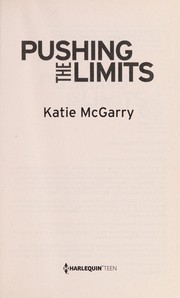
Pushing the Limits
Scarred Echo and foster kid Noah take on tutoring, family secrets, and a custody fight in this 2012 debut about trust after harm.
2,831-word summary · 13 min read

Easy
A college freshman rebuilding after a breakup finds an unexpected bond with a tattooed classmate while facing a stalker.
2,364-word summary · 11 min read

The Coincidence of Callie & Kayden
Callie saved Kayden in an alley and meets him again in college, where both must face assault and abuse to learn trust.
2,578-word summary · 11 min read

Thoughtless
Kiera follows her boyfriend to Seattle and falls for her roommate, rock singer Kellan Kyle, in a messy love triangle about loyalty and desire.
2,997-word summary · 13 min read

One to Watch
A plus-size fashion blogger takes the lead role on a reality dating show to prove she belongs on television, and finds she might want what the cameras offer.
2,478-word summary · 11 min read

Rule
A tattoo artist still grieving his twin and the polished girl who has loved him since she was thirteen finally collide one drunken night in Denver.
2,014-word summary · 9 min read
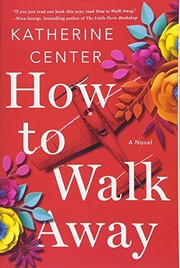
How to Walk Away
Margaret Jacobsen has the job, the fiance, and the future mapped out, until a small-plane crash on Valentine's Day takes almost all of it in one afternoon.
2,012-word summary · 9 min read
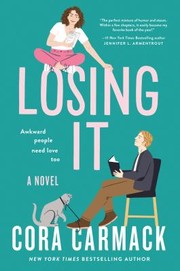
Losing It
Bliss plans a one-night stand, then finds her hookup is her professor.
2,195-word summary · 10 min read

Collided
Sophie bets she can resist playboy Liam, then pit walls fall.
2,219-word summary · 10 min read

To Love Jason Thorn
Childhood friends Olive and Jason reunite when the Hollywood star returns home, fake a romance for the cameras, and face old family wounds before trust turns…
2,506-word summary · 11 min read

This Man
Ava O Shea meets Jesse Ward while designing The Manor House, and their obsessive affair tests her work and limits.
2,209-word summary · 10 min read

Playing for Keeps
Childhood neighbors Haley and Jason turn a long prank war into a fake relationship that turns real.
2,571-word summary · 11 min read

Gabriel's Rapture
A professor faces a hearing while Julia fights for her own name in Florence, testing love through distance and work.
2,480-word summary · 11 min read

Effortless
Kiera and Kellan try to build trust after choosing each other, tested by tour life, jealous fans, and Denny's lingering presence.
2,568-word summary · 11 min read

The Takeover
An arrogant CEO and the sharp employee forced to staff his deal trade insults, trips and late nights across a long push-pull, until pride and jealousy force…
2,580-word summary · 11 min read

The Play
Briar U hockey star Hunter coaches quiet junior Demi in confidence and fake dating until real feelings break the plan.
3,080-word summary · 14 min read

The Marriage Plot
At Brown in 1982, Madeleine loves Austen while torn between brilliant Leonard and steady Mitchell.
2,804-word summary · 12 min read

The Heart Principle
Violinist Anna Sun plans one night with Quan Diep, then faces autistic burnout and family duty after her father's stroke in Hoang's 352-page 2021 Berkley…
2,793-word summary · 12 min read

Tangled
Told by a cocky businessman, a bet to win the new associate who rejects him turns into real pursuit, strict rules, a painful reveal and a wedding-level happy…
2,868-word summary · 13 min read

Never Too Far
Blaire flees Rosemary Beach after Rush's lies, then must decide if his pursuit and Nan's exposed schemes earn trust again.
2,626-word summary · 12 min read

Captivated by You
Eva and Gideon hide a secret Caribbean marriage while planning a Monterey wedding as Gideon arrest, press threats, and Corinne strain test them in Crossfire…
3,016-word summary · 13 min read

Good Girl Complex
A people-pleasing college girl moves to beach town Avalon Bay and falls for a local boy who distrusts her whole world.
2,225-word summary · 10 min read

God of Malice
Rina Kent's God of Malice fully retold: Glyndon King, Killian Carson's fixation, secret societies, and the Devlin twist that resets everything.
2,849-word summary · 13 min read

Before We Were Strangers
Matt waits fifteen years to ask Grace why she left after one college night that shaped them both.
2,386-word summary · 11 min read

The Legacy
Four Briar hockey couples face weddings, proposals, and parenthood three years after graduation.
2,172-word summary · 10 min read

After Ever Happy
Tessa and Hardin face family truths and tragedy before wedding.
2,373-word summary · 11 min read
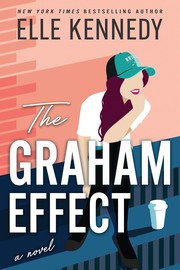
The Graham Effect
A hockey legacy and a sharp newcomer trade lessons, banter, and slow trust at Briar.
2,377-word summary · 11 min read

Addicted to You
Lily hides sex addiction and Lo hides drinking while faking love to fool their rich families.
2,064-word summary · 9 min read

The Risk
Brenna needs a fake boyfriend for an internship interview and picks rival star Jake, who wants real dates in return.
2,911-word summary · 13 min read

Say You Swear
Arianna Johnson heads to Avix University hung up on her brother's best friend, until steady quarterback Noah Riley forces her to rethink first love.
2,397-word summary · 11 min read