

Under One Roof
3,596-word summary 16 min read 164 pages in the book
- First published
- 2022
- Publisher
- Berkley Books
- Pages
- 164
- ISBN
- 9780593437810
- Series
- The STEMinist Novellas (#1)
Reading options
What's inside (9 sections)
I picked up Under One Roof on a tired Sunday when I wanted something short and warm. I had read The Love Hypothesis the year before and liked the lab banter and the grumpy hero with a soft center. When I saw Hazelwood had a set of short novellas with science heroines, I grabbed the first one. The book came out in 2022 as The STEMinist Novellas number one. It started as an Audible-first story and then appeared in print from Berkley Books. The print runs 164 pages. I finished it in one long sitting with tea going cold beside me, and then I sat around thinking about why such a small story worked as well as it did.
The setup is simple on purpose. Mara is a scientist trying to hold her work and her housing together at the same time. Liam is a lawyer, guarded and prickly and used to getting his way through paper and rules. Through a shared inheritance, each of them ends up with a claim on the same house. Neither wants to sell. Neither wants to leave. So they land on the only plan that lets both stay put. They will live there together, under strict house rules, until something gives. It is forced proximity in its purest form. One roof. Two strangers. A hallway that suddenly feels very narrow.
What I liked right away is how fast Hazelwood gets them into the house. There is no long run-up with side plots and old friends weighing in. Mara arrives with boxes and a work bag and a clear sense that she cannot afford to start over somewhere else. Liam is already there, settled into his corners, annoyed at the noise and the change. The first chapters live in doorways and kitchens. Who gets which shelf. What time the shower runs. Whether guests can stay over. Whether work calls can happen in shared rooms. Mara reads the rules like lab protocol. Liam reads them like contract terms. Both of them pretend this is only about square feet. It is clearly about control, and about two tired people trying not to want company.
Mara carries the book the way Hazelwood heroines usually do. She is smart and capable at work, funny with friends, and less sure of herself at home than she lets on. She talks herself through stress the way I talk myself through a hard week, with lists and small plans and a joke that only half lands. She wants to be taken seriously in her field. She wants to pay rent without panic. She wants a room where she can think. I liked that her science life stays present without taking over every page. There are grants and deadlines and lab politics in the background. There are late emails and tired mornings. But the pages keep returning to the house, because the house is where she feels off balance. Work she can handle. A grumpy housemate who watches her over coffee is harder.
Liam is the classic Hazelwood grump, and I mean that fondly. He is curt. He is tidy. He says little and means what he says. Early on he comes across as cold, the kind of man who answers questions with nods and leaves rooms before small talk starts. Then Hazelwood lets small cracks show. He makes room on a shelf without being asked. He remembers how Mara takes her coffee. He fixes a stuck window instead of writing a note about it. None of this is framed as grand gesture. It reads like habit from a man who was raised to be useful and then forgot how to be soft about it. I found myself warming to him around the same time Mara did, which is exactly the point of this kind of slow burn.
A Strange Inheritance
The inheritance plot sounds odd until you sit with it. Two people who never chose each other end up owning parts of the same small house. The will or transfer behind it stays in the background, and I was glad Hazelwood did not bog down a 164-page story with probate detail. What matters is the result. Mara cannot walk away without losing money and footing she needs. Liam cannot walk away without giving up a place that suits his quiet routines. So they stay, and they write rules to make staying bearable.
I liked how adult the choice feels. No one storms out and slams doors for chapters. They talk, stiffly at first, about practical terms. Shared costs. Quiet hours. Cleaning. Boundaries around work and sleep and guests. Mara pushes for clarity because clarity helps her breathe. Liam pushes for clarity because he likes terms he can hold. Their first real conversations sound like talks between roommates who might become friends if they survive the lease. The pages move quickly here. Boxes get unpacked. A kettle gets claimed. Someone leaves a light on and someone else turns it off with feeling.
The house itself does a lot of work for such a short book. Hazelwood gives it creaks and drafts and a kitchen that forces contact. The hallway is narrow enough that passing means stepping close. The living room has one good chair and one bad one, and they trade without admitting they keep track. The spare towels become a small war. I have lived in shared houses where the towel shelf told you everything about the mood, so these bits rang true. Forced proximity only works if the space forces small touches, and this house does. Doors open. Steam drifts from showers. Music leaks under doors. You cannot hide from a person when you share walls this thin.
House Rules
The middle stretch belongs to the rules, and to all the ways Mara and Liam break them without saying so. On paper they agree to polite distance. In practice they start leaving room for each other. Mara cooks a little extra and calls it accident. Liam stays up to let her in when she works late and calls it coincidence. They text from different rooms about bills and then keep texting about small things. A funny sign on the fridge. A note about the trash. A warning that the hot water runs out fast. Each note is short. Each one pulls them a step closer.
What makes this section fun is how much stays unsaid. Mara tells herself Liam is only being civil. Liam tells himself Mara is only being practical. Both of them are bad at lying to themselves, which Hazelwood plays for gentle comedy. Mara replays a brief touch in the kitchen for an hour. Liam replays a laugh from Mara while he tries to read briefs. They sit on opposite ends of the couch with a whole cushion between them, and that cushion starts to feel like a joke. I laughed at one scene where they both reach for the same mug and then pretend it meant nothing. It meant something. Everyone in the room knows it, including the reader.
Work threads through these chapters in a light way. Mara answers emails at odd hours. She worries about funding and about being the only woman in certain rooms. Liam works long hours too, with calls that run late and files that spread across the table. They bond over tiredness more than anything grand. Takeout containers pile up. Someone makes tea at midnight. Someone else says thanks too fast and looks away. These are not big scenes. They are the kind of small domestic moments that make cohabitation stories stick. I found myself marking pages where nothing huge happens, and yet the mood shifts. That is craft, even in a novella written to be quick.
The physical pull builds slowly, which suited me. Hazelwood writes adult heat in clear terms but keeps the focus on want rather than acts for long stretches. Mara notices Liam's hands when he fixes things. Liam notices Mara's focus when she reads. They stand a little too close in the kitchen and then step back fast. They sit near each other to watch something and forget to move. Because the book is short, Hazelwood cannot spend two hundred pages on longing looks. She picks a few charged moments and lets them count. A shared blanket. A late talk with voices low. A hand on an arm that stays half a second too long. If you like slow burn, this pacing will please you. If you need constant heat, this one may feel restrained until late.
Grumpy Meets Guarded
Mara and Liam both guard themselves, and the book is frank about why that makes dating them hard. Mara has learned to lead with competence because competence gets respect. She jokes when she feels exposed. She overexplains when she fears she sounds needy. With Liam she keeps waiting for the catch, for the moment when kindness turns out to be strategy. Liam guards himself in a different way. He goes quiet. He keeps his face still. He answers personal questions with short facts and then asks about her day, as if listening is safer than telling. Together they form a neat pair. She fills silence. He holds it. Both habits protect sore spots.
I liked the scenes where those habits slip. Mara admits she is tired in a way sleep will not fix, and Liam does not try to solve it with advice. He makes room, pours water, sits nearby. Liam admits work has worn him thin, and Mara does not pry for details he cannot share. She asks what helps and then does that small thing. These talks happen at kitchen counters and on stairs, in robes and work shirts, with hair damp and phones face down. The ordinariness helps. It is easier to say true things when you are both half dressed for bed and too tired to pose. Hazelwood has a gift for these low light talks. They feel lived in rather than staged.
Friends and coworkers pass through in brief flashes. Mara has people who text and check in. Liam has a colleague or two who remind him the world exists outside the house. Nobody steals focus, which is wise in a story this short. The point stays on the pair. Still, I liked seeing Mara through other eyes now and then. Her friends hear the exasperation in her voice when she talks about the roommate, and they hear the fondness under it before she does. Those outside views confirm what the reader already suspects. Mara protests a bit too much. Liam has stopped sounding like a burden and started sounding like a story she wants to keep telling.
One thread I wished had more room is Mara's science identity. Hazelwood built her name on STEM heroines, women with pipettes and code and field notes who refuse to shrink. Mara fits that line. She is sharp, driven, and tired of proving she belongs. But because the page count is tight, her work often sits at the edge of scenes rather than inside them. We get deadlines and tired jokes and a strong sense of pressure. We get fewer lab rooms and live problems than in the longer novels. I missed the texture of failed trials and sharp mentors and bench talk that made The Love Hypothesis feel specific. Here the science reads more as grounding than as plot. It tells you who Mara is without slowing the romance to show her at work.
Slow Heat In Close Quarters
Around the back third, the book shifts from teasing to tending. Mara and Liam stop pretending distance works. They start choosing closeness in plain ways. Shared meals become normal. Evening talks run long. They learn each other's tells. Mara hums when she concentrates. Liam rubs his neck when a call went badly. They start saving each other the last bite without thinking. It is domestic and sweet, and Hazelwood lets it breathe for a few chapters before the required rough patch arrives.
Every romance needs a snag, and this one is modest. Without giving too much away, the trouble comes from outside pressure and old fear rather than betrayal. Someone questions whether living together blurs lines Mara needs sharp for work. Liam pulls back because he fears he takes up too much room in her life. Mara pulls back because she fears wanting the house to mean more than walls. The pages where they step apart hurt in a quiet way. No shouting. No cruel twist. Only two people who like neat terms trying to label something messy. I read those chapters fast because I wanted them back at the same table.
The repair works because it stays in character. Liam shows up with acts rather than speeches. He fixes what he can fix. He states plain terms for what comes next, which is how he loves. Mara answers with clear words rather than hints, which is how she loves when she trusts herself. They renegotiate the house rules into something closer to promises. Who sleeps where matters less than how they speak when tired. What guests are allowed matters less than whether both feel at home. I liked that the fix is practical and tender at once. It fits a lawyer and a scientist. Terms, stated kindly, can be love language too.
The closing chapters lean cozy. Morning routines sync. Keys find hooks. The house feels shared rather than split. Hazelwood keeps adult scenes brief and warm, focused on trust and asking well. Readers who want pages of heat may find this light. Readers who want the feeling of falling asleep next to someone safe will find it here. The end does not try to solve careers or families or futures in full. It solves the house. Two people who started as co-owners end as partners choosing the same rooms. For a novella, that scope feels right. Small house. Small cast. One clear change from strangers to something steadier.
Hazelwood And The STEM Romance Shelf
It helps to read Under One Roof with Hazelwood's larger shelf in mind. She came up as a neuroscientist turned romance writer, and her early novels made a mark with readers who wanted smart heroines and kind heroes. The Love Hypothesis gave us Olive and Adam in a fake dating plot wrapped around grant stress and lab sexism. Later books kept the pattern with variations in physics and engineering and marine themes. The through line held. Capable women. Thoughtful men who ask before they touch. Banter with science jokes. Heat with clear consent. Work trouble that feels drawn from real rooms.
The STEMinist Novellas distill that recipe into short sips. Under One Roof opens the set with the lightest touch. Stuck With You and Below Zero follow with their own pairs and their own STEM fields, and readers often read all three in a weekend. Knowing this helped me grade the book on the right curve. A novella cannot carry the same weight as a full novel. It cannot build a whole lab crew or a season of setbacks. It can offer one pair, one place, one shift from wary to warm. Judged that way, Under One Roof does its job. It gives you Hazelwood voice and values in a form you can finish between dinner and bed.
Forced proximity as a device gets a good showcase here. The best versions of this trope trap people just enough that politeness wears thin. Snowed-in cabins do it with weather. Road trips do it with cars. This book does it with deeds and walls. What I liked is how Hazelwood uses chores as plot. Laundry forces timing talks. Dishes force space talks. Bills force future talks. Each chore strips one more layer of pose. By the time Mara and Liam sit close on purpose, the reader has watched them share a hundred small tasks. Intimacy feels earned rather than rushed, even though the page count is low. That is hard to pull off, and it is why the book gets reread.
Novella pacing brings tradeoffs worth naming. Short books must pick one thread and feed it. Here the thread is the house. That focus keeps pages turning and scenes tight. It also means side texture stays thin. Mara's wider life gets sketched fast. Liam's firm life gets sketched faster. The wider world of friends and family barely registers. If you love thick casts and long arcs, you may finish wanting more rooms to wander. I did. I wanted another fifty pages with Mara at work and Liam with people who know his softer side. The book as printed does not offer that. It offers a clean short arc, well told, and then it stops.
What Works And What Feels Thin
What works first is voice. Hazelwood writes like a friend who knows labs and dating in equal measure. Mara's inner talk made me smile in recognition. The fretting before a hard talk. The replay of a small touch. The pep talk in the mirror that starts strong and ends in laughter. Liam's dry lines land because they are rare. When he says something kind in plain words, it counts double after chapters of nods. The banter between them stays light without turning cruel. They tease habits, not wounds. That choice keeps the house feeling safe even when feelings run high. I trust writers who can keep leads kind while keeping sparks lit, and Hazelwood does that here.
What works second is structure. The book moves in order from wary to warm without detours. Inheritance. Rules. Friction. Small kindness. Want admitted. Pullback. Repair. Home. Each step follows the last, and scenes stay short enough that momentum never sags. I never checked how many pages were left, which for me is the test of a good short romance. The chapters hand off cleanly. A kitchen scene leads to a late talk. A late talk leads to a morning after that is awkward in a true way. Cause and effect stay visible, so the fast fall feels believable rather than rushed.
What feels thin is conflict. The rough patch passes quickly and stems more from fear than from real blocks. Nobody must choose between distant jobs. No past harm must be faced down. No family veto looms. The stakes are mostly emotional, which suits a cozy novella, and still I wanted one sharper test. A harder talk about money and ownership. A clearer clash between work needs and home needs. As written, the trouble melts a bit fast once both admit they care. Sweet, yes. Memorable, less so. Readers who like low angst will call this a plus. Readers who like their third acts to ache may find it slight.
The insta side also deserves a frank note. Mara and Liam click fast for two guarded people. Part of that is the trope. Close walls speed feelings. Part of that is length. A short book cannot spend a hundred pages on slow trust, so attraction has to flare early to carry the plot. Hazelwood handles it with charm, and the domestic detail sells more than bare chemistry. Even so, if you track days on a calendar, the turn from annoyance to devotion comes quick. I bought it because both leads act with care once feelings show. But I noticed the speed. A reader who wants a long pining curve should start with her full novels instead.
Who should pick this up. If you like forced proximity, grumpy and sunshine with the grump well shaded, and STEM heroines who hold their own, start here. If you want a one-sitting romance between longer books, this fits the gap well. If you are new to Hazelwood, this is a kind door in, though The Love Hypothesis shows her range better. If you want thick plot or high heat across many chapters, look elsewhere on her shelf. Under One Roof is a small warm room, not a big house. I left it fond of Mara's lists and Liam's quiet fixes, glad to have spent an evening under their shared roof.
A Short Shelf Note For Rereads
I keep thinking about why I would reread this when longer Hazelwood books exist. The answer is comfort and length. Some nights I want a full arc without staying up past midnight. Under One Roof gives me wit, want, and a soft landing in about the time of a long film. Mara and Liam feel like neighbors I could check on. The house feels like a place I once lived, with its thin walls and shared kettle and notes on the fridge. Short books earn rereads by being easy to reenter, and this one is easy. Open anywhere. Find a kitchen talk. Find a late tea. Feel the mood lift.
If I could ask for one more chapter, I would ask for Mara at work, holding a hard line in a meeting while thinking of home as backup rather than burden. I would ask for Liam saying plain words to a friend about why this matters, since he says so little and means so much. Those pages would not change the plot. They would widen the world just enough to make the center hold firmer. As it stands, the book holds. It is brief, kind, and sure of what it wants to be. For a series opener written first for audio and then for print, that sureness counts. It sent me straight to the next novella, which is exactly what an opener should do.
FAQ
Is Under One Roof part of a series?
Yes, it is book one of The STEMinist Novellas by Ali Hazelwood. It began as an Audible-first story and then appeared in print from Berkley Books in 2022.
Who are the main characters in Under One Roof?
Mara, a scientist heroine, and Liam, a lawyer. A shared inheritance leaves each with a claim on the same house, so they live together under strict rules.
How long is Under One Roof?
The Berkley Books print edition runs 164 pages, so most readers finish it in one or two sittings.
Similar books
More from The STEMinist Novellas first, then related titles.
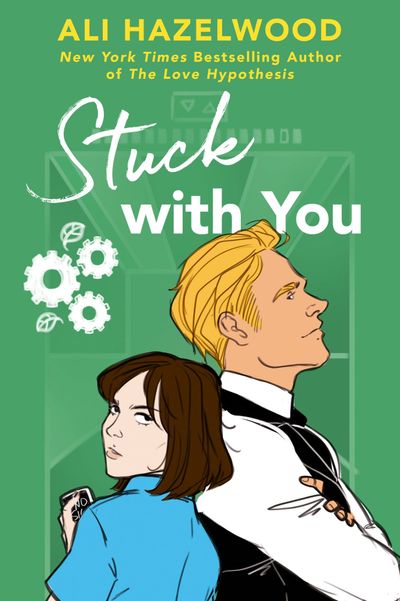
Stuck with You
Sadie gets stuck in a New York elevator with Erik, the rival she blames for a lost client. A short, spicy STEM novella about rivalry and repair.
3,378-word summary · 15 min read
Below Zero
Stranded at an Arctic station, NASA engineer Hannah is rescued by rival Ian, and a storm forces them to face old grudges and attraction.
2,555-word summary · 11 min read
Love, Theoretically
Adjunct physicist Elsie Hannaway fake-dates for rent money until Jack Smith, an MIT experimentalist, stands between her and her dream job.
2,308-word summary · 10 min read

Love on the Brain
Bee Konigswasser lands her dream NASA neuroengineering lead and must co-lead with grad-school nemesis Levi Ward, while her equipment fails and someone…
2,176-word summary · 10 min read

The Love Hypothesis
Love Hypothesis retold: Olive fakes dating Adam, lab hijinks, consent talks, Boston fall.
2,009-word summary · 9 min read

Six Scorched Roses
A dying scholar bargains with a reclusive vampire for blood, and six roses turn a transaction into a slow, dangerous romance.
2,663-word summary · 12 min read
The Lost Sisters
Taryn Duarte writes a letter to her twin, Jude, explaining how she fell for Locke and why she stayed silent while he used them both.
1,914-word summary · 9 min read

My Dark Romeo
A debutante ball kiss traps Dallas Townsend in a marriage to Romeo Costa, a man who wants her as leverage in a war against his father and her fiance.
2,530-word summary · 11 min read

On Chesil Beach
Two newlyweds spend one terrible night on Chesil Beach in 1962, and the rest of their lives is decided by it.
2,456-word summary · 11 min read

Reveal Me
A Shatter Me novella told by Kenji, set between Defy Me and Imagine Me, as the rebels learn Anderson has taken hostages and Juliette faces Emmaline.
2,098-word summary · 9 min read
The Road Trip
Two exes squeeze into one small car for the drive to a Scottish wedding, with four years of history and one photograph between them.
2,418-word summary · 11 min read

A Deal with the Elf King
A village herbalist is exposed as the hidden Human Queen, married to a cold elf king, and given three months to save his dying kingdom or be bound to it…
2,094-word summary · 9 min read
The Exception to the Rule
A typoed Valentine's email turns into yearly notes between two strangers who wonder if they should meet.
2,226-word summary · 10 min read

The Roommate
Uptight Clara shares a flat with porn star Josh and teams up to build ethical adult films for women.
2,362-word summary · 10 min read

Something Wilder
Lily Wilder runs staged treasure hunts in Utah until her first love Leo returns and the old legend turns dangerous.
2,556-word summary · 11 min read
Powerful
Adena survives alone in the Loot and falls for a stranger while Paedyn faces the Trials.
2,229-word summary · 10 min read

King of Sloth
Party heir Xavier chases publicist Sloane who refuses to fall in forced job.
2,017-word summary · 9 min read
Believe Me
Warner narrates life after Imagine Me as he and Juliette try to marry amid Sanctuary repairs.
2,217-word summary · 10 min read

Wild Love
A full retelling of Elsie Silver's Wild Love: a heroine's return to Rose Hill, a grumpy billionaire neighbor, forced proximity, and a slow burn first in a new…
3,067-word summary · 14 min read
Fracture Me
Adam Kent narrates this short bridge story after Omega Point falls, hiding with his little brother James while facing his fading place beside Juliette. Best…
3,004-word summary · 13 min read

This Is How You Lose the Time War
Rival time agents Red and Blue trade secret letters across history, and falling in love could get them killed by their own sides.
2,393-word summary · 11 min read
The American Roommate Experiment
Blocked romance writer Rosie experiments with dating beside roommate Lucas.
2,011-word summary · 9 min read

Reckless
Guarded Winter and charming Theo fake date through wedding season.
2,051-word summary · 9 min read

Powerless
Sloane flees her wedding and hides with best friend Jasper in Chestnut Springs, where eighteen years of friendship turn into something more.
2,195-word summary · 10 min read

Breakfast at Tiffany's
A writer recalls his 1943 neighbor Holly Golightly, wild and kind, in a Manhattan brownstone, plus three short stories from Capote's 1958 collection.
2,215-word summary · 10 min read

Funny Story
Dumped Daphne moves in with her ex's new fiancee's ex, Miles, and they fake-date for revenge.
1,937-word summary · 9 min read

A Court of Frost and Starlight
Frost and Starlight retold: Winter Solstice in Velaris, repairs, gifts, Nesta apart.
1,942-word summary · 9 min read
Check & Mate
Mallory quit chess after a family crisis, beats world champion Nolan Sawyer at a charity event, then rejoins the circuit to win cash for her family.
2,321-word summary · 10 min read
Bride
Vampire Misery enters an arranged marriage with Alpha Lowe to protect her friend.
2,933-word summary · 13 min read