

Below Zero
2,555-word summary 11 min read 112 pages in the book
- First published
- 2022
- Publisher
- Berkley Books
- Pages
- 112
- ISBN
- 9780593437834
- Series
- The STEMinist Novellas (#3)
Reading options
What's inside (8 sections)
I came to Below Zero because Stuck with You left me in a good mood and I wanted one more short stop with the same friend group. A friend told me the third STEMinist novella was the cold one, literally, with an Arctic station and a rescue, and that it was the steamiest of the three despite the snow. That sounded like a fun contrast for a slow Sunday. First published in 2022 by Berkley Books as an ebook, in a 112 page edition, it closes out The STEMinist Novellas as book three after Under One Roof and Stuck with You. The three were later collected in Loathe to Love You. The leads here are Hannah, a NASA aerospace engineer, and Ian, the rival she loves to hate and hates that she dreams about.
The premise is simple and well suited to a novella. Hannah finally gets her Arctic research posting, the kind of assignment that can shape a career in her field. Something goes wrong on the ice. She ends up hurt and stranded at a remote station with a storm building and limited ways to call out. The one person willing to come for her is Ian, the man who once tried to block her expedition and stall her work. He reaches her, but the weather closes in before they can leave, so they are stuck together in a small heated space with canned food, a radio that crackles, and a lot of unsaid history.
I read it in two sittings, mostly on my couch with tea going cold, and I liked how fast Hazelwood gets us into trouble. No long setup. A short prologue of friendship among Mara, Sadie, and Hannah, then the wind, the injury, the door banging open.
Hannah on the Ice
Hannah is my favorite of the three heroines, though Mara from book one is warmer. Where Mara is prickly about her house and Sadie is anxious about her firm, Hannah is guarded in a quieter way. She keeps people at arm's length without making a show of it. She trusts data and checklists. She does not trust charm, especially Ian's.
Hazelwood gives her concrete work to do, which I appreciated. She is not a generic scientist. She thinks about load paths and cold effects on joints and batteries, about how metal behaves when the temperature drops past what the manual assumed. She packed for problems and still got caught by one, which feels true to fieldwork stories I have heard from friends in geology and engineering. You can do everything right and the ice still shifts under your boot. Her injury keeps her from walking out, so she has to ration movement, keep the wound clean, and stay warm while she waits. Those practical pages, melting snow for water, checking the heater, testing the radio on a schedule, gave the romance something solid to stand on.
Her backstory with Ian is sketched quickly but clearly. He sat on a panel or review that mattered for her expedition funding. He raised objections she took as personal, and maybe they partly were, since academic rivalry often mixes professional doubt with ego. She has carried that veto like a stone since. At the same time she has carried a very inconvenient attraction, showing up in dreams she refuses to tell her friends about in full. I believed that split. You can be furious with a colleague's judgment and still notice his forearms when he rolls up his sleeves to fix a latch. Hannah hates that about herself, which made me like her more.
A small note on heat level. This is an adult novella and the later chapters are explicit, though Hazelwood pauses for consent in her usual way. If you came from Check and Mate expecting a teen romance, adjust expectations. The summary here keeps detail non graphic, but the book itself does not.
Ian Shows Up Anyway
Ian could have been a cartoon villain, the smug rival who sabotages the heroine, and I am glad Hazelwood did not leave him there. Yes, he opposed her proposal. Yes, he can be arrogant in meetings. But when Hannah is in danger he volunteers for a risky overland trip that saner people decline. He brings spare batteries, food, a satellite phone with a dying charge, and a plan that is brave rather than perfect.
What sold me was how competent he is in the cabin once he arrives. He checks her injury without fuss. He gets the heater stable. He inventories food and makes a dull but sensible ration list. He knows the radio protocol and keeps his voice calm on air even when the answers are bad. He also knows when to stop managing and just sit with her. There is a scene where he dries her socks by the heater and puts his own dry pair on her feet, grumbling the whole time so it does not sound tender. It is tender anyway. I have had a partner do that kind of gruff caretaking on a camping trip when I got sick, and Hazelwood nails the tone. Complaint as cover for care.
Their banter is classic Hazelwood. He calls her out for trying to do everything herself. She calls him out for acting like doubt equals rigor. They argue about who left whose paper off a citation list two years ago, which sounds petty until you realize that is how academic grudges actually live. Small slights grow roots. Under the jokes there is real hurt. Hannah felt dismissed in a room where she was already the odd one out. Ian felt he was doing his job by pressing hard, and missed that pressing hard lands differently when the other person has to work twice as hard to be heard. The book does not solve science sexism in 112 pages, but it names it plainly and lets Ian sit with being wrong about method even when he was right about a safety margin.
If I have a gripe, it is that Ian's turn from rival to devoted comes fast. One rescue, one night of care, and years of friction melt a bit too smoothly. Hazelwood tries to earn it with a late apology that is specific rather than grand, and that helps. Still, readers who want a slow thaw may feel the temperature jump. The title promises below zero. The middle acts pretty warm pretty quick.
Stuck Together While the Storm Builds
The middle of the book is forced proximity done right, which makes sense since forced proximity is Hazelwood's home field. They cannot leave. The storm fills the windows white. The radio gives them windows of contact with the outside world, then static. They sleep in shifts at first, then share warmth because the heater cannot keep the whole space even. They tell stories to pass the dark hours.
I liked the details Hazelwood picks. The whistle of wind through a bad seal that Ian fixes with tape and a folded map. The way canned soup tastes amazing when you are cold and a little scared. The deck of cards with missing kings they use to play stupid games for chores. Who gets the good blanket. Who stays awake to watch the heater. Hannah counting Ian's breaths when she cannot sleep, pretending she is counting for science. These beats do more work than big speeches. They show two capable people dropping performance because there is no audience and no energy for it.
The friends add texture without stealing focus. Mara and Sadie check in by text and call when signal allows, teasing Hannah about being rescued by her nemesis and then going quiet when they hear how bad the weather is. One exchange made me laugh out loud. Sadie tries to run a serious rescue logistics talk while Mara yells about bringing chocolate and dry socks in the background. It reminded me of my own group chat in a crisis, half plan and half jokes, love showing as noise. Those cuts also remind you this is book three of The STEMinist Novellas. You do not need books one and two to follow the plot, but you will enjoy the friendship layer more if you know Mara's house rules saga and Sadie's elevator day with Erik.
There is a survival sequence I will not spoil beat by beat, involving a decision to move versus shelter in place. Hazelwood keeps it sensible. No superhero hike through a blizzard. They weigh options like engineers, list risks, argue, compromise. I appreciated that the danger stays weather sized rather than turning into a thriller. The stakes are bodily and plain. Frostbite. Dehydration. A wound getting worse. That is enough when you are pages from help and the sky stays white.
Heat, Consent, and the Talk They Avoid
About two thirds in, attraction stops being subtext. Hannah has dreamed about Ian for months. Ian has wanted Hannah far longer than his professional objections suggested. Alone and scared and relieved to be alive, they act on it.
Hazelwood writes these scenes in clear adult terms, with a lot of attention to checking in. He asks. She answers plainly. They pause when her injury twinges and adjust without killing the mood. Condoms and logistics get a line rather than a lecture. Afterward they are awkward in a sweet way, unsure if this was storm adrenaline or something they will still want in daylight. I found that aftermath more romantic than the acts themselves, because it fits who they are. Two people who trust data want to retest the result.
The honest talk they owe each other takes longer than the physical part, which is both realistic and a little frustrating. Hannah keeps waiting for Ian to admit the veto was personal. Ian keeps waiting for Hannah to admit she might have needed the extra safety review even if his tone was poor. They circle this while sharing a sleeping bag, which is funny and human. Nobody wants to fight about peer review while someone else's feet are on your calves. When the apology finally comes, it is good because it is narrow. He names what he did, why it hurt her career, and what he will do differently. He does not ask to be forgiven on the spot. She does not grant it on the spot. They let it sit. For a novella that moves fast everywhere else, that patience stood out to me.
One criticism to flag. If power imbalance in romance bothers you, the setup may pinch. He once held sway over her funding. Now he holds the batteries and the exit plan. Hazelwood works to level it by making Hannah the expert on her own system and the station, and by having Ian follow her lead on technical calls. Still, the shadow is there. Readers who preferzero workplace overlap in their romance may prefer Mara and Liam's landlord standoff in book one.
What the Science Does and Does Not Do
People ask if Hazelwood books teach real science. Short answer for this one is light seasoning rather than a meal. You will get plausible talk about cold operations, materials, expedition planning, NASA culture, review panels, and the particular loneliness of being the only woman in a technical meeting. You will not get equations or a methods section. The focus stays on how it feels to be a young woman engineer fighting for field time while older men debate risk in warm rooms.
That choice fits the length. At 112 pages there is no room for a lab crew or a full project arc like in The Love Hypothesis or Love on the Brain. What you get instead is a sharp sketch of bias in action. Hannah prepares twice the documentation. She answers questions Ian never gets asked. She smiles through it because protesting too loudly gets labeled difficult. Ian starts blind to that extra tax and ends able to see it, at least in her case. It is not a systemic fix. It is one man learning to peer review his own behavior. I will take that in a romance, as long as we admit it is a start rather than a solution.
The Arctic itself is drawn with care but without travelogue bloat. White that hurts your eyes. Wind that finds every gap. A station that feels both sturdy and tiny once the storm hits. Hazelwood thanks polar researchers in the back matter of the collection, and you can feel secondhand research in the best way. Enough specific cold to believe it, never so much that the romance stalls to admire the view. If you want deep polar history or climate science, look elsewhere. This is a love story that happens to be cold, not a cold story that happens to have love.
How It Ends and Who Will Like It
Without giving away the final rescue beats, the ending follows series pattern. Storm breaks. Help arrives. The pair must decide what their forced closeness means back in the world of email and committees. There is a brief separation where both overthink, a friend pep talk that actually helps rather than just filling pages, and a choice to try properly with clearer terms. A short epilogue tied to Loathe to Love You shows the trio together, teasing and solid, which sent me off happy. Mara, Sadie, and Hannah feel like people who will stay friends after the books close, and that continuity is Hazelwood's quiet strength across the set.
Who is this for? If you liked the banter and consent talk in books one and two, you will feel at home. If you like forced proximity, rival scientists, competence as flirting, and snowed in cabins, this is directly aimed at you. At 112 pages it is a one sitting read, maybe two if you savor. Pair it with a warm drink and a blanket. The contrast is half the fun.
Fair criticisms, stated plainly. The plot is thin by design. Injury, storm, rescue, talk, heat, resolution. If you want twists, you will be bored. The grovel is short and the forgiveness comes quicker than real academic wounds usually allow. The science is thin for readers who came for lab detail. And Hannah and Ian's voices sometimes blend with Mara and Liam or Sadie and Erik from the earlier novellas. Hazelwood has a house style for banter, dry, quippy, a little self aware, and all three couples speak it. I did not mind because I read them weeks apart in story order, but binge readers may feel deja vu.
I finished Below Zero warmer than the title suggests and slightly annoyed at how easily Hazelwood makes me forgive a fast ending when the middle made me grin. It is the shortest of the three and the most situational, the least about building a life together and the most about surviving a week together. Judged as a novella, that is fair. It promises a cold snap with a hot center and delivers exactly that. Read Under One Roof for the roommate comedy and Stuck with You for the elevator spark, then come here for the storm. Taken together, The STEMinist Novellas make a cozy weekend set, and this chilly finale earns its place even if it does not reinvent the formula.
FAQ
Is Below Zero part of a series?
Yes, it is book three of The STEMinist Novellas by Ali Hazelwood. It follows Under One Roof and Stuck with You, and all three were later collected in Loathe to Love You.
Who are Hannah and Ian in Below Zero?
Hannah is a NASA aerospace engineer stranded at an Arctic station. Ian is her longtime rival who once opposed her expedition and now volunteers for the rescue.
How long is Below Zero?
The Berkley Books ebook runs 112 pages and was published July 5, 2022, with ISBN 9780593437834. Most readers finish it in one sitting.
Similar books
More from The STEMinist Novellas first, then related titles.

Under One Roof
Mara inherits half a house and must share it with Liam, a grumpy lawyer co-owner. House rules, banter, and slow heat follow in this short STEM romance opener.
3,596-word summary · 16 min read
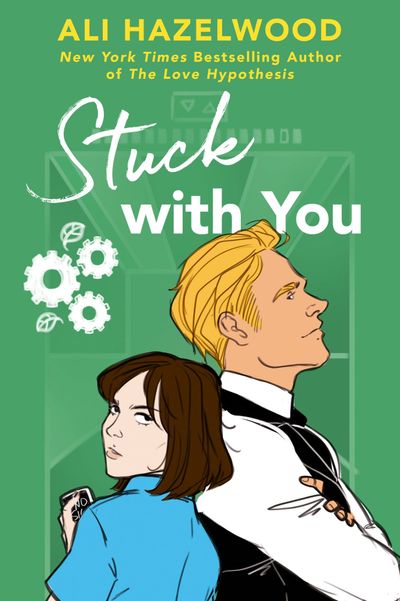
Stuck with You
Sadie gets stuck in a New York elevator with Erik, the rival she blames for a lost client. A short, spicy STEM novella about rivalry and repair.
3,378-word summary · 15 min read

My Dark Romeo
A debutante ball kiss traps Dallas Townsend in a marriage to Romeo Costa, a man who wants her as leverage in a war against his father and her fiance.
2,530-word summary · 11 min read

Love, Theoretically
Adjunct physicist Elsie Hannaway fake-dates for rent money until Jack Smith, an MIT experimentalist, stands between her and her dream job.
2,308-word summary · 10 min read

Love on the Brain
Bee Konigswasser lands her dream NASA neuroengineering lead and must co-lead with grad-school nemesis Levi Ward, while her equipment fails and someone…
2,176-word summary · 10 min read

The Ex Talk
Two rival public radio producers pretend to be exes for a dating show, then fall for each other while the lie grows.
2,389-word summary · 11 min read

There Are No Saints
Two rival artists circle a struggling San Francisco painter. Cole Blackwell wants her, Alastor Shaw wants her dead. Book one of the Sinners duet.
2,190-word summary · 10 min read

The Predator
Coder Morana Vitalio and mob enforcer Tristan Caine chase stolen software while a case of missing girls from twenty years back catches up with them both.
2,296-word summary · 10 min read

The Casanova
Kate Landon's boss is also the pen pal she falls for online, hiding behind fake names, until family secrets and a trip to Paris get in the way.
2,274-word summary · 10 min read

Indigo Ridge
A new police chief in a Montana town meets the founding family's eldest son in a bar, and one night later a body turns up under their cliff.
2,763-word summary · 12 min read
The Road Trip
Two exes squeeze into one small car for the drive to a Scottish wedding, with four years of history and one photograph between them.
2,418-word summary · 11 min read

The Kiss Thief
Promised to one man, taken by another, Francesca must choose in Chicago.
2,545-word summary · 11 min read
The Exception to the Rule
A typoed Valentine's email turns into yearly notes between two strangers who wonder if they should meet.
2,226-word summary · 10 min read

Broken Prince
Reed loses Ella and ruins his name while rivals circle him.
2,356-word summary · 10 min read

The Roommate
Uptight Clara shares a flat with porn star Josh and teams up to build ethical adult films for women.
2,362-word summary · 10 min read
My Killer Vacation
A teacher and a bounty hunter share a Cape Cod rental with a corpse and a growing attraction.
2,625-word summary · 12 min read

King of Sloth
Party heir Xavier chases publicist Sloane who refuses to fall in forced job.
2,017-word summary · 9 min read

Kulti
Pro soccer player Sal Casillas gets childhood idol Reiner Kulti as assistant coach, and a tense season turns into slow friendship.
2,544-word summary · 11 min read

Reckless
Guarded Winter and charming Theo fake date through wedding season.
2,051-word summary · 9 min read

Flawless
Pro bull rider Rhett Eaton is benched by scandal, and his agent's daughter Summer must keep him in line in Chestnut Springs.
2,484-word summary · 11 min read
King of Wrath
Billionaire Dante Russo enters an arranged engagement with Vivian Lau and control slips into feeling.
2,975-word summary · 13 min read

The Love Hypothesis
Love Hypothesis retold: Olive fakes dating Adam, lab hijinks, consent talks, Boston fall.
2,009-word summary · 9 min read

Six Scorched Roses
A dying scholar bargains with a reclusive vampire for blood, and six roses turn a transaction into a slow, dangerous romance.
2,663-word summary · 12 min read

Austenland
A New York graphic designer obsessed with Mr. Darcy inherits a trip to a Jane Austen theme park, where the fantasy of Regency romance collides with the men…
2,030-word summary · 9 min read

The Lost Sisters
Taryn Duarte writes a letter to her twin, Jude, explaining how she fell for Locke and why she stayed silent while he used them both.
1,914-word summary · 9 min read

Lick
Evelyn wakes up married to the lead guitarist of Stage Dive after a Las Vegas birthday she cannot remember, and the annulment gets complicated.
1,989-word summary · 9 min read

Blood Bonds
Oleander is chained in a Resistance camp, and her five Bonds have to find her before Silas Davies finishes what he started in this third Bonds that Tie book.
2,018-word summary · 9 min read

The Bookshop on the Corner
A Birmingham librarian loses her job, buys a van, and moves to the Scottish Highlands to run a mobile bookshop. Warm and bookish, with uneven pacing.
2,557-word summary · 11 min read

Ricochet
Lily Calloway tries to stay celibate for ninety days while Loren is in rehab, leaning on Rose, Connor, and Ryke as therapy forces her to face her childhood.
2,575-word summary · 11 min read
Under Locke
Iris Taylor moves to Austin broke and wary, takes a front-desk job at a tattoo shop, and spends the book learning that Dex Locke’s blunt cruelty and unexpected…
2,591-word summary · 12 min read