
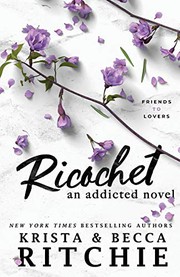
Ricochet
2,575-word summary 11 min read 282 pages in the book
- First published
- 2013
- Publisher
- K.B. Ritchie LLC
- Pages
- 282
- ISBN
- 9781950165964
- Series
- Addicted (#2)
Reading options
What's inside (10 sections)
I finished Addicted to You on a Sunday and started this one the same night. Ricochet picks up days after Loren Hale leaves for rehab, and it does not pretend the previous book ended cleanly. Lily Calloway is twenty, living in a house outside Princeton that her sister Rose found, and trying to get through ninety days without sex while the person she has relied on since childhood is out of reach. The first edition came out in 2013; the edition I have is the 2020 K.B. Ritchie paperback, 282 pages. Goodreads calls it a companion to the sequel, the fan wiki calls it a novella, and the series lists it as Addicted #2. All three are a little true.
A lot of people seem to think this is the Rose and Connor book. It is not. Rose and Connor are central, and Rose's fashion company gives the story some of its best comedy, but the voice is Lily's throughout. Their romance takes center stage in Kiss the Sky. If you came for a rivals-to-lovers story about the ice queen and the genius, wrong title.
The premise is narrower and harder. Lily is a sex addict. Lo is an alcoholic. They have been covering for each other since they were teenagers, first with a fake relationship, then with a real one that grew out of the lie. Lo's stay in rehab is the first time in years that Lily has had to face her own compulsion without him in the next room. Rose is the only family member who knows. Everyone else, including their mother, thinks Lily is just the quiet sister who moved in with Rose for reasons nobody asks about.
New Year's Eve and the rooftop
The book opens on New Year's Eve, and Lily is already failing at her own rules. She has thrown out some of her pornography, is taking sleeping pills, and is counting days. When Daisy, her fifteen-year-old sister, asks her to come to a model party in New York, Lily goes out of guilt more than desire. Daisy is a working model, thin in a way that worries Lily, living a life the family does not examine.
The party is exactly the wrong place for Lily. Male models everywhere, alcohol, dark rooms, the sense that nobody is watching. She escapes to the bathroom and takes care of herself, which shows that abstinence is not recovery. Ryke Meadows, Lo's half brother, shows up because he promised Lo he would keep an eye on her. He catches her coming out and says the thing nobody else will say out loud. She is too close to the edge.
Then the night turns. Daisy is on the roof, standing on the ledge, and she tells Lily she lost her virginity and needs help getting birth control. Before Lily can process that, Daisy collapses. Someone spiked the punch with GHB. Ryke gets the truth out of the man responsible, carries Daisy out, and drives her to a hospital. Lily spends midnight thinking about the first New Year's she has gone without Lo. It is the whole book in miniature: Lily holding herself together, Daisy in trouble, Ryke stepping in where Lo cannot.
Rose, the fashion company, and the bet
Rose Calloway is the sister who organizes. She moved Lily into the house, makes the therapy appointments, and writes the rules. She also runs Calloway Couture, the fashion label she started as a teenager, so the book has a second setting: a loft with sample racks, a glass office, and a small staff.
Lily ends up working there because she lost a bet to Connor Cobalt. Connor is Rose's on-and-off boyfriend, Lily's former tutor, and a man who treats a bet like a contract. Lily gets a desk, a box of business cards scented like her name, and a list of tasks numbered by importance. Calling the therapist is number one. Checking shoe sizes for a shipment to Macy's is number thirty-five. She is bad at the job in a funny, sad way, and the office lets the sisters be sisters.
Samantha Calloway, their mother, is a presence in that company like weather. Rose started it too young, and Samantha decided she was a co-founder. She has opinions about the scented cards, Rose's clothes, Rose's dates, Rose's tone. At the Fizzle event in January, she has arranged blind dates for her daughters as if they were seating assignments. Fizzle is the family soda company. Lily's date is Aaron Wells, a prep school bully who remembers her. Rose's date is nineteen and has never watched the news.
Rose and Samantha argue in a side room. It is about control and about the way Samantha sees a younger version of herself in Rose. It ends with Samantha slapping Rose across the face. Lily texts Connor, and he comes. Jonathan Hale, Lo's father, steps in when Aaron starts circling Lily, and calls her practically his daughter-in-law, a shield, and a sign of how much power these families have. Lily gets through the night without sex. The book lets that count as a win.
The invisible sister
Valentine's Day is worse than the party. Lily is alone in the house. Lo has not emailed. He has not called. She has roses and a card from Lo, and reads the card more than once. The silence is the point. She has spent her whole life waiting for him, and now she has to find out who she is while she waits.
Rose has been vetting therapists in the most Rose way possible. She pretended to be a sex addict and sat through consultations with several of them, looking for someone kind. One responded with a crude suggestion. That detail shows how hard it is to ask for help. The therapist she settles on is Dr. Banning, a Yale-trained sex addiction specialist. Lily starts seeing her in February.
The therapy chapters slow the book down and earn their place. Lily talks about growing up as the fourth daughter, the one without a talent the family could point to. Poppy was the charming oldest. Rose was the brilliant one. Daisy was the beautiful one. Lily was quiet, and then she was the one with a secret. She lost her virginity at thirteen. She kept going. By college, sex was less a pleasure than a rhythm she could not stop, and Lo was the only one who knew.
Dr. Banning does not prescribe permanent celibacy. She explains that sex is a normal part of adult life, so the goal is not to never want it again. The goal is to build intimacy that does not turn into compulsion. The book returns to that distinction whenever Lily treats recovery as a purity test. It makes the ninety days training, not a cure.
The yacht, the bathroom, and the cliff
In late February, Lo calls for the first time. He says he tried to email and could not get past a single word. Lily lies to him. She says she threw out her porn and stopped using toys, and that she is doing great. The first part is close, the second is not. She does it because Ryke says Lo needs room to work, and because she has spent years protecting him from her mess. Dr. Banning says recovery works better when both people are honest. Lily is not ready to hear it.
For Daisy's sixteenth birthday, the family charters a yacht to Mexico for a week. Lily goes as a chaperone. Ryke comes too, at Rose's request, which puts him in close quarters with Daisy for days instead of minutes. On the boat, Lily has the breakdown the title promises. She locks herself in the bathroom and cannot stop. It goes on for more than an hour. When she collapses, Ryke breaks in, calls Dr. Banning's emergency line, and then calls Lo.
That call is the center of the book. Lo does not shame her. He tells her he would marry her again, a hundred times, until it stuck. It is generous, and it works because their relationship was built on pretending. He also proposes a rule: phone sex, with him setting the pace and the limits. It keeps them connected without pretending she can turn herself off. Lily decides to give up masturbation entirely, because it always escalates.
The next day Daisy disappears and is found on a cliff where local divers jump. Ryke climbs the rock face without ropes to reach her. Before he reaches her, Daisy dives headfirst into the water. Both surface. When Ryke asks if she wanted to die, she deflects with a joke. Lily catches Daisy watching Ryke afterward, and the look lingers. The book plants it on purpose, setting up a later relationship without pretending the age gap is comfortable.
Vows in the snow
March is the month everything gets sorted. Lo's sobriety is clearer and harder. He apologizes for a fear he has carried since they were kids: that their early sexual experimentation caused Lily's addiction. Lily tells him it did not. That scene separates guilt from responsibility. Lo is not the author of her compulsion, and Lily is not the author of his drinking, though they have spent years using each other as cover.
Their first sex since he left happens over Skype. Lo sets the pace. Lily climaxes and immediately wants more, ignoring him when he tells her to stop. He talks her down by describing holding her until her body relaxes. It is a quietly radical scene: the sexy part is not the sex. It is one person helping the other come back into her body.
Rose throws a housewarming party and attaches Lily Vow Day to it. Only Rose, Connor, and Ryke watch. The rest of the family is inside, unaware. Outside in the snow, Lily burns the last of her pornography in a metal trash can. She reads four promises out loud: no porn, no masturbation, no compulsive sex, no cheating on Lo. Rose makes her say them louder. Ryke, who has doubted her all book, apologizes and admits Lo needs her as much as she needs him.
The scene could have been ridiculous. A trash-can fire in a fur coat and rich twenty-somethings pledging abstinence in the snow. It works because the book earns the ritual. Lily is not declaring that she is fixed. She is choosing a direction, in front of the three people who have seen her at her worst.
The envelope
The last session stayed with me. Lily finally says the thing under all the other things. Her mother stopped paying attention to her when she was a child, not because Lily did anything wrong, but because she had no talent the family could display. She says she never felt loved, or worthy of it. Sex filled that space. Repeatedly, until the filling became the problem.
Dr. Banning gives her a sealed envelope. Inside are Lily's sexual limits and the instruction to hand it to Lo without reading it. He sets and enforces the boundaries. For a character who has controlled everything, including her body, handing over that control is the hardest step. It is also the one that makes the reunion possible.
The book closes with a flashback to the night Lily and Lo staged their fake relationship for Jonathan Hale. Jonathan's parting words to Lo are ugly: "Don't be such a sick fuck." The scene ends with Lily on the edge of choosing him for real. Coming after the envelope, it lands differently. The lie that made their relationship possible is also the thing that kept them sick.
The ending and the next book
Lo comes home in the epilogue. He notices the scratches on Lily's arms and the bitten nails. He tells her not to lie about how she is doing. They have sex, with him in control, and he stops after one orgasm even though she wants more. It is tender and a little awkward, right for two people learning a new way to be together.
Then his phone buzzes. An anonymous text threatens to sell Lily's secret to the tabloids. Lo says he will handle it. The book ends on a threat rather than a resolution, a handoff to Addicted for Now. If you hate cliffhangers, this will annoy you. It is less a chapter than a trailer.
What works and what does not
What works is the honesty about addiction. Lily does not get better because she meets a boy, and she does not get worse because she is weak. She gets better in small steps: therapy, a sister who checks on her, a friend who tells the truth, rules she helps write. The book lets her relapse in embarrassing, specific ways without turning it into a lesson. The yacht bathroom scene is hard to read, and that is the point.
Rose is the other reason to read it. She is controlling and occasionally cruel, and she is also the person who posed as an addict to find her sister a safe therapist. The office scenes with scented cards and numbered tasks are funny because they are true to her. Connor is used sparingly, mostly as a straight man. Their relationship is already in progress; the book saves the excavation for later.
Ryke surprised me most. He is blunt to the point of rudeness, and some of his advice is bad. But he shows up. He breaks down a bathroom door on a yacht. He climbs a cliff without ropes. He apologizes when he is wrong. The book does not make him a savior, and the Daisy material stays uncomfortable.
What does not work is the pace. This is a 282-page book where very little happens. Lily goes to parties, work, therapy, and a boat, and waits for a phone call. The middle repeats itself: another session, another fantasy, another conversation about whether to tell Lo the truth. Readers who need a plot engine will feel the stall.
The romance-novel contrivances are hard to miss. The family is rich enough that problems dissolve when money is applied. A house appears. A therapist appears. The mother is a monster when the plot needs a villain. The Skype sex that becomes a therapy tool is convenient, and the epilogue threat arrives like a stinger in a movie.
And it requires the first book. Ricochet does not explain the fake relationship, the addiction backstory, or the family politics. Without Addicted to You, the emotional stakes will feel unearned, and some supporting characters will blur together. This is not a stand-alone.
It is also explicit. The book is candid about sex, porn, masturbation, and compulsion. If you want a sweet, closed-door story about a girl waiting for her boyfriend, this is not it. If you want a book that takes a messy subject seriously and still lets its characters be funny, it is worth two evenings.
I would hand it to someone who read Addicted to You and wanted to know those ninety days. I would not hand it to someone who wants Rose and Connor. They should skip to Kiss the Sky, where they finally get their own story. I finished Ricochet at two in the morning and started Addicted for Now before I fell asleep. The bridge worked.
FAQ
Is Ricochet about Rose and Connor?
No. Ricochet is narrated by Lily Calloway and takes place during Lo's ninety days in rehab. Rose and Connor are major supporting characters, but their own romance takes center stage in Kiss the Sky.
Do I need to read Addicted to You first?
Yes. Ricochet picks up days after Addicted to You and assumes you know about Lily and Lo's fake relationship, their addictions, and the family politics.
How does Ricochet end?
Lo returns from rehab and he and Lily begin a relationship with new boundaries, but he immediately receives an anonymous text threatening to sell Lily's secret to the tabloids. That threat carries into Addicted for Now.
Similar books
More from Addicted first, then related titles.
Addicted to You
Lily hides sex addiction and Lo hides drinking while faking love to fool their rich families.
2,064-word summary · 9 min read
Under Locke
Iris Taylor moves to Austin broke and wary, takes a front-desk job at a tattoo shop, and spends the book learning that Dex Locke’s blunt cruelty and unexpected…
2,591-word summary · 12 min read

Lick
Evelyn wakes up married to the lead guitarist of Stage Dive after a Las Vegas birthday she cannot remember, and the annulment gets complicated.
1,989-word summary · 9 min read

Beneath This Man
Ava returns to Jesse after five days apart and finds his drinking, jealousy, and a hidden deception that changes what she can forgive.
2,341-word summary · 10 min read
Act Your Age, Eve Brown
Eve Brown crashes into a Lake District bed and breakfast, breaks the owner's arm, and talks her way into his kitchen. A grumpy-sunshine romance about work,…
2,474-word summary · 11 min read

Two by Two
Sparks's twentieth novel turns from first love to a marriage breaking up: Russell Green loses his wife and his job, then rebuilds his life around his…
2,192-word summary · 10 min read
The Casanova
Kate Landon's boss is also the pen pal she falls for online, hiding behind fake names, until family secrets and a trip to Paris get in the way.
2,274-word summary · 10 min read

One to Watch
A plus-size fashion blogger takes the lead role on a reality dating show to prove she belongs on television, and finds she might want what the cameras offer.
2,478-word summary · 11 min read

At First Sight
Jeremy and Lexie are married and expecting a baby when anonymous emails tell him the child may not be his.
2,317-word summary · 10 min read

2 States: The Story of My Marriage
A Punjabi boy from Delhi and a Tamil Brahmin girl from Chennai meet at IIM Ahmedabad, and turn a love marriage into a campaign to convince two families.
2,634-word summary · 12 min read
Delilah Green Doesn't Care
Delilah returns to Bright Falls to photograph her stepsister's wedding and falls for Claire, a bookstore owner and single mother, while a cruel bet threatens…
2,315-word summary · 10 min read
Rule
A tattoo artist still grieving his twin and the polished girl who has loved him since she was thirteen finally collide one drunken night in Denver.
2,014-word summary · 9 min read
Wait for It
A twenty-nine-year-old hairstylist raising her two nephews meets her new neighbor, a former Navy man mid-divorce, in Zapata's slow-burn romance about trust and…
2,154-word summary · 10 min read
Losing It
Bliss plans a one-night stand, then finds her hookup is her professor.
2,195-word summary · 10 min read

Broken Prince
Reed loses Ella and ruins his name while rivals circle him.
2,356-word summary · 10 min read
The Coincidence of Callie & Kayden
Callie saved Kayden in an alley and meets him again in college, where both must face assault and abuse to learn trust.
2,578-word summary · 11 min read
Mr. Wrong Number
After a fire and a wrong-number text, Olivia falls for a stranger who is closer than she thinks in this funny Omaha rom com.
2,248-word summary · 10 min read
Good Girl Complex
A people-pleasing college girl moves to beach town Avalon Bay and falls for a local boy who distrusts her whole world.
2,225-word summary · 10 min read
Before We Were Strangers
Matt waits fifteen years to ask Grace why she left after one college night that shaped them both.
2,386-word summary · 11 min read
All Rhodes Lead Here
Grieving Aurora moves to Colorado to fix a farmhouse, finding slow healing with her gruff older neighbor Tobias Rhodes.
2,249-word summary · 10 min read

Vision in White
Wedding photographer Mac Elliot does not believe in lasting love. Steady teacher Carter Maguire plans to change her mind. First in the Bride Quartet.
2,167-word summary · 10 min read

The Last Letter
Ella trades letters with soldier Chaos, then her brother Ryan death brings Beckett to Telluride with a hidden name, sick Maisie, and a love tested by truth.
2,559-word summary · 11 min read
Kulti
Pro soccer player Sal Casillas gets childhood idol Reiner Kulti as assistant coach, and a tense season turns into slow friendship.
2,544-word summary · 11 min read
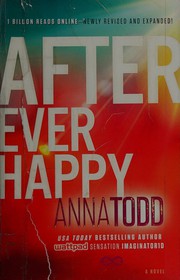
After Ever Happy
Tessa and Hardin face family truths and tragedy before wedding.
2,373-word summary · 11 min read
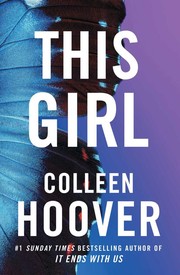
This Girl
Honeymoon retelling as Will recalls first love, classroom ban, loss, fights, and vows that stick.
2,526-word summary · 11 min read
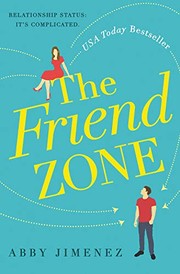
The Friend Zone
Kristen will not risk pregnancy, Josh wants kids, and their friends only plan keeps failing.
2,039-word summary · 9 min read

The Wall of Winnipeg and Me
Vanessa Mazur quits assisting football star Aiden Graves, until he returns with a marriage proposal that changes both their plans.
3,049-word summary · 14 min read
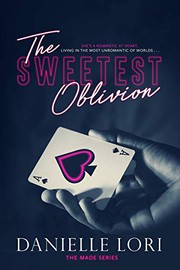
The Sweetest Oblivion
Sheltered Elena Abelli catches the eye of feared made man Nicolas Russo after her sister flees an arranged match.
3,342-word summary · 15 min read
Corrupt
College student Rika Fane faces Michael Crist and his friends three years after Devil's Night put them in prison.
2,870-word summary · 13 min read