
Reading options
What's inside (8 sections)
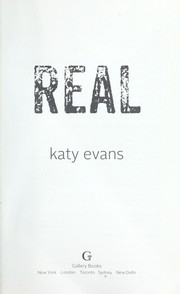
I picked up this new adult sports romance expecting heat and little else, and I got heat plus a surprisingly tender story about pride, money, and learning to ask for help. First published in 2013 by Gallery Books, at 320 pages in paperback, it is first in the Real series, followed by Mine and Remy. The book follows Remington Tate, a star underground boxer called Riptide, and Brooke Dumas, a sports therapist who needs work and hates fighting.
Brooke is wary for good reasons. She grew up around money that came with strings, cut ties to live plainly, and pays debts with careful jobs. When a friend pulls her to an illegal fight night, she meets Remington in the crush backstage. He is huge, quiet, and magnetic in the ring, with gray eyes that notice her fast. He offers her a job on his team as a therapist. She says no, then says yes because rent is real.
Remington fights in an underground league where crowds bet and doctors look away. He wins with speed and control, then struggles after with a mind that spins. The book gives him bipolar disorder, handled with mixed success, and shows his routine of training, rest, and medication with help from his coach. Brooke's job is to keep his body ready while guarding her own heart.
Brooke says yes to the job
Brooke's life before Remington is tight budgets and firm lines. She shares an apartment, works events for cash, and avoids her wealthy family. Her father uses money to control, her mother follows his lead, and Brooke chose distance over comfort. That choice costs daily. She counts tips, mends clothes, and says no to outings she wants.
The fight night job offer lands like a test. Pete, a friend tied to the league, vouches for Brooke's skill with wrapping hands and reading strain. Remington watches her work once and asks directly. No games, just need. Brooke names her terms. Professional only, pay on time, no late night calls unless injury. He agrees with a focus that feels both respectful and hungry.
Early team scenes show a found family with rough edges. Riley, the doctor, is brisk and competent. Coaches shout and tease. Fighters size Brooke up and then accept her when her taping holds through rounds. She learns names, schedules, and who needs ice versus who needs quiet. Work gives her confidence that dating talk takes away.
Attraction builds in small physical details. How Remington breathes before a round. How Brooke's hands steady on his shoulders. How they avoid eye contact one beat too long. Evans writes heat without rushing to bed. Glances last pages. That slow burn suits two people who have been burned by trusting fast.
Brooke keeps telling herself it is temporary. Save money, pay a debt, leave before feelings root. She writes the plan in her head like a budget. Plans help her feel safe. Remington watches her plan and waits, which is both patient and unnerving. He is used to getting what he wants by enduring. She is used to leaving before wanting costs.
Riptide in the ring
Fight scenes hit hard and read clear. Remington, called Riptide for the way he pulls opponents under, moves with unusual grace for his size. He studies film, cuts weight carefully, and listens to his corner. Opponents taunt about his past and his mind. He answers with fists and then hates the noise after.
The league itself is shady but not cartoon evil. Promoters pay well and look away from injuries. Crowds drink and bet. Doctors patch and warn. Brooke sees concussions, split skin, and hands that swell overnight. She tapes, ices, and tells fighters truths they ignore. Her care is competent, which makes her valuable and also complicit in harm she dislikes.
Remington's routine after fights matters more than knockouts. He needs dark, quiet, and known people. Loud parties spin him up. Missed meds or missed sleep tilt him toward mania or crash. His coach, with help from Riley, guards that routine fiercely. Brooke learns the signs. Fast talk, bright eyes, big spending on gifts. She does not diagnose from a textbook. She watches and asks.
Their first kiss comes after a win when adrenaline runs high and boundaries thin. Brooke pulls back, then leans in. Evans handles consent in fits. They ask, pause, and check, though power gaps remain. He is her boss in practice, rich and famous in that world, while she needs pay. The book names that gap but does not fully solve it, which deserves a flag.
Training days give the romance room. Road runs at dawn, gym smells, shared meals of plain food. Remington shows Brooke his playlists and his quiet humor. She shows him how to stretch a sore shoulder and how to laugh without performing. Those ordinary hours do more than love scenes to bind them, because they show life beyond the ring lights.
Money, family, and pride
Brooke's family money shadows every choice. Her father offers help with lectures attached. He calls her job slumming and her apartment unsafe. He offers a check if she quits fights and comes home for dinners. Brooke refuses, then feels guilty for refusing, then angry at guilt. That loop will feel familiar to anyone who left comfort for independence.
Remington's money works oppositely. He has plenty from wins and spends fast on people he loves. Gifts, cars, rent paid without asking. Generosity feels good until it feels like control. Brooke pushes back when he tries to erase her debts with one call. She wants to earn her way out. He hears rejection where she means self respect. They fight about a bill the way other couples fight about fidelity.
Gym politics add pressure. Rival fighters want Remington's slot. A promoter wants a rematch on short rest. A reporter wants a story about his mind. Brooke gets used as a talking point. Smile for cameras, wear this, say that. She hates being a prop and says so, which costs goodwill. Remington defends her publicly and pays privately in extra scrutiny.
Friends help and hinder. Melanie, Brooke's best friend, loves the glamour and warns about bruises. She pushes Brooke to enjoy while watching for red flags. Team mates tease Remington about softness and then guard his rest like brothers. That mix of mockery and care feels true to locker rooms. It also hides problems when jokes cover warning signs.
Pride drives both leads into mistakes. Brooke hides a debt letter rather than asking for an advance she earned. Remington hides a bad night rather than telling Riley and adjusting training. Each hides to protect the other and harms trust instead. The book repeats this beat, which gets tiring but also honest about how pride works in young love.
Care, illness, and limits
The handling of Remington's bipolar disorder needs a careful note. Evans names it, shows medication and routines, and gives him agency. He knows his patterns, asks for quiet, and apologizes after episodes without making Brooke his nurse. Those choices respect readers who live this. The romance does not cure him, which matters.
At the same time, the book sometimes uses illness for drama. A missed dose times a big fight. A manic gift spree signals love and warning at once. A crash follows a public high. These beats serve plot more than accuracy, and readers with lived experience may find them tidy. The book gestures at ongoing care but leans on crisis for heat. That is a fair criticism to hold while enjoying the tenderness.
Brooke's role as therapist girlfriend blurs lines the book mostly admits. She treats the man she sleeps with, which real ethics would bar. Riley flags it once, then lets it pass for story. Brooke tries to keep professional distance and fails. If this bothers you, it will bother you throughout, because the premise depends on the blur. I wished for one scene where they hire outside help and keep dating, which would model better care.
Support looks best in small routines. Brooke packs meds without comment. Remington tells her when noise hurts. They agree on sleep hours and guest limits. They leave parties early without apology. Those agreements show love as logistics, which long term couples will recognize. Heat fades from pages, but those habits suggest a future.
Family returns at stress points. Brooke's father uses Remington's diagnosis as proof the relationship is unsafe. That stings because stigma is real even when concern is fake. Brooke defends Remington while privately fearing the same. Remington meets her parents with steady manners and leaves shaken. Class contempt hurts more than punches, and the book knows it.
Fights, rivals, and the final bout
The last third runs on a big fight buildup. A rival with speed and talk challenges Riptide. Promoters push dates. Weight cuts bite. Media circles for quotes about health and hype. Brooke wraps hands tighter and worries more. Remington trains with grim focus that looks like control and may be avoidance.
Jealousy plots complicate camp. An ex lover appears with claims. A ring girl flirts for cameras. Brooke, already raw about power gaps, reacts with sharp words she regrets. Remington answers with possessive lines that read hot in the moment and uneven later. They make up through actions more than talks. Extra rounds on pads, a quiet drive, a hand held through a weigh in.
The bout itself is written round by round with clear geography. Corners, bells, blood, and breath. Brooke watches from a spot where she can see but not help. That helplessness is the point. She can prep a body but cannot fight for him. Remington takes hits that scare her and gives back with timing rather than rage. The win, when it comes, feels costly rather than clean.
Aftermath avoids fairy dust. Injuries need care. Reporters want statements. Promoters want the next date. The couple talks about what a life together costs if every year needs this damage. They do not solve boxing's harm. They choose each other inside it for now, with promises to revisit. That honesty helps the ending land despite heat.
An epilogue style close points to Mine and Remy as continuations. Threads stay open by design. A rival's challenge, a family debt, a medical review. If you hate cliffhangers, know this ends happy for now rather than finished. The series logic needs you to buy the next book, and the book does not hide that pull.
What heats and what chafes
The strengths are chemistry and work detail. Brooke and Remington notice each other like people, not types. Hand tape, breath counts, shared fries after weigh ins. Those bits build intimacy faster than declarations. Fight nights feel loud and specific without losing track of who stands where. At 320 pages in paperback, pace rarely stalls.
Heat is explicit and frequent, written for adults who want it. Scenes are consensual in words though power gaps linger. Readers who need clear, ongoing negotiation may find some scenes pushy by modern standards. Others will enjoy the intensity. Know your taste. This is sports romance that centers the bedroom as much as the ring.
Fair criticism beyond ethics includes repetition. Training montages blur. Arguments about money circle three times with similar lines. Side characters stay thin. Melanie is fun but single note. Promoters are suits. A rival is a sneer. More gym banter and less pouting would balance the middle.
Still, as first in the Real series, it sets a world that invites return. Remington's steadiness under pressure, Brooke's fight for independence, and a team that feels like family carry pages past flaws. If you like new adult romance with sports, contemporary heat, and a hero learning to manage illness rather than hide it, start here. If you need slow burn without explicit scenes or strict professional boundaries, choose another romance from this site and save this for a bold mood.
New readers sometimes ask about order. Read Real first, then Mine, then Remy for Brooke and Remington's full arc. Later books shift focus to other fighters while keeping cameos. That path keeps surprises intact and lets gym friendships build naturally across volumes.
FAQ
When was Real published?
Gallery Books published Real in 2013. The paperback runs 320 pages and is first in the Real series.
Is Real part of a series?
Yes. It opens the Real series as book one. Remington Tate meets Brooke Dumas, and their story continues in Mine and Remy.
Similar books
More from Real first, then related titles.

Lick
Evelyn wakes up married to the lead guitarist of Stage Dive after a Las Vegas birthday she cannot remember, and the annulment gets complicated.
1,989-word summary · 9 min read

Ricochet
Lily Calloway tries to stay celibate for ninety days while Loren is in rehab, leaning on Rose, Connor, and Ryke as therapy forces her to face her childhood.
2,575-word summary · 11 min read
Under Locke
Iris Taylor moves to Austin broke and wary, takes a front-desk job at a tattoo shop, and spends the book learning that Dex Locke’s blunt cruelty and unexpected…
2,591-word summary · 12 min read

Beneath This Man
Ava returns to Jesse after five days apart and finds his drinking, jealousy, and a hidden deception that changes what she can forgive.
2,341-word summary · 10 min read
The Casanova
Kate Landon's boss is also the pen pal she falls for online, hiding behind fake names, until family secrets and a trip to Paris get in the way.
2,274-word summary · 10 min read
One to Watch
A plus-size fashion blogger takes the lead role on a reality dating show to prove she belongs on television, and finds she might want what the cameras offer.
2,478-word summary · 11 min read
Rule
A tattoo artist still grieving his twin and the polished girl who has loved him since she was thirteen finally collide one drunken night in Denver.
2,014-word summary · 9 min read
Take a Hint, Dani Brown
A viral rescue video turns a PhD student and a grumpy security guard into internet couple goals, and the fake relationship they build to keep the attention…
2,005-word summary · 9 min read

The Dare
Dared to seduce Conor, Taylor fakes dating him and feels it turn real.
2,371-word summary · 11 min read
Losing It
Bliss plans a one-night stand, then finds her hookup is her professor.
2,195-word summary · 10 min read

Collided
Sophie bets she can resist playboy Liam, then pit walls fall.
2,219-word summary · 10 min read

Broken Prince
Reed loses Ella and ruins his name while rivals circle him.
2,356-word summary · 10 min read

The Coincidence of Callie & Kayden
Callie saved Kayden in an alley and meets him again in college, where both must face assault and abuse to learn trust.
2,578-word summary · 11 min read

The Play
Briar U hockey star Hunter coaches quiet junior Demi in confidence and fake dating until real feelings break the plan.
3,080-word summary · 14 min read
The Proposal
Nik says no to a stadium proposal and rebounds with Carlos in flirty LA romance.
2,044-word summary · 9 min read
Good Girl Complex
A people-pleasing college girl moves to beach town Avalon Bay and falls for a local boy who distrusts her whole world.
2,225-word summary · 10 min read
Before We Were Strangers
Matt waits fifteen years to ask Grace why she left after one college night that shaped them both.
2,386-word summary · 11 min read
The Legacy
Four Briar hockey couples face weddings, proposals, and parenthood three years after graduation.
2,172-word summary · 10 min read
Kulti
Pro soccer player Sal Casillas gets childhood idol Reiner Kulti as assistant coach, and a tense season turns into slow friendship.
2,544-word summary · 11 min read
The Graham Effect
A hockey legacy and a sharp newcomer trade lessons, banter, and slow trust at Briar.
2,377-word summary · 11 min read
Keeping 13
Injured Johnny and hiding Shannon test first love against rehab pain and family secrets in Tommen.
2,052-word summary · 9 min read
The Risk
Brenna needs a fake boyfriend for an internship interview and picks rival star Jake, who wants real dates in return.
2,911-word summary · 13 min read
Say You Swear
Arianna Johnson heads to Avix University hung up on her brother's best friend, until steady quarterback Noah Riley forces her to rethink first love.
2,397-word summary · 11 min read
Throttled
F1 driver Noah hates his teammate son Maya, then hires her to fix his image and falls for her.
1,942-word summary · 9 min read

The Chase
Summer needs housing and gets stuck with hockey player Fitzy, who flirts while she grieves and grows.
1,920-word summary · 9 min read
Wildfire
Hockey goalie Russ Callaghan and bold Aurora Roberts reunite as camp counselors after a one-night stand in this Maple Hills summer romance.
2,931-word summary · 13 min read

The Wall of Winnipeg and Me
Vanessa Mazur quits assisting football star Aiden Graves, until he returns with a marriage proposal that changes both their plans.
3,049-word summary · 14 min read
The Sweetest Oblivion
Sheltered Elena Abelli catches the eye of feared made man Nicolas Russo after her sister flees an arranged match.
3,342-word summary · 15 min read
The Goal
Sabrina plans for Harvard Law until an unexpected pregnancy ties her to steady hockey player Tucker.
3,201-word summary · 14 min read

The Cheat Sheet
Best friends Bree and NFL star Nathan fake date for three weeks after her drunken confession goes viral.
2,401-word summary · 11 min read