

The Dare
2,371-word summary 11 min read 336 pages in the book
- First published
- 2020
- Publisher
- Sourcebooks
- Pages
- 336
- ISBN
- 9781777112134
- Series
- Briar U (#4)
Reading options
What's inside (6 sections)
I picked up The Dare because I had read The Deal years ago and wanted to see where Elle Kennedy took the Briar world next. The Dare was published in 2020 by Sourcebooks, runs 336 pages, and serves as Briar U book four, closing out the spin off set at Briar University after the Off Campus books. I read it in three sittings, mostly late at night, laughing more than I expected and rolling my eyes once or twice in the middle.
The setup is a party game with sharp edges.
Taylor Marsh is a senior at Briar, bright, funny, careful about how she looks in photos because she has learned that people comment. She is in a sorority orbit, with sisters and mixers and group chats that never sleep. She was bullied in high school about her weight, and college has been better but not clean. She still hears the old jokes in her head when she walks into a crowded house.
Conor Edwards is a junior, a forward on the Briar hockey team, handsome in the way hockey guys are when they smile without trying. He parties. He scores. He has a reputation as a player in both senses. Teammates love him. Coaches trust his work rate. Women approach him at bars and he rarely says no. Under that, he is tired of being wanted for a night and dismissed by morning.
They meet properly at a party when Taylor is dared to seduce him.
The dare comes from other girls, half drunk, half mean, the kind of challenge framed as fun that is really a test. Sleep with Conor Edwards. Prove you can. Taylor hears the insult inside it. That someone like her could not. She says yes because saying no feels like agreeing with them. She walks up to Conor with a plan that is barely a plan.
Conor sees through her fast.
That is the first surprise, and Kennedy handles it well. Conor does not mock her. He talks to her. He buys her a drink she actually wants. He asks why she picked him. Taylor, embarrassed and brave at once, tells a version of the truth. It was a dare. She is sorry. She will leave.
He stops her.
A fake plan with clear terms
Conor proposes a counter move. If people are watching, let them watch something better. They will pretend to date. Taylor gets to walk back into that party with her head high, with Conor's arm around her, with proof she is wanted. Conor gets a break from hookup pressure and a steadier image while scouts watch his junior season. No feelings. No exclusivity battles. A start date and an end date.
Taylor agrees, though her friends warn her. Her best friend thinks Conor will use her. His teammates think she will cling. Both predictions misread them.
Early fake dates are the best part of the book. Conor picks her up on time. He remembers she likes sour candy at movies. He meets her study group and charms them without trying too hard. He texts to check bus times. Taylor, in return, helps him with a class presentation, tells him when his joke lands wrong, calls him out when he coasts through practice with talent instead of effort.
Kennedy writes campus life with ease. Briar in this book feels lived in. Team houses with dented drywall and chore wheels nobody follows. Morning skates that leave hair damp under beanies. Dining halls where athletes eat piles of eggs while students cram for midterms. Sorority brunches with fruit plates and mimosa rules. Professors who do not care who scores on Saturday.
Hockey detail stays light but specific. Conor plays wing, kills penalties when asked, takes hits to make plays along the boards. Coach yells about backchecking. Film sessions run long. Road trips mean buses, hotels, bad sleep. One home game sequence works nicely. Crowd noise, band, student section chants, Conor missing a chance early then setting up the winner late with a pass through traffic. You do not need to know hockey to follow it. You only need to know pressure.
Taylor's life outside Conor fills in steadily. She works hard in her major. She mentors a younger girl in her house who is going through the same body comments Taylor once got. She avoids her mother’s calls when diet talk starts, then answers and sets a boundary in a scene that feels honest. She loves clothes and refuses to dress small to disappear.
I liked that Kennedy lets Taylor be sexual without making it a makeover story. Taylor wants Conor. She says so. She initiates. She asks for what feels good. The book does not frame her desire as a reward for confidence. It frames confidence as something that grows when desire is respected.
Conor, for his part, is more careful than his reputation suggests. He asks. He waits. He checks in the morning after. His patience reads as character, not strategy, which matters for what comes later.
When practice stops feeling like practice
The middle third turns on small shifts.
A fake couple has rules. No sleepovers on weeknights. No meeting parents. No jealousy. They break each one slowly.
Conor starts showing up when there is no audience. He brings soup when Taylor is sick. He sits through a two hour study session in a loud library basement and quizzes her with flashcards. He remembers the name of her high school bully and gets quiet in a way that tells you he wants to fix something he cannot fix.
Taylor starts defending him when others reduce him to stats and stories. She tells her sisters he reads scouting notes like homework. She tells his teammate Foster to stop teasing him about settling down. She learns his tells on the ice, when he grips his stick too tight after a bad shift, when he smiles too wide after a win that felt empty.
Friends from earlier books drift through, which fans will enjoy. Summer and Fitz appear at team events, steady now, teasing Conor about his new domestic habits. Brenna brings sharp humor and loyalty, quick to spot when Taylor is performing happiness instead of feeling it. Jake Connelly gives Conor blunt advice about focus. Demi and Hunter show up with warmth and noise. None of these cameos hijack the story. They remind you this is a closing volume, with a community watching.
Steam rises here, and Kennedy does not shy away. The intimate scenes are explicit, frequent, and written with clear consent and humor. Condoms appear. Conversations about testing and boundaries appear. Aftercare appears. Readers new to Kennedy should know this is frank new adult romance, not closed door. Readers who follow her will find the usual mix of teasing dialogue and physical detail.
My criticism starts in this section too. The middle repeats a loop. Great date, scare, pullback, great date, scare, pullback. Taylor fears she is a joke Conor will tire of. Conor fears he is a dare Taylor will regret. They talk, they reassure, they sleep together, they doubt again. Twice would be enough. Kennedy runs it three times, and the third time felt like pages marking time before the required fallout.
The sorority dare thread also stretches thin. The girls who issued the dare fade, then return exactly when the plot needs them. Their motives stay flat. Mean for plot. I wanted one of them to be more complicated, jealous or insecure in a way that explained the cruelty, rather than a group chat that pings on cue.
Still, the affection kept me reading. A short paragraph here about Taylor teaching Conor a dance for a charity event made me grin on a train. A scene where Conor wears a terrible sweater to her family video call because she told him to dress normal earned him permanent goodwill.
Short personal note. I have read enough college romances where the athlete reforms overnight. Conor does not. He still loves parties. He still trash talks on the ice. He still forgets to text back once. Change comes in smaller steps. Showing up. Listening longer. Apologizing without excuses.
The dare comes out
Every fake dating book needs the exposure scene, and this one arrives at a team party with an audience.
Someone shares the story. That Taylor was dared to sleep with Conor. That Conor knew. That the relationship started as a stunt. Versions differ, details sharpen, screenshots appear. Taylor hears laughter that may or may not be about her, but after years of being laughed at, she assumes the worst. Conor tries to explain in a hallway while music pounds. She leaves.
The fallout chapters are painful in a good way. Taylor pulls back from friends, skips events, considers quitting the charity committee she loved. She replays every sweet moment and recodes it as pity. Was the soup pity. Was the sweater pity. Was the slow way he touched her pity. Kennedy captures that spiral well. Shame edits memory fast.
Conor handles it badly at first, which felt true. He drinks. He plays selfish hockey for two games, chasing hits, missing assignments, sitting extra shifts. Coach benches him for a period. A teammate calls him out. His father calls with pressure about the season, and Conor finally says aloud that he is tired of performing toughness for men who only love wins.
The apology, when it comes, avoids grand gestures for a while. Conor writes her a letter and does not send it. He returns her sweater washed. He tells the team the truth in the locker room, that he agreed to the fake plan, that Taylor did nothing wrong, that anyone repeating the joke answers to him. He tells the Greek council contact to correct the story. Small repairs before big ones.
Taylor's growth here matters more than his. She talks to her mentor figure in the house, an older sister who graduated and calls back. She talks to her mom and holds the line. I will not shrink to make others comfortable. She decides she liked who she was with Conor, brave and direct, and she wants to keep that woman with or without him.
Their reunion scene takes place away from a crowd, which I appreciated. No rink kiss with a spotlight. No DJ shouting their names. Just Taylor's apartment, a knock, a conversation where both admit fault. Taylor for using Conor to prove a point at first. Conor for thinking he could control a story that was never his. They agree to date for real, openly, without terms. Then they smile, because terms were always a fiction.
It is sweet. It is also familiar. Readers who have finished the first three Briar U books will recognize the shape. Misunderstanding, time apart, public accountability, private promise. Kennedy varies dialogue and setting, but the beats line up. As a closer, I wanted one surprise. A choice that broke pattern. It never quite comes.
Hockey, exams, and real life
The last section balances romance with senior year logistics, and this is where the book feels most adult.
Conor faces draft questions. Scouts watch. Grades matter for eligibility. An upper body injury scares him into honesty about pain. He sees the trainer, admits he hid symptoms, takes games off to heal. For a character built on durability, sitting feels like failure. Taylor sits with him through film instead of parties, learning to read plays, asking why a line change matters. Their quietest scenes are their best.
Taylor faces job interviews and graduate talk. A professor pushes her toward an internship she thinks she cannot get. She applies anyway. She bombs one interview by apologizing too much, then nails the next by talking plainly about mentoring younger students and running events under budget. Kennedy gives her competence outside romance, which keeps her from becoming only a girlfriend in the final pages.
Side plots resolve kindly. The younger house sister stands up to a boyfriend who polices her food. Foster learns to knock before entering, a small joke with real growth behind it. Summer helps Taylor pick a dress for an awards dinner without turning it into a transformation scene. No one says she looks good for her size. People say she looks good. Period.
The charity date auction or dance that closes many campus books appears here in lighter form. Taylor and Conor attend together, openly, holding hands, fielding dumb questions with humor. An old dare girl tries a backhanded compliment. Taylor answers with calm that feels earned. I am happy. That is all.
A final hockey note. The season ends without fairy tale perfection. Briar wins enough to matter, loses enough to sting. Conor scores in a key game and assists in another, finishes strong but not superhuman. Scouts remain interested but noncommittal. That restraint suits the series. Life continues after graduation. Love does not fix the draft.
So who should read it. If you followed Briar U from The Chase through The Play, this is a satisfying farewell with callbacks and a warm tone. If you like campus romance with explicit consent, banter, and athletes who study film, you will feel at home starting here too, though earlier couples will spoil lightly. If you dislike third act breakups or frequent steam, this will test patience. The intimate scenes are central, not skippable extras.
Fair criticism, stated plainly. The Dare is the fourth variation on a structure Kennedy uses well. Dare plus fake dating plus exposure plus reunion. The writing is smooth, the leads are kind, the community charms, but surprise is low. Taylor's body image arc is handled with care and avoids cheap resolution, yet the mean girls stay thin. Conor's growth from party star to steady partner convinces, yet his hockey stakes feel softer than Jake's or Fitz's did.
I still closed it happy. Taylor keeps her humor, her boundaries, her sour candy. Conor keeps his passing vision, his terrible sweaters, his late texts that now arrive on time. Briar U ends not with a trophy but with two people choosing each other without a dare telling them to.
That feels right for a series about young adults learning to play for themselves.
FAQ
Is The Dare part of a series?
Yes. Published in 2020 by Sourcebooks at 336 pages, it is Briar U book four. It follows The Chase, The Risk, and The Play, with earlier couples returning as friends and teammates.
Do Taylor and Conor stay together?
They end together after the dare is exposed and forgiven. The book follows their move from a party dare to fake dating to an open relationship built on apology and steady effort.
Is The Dare only a hockey romance?
Hockey shapes Conor's schedule and stress, but the core story is about reputation, body image, and trust at college. Readers who enjoy campus romance with frank steam will feel at home.
Similar books
More from Briar U first, then related titles.
The Chase
Summer needs housing and gets stuck with hockey player Fitzy, who flirts while she grieves and grows.
1,920-word summary · 9 min read

The Risk
Brenna needs a fake boyfriend for an internship interview and picks rival star Jake, who wants real dates in return.
2,911-word summary · 13 min read

The Play
Briar U hockey star Hunter coaches quiet junior Demi in confidence and fake dating until real feelings break the plan.
3,080-word summary · 14 min read
Good Girl Complex
A people-pleasing college girl moves to beach town Avalon Bay and falls for a local boy who distrusts her whole world.
2,225-word summary · 10 min read
The Legacy
Four Briar hockey couples face weddings, proposals, and parenthood three years after graduation.
2,172-word summary · 10 min read
The Graham Effect
A hockey legacy and a sharp newcomer trade lessons, banter, and slow trust at Briar.
2,377-word summary · 11 min read

The Goal
Sabrina plans for Harvard Law until an unexpected pregnancy ties her to steady hockey player Tucker.
3,201-word summary · 14 min read
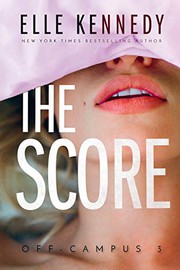
The Score
Playboy Dean chases Allie, who wants a fresh start after a bad breakup.
2,700-word summary · 12 min read
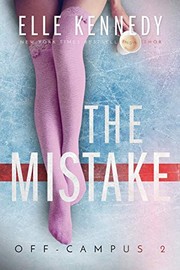
The Mistake
Logan chases Grace for a second chance after one thoughtless night while graduation pressure builds.
2,363-word summary · 11 min read

The Deal
Hannah tutors hockey star Garrett in exchange for help getting another guy.
1,906-word summary · 8 min read

Rule
A tattoo artist still grieving his twin and the polished girl who has loved him since she was thirteen finally collide one drunken night in Denver.
2,014-word summary · 9 min read
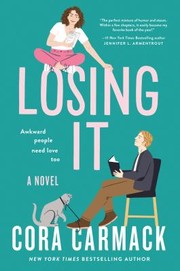
Losing It
Bliss plans a one-night stand, then finds her hookup is her professor.
2,195-word summary · 10 min read

The Coincidence of Callie & Kayden
Callie saved Kayden in an alley and meets him again in college, where both must face assault and abuse to learn trust.
2,578-word summary · 11 min read
Kulti
Pro soccer player Sal Casillas gets childhood idol Reiner Kulti as assistant coach, and a tense season turns into slow friendship.
2,544-word summary · 11 min read

The Cheat Sheet
Best friends Bree and NFL star Nathan fake date for three weeks after her drunken confession goes viral.
2,401-word summary · 11 min read

Love Song
Hockey heirs spend one Tahoe summer together, split by tragedy, then get a second verse.
2,222-word summary · 10 min read

Austenland
A New York graphic designer obsessed with Mr. Darcy inherits a trip to a Jane Austen theme park, where the fantasy of Regency romance collides with the men…
2,030-word summary · 9 min read

Lick
Evelyn wakes up married to the lead guitarist of Stage Dive after a Las Vegas birthday she cannot remember, and the annulment gets complicated.
1,989-word summary · 9 min read

The Bookshop on the Corner
A Birmingham librarian loses her job, buys a van, and moves to the Scottish Highlands to run a mobile bookshop. Warm and bookish, with uneven pacing.
2,557-word summary · 11 min read

Ricochet
Lily Calloway tries to stay celibate for ninety days while Loren is in rehab, leaning on Rose, Connor, and Ryke as therapy forces her to face her childhood.
2,575-word summary · 11 min read

My Dark Romeo
A debutante ball kiss traps Dallas Townsend in a marriage to Romeo Costa, a man who wants her as leverage in a war against his father and her fiance.
2,530-word summary · 11 min read

Under Locke
Iris Taylor moves to Austin broke and wary, takes a front-desk job at a tattoo shop, and spends the book learning that Dex Locke’s blunt cruelty and unexpected…
2,591-word summary · 12 min read
The Ex Talk
Two rival public radio producers pretend to be exes for a dating show, then fall for each other while the lie grows.
2,389-word summary · 11 min read
Bet Me
A sharp actuary agrees to dinner with a charming serial bettor, then spends the next month pretending the wager does not matter.
2,710-word summary · 12 min read

Beneath This Man
Ava returns to Jesse after five days apart and finds his drinking, jealousy, and a hidden deception that changes what she can forgive.
2,341-word summary · 10 min read

Act Your Age, Eve Brown
Eve Brown crashes into a Lake District bed and breakfast, breaks the owner's arm, and talks her way into his kitchen. A grumpy-sunshine romance about work,…
2,474-word summary · 11 min read
Two by Two
Sparks's twentieth novel turns from first love to a marriage breaking up: Russell Green loses his wife and his job, then rebuilds his life around his…
2,192-word summary · 10 min read

There Are No Saints
Two rival artists circle a struggling San Francisco painter. Cole Blackwell wants her, Alastor Shaw wants her dead. Book one of the Sinners duet.
2,190-word summary · 10 min read

The Predator
Coder Morana Vitalio and mob enforcer Tristan Caine chase stolen software while a case of missing girls from twenty years back catches up with them both.
2,296-word summary · 10 min read