

Love Song
2,222-word summary 10 min read 516 pages in the book
- First published
- 2026
- Publisher
- Bloom Books
- Pages
- 516
- Series
- Campus Diaries (#4)
Reading options
What's inside (16 sections)
Kennedy returns to Briar with the next generation, and the move pays off. Blake Logan and Wyatt Graham carry famous surnames and real problems. A Tahoe summer, a stalled musician, a girl hiding from heartbreak: familiar parts assembled with unusual warmth. I smiled through most of it and teared up once, which is the correct ratio.
You can start here. Prior Briar knowledge adds sparkle, especially the parents' cameos, but Blake and Wyatt's story stands alone. Campus Diaries readers get continuity. Everyone else gets a complete summer romance.
Blake hides out
Blake Logan arrives at the family lake house in Tahoe determined to be miserable in peace. A brutal breakup ended her last relationship and her trust in her own judgment. College junior, beloved family, famous hockey lineage: none of it protects her from feeling foolish. Her plan is simple. No men. No drama. Swim, sleep, heal.
Kennedy writes post-breakup numbness well. Blake goes through motions: unpacking, grocery runs, dock sitting. Her internal monologue mixes self-blame with defiance. She is done being the girl who falls too hard, which of course means she is exactly the girl who will.
The Logan family money and fame form backdrop rather than plot. Blake's parents appear enough to ground her without rescuing her. Grace's warmth and Logan's protectiveness explain both Blake's security and her blind spots. The lake house itself does quiet work as a place outside real life where rules relax.
Wyatt shows up
Wyatt Graham is four years older, the son of Garrett Graham and Hannah Wells, and living proof that talent plus lineage still is not enough. His music career has stalled badly. He comes to Tahoe for inspiration and finds, instead, the girl who had a crush on him at sixteen and now pretends otherwise.
The age gap and history get handled with care. Wyatt remembers teenage Blake fondly and kept his distance for good reasons. Adult Blake is different: confident, funny, guardedly open. His recalibration feels believable because Kennedy shows his surprise rather than telling it. The16-year-old in his memory keeps getting overwritten by the woman on the dock.
Wyatt's creative block forms the book's best subplot. Songwriting scenes ring true: noodling that goes nowhere, lyrics that lie, the terror of a blank page when music is identity. His stalled career mirrors Blake's stalled heart. Both need to risk bad drafts.
One summer
The romance builds the Kennedy way: banter first, heat second, feelings ambushing both. Lake swims, boat rides, town runs, bonfires. Tahoe summer does half the seduction work. Blake's no-men rule erodes visibly. Wyatt's keep-your-distance policy collapses faster than he admits.
The love scenes are explicit and consensual, with the series' usual frankness. What distinguishes them is tenderness. These two are gentle with each other's sore spots in ways that read as character rather than technique. A scene where Wyatt plays an unfinished song for Blake first carries more charge than the steamier passages.
Secondary characters charm without stealing focus. Lake neighbors, old family friends, a dog with opinions. The summer community gives the central pair witnesses and foils. Nobody exists purely to dispense advice, though one older neighbor comes close.
Tragedy splits them
Kennedy does not let summer last. Tragedy strikes the lake community and tears the couple apart at their most vulnerable. The specifics involve loss that reframes everything Blake believed about safety and everything Wyatt believed about responsibility. Both retreat to old patterns: she walls up, he runs.
The separation section is the book's strongest writing. Blake functioning through grief at school. Wyatt throwing himself into sessions that sound hollow. Misery rendered without melodrama. When fate arranges a second meeting, both have changed enough for it to matter and not so much that the spark needs relighting.
The reunion earns its tears. No grand airport chase, just two people choosing each other with open eyes after seeing the worst. The final verse metaphor from the marketing lands better in context than it sounds in blurb form.
Second verse
As a next-generation story, this threads the needle. Old favorites appear as parents now, used sparingly and well. Garrett's intensity has mellowed into dad jokes with an edge. Hannah's steadiness anchors scenes. Logan and Grace get moments that reward longtime readers without excluding new ones.
The Campus Diaries placement makes sense. Blake's college life frames the story, and the series' school-year rhythm contrasts the summer freedom. Book four of an ongoing sequence, but genuinely standalone.
Complaints are minor. The tragedy arrives slightly on schedule, and one late misunderstanding resolves fast. At 516 pages the book could lose thirty without pain. But the warmth is real, the steam is consensual, and Tahoe has never looked better. Briar fans, come home.
Generations of Briar
The next-generation gamble could have felt cynical. Instead it feels like a reunion with stakes. Blake and Wyatt carry their parents' traits in recognizable but rearranged form. Garrett's intensity surfaces in Wyatt's focus. Grace's steadiness echoes in Blake's loyalty. Logan's easy charm shows up sideways. Longtime readers get a game of delightful recognition.
The parents appear as parents, which means changed. Garrett cracks dad jokes that still carry an edge. Hannah mothers with the same calm that once steadied a whole friend group. Seeing beloved characters middle-aged and competent satisfies in ways pure nostalgia cannot. They earned this peace, and the book lets them enjoy it briefly before the kids' drama interrupts.
New readers lose surprisingly little. Every necessary backstory arrives naturally through dialogue rather than info-dumps. Who dated whom, which team won what: all sketched lightly. The book trusts newcomers to pick up context, and it works. Start here freely, then go back to The Deal if hooked.
The show and the books
The Off Campus television adaptation adds meta-interest. With the show premiering around the book's release window, new fans will arrive through screens first. Love Song serves as a fine entry point for that crowd: self-contained, warm, representative of the series' best qualities without its rougher early edges.
Kennedy's involvement in publicity around both suggests confidence in the synergy. The Tahoe setting photographs well in prose and would film beautifully. Whether the show reaches this generation's stories remains to be seen, but the book plants seeds deliberately. Wyatt's musical ambitions and Blake's school life both offer season-shaped arcs.
For now the book stands alone, show or no show. Adaptation chatter should not distract from what the novel does on the page. It tells a complete love story with humor, heat, and heart. Screens can wait.
Summer romance, done right
The summer-romance genre has rules: compressed timeline, heightened feelings, autumn as antagonist. Kennedy follows them while grounding each beat in character. Blake does not fall for Wyatt because summer demands it. She falls because he listens, shows up, and plays her half-finished songs back better.
Tahoe earns its place on the cover. Lake mornings, pine smells, tourist-town rhythms: the setting does active work rather than decorating. Place functions almost as a third lead, giving the couple neutral ground away from family fame. Summer places grant permission that real life withholds.
The tragedy subplot risks melodrama and mostly avoids it through restraint. Grief gets scenes of numb routine rather than big speeches. Recovery comes through small returns to normal life. Kennedy handles loss better here than in earlier, broader books. Experience shows.
Where Campus Diaries goes
As book four, Love Song confirms the series' identity: school-year framing, summer freedom, hockey-adjacent hijinks, kind heroes. Each couple gets one book and a complete arc. The formula holds without feeling stamped out, because Kennedy varies the emotional question each time.
Blake and Wyatt's question is whether the past must repeat. Children of famous couples, they fear inherited patterns. The book answers with qualified hope: patterns inform but do not compel. Choosing differently is possible and costly and worth it. That theme should resonate beyond Briar.
Five hundred pages well spent. Warm, grown-up, generous. The final verse plays sweet.
The parents we knew
Garrett Graham and Hannah Wells once carried an entire series on their backs. Seeing them as settled parents hits longtime readers right in the chest. Garrett's scowl has softened into something teasing. Hannah's calm has deepened into wisdom. Their marriage reads as the reward for books of struggle, which makes Wyatt's restlessness legible as inheritance.
Logan and Grace parent differently, and Blake shows it. Where Wyatt got intensity, Blake got steadiness with high expectations. Grace's organizational love and Logan's easy charm produced a daughter who plans everything and feels everything. The family-systems writing here is sharper than the genre usually attempts.
The parents' friend group appears in ensemble moments that feel like reunions. Dean, Allie, Tucker, Sabrina: names that carry hundreds of pages of history for fans. Kennedy deploys them sparingly, one barbecue, one phone call, one well-timed intervention. Enough for joy, never enough to hijack the kids' story.
What impresses most is how the parents step back. They advise when asked, worry visibly, and refrain from fixing. Letting the next generation make parallel mistakes shows real authorial discipline. The temptation to replay old dynamics through old characters must have been strong. Kennedy resists it.
Music as second lead
Wyatt's stalled career gets more than backdrop treatment. Songwriting blocks, label pressures, the weird grief of early success followed by silence: Kennedy writes the music industry with surprising specificity. Studio scenes ring true. The economics of streaming-era careers get honest, unglamorous attention.
His instrument functions as emotional barometer. When words fail Wyatt, and they often do, he plays. Blake learns to read his playing the way she once read his texts: closely, hopefully, sometimes wrongly. The scenes where music communicates what conversation cannot rank among the book's best.
The titular love song arrives late and earns its title. Not a hit single but a private composition, rough and true. Its performance scene for Blake alone carries the whole romance's weight. Public success would cheapen it. Kennedy keeps the song between them, which paradoxically makes it feel bigger.
Tahoe's music scene, small venues and summer gigs, grounds the fantasy. Wyatt is not selling out stadiums. He is rebuilding in rooms that hold fifty people. That modesty suits the book's grown-up register. Comebacks come in human scale here, measured in honest songs rather than charts.
Tahoe summer magic
Setting does heavy lifting throughout. The lake house operates as a character with moods: welcoming at noon, melancholy at dusk, conspiratorial at midnight. Blake's changing relationship to its rooms tracks her healing precisely. Spaces she avoided in June become favorites by August.
Summer people versus locals dynamics add texture. Tourist money, seasonal friendships, the particular intimacy of people who know their time together expires. Blake and Wyatt both understand the calendar's pressure. That shared deadline accelerates honesty in ways neither would manage in real life.
Water imagery recurs with intent. Swimming as baptism, storms as emotional weather, drought as creative block. Kennedy is not subtle about any of it, nor should she be. Romance runs on such correspondences. The lake holds the couple's story the way good settings should: visibly and without apology.
By September, summer's end feels like a small death both characters must survive to prove the love outlasts the season. The book's final movement tests exactly that. What works at the lake in August must work in traffic in October. Kennedy makes the case that it can, and I believed her.
Blake, fully seen
Blake deserves attention as more than a viewpoint. Her breakup backstory gets real estate: what she ignored, what she excused, how humiliation taught her to armor up. The healing arc avoids shortcuts. She backslides. She overcorrects. She apologizes badly and tries again. Growth here looks like practice, not epiphany.
Her friendships outside Wyatt matter too. College friends who check in without smothering. A sibling dynamic that teases and steadies. These relationships prove Blake is capable of healthy bonds, which makes her romantic caution read as wisdom rather than damage. She knows what good looks like. She just stopped believing she would get it.
Career threads give her dimension beyond love interest. School pressures, future plans, the question of what comes after junior year. Kennedy weaves these through without letting them hijack the romance. Blake's ambitions exist independent of Wyatt, which makes choosing him meaningful rather than default.
Wyatt, fully heard
Wyatt could have been a brooding-musician cliché. Instead his block gets specific, technical treatment. Dead-end sessions. Lyrics that embarrass him. The particular shame of early praise followed by silence. Anyone who has made things will recognize the spiral. Kennedy writes creative stuckness from the inside.
His family fame complicates everything. Doors open for his surname, then rooms judge whether he deserves to stay. That double consciousness exhausts him. Tahoe offers anonymity he cannot get elsewhere, which is why Blake meeting him as a person first matters so much. She heard the songs before the story.
The four-year gap gets handled with unusual care for the genre. Wyatt's restraint at sixteen reads as decency, not disinterest. His pursuit now reads as recognition, not opportunism. Time did the work neither could rush. The book respects that math instead of apologizing for it.
FAQ
When was Love Song published?
Bloom Books published it in March 2026. It runs 516 pages; the US edition cover is the Open Library edition image used here.
Do I need the earlier Campus Diaries books?
It is Campus Diaries book four, a Briar-universe standalone. Each couple gets one book, so you can start here.
Who are Blake and Wyatt?
Blake Logan, Wyatt Graham, their famous hockey parents, and the Tahoe lake house summer crew.
Similar books
More from Campus Diaries first, then related titles.
The Graham Effect
A hockey legacy and a sharp newcomer trade lessons, banter, and slow trust at Briar.
2,377-word summary · 11 min read

The Play
Briar U hockey star Hunter coaches quiet junior Demi in confidence and fake dating until real feelings break the plan.
3,080-word summary · 14 min read
The Legacy
Four Briar hockey couples face weddings, proposals, and parenthood three years after graduation.
2,172-word summary · 10 min read

The Risk
Brenna needs a fake boyfriend for an internship interview and picks rival star Jake, who wants real dates in return.
2,911-word summary · 13 min read

The Chase
Summer needs housing and gets stuck with hockey player Fitzy, who flirts while she grieves and grows.
1,920-word summary · 9 min read

The Goal
Sabrina plans for Harvard Law until an unexpected pregnancy ties her to steady hockey player Tucker.
3,201-word summary · 14 min read

The Score
Playboy Dean chases Allie, who wants a fresh start after a bad breakup.
2,700-word summary · 12 min read
The Mistake
Logan chases Grace for a second chance after one thoughtless night while graduation pressure builds.
2,363-word summary · 11 min read

The Deal
Hannah tutors hockey star Garrett in exchange for help getting another guy.
1,906-word summary · 8 min read
Same Time Next Summer
A woman planning a perfect wedding meets her first love back at the beach house.
2,329-word summary · 10 min read

Pucking Around
Physio Rachel falls for goalie, grinder, and manager in Jacksonville.
2,268-word summary · 10 min read
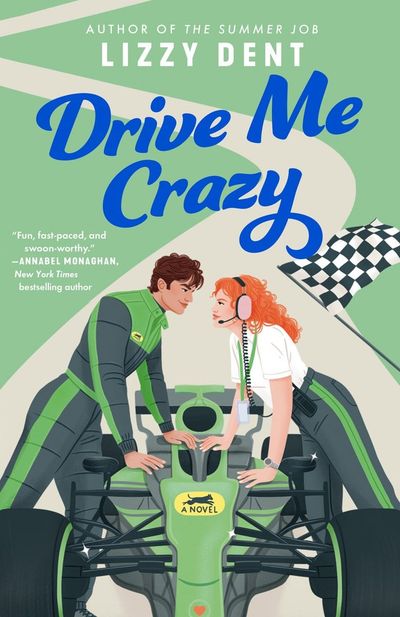
Drive Me Crazy
A rookie F1 team principal and her comeback-driver childhood crush must save their failing team without wrecking each other.
2,236-word summary · 10 min read

Consider Me
An NHL star pursues a teacher who keeps turning him down, and must earn trust through family, friends, and steady proof.
2,926-word summary · 13 min read
This Summer Will Be Different
Lucy returns to Prince Edward Island and tries not to repeat one night with her best friend brother Felix.
1,905-word summary · 8 min read
Wildfire
Hockey goalie Russ Callaghan and bold Aurora Roberts reunite as camp counselors after a one-night stand in this Maple Hills summer romance.
2,931-word summary · 13 min read
Mile High
A Chicago hockey star and a new team flight attendant clash on every road trip until banter turns into care.
3,189-word summary · 14 min read
Icebreaker
Figure skater Anastasia Allen shares a rink with hockey captain Nate Hawkins and sparks fly at UC Maple Hills.
2,176-word summary · 10 min read

The Dare
Dared to seduce Conor, Taylor fakes dating him and feels it turn real.
2,371-word summary · 11 min read
The Rumor
Two Nantucket best friends, Madeline and Grace, watch a summer of small indiscretions get retold into gossip that reshapes both their households.
2,017-word summary · 9 min read
True Believer
Jeremy Marsh, a science journalist who debunks paranormal claims, comes to a small North Carolina town and falls for a librarian who believes in things he…
2,125-word summary · 9 min read
The Second Summer of the Sisterhood
Four friends share the traveling pants through a summer of grandmothers, first loves, and mothers who are learning to let go.
2,209-word summary · 10 min read
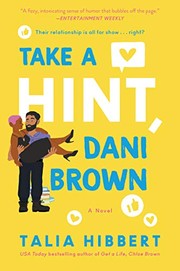
Take a Hint, Dani Brown
A viral rescue video turns a PhD student and a grumpy security guard into internet couple goals, and the fake relationship they build to keep the attention…
2,005-word summary · 9 min read

Collided
Sophie bets she can resist playboy Liam, then pit walls fall.
2,219-word summary · 10 min read
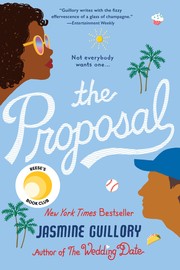
The Proposal
Nik says no to a stadium proposal and rebounds with Carlos in flirty LA romance.
2,044-word summary · 9 min read

Funny You Should Ask
Chani profiles star Gabe Parker, then ten years later a reunion interview tests memory, work, and timing.
2,603-word summary · 12 min read

Before We Were Strangers
Matt waits fifteen years to ask Grace why she left after one college night that shaped them both.
2,386-word summary · 11 min read

The Re-Do List
After a public breakup, Willow Lewis redoes her romantic firsts with her brother's best friend while dog-sitting in Des Moines.
2,390-word summary · 11 min read

Just for the Cameras
A grumpy football star and a sunny flamingo keeper fake a romance for the cameras, then catch real feelings fast.
2,366-word summary · 11 min read

In Her Own League
Baseball's first female owner clashes with her manager until banter turns to heat.
2,076-word summary · 9 min read