
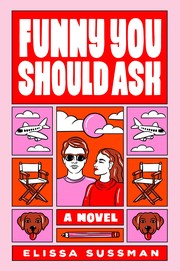
Funny You Should Ask
2,603-word summary 12 min read 352 pages in the book
- First published
- 2022
- Publisher
- Dell
- Pages
- 352
- ISBN
- 9780593357323
Reading options
What's inside (7 sections)
I picked up Funny You Should Ask because a friend kept telling me it was the rare Hollywood romance that takes writing seriously. She was right about the hook. The book was published in 2022 by Dell and runs 352 pages in the paperback edition. It follows Chani Horowitz, a young freelance writer, and Gabe Parker, a famous actor, across two timelines ten years apart. I read it over a weekend with coffee going cold, half charmed and half arguing with Chani in my head.
Chani starts out stuck in that specific Los Angeles grind that feels familiar if you have ever freelanced. She went through an MFA program and watched classmates land book deals while she writes short celebrity pieces to pay rent. She is Jewish, funny in a self protective way, and quick to make herself small in rooms where men talk louder. When her editor lands her a profile of Gabe Parker, she treats it like a lifeline and a trap at once. Gabe is her longtime crush, fresh off being named as a possible James Bond, handsome in the way that makes publicists nervous. Chani wants to stay cool and get the piece right. She also wants to survive the assignment without embarrassing herself.
Gabe turns out to be easier to talk to than she feared and harder to read than she hoped. He loves old movies. They bond over The Philadelphia Story, which becomes a kind of shorthand between them for banter that has teeth. The interview stretches past the planned hour into dinner, into a premiere, into a party at his house, into a weekend that runs about seventy two hours. Sussman lets those early scenes breathe. There is takeout eaten on counters, questions asked on couches, a lot of laughing that tips into something tender. Chani keeps telling herself she is working. Gabe keeps finding reasons to keep her around. The tabloids notice. Her piece goes viral when it runs. Then, right after, Gabe marries his co star and Chani is left holding a career boost that feels like a bruise.
That sting shapes everything that follows. I liked that Sussman does not let Chani play it cool about the hurt. Chani tells herself she misread signals. She replays moments and wonders if she imagined the warmth. She throws herself into work because work answers back. Ten years later she has the life she once wanted from a distance. She lives in Los Angeles, publishes essays people actually read, has a collection coming, gets recognized at events. She is also divorced, in therapy, and tired of being asked about The Profile every time she promotes something new. It is the one piece everyone has read, the one that still follows her into rooms.
Then Gabe's team calls. He is divorced now, sober after a rough stretch that nearly cost him his career, doing steadier work and trying to stay out of gossip cycles. His publicists want a reunion interview to mark ten years since the first profile. Chani wants to say no. She says yes because part of her still wants to know if those three days mattered to him as much as they mattered to her. That question, plain and a little embarrassing to admit, carries the second half of the book.
The First Weekend
The Then chapters move slowly on purpose. Sussman spends a lot of time inside hotel lobbies, cars, green rooms, and Gabe's kitchen. Chani arrives with a list of smart questions and a plan to keep boundaries firm. Gabe answers in a way that invites follow ups. He talks about growing up in Montana, about parents who keep him grounded, about learning to act while feeling like a fraud in press lines. He teases Chani about her notes. She teases him about his earnest taste in classic film. Their talk has rhythm. You can see why an editor would love the copy and why Chani would fall a little even while taking notes.
What makes those chapters work is how much career anxiety sits under the flirting. Chani keeps clocking the gap between herself and her MFA peers. One friend has a novel out. Another teaches and publishes. Chani writes five hundred words on what a star eats for lunch. She is good at it, which makes it worse. Sussman captures that mix of pride and shame without turning Chani into a punchline. Chani prepares hard, checks quotes, worries about being seen as a fan rather than a writer. When Gabe treats her like a peer, asking what she is working on and remembering details from her answers, it lands hard because so few people in her work life do that.
The weekend tips from professional to personal in small steps. A ride offered instead of a car service. A plus one to a premiere because his date canceled. A late talk by a pool that goes too long to call it an interview. Sussman does not rush the physical side. A look held too long. A hand on a back in a crowded room. Chani sleeping in a guest room and lying awake listening to house sounds. When they do sleep together, it feels both inevitable and unwise, which is the point. Chani leaves with great material and a private ache she cannot file.
The fallout is quick and public. The profile brings Chani attention, assignments, and a label she never asked for. Readers love the intimacy of the piece. Editors want more of that access. Then news breaks that Gabe married his co star, and the same readers who praised Chani's insight start reading the profile as a story about a girl who did not get chosen. Chani feels foolish for believing the weekend meant what she thought it meant. I found those pages sharp about fame. A viral piece can pay rent for a year and still cost you confidence.
Ten Years On
The Now chapters have a different texture. Chani is thirty something, competent, tired in a way she can name in therapy. She has an agent, deadlines, drafts of essays that try to say something true about family and ambition and divorce. She has friends who tell her the truth, including a best friend who reminds her to eat before events. Her divorce was rough but not villainous. Her ex is not a monster, just wrong for her in ways that took too long to admit. Therapy helps her spot patterns, like apologizing before she has finished a sentence.
Gabe has changed too, though fame still warps rooms around him. He is divorced, does not drink now, talks openly about meetings and sponsors without making it a speech. He lost jobs during the messy period and earned some back with smaller films where he showed up prepared and kind to crews. He lives more quietly, spends time in Montana when he can, tries to keep his son out of headlines where possible. When he sees Chani again, he is warm but careful. He remembers small things, like how she takes coffee and which movies she quotes. He also keeps a publicist's distance until he is sure what Chani wants from the reunion.
Their second interview is awkward in a good way. Chani brings sharper questions. Gabe gives longer answers and sometimes deflects with humor. They meet in hotel suites with a publicist hovering, then find excuses to talk alone. They walk, get food, argue lightly about endings. The ten year gap lets Sussman play with memory. Chani remembers the first weekend as brighter than it was. Gabe remembers it as simpler than it was. Both have to adjust when texts and old drafts surface. I liked how the book treats memory as editing. We cut scenes that hurt and keep takes where we look better.
Los Angeles itself feels lived in here. Traffic that ruins plans. Coffee shops where writers pretend not to eavesdrop. A bookstore event with folding chairs and a mic that feeds back. New York appears for publishing meetings and old friends. Montana gets a few quiet chapters that slow the pace, with cold air, family kitchens, and a different kind of attention where Gabe is a son and neighbor before he is a star. Those shifts help the romance breathe outside press rooms.
Chani and the Writing Life
For me the strongest thread is Chani trying to build a writing life that feels like hers. Early on she says yes to anything that pays. Recaps, junkets, short profiles where the subject's team approves quotes. She is grateful and resentful in the same hour. Later she writes essays about her mother, about money fights in her twenties, about divorce and starting over. Those pieces do well because they sound like her, not like a brand voice. Yet every interview still circles back to Gabe. A student asks about him in a Q and A. A podcast host plays it coy and then asks anyway. Chani smiles through it and vents later to friends.
Sussman knows this world from the inside and it shows in details that feel observed rather than researched. An editor who loves your pitch until a bigger name wants the slot. A check that arrives late. A headline you did not write and cannot change. A comment section that decides you slept your way to access. Chani deals with sexist dismissal without giving a speech about it. She notes who gets asked about craft and who gets asked about dating. She keeps files, saves emails, learns to ask for more money. Those small wins matter more than any red carpet scene.
Her friendships help her stay honest. Her best friend calls when Chani spirals and tells her to drink water and go to bed. Former classmates pop up with news that stings, then turn out to be kind in person. Her mother loves her fiercely and worries loudly. Her agent pushes her to finish the essay collection even when Chani wants to chase profile work again. These people do not exist to approve the romance. They ask what the reunion piece will cost her and whether she has a plan if it goes sideways. That pressure makes Chani's choices feel adult rather than dreamy.
I also appreciated that therapy is not a fix in this book. Chani's therapist does not hand her lines to use on Gabe. Sessions help her notice when she shrinks herself to keep a man comfortable. She practices saying what she wants without dressing it up as a joke. Sometimes she still jokes. Change comes in drafts, not in breakthroughs. As someone tired of novels where two sessions cure a lifetime of habits, I found this patient approach believable.
Gabe Up Close
Gabe could have been a poster, but Sussman gives him weight. He is charming without coasting, which is harder to write than it looks. He remembers crew names. He apologizes when late. He talks about sobriety in plain terms, crediting daily effort and people who stuck around when headlines were bad. He loves acting but distrusts the machine around it. He describes press tours as strange loops where you answer the same five questions and watch your words turn into quotes you never said. Chani, who has written those loops from the other side, gets it at once.
His Montana roots matter. His parents still live there. His old friends treat fame as a job that took him away rather than a crown. Scenes at home show Gabe doing dishes, shoveling, listening more than talking. With Chani he drops the interview voice faster than he does in Los Angeles. He admits he married quickly the first time for reasons that mixed love with fear and timing. He admits he thought about Chani more than he let on. He does not offer grand promises. He offers attention and consistency, which Chani has learned to value over speeches.
Fatherhood steadies him too. Sussman keeps his son mostly off page, which feels respectful. We hear about school runs, bedtime stories, custody schedules handled quietly. Gabe worries about bringing Chani into that orbit and what another public relationship would mean for a kid who did not choose it. Those worries slow the romance in a believable way. A man who once invited a writer to stay for the weekend now checks calendars and talks to his family first. Growth looks like logistics here, not flowers.
That said, Gabe stays a little smoothed at the edges. We hear about bad behavior during his drinking years mostly in summary. A missed call time. A fight with a director. A tabloid photo he regrets. The book gestures at damage without sitting in it long. I wanted one scene where amends felt costly rather than narrated. Sussman keeps the focus on Chani, so Gabe's past stays background. It works for pacing but leaves him slightly safer than the story claims.
What Works and What Wears Thin
The banter is the main pleasure. Chani and Gabe trade lines about movies, food, and interview tricks with ease. Their Philadelphia Story riff returns at smart moments and never feels forced. Emails and texts break up chapters and show voice well. Sussman writes attraction through attention. He refills her water without being asked. She notices when he is tired before he admits it. Those small acts build heat better than explicit scenes, though the book has a few frank and tender ones when the time is right.
Structure helps too. Alternating Then and Now lets mystery build without cheap tricks. We learn early that the first weekend ended badly, but we do not learn exactly what was said until late. Each timeline comments on the other. Young Chani fears she wants too much. Older Chani fears she settled for too little. Seeing both at once keeps the middle from sagging, even when the second interview plot stalls for logistics and PR approvals.
Criticism belongs here as well. The middle does stall in places. PR wrangling, schedule texts, and hotel lobby waits fill pages that could have been tighter. A subplot about a rival writer sniffing around the reunion feels thin. Some readers will also tire of how often Chani replays embarrassment. Even with therapy insight, she circles the same worry about being the girl who fell for a star. The book knows this and has friends name it, but naming does not fully fix repetition.
The fame commentary is sharp yet safe. Sussman shows how women writers get reduced to who they dated and how stars get reduced to who they married. She is clear about pay gaps and credit theft. She is gentler on the industry that employs her characters. Studios and magazines mostly behave. Publicists are competent rather than cruel. That choice keeps tone light, but readers wanting bite may find it polite. I did not mind, since the focus stays on two people learning to talk straight, yet I noticed the soft edges.
Who will love this. Readers who enjoy slow burn romance with a lot of talk will feel at home. Fans of second chance stories, Hollywood settings, and books about writers should move it up the list. Readers who want high plot or twists should look elsewhere. This is a book about two interviews and the ten years between them. It ends warmly without pretending careers and co parenting get solved by love. I closed it fond of Chani, rooting for her essay collection more than for a sequel, and glad Sussman let her heroine ask for what she wants out loud at last.
FAQ
When was Funny You Should Ask published?
It was published on April 12, 2022 by Dell in a 352-page paperback edition. The summary follows that text and keeps its facts aligned.
Who are Chani and Gabe in Funny You Should Ask?
Chani Horowitz is a freelance writer turned essayist. Gabe Parker is a famous actor known as a possible James Bond who bonds with her over old film.
Is Funny You Should Ask only a romance?
No. The romance carries it, but much covers freelance pay, headlines, therapy, and how viral fame sticks to women writers.
Similar books
Lick
Evelyn wakes up married to the lead guitarist of Stage Dive after a Las Vegas birthday she cannot remember, and the annulment gets complicated.
1,989-word summary · 9 min read
True Believer
Jeremy Marsh, a science journalist who debunks paranormal claims, comes to a small North Carolina town and falls for a librarian who believes in things he…
2,125-word summary · 9 min read
Same Time Next Summer
A woman planning a perfect wedding meets her first love back at the beach house.
2,329-word summary · 10 min read
To Love Jason Thorn
Childhood friends Olive and Jason reunite when the Hollywood star returns home, fake a romance for the cameras, and face old family wounds before trust turns…
2,506-word summary · 11 min read
Before We Were Strangers
Matt waits fifteen years to ask Grace why she left after one college night that shaped them both.
2,386-word summary · 11 min read
King of Greed
Billionaire Dominic fights to win back Alessandra after work obsession breaks their ten year marriage.
2,548-word summary · 11 min read
Austenland
A New York graphic designer obsessed with Mr. Darcy inherits a trip to a Jane Austen theme park, where the fantasy of Regency romance collides with the men…
2,030-word summary · 9 min read
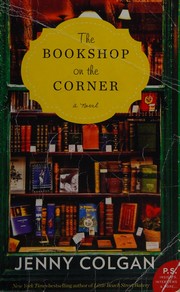
The Bookshop on the Corner
A Birmingham librarian loses her job, buys a van, and moves to the Scottish Highlands to run a mobile bookshop. Warm and bookish, with uneven pacing.
2,557-word summary · 11 min read
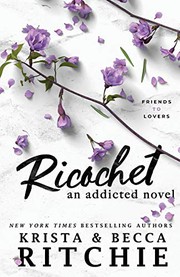
Ricochet
Lily Calloway tries to stay celibate for ninety days while Loren is in rehab, leaning on Rose, Connor, and Ryke as therapy forces her to face her childhood.
2,575-word summary · 11 min read
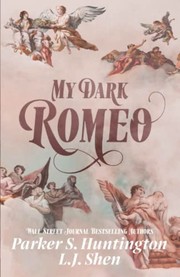
My Dark Romeo
A debutante ball kiss traps Dallas Townsend in a marriage to Romeo Costa, a man who wants her as leverage in a war against his father and her fiance.
2,530-word summary · 11 min read
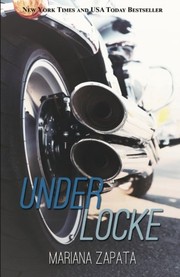
Under Locke
Iris Taylor moves to Austin broke and wary, takes a front-desk job at a tattoo shop, and spends the book learning that Dex Locke’s blunt cruelty and unexpected…
2,591-word summary · 12 min read
The Ex Talk
Two rival public radio producers pretend to be exes for a dating show, then fall for each other while the lie grows.
2,389-word summary · 11 min read
Bet Me
A sharp actuary agrees to dinner with a charming serial bettor, then spends the next month pretending the wager does not matter.
2,710-word summary · 12 min read
Beneath This Man
Ava returns to Jesse after five days apart and finds his drinking, jealousy, and a hidden deception that changes what she can forgive.
2,341-word summary · 10 min read
Act Your Age, Eve Brown
Eve Brown crashes into a Lake District bed and breakfast, breaks the owner's arm, and talks her way into his kitchen. A grumpy-sunshine romance about work,…
2,474-word summary · 11 min read

Two by Two
Sparks's twentieth novel turns from first love to a marriage breaking up: Russell Green loses his wife and his job, then rebuilds his life around his…
2,192-word summary · 10 min read

There Are No Saints
Two rival artists circle a struggling San Francisco painter. Cole Blackwell wants her, Alastor Shaw wants her dead. Book one of the Sinners duet.
2,190-word summary · 10 min read

The Predator
Coder Morana Vitalio and mob enforcer Tristan Caine chase stolen software while a case of missing girls from twenty years back catches up with them both.
2,296-word summary · 10 min read
The Casanova
Kate Landon's boss is also the pen pal she falls for online, hiding behind fake names, until family secrets and a trip to Paris get in the way.
2,274-word summary · 10 min read

One to Watch
A plus-size fashion blogger takes the lead role on a reality dating show to prove she belongs on television, and finds she might want what the cameras offer.
2,478-word summary · 11 min read
This Time Next Year
Two women give birth minutes apart on New Year's Day 1990, and one takes the other's lucky name. Thirty years on, their children meet again.
2,194-word summary · 10 min read

Indigo Ridge
A new police chief in a Montana town meets the founding family's eldest son in a bar, and one night later a body turns up under their cliff.
2,763-word summary · 12 min read

At First Sight
Jeremy and Lexie are married and expecting a baby when anonymous emails tell him the child may not be his.
2,317-word summary · 10 min read

2 States: The Story of My Marriage
A Punjabi boy from Delhi and a Tamil Brahmin girl from Chennai meet at IIM Ahmedabad, and turn a love marriage into a campaign to convince two families.
2,634-word summary · 12 min read

Scrappy Little Nobody
Anna Kendrick's essays trace her path from a Portland childhood and Broadway to Hollywood, with jokes, anxiety, and a refusal to pretend fame fixed her.
2,092-word summary · 9 min read
Marriage for One
Rose marries a cold lawyer to save her coffee shop, then discovers the arrangement was never only business.
2,032-word summary · 9 min read

Juniper Hill
Fleeing New York with her baby, Memphis takes a housekeeping job above Knox Eden's garage, and the grumpy chef becomes the first person she can rely on.
2,021-word summary · 9 min read

Delilah Green Doesn't Care
Delilah returns to Bright Falls to photograph her stepsister's wedding and falls for Claire, a bookstore owner and single mother, while a cruel bet threatens…
2,315-word summary · 10 min read
Catch and Kill: Lies, Spies, and a Conspiracy to Protect Predators
Ronan Farrow recounts how NBC killed his Harvey Weinstein reporting, then how The New Yorker published it and helped ignite #MeToo.
2,057-word summary · 9 min read
Beautiful Stranger
After a betrayal, Sara Dillon moves to New York and starts a no-strings affair with a British stranger, only to find that control and intimacy are harder to…
2,015-word summary · 9 min read