
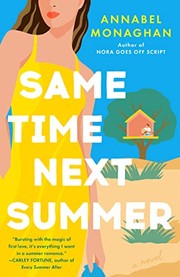
Same Time Next Summer
2,329-word summary 10 min read 320 pages in the book
- First published
- 2023
- Publisher
- G.P. Putnam's Sons
- Pages
- 320
- ISBN
- 9780593544969
Reading options
What's inside (6 sections)
I read Same Time Next Summer on a porch with iced tea, which felt right for a book about beach houses and old love. First published in 2023 by G.P. Putnam's Sons at 320 pages in hardcover, it is a standalone romance about Sam, a woman engaged to a safe, wonderful man, who returns to the Long Beach Island house where she spent teenage summers and finds Wyatt, her first love, still there. Annabel Monaghan writes warm, funny second chance stories. This one made me cry once and smile through. It asks what safe costs and what true wants.
Sam has built a good adult life on purpose. After losing her brother as a teen and watching grief upend family, she chose stability. Fiancé Jack is kind, steady, successful, loved by her parents. They plan a wedding, a house, a future with calendars. Sam works hard, exercises, keeps lists. She tells herself she is happy, and mostly believes. Then her family beach house, full of memories she avoided, needs clearing before sale, and she goes back to Long Beach Island with Jack's blessing. Wyatt lives next door, still surfing, still building, still looking at her like summers never ended.
Wyatt was her everything at seventeen. First kiss, first plans, long nights talking about leaving. Then tragedy struck. Sam's brother died, family shattered, Sam left the beach and did not return for years. Wyatt stayed, worked with hands, cared for his own family, waited in a way that is not creepy but sad. He did not marry. He fixed houses. He surfed mornings. When Sam appears with an engagement ring, he is polite and wrecked. Their talks start stiff, then old ease returns. Jokes, nicknames, knowing how she takes coffee. Jack calls nightly, sweet and unaware. Sam feels guilty and alive at once. That split drives the book.
Monaghan writes dual timelines well. Present chapters in Sam's voice, past summers in warm flashbacks. Teen Sam and Wyatt meet as kids, become friends, become more. Beach days, boardwalk fries, bonfires, first times handled tenderly. Brother alive and teasing. Parents happy. Grief has not yet come. Those past chapters glow without being perfect. Wyatt's family struggles with money. Sam's brother is reckless and loving. You know loss comes, which makes joy ache. Present chapters are cooler, adult, with wedding planning and career talk. Contrast shows how Sam armored after loss. Lists instead of lingering. Plans instead of play. Wyatt notices and calls it gently. You built a safe life, he says. Are you happy in it. She hates the question because she fears answer.
Safe versus true
Jack deserves attention because he is not a villain. Many second chance romances make fiancé dull or cruel to ease choice. Jack is good. He listens, he cooks, he supports Sam's career, he loves her family. He is also safe in a way that avoids deep water. He does not surf, does not talk about grief much, prefers plans to mess. Sam chose him partly for that steadiness after chaos. Loving him is easy. Needing Wyatt feels dangerous because it reopens grief she boxed. The book respects Jack. When Sam wavers, she feels shame, not triumph. Friends tell her to think, not to cheat. She does not cheat physically for long stretches. She talks, remembers, cries. Emotional cheating counts, and she knows. That honesty kept me with her even when frustrated. She tries to be good while feeling pulled. That trying matters.
Wyatt also avoids saintliness. He stayed, yes, but also nursed hurt into identity. He did not reach out for years, assuming Sam moved on. He dated others halfheartedly. He fixed Sam's family house without being asked, which is kind and boundary crossing. He surfs to avoid thinking. When Sam returns, he pursues with memory as weapon. Remember this cove. Remember our song. That pursuit is romantic and unfair to Jack. Monaghan lets Wyatt be wrong sometimes. He pushes when Sam asks space. He tells Jack's flaws to Sam's friends. He apologizes and does better. Growth on both sides makes reunion earned, not inevitable.
Beach house itself acts as character. Shingled walls, outdoor shower, kitchen with chipped mugs, deck facing sea. Sam's brother's room kept closed. Wyatt's house next door with tools and boards. The island in summer smells of sunscreen and salt. Off season quiet aches. Sam cleaning closets finds old mixtapes, photos, her brother's shirt. Each object triggers flashback and tears she postponed. Grief work happens through sorting. Keep, donate, trash. What do you keep of a brother. How do you keep loving without living in past. Those questions sit under romance and give weight. This is not just who will she pick. It is how will she grieve fully after years of managing.
Family dynamics help. Sam's parents love her and Jack, but miss beach joy. Her mother cries over selling house. Her father fixes things silently. They liked Wyatt as a teen and like Jack as adult, torn like Sam. Wyatt's mother is warm and blunt. She tells Sam Wyatt never got over, then tells Wyatt to let Sam choose free. No one schemes. Everyone wants good, which makes choice harder. No villain to blame. Just adults with histories. I appreciated that kindness. Small towns often get gossipy cruelty in romance. Here community supports, brings food, watches without judging too loudly. That support lets Sam choose without exile.
What glows and what drags
What glows is voice and summer feeling. Sam narrates with humor about wedding planning, venue tastings, seating charts. She jokes about napkins while crying about brother. That mix feels real. Grief does not pause for parties. Joy does not pause for grief. Monaghan balances without whiplash. Sentences are light and clear. Dialogue sparkles. Beach scenes make you want salt air. Love scenes are tender and closed door enough for most, with longing more than graphic. Good for romance readers who like emotion over explicit.
Past and present braid well. Flashbacks are not info dumps. They show first love building through small moments. Teaching to surf, sharing fries, meeting families. Brother's death happens off page in memory, recounted in pieces to avoid trauma porn. Aftermath shows family freezing. Sam leaving, Wyatt staying, both surviving differently. Understanding that split helps present choice. Sam fled to safety. Wyatt stayed with pain. Neither wrong. Now Sam must decide if safety still serves or if she can bring steadiness to passion. That arc satisfies. She does not abandon adult self for teen. She integrates. Keeps lists but leaves room. Chooses with open eyes.
What drags is middle repetition. Sam goes to beach house, sees Wyatt, feels guilty, calls Jack, sorts a box, cries, repeats. About fifty pages circle. Jack remains off page for stretches, making him idea more than man. I wanted one more Jack chapter to feel loss if she leaves. As is, Wyatt wins by presence. That may be intentional, love needs proximity, but fair choice needs both present. Friends advise, but Jack does not get to fight for Sam in person till late. When he does, he is gracious and hurt. I felt for him and wished he came sooner.
Ending will satisfy second chance fans. No twist, just choice made clearly after grief faced. Sam talks honestly with Jack, painful and respectful. She talks honestly with Wyatt about fears, not just memories. They decide to try adult, not repeat teen. That distinction matters. Same beach, different people. Monaghan does not promise forever. She promises honest try. I preferred that to epilogue with kids and house. Hopeful, not sealed. Love as practice after loss.
Content is light for adult romance. Language mild, drinking at beach parties, grief about sibling death, no violence. Sex is consensual, loving, not explicit for long. Good for readers who like Emily Henry or Nora Goes Off Script, which Monaghan also wrote. If you liked that book's Hollywood warmth, you will like this beach ache. It is sunnier than Colleen Hoover, deeper than pure comedy.
Who should read it
Read it if you like second chance beach romances with grief and humor. Read it for Long Beach Island summers, for first love done kindly, for fiancés who deserve respect even when left. Read it when you need a cry and a smile in one sitting. At 320 pages it flies.
Skip it if you need fast plot or dislike love triangles with good men on both sides. This will frustrate if you want clear villain. Both Wyatt and Jack are decent. Choice hurts because good people lose. Skip if sibling death grief is too close. It is handled gently but centrally. Bring tissues.
For me, the image that stays is Sam on the deck at dusk, sorting a box of her brother's things while Wyatt fixes a rail nearby without being asked, Jack on the phone inside talking venues. Past, present, possible future in one frame. She breathes salt air she avoided for years and lets tears come without list to stop them. That breath is the book. Stop managing grief and love. Feel both, choose true. I closed it thinking about my own safe choices and what they cost. Not to leave them, but to hold them more honestly. Same time next summer, the title promises. Return to joy yearly, not just once. That rhythm, seasonal and faithful, is why the book lingers after beach sand shakes out. Go back. Feel. Choose.
Grief that shapes love
I want to say more about Sam's brother, because loss explains her lists. He died young, sudden, while Sam was teen and Wyatt was close. The family beach house froze in time after. Sam's parents stopped going. Sam threw herself into school, career, planning. Control as grief management. If I plan enough, no one dies unprepared. That belief, false but comforting, built her adult life with Jack. Calendars, venues, workouts. All good things used as armor. Wyatt stayed near the sea where brother died, surfing through grief rather than planning around it. Two coping styles, flight to order versus stay with waves. Neither wrong. Both incomplete. Sam must learn to grieve without fixing. Wyatt must learn to plan without drifting. They teach each other when reunited, if they listen past old roles.
Sam's mother and father carry grief differently. Mother cleans the beach house obsessively before sale, crying over mugs. Father fixes rails silently, hammering loss into wood. They loved Wyatt as a son, then lost him with Sam's leaving. Now they like Jack, who is kind at holidays. They are torn like Sam, wanting her happy and fearing another break. A scene where mother tells Sam it is okay to love two lives, the one with brother and the one after, broke me. Permission from parents to live fully after child loss is huge. Many grieving families freeze. The Monaghans thaw slowly through sorting. Keep his shirt. Donate his boards. Tell a story laughing not just crying. Those small thawings allow Sam to consider Wyatt without betraying brother. Loving again does not erase. It honors by living.
Jack's goodness needs emphasis to avoid villainizing stability. He plans proposals with thought, remembers Sam's coffee, supports her career without competing. He is baffled by beach house emotion, not dismissive. He tries to surf for her and fails funny. He listens to brother stories without jealousy. His flaw is avoidance of mess, not lack of love. He wants happy without sad. Sam needs sad with happy. That mismatch, not malice, breaks them if they break. When Sam tells truth, Jack listens with grace that hurts more than anger would. He asks what she needs, even if it is not him. That generosity defines him. Readers who choose stability will ache for Jack. I did. He deserves someone who wants safe fully, not someone torn. Hoping he finds that helped me accept Sam leaving if she leaves. Love is not enough when needs differ. Kindness includes letting go.
Wyatt's staying also needs nuance. He did not wait passively. He built a business, cared for mother, surfed, dated. He lived, just near the past. His house full of tools and boards shows a life, not a shrine. When Sam returns, he does not demand resume. He offers help clearing, then steps back when Jack calls. That respect matters. He pursues through presence, not pressure. Fixing rails, bringing fish, remembering brother stories accurately. He shows up consistently, which is more persuasive than speeches. His own grief about brother, who was his friend too, surfaces late. He missed Sam and brother both. Staying meant facing absence daily. That courage matches Sam's planning courage. Both survived. Now they can choose, not just react.
The beach town community supports without meddling much. Neighbors bring pies, ask about wedding, remember Sam as teen. They do not gossip cruelly about Wyatt and Sam. They give space. That kindness allows slow choice. In many romances, towns push. Here Long Beach Island holds. Sea air, off season quiet, summer crowds. Place heals when people let it. Sam running mornings on sand, swimming cold, sitting on deck. Body remembers joy before mind permits. That embodied healing complements talk. Go where you were happy and be sad there till happy returns mixed. That prescription worked for Sam and might for readers. Return to good places after loss. Let them hold both.
If you reread, watch for lists. Sam starts with wedding lists, grocery lists, grief lists. By end lists include surf, linger, call Wyatt. Practical mixed with playful. That shift tracks healing. Order remains, but room appears. She still plans, just not to avoid feeling. That integration, not abandonment of self, makes second chance believable. She does not become teen again. She becomes adult who surfs. Wyatt does not become planner. He makes space for plans. Both stretch without breaking. Love as stretching, not snapping. That image stayed longer than choice itself. Who stretches with you. Choose them. Return next summer to check. Keep returning.
FAQ
When was Same Time Next Summer published?
It was first published in 2023 by G.P. Putnam's Sons at 320 pages. It is a standalone romance.
What is the setup?
Sam is engaged to Jack and returns to Long Beach Island where Wyatt, her teenage love, still lives.
Similar books
True Believer
Jeremy Marsh, a science journalist who debunks paranormal claims, comes to a small North Carolina town and falls for a librarian who believes in things he…
2,125-word summary · 9 min read

Funny You Should Ask
Chani profiles star Gabe Parker, then ten years later a reunion interview tests memory, work, and timing.
2,603-word summary · 12 min read

Before We Were Strangers
Matt waits fifteen years to ask Grace why she left after one college night that shaped them both.
2,386-word summary · 11 min read
Love Song
Hockey heirs spend one Tahoe summer together, split by tragedy, then get a second verse.
2,222-word summary · 10 min read
King of Greed
Billionaire Dominic fights to win back Alessandra after work obsession breaks their ten year marriage.
2,548-word summary · 11 min read
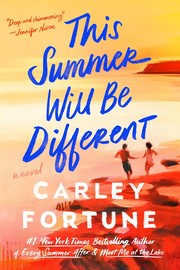
This Summer Will Be Different
Lucy returns to Prince Edward Island and tries not to repeat one night with her best friend brother Felix.
1,905-word summary · 8 min read

We'll Always Have Summer
Belly must choose between Conrad and Jeremiah after two years with Jeremiah and a wedding plan at Cousins.
2,540-word summary · 11 min read

It's Not Summer Without You
After Susannah's death, Belly returns to a cold Cousins Beach with Jeremiah to save the house and faces grief, brother tension, and first love.
2,736-word summary · 12 min read
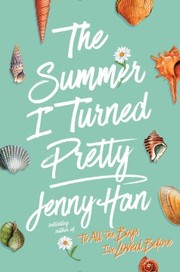
The Summer I Turned Pretty
Belly spends another Cousins summer torn between Conrad and Jeremiah Fisher.
3,556-word summary · 16 min read

Austenland
A New York graphic designer obsessed with Mr. Darcy inherits a trip to a Jane Austen theme park, where the fantasy of Regency romance collides with the men…
2,030-word summary · 9 min read

Lick
Evelyn wakes up married to the lead guitarist of Stage Dive after a Las Vegas birthday she cannot remember, and the annulment gets complicated.
1,989-word summary · 9 min read

The Bookshop on the Corner
A Birmingham librarian loses her job, buys a van, and moves to the Scottish Highlands to run a mobile bookshop. Warm and bookish, with uneven pacing.
2,557-word summary · 11 min read

Ricochet
Lily Calloway tries to stay celibate for ninety days while Loren is in rehab, leaning on Rose, Connor, and Ryke as therapy forces her to face her childhood.
2,575-word summary · 11 min read

My Dark Romeo
A debutante ball kiss traps Dallas Townsend in a marriage to Romeo Costa, a man who wants her as leverage in a war against his father and her fiance.
2,530-word summary · 11 min read

Under Locke
Iris Taylor moves to Austin broke and wary, takes a front-desk job at a tattoo shop, and spends the book learning that Dex Locke’s blunt cruelty and unexpected…
2,591-word summary · 12 min read

The Ex Talk
Two rival public radio producers pretend to be exes for a dating show, then fall for each other while the lie grows.
2,389-word summary · 11 min read

Bet Me
A sharp actuary agrees to dinner with a charming serial bettor, then spends the next month pretending the wager does not matter.
2,710-word summary · 12 min read

Beneath This Man
Ava returns to Jesse after five days apart and finds his drinking, jealousy, and a hidden deception that changes what she can forgive.
2,341-word summary · 10 min read
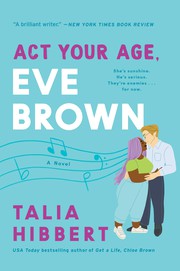
Act Your Age, Eve Brown
Eve Brown crashes into a Lake District bed and breakfast, breaks the owner's arm, and talks her way into his kitchen. A grumpy-sunshine romance about work,…
2,474-word summary · 11 min read
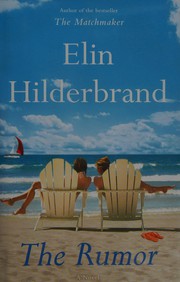
The Rumor
Two Nantucket best friends, Madeline and Grace, watch a summer of small indiscretions get retold into gossip that reshapes both their households.
2,017-word summary · 9 min read

Two by Two
Sparks's twentieth novel turns from first love to a marriage breaking up: Russell Green loses his wife and his job, then rebuilds his life around his…
2,192-word summary · 10 min read

There Are No Saints
Two rival artists circle a struggling San Francisco painter. Cole Blackwell wants her, Alastor Shaw wants her dead. Book one of the Sinners duet.
2,190-word summary · 10 min read

The Predator
Coder Morana Vitalio and mob enforcer Tristan Caine chase stolen software while a case of missing girls from twenty years back catches up with them both.
2,296-word summary · 10 min read

The Casanova
Kate Landon's boss is also the pen pal she falls for online, hiding behind fake names, until family secrets and a trip to Paris get in the way.
2,274-word summary · 10 min read

One to Watch
A plus-size fashion blogger takes the lead role on a reality dating show to prove she belongs on television, and finds she might want what the cameras offer.
2,478-word summary · 11 min read

This Time Next Year
Two women give birth minutes apart on New Year's Day 1990, and one takes the other's lucky name. Thirty years on, their children meet again.
2,194-word summary · 10 min read

Indigo Ridge
A new police chief in a Montana town meets the founding family's eldest son in a bar, and one night later a body turns up under their cliff.
2,763-word summary · 12 min read

At First Sight
Jeremy and Lexie are married and expecting a baby when anonymous emails tell him the child may not be his.
2,317-word summary · 10 min read

2 States: The Story of My Marriage
A Punjabi boy from Delhi and a Tamil Brahmin girl from Chennai meet at IIM Ahmedabad, and turn a love marriage into a campaign to convince two families.
2,634-word summary · 12 min read
Troubles in Paradise
In the final Paradise novel, Irene Steele rebuilds her life on St. John while the truth about Russ's death and Todd Croft's criminal empire finally surfaces.
2,471-word summary · 11 min read