
Reading options
What's inside (6 sections)
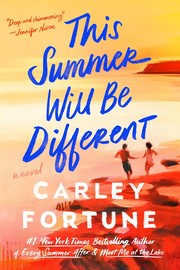
I read Every Summer After last year and liked the lake ache, so I came ready for this one. This Summer Will Be Different by Carley Fortune was first published May 7, 2024 by Berkley, a 368 page paperback with ISBN 9780593638880. Lucy visits Prince Edward Island every summer for her best friend Bridgette. Felix is Bridgette younger brother. They had one night five years ago and promised never again. I finished it in two days with sand still in my shoes from a beach walk I took to clear my head after the third act fight.
Lucy Marshall narrates. She is thirty, works in Toronto in a job that pays well and means little, and flies east each June with oysters and excuses. Bridgette is her person since childhood summers. Felix is the local who shucks oysters, runs boat tours, and remembers everything Lucy pretends to forget. Their chemistry is immediate and inconvenient. He is her best friend brother. She is the tourist who leaves. Both have reasons to behave. Neither does for long.
The structure moves between now and then. Now is Bridgette wedding week, with Lucy as maid of honor and Felix as best man forced into flower runs and seating charts. Then is five summers of almosts. A first night after too much wine. A second summer of avoidance. A third of friendship that feels like dating. Fortune doles out past in short chapters that explain why present touches linger too long. You understand the vow and why it frays.
Prince Edward Island summers
The island is a character and Fortune writes it with love without brochure gloss. Red cliffs. Cold water. Oyster beds at low tide. A family restaurant with sticky tables and perfect fries. Bridgette parents house with extra towels and opinions. Lucy stays in a blue room she has used since teens, with the same quilt and new guilt each year. Felix works the water and the bar, known by all and truly known by few.
Food does a lot of work. Oysters opened withdz careful knives. Lobster rolls eaten on docks. Vinho verde cold enough to hurt teeth. Fortune uses meals for talks that cannot happen elsewhere. Lucy tells Felix about her mother death over shucking. Felix tells Lucy about his father leaving over a boat engine repair. Salt and work make honesty easier. Anyone who summers somewhere will recognize the ritual meals that hold friendships together.
Bridgette wedding gives present plot spine. Flowers late. A band that cancels. A mother in law who means well and micromanages. Lucy as maid of honor must fix while hiding her history with the best man. Felix as best man must charm while not claiming Lucy in front of family. Their forced teamwork, seating charts, dance lessons, and a lost ring hunt, creates the proximity they swore to avoid. Every task ends with hands brushing and eyes leaving fast.
Bridgette herself is more than obstacle. She is funny, loyal, and tired of being the bridge. She knows more than she says early and waits for them to be honest. A scene where she asks Lucy to promise to stay through the whole wedding, not just the party, lands double. Stay for me. Stay for you. Stay instead of running to Toronto when feelings get loud. That request drives Lucy final choice more than any kiss.
A fair note. Early chapters lean on miscommunication. If they just told Bridgette, much pain would ease. Fortune knows this and gives reasons. Felix fears losing his sister if he breaks her trust. Lucy fears losing her only home that is not a condo. Those fears are real enough to justify delay, though one extra summer of silence tested my patience. Stick through. The wedding deadline forces talk.
Then and now
The then chapters trace five years with care. First night after Bridgette engagement party, when Lucy and Felix get locked out and share a blanket in a shed. No big declarations. Just warmth and surprise. Next summer, avoidance through other dates. Lucy brings a boyfriend who hates oysters. Felix brings a girl who loves cameras. Both dates fail because comparisons are unfair and obvious. Friends notice and say nothing, which is its own kindness and cruelty.
Middle summers deepen without consummating. A boat ride where Felix teaches Lucy to read water. A storm where they wait out power loss with candles and cards. A funeral for an island elder where Lucy sees Felix grieve openly while Toronto friends text about brunch. Each visit adds a layer Lucy cannot file in Toronto. She returns to the city with sand in bags and a feeling she names as restlessness to her therapist. Readers will name it sooner. Home.
Fortune handles the age gap lightly. Felix is younger by a few years, enough for Lucy to use as excuse. You are just a kid. He answers by showing steadiness she lacks. Pays bills. Keeps promises. Cares for his mom. The book does not make youth a joke or a fetish. It makes it a mirror. Lucy left to grow. Felix stayed to grow. Both grew, just in different soils. When she stops counting years and starts counting reliability, the dynamic settles.
Work subplots ground both. Lucy in corporate communications, good at spinning, bad at believing. Felix building a tour business while working family restaurant shifts. Money stress is real without dominating. Toronto rent. Seasonal income. A loan for a boat engine. These details keep romance from floating. Love here must fit around shifts and mortgages, not just sunsets.
If there is a sag, it is the third then chapter where festival planning repeats. Necessary to show years passing, but two lobster suppers blur. I skimmed one and missed nothing. The payoff, when past and present align at the wedding rehearsal, needs that history. You feel five years in one look because you lived them in pieces.
Wedding week truth
The last act uses wedding chaos well. A storm threatens the outdoor ceremony. A ring goes missing in sand. Bridgette cries in a bathroom about becoming someone wife while staying herself. Lucy talks her down with a speech about marriage as expansion, not erasure, that doubles as self talk. Felix hears part and understands Lucy fears the same about Toronto versus island. No one has to explain the parallel. It sits in humid air.
Their fight, when it comes, is about more than a night. Lucy accuses Felix of staying small. Felix accuses Lucy of running classy. Both land because both are half true. She does use Toronto as shield. He does use island as excuse not to risk more. Friends give them space by taking them on separate errands that become walks. Bridgette tells Lucy to stop protecting her and choose. Her mother tells Felix to want something off island if he wants Lucy, or to let her go cleanly. Advice without taking sides. Rare in romance and welcome.
The choice Lucy makes is not just a man. It is a life with room for both cities. She pitches remote work to her boss, not as a fantasy but with numbers. Summers on island. Winters in Toronto. A trial year. Fortune respects readers enough to make it conditional, not magical. Felix agrees to visit Toronto in winter and hate it honestly if he does. No promise that geography disappears. Just willingness to test.
The wedding itself is sweet without stealing focus. Vows that mention oysters. A dance where Lucy catches the bouquet and throws it back laughing. Felix toast that thanks his sister without claiming Lucy publicly before she is ready. Then a dock talk after, with no music, where they agree to try without vows of forever. Just next summer and the winter between. For thirty year olds with jobs and grief, that is commitment.
What stays with me is Fortune argument about places. People have home places that raise them even when they leave. Lucy Toronto condo is tidy and lonely. Bridgette island house is crowded and held. Choosing where to live is choosing who to be around when tired. Lucy picks the crowded table, at least part time. That pick costs money and status and gains morning coffee with people who know her middle name. It feels adult in a way grand gestures rarely do.
Bridgette, work, and grief under sun
Bridgette deserves more than best friend framing because she holds the book emotional center while planning a wedding. She runs a shop, cares for parents aging fast, and loves two people who love each other and hide it from her. Early chapters show her noticing glances and choosing not to see, because seeing would force a choice before the wedding she needs to be perfect. That willful blindness is not dumb. It is tired. Anyone who planned a big event while working will recognize the triage. Deal with flowers now. Deal with best friend and brother later.
Her wedding stress gives the book its comedy and ache. Tastings where mothers disagree. Seating charts that separate feuding uncles. A bachelorette boat ride where games reveal too much. Bridgette handles each with humor that thins as week wears. A scene where she cries in a pantry about becoming a wife while staying herself had me pausing. Lucy talks her down by saying marriage should add rooms, not lock doors. Felix overhears and looks at Lucy like she described what he wants too. No one comments. Everyone hears.
Work grounds Lucy beyond romance in ways that feel specific to thirty. Corporate communications for a Toronto firm that sells wellness while burning staff out. Lucy writes slogans about balance on no sleep. She is good at it and hates it. Felix tour business, by contrast, is precarious and proud. He fixes engines, hires cousins, and worries about fuel prices. Their money talk, rare in romance, is honest here. Who pays for dinner when one is salaried and one is seasonal. How to split a ferry ticket without making it a statement. Those small negotiations show compatibility better than kisses.
Grief runs under sun in both families. Lucy lost her mother young and visits the island partly because Bridgette mother mothered her summers after. Felix lost his father to sea and drink in slower motion. They recognize each other orphan parts without trauma dumping. A cemetery visit to leave flowers, done together without planning, is the quietest chapter and my favorite. No dialogue for pages. Just weeding, water, and standing side by side. Grief shared without fixing is intimacy this book trusts.
If there is a slow stretch, it is the middle festival chapters where oyster shucking contests and ceilidhs repeat. Fun once, familiar twice. I skimmed one dance and missed nothing. The payoff, when Lucy finally shucks without help and Felix cheers too loud, needs some buildup of trying. Still, tighter by twenty pages would have helped momentum before wedding week crunch.
Read it if you like second chance summers with oysters and ache. It pairs well with beach walks and phone calls to best friends. Do not expect twists. Expect small honesty practiced yearly until it sticks. By the last page you will want to book a ferry. I did, then remembered work. Lucy would understand. She kept both, after all. Maybe we can too, in smaller ways. Call the friend. Take the trip. Stay the extra day.
FAQ
When was This Summer Will Be Different published?
Berkley published it May 7, 2024. It runs 368 pages and the paperback ISBN is 9780593638880.
Is it part of a series?
No. It stands alone, set in the same island world as Every Summer After with new leads.
Similar books
Every Summer After
Percy returns to Barry's Bay after years away and faces Sam, first love and the mistake that broke them.
2,091-word summary · 9 min read
Same Time Next Summer
A woman planning a perfect wedding meets her first love back at the beach house.
2,329-word summary · 10 min read

Before We Were Strangers
Matt waits fifteen years to ask Grace why she left after one college night that shaped them both.
2,386-word summary · 11 min read

The Re-Do List
After a public breakup, Willow Lewis redoes her romantic firsts with her brother's best friend while dog-sitting in Des Moines.
2,390-word summary · 11 min read

Love Song
Hockey heirs spend one Tahoe summer together, split by tragedy, then get a second verse.
2,222-word summary · 10 min read

Heart Bones
Poor Beyah spends summer in Texas with distant father and falls for secretive Samson.
2,072-word summary · 9 min read
People We Meet on Vacation
Poppy and Alex have shared one vacation each summer for ten years. Two years after a silent falling out, she talks him into one more trip to fix it.
2,358-word summary · 10 min read
Beach Read
Two rival writers share a summer next door, trading genres to beat block and grief.
2,301-word summary · 10 min read

What Happened to Goodbye
Mclean has reinvented herself in four towns since her parents divorced. In Lakeview she uses her real name, and for the first time staying put becomes a choice.
2,796-word summary · 12 min read

Size 12 Is Not Fat
Former teen pop star Heather Wells investigates two dorm elevator deaths while juggling her ex, her crush, and a size-12 wardrobe.
2,805-word summary · 12 min read

Alone With You in the Ether
Two people in Chicago agree to six conversations, and the experiment becomes a love affair that is also a study of bipolar disorder, obsession, and the shape…
2,713-word summary · 12 min read

Dumplin'
Willowdean Dickson enters her town's beauty pageant as a protest and discovers that confidence is harder to keep once she lets someone close.
1,922-word summary · 9 min read
Shopaholic and Sister
Becky Brandon returns from a ten-month honeymoon to meet the half-sister she always wanted, then discovers that Jess is thrifty, prickly, and nothing like the…
2,591-word summary · 12 min read

Sam's Letters to Jennifer
A grieving journalist reads her grandmother's letters and finds a decades-long love affair that changes how she sees her family.
2,310-word summary · 10 min read

Mr. Maybe
Libby Mason wants a rich husband, but the wealthy man who proposes is dull and the broke writer she cannot forget is not offering forever.
2,322-word summary · 10 min read

I Kissed Shara Wheeler
Shara Wheeler kisses her rival Chloe Green at prom and disappears, leaving a scavenger hunt that forces Chloe to rethink everything she knew about her.
2,083-word summary · 9 min read

Amy & Roger's Epic Detour
Amy Curry has not driven since the crash that killed her father. With Roger at the wheel and a box of maps between them, a cross-country trip becomes a slow…
3,034-word summary · 13 min read
The Rumor
Two Nantucket best friends, Madeline and Grace, watch a summer of small indiscretions get retold into gossip that reshapes both their households.
2,017-word summary · 9 min read

One to Watch
A plus-size fashion blogger takes the lead role on a reality dating show to prove she belongs on television, and finds she might want what the cameras offer.
2,478-word summary · 11 min read
Between Sisters
Estranged sisters Meghann and Claire reunite in Washington when Claire announces a rushed wedding, then face their mother's desertion and a medical crisis.
2,467-word summary · 11 min read

Eligible
Austen's Bennet sisters move to modern Cincinnati, where marriage is a reality show and the house is losing its value.
2,293-word summary · 10 min read

Big Swiss
A transcriptionist for a sex coach falls for one of his clients, the tall Swiss gynecologist she calls Big Swiss, in a funny novel about work and secrets.
2,523-word summary · 11 min read
Wedding Night
Lottie marries an old flame days after a breakup, then flies to a Greek island while her sister quietly works to sabotage the honeymoon. A farce about memory,…
2,213-word summary · 10 min read
True Believer
Jeremy Marsh, a science journalist who debunks paranormal claims, comes to a small North Carolina town and falls for a librarian who believes in things he…
2,125-word summary · 9 min read

The Second Summer of the Sisterhood
Four friends share the traveling pants through a summer of grandmothers, first loves, and mothers who are learning to let go.
2,209-word summary · 10 min read

See Me
A law student with a violent past falls for a prosecutor whose old case returns as a stalker, in a romance with a thriller at its center.
2,007-word summary · 9 min read

Marriage for One
Rose marries a cold lawyer to save her coffee shop, then discovers the arrangement was never only business.
2,032-word summary · 9 min read

Dash & Lily's Book of Dares
Two lonely New York teenagers trade dares in a red notebook left at the Strand, falling for each other on the page before they meet.
2,228-word summary · 10 min read

The No-Show
Three women are stood up on Valentine's Day by the same man, but the timeline is not what it seems. O'Leary's warmest book with a knife in it.
2,127-word summary · 9 min read

Anne of Windy Poplars
Anne spends three letter-filled years as principal of Summerside High, outlasts the Pringle clan, and warms a lonely vice-principal and a dreaming little girl…
2,599-word summary · 12 min read