
Reading options
What's inside (5 sections)
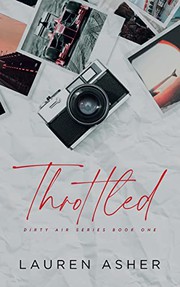
Formula 1 with feelings and banter that actually lands. Throttled by Lauren Asher was self published in 2020, with the special edition running 378 pages and ISBN 9781734258769. It is book one of Dirty Air, followed by Collided. Noah Slade hates Santiago Alatorre on track. Then Noah needs Maya, Santi sister, to fix his image after a crash and a tabloid mess. I read it in two days, mostly for pit banter, staying for the grief both leads hide well.
Noah Slade narrates much of it. Son of a team owner, talented and arrogant in the way winners get forgiven. He feuds with Santi, his teammate and rival, over wins and women and old crashes. After a public fight and a sponsor threat, the team orders image repair. Maya Alatorre, Santi sister, needs money after school and takes a job as Noah aide. She hates him on principle for how he treats her brother. He hires her because she is the only one who says no to him. Great start.
Maya is the better negotiator from page one. She sets terms. Work hours. No personal errands that cross lines. Respect for her brother even when she disagrees with him. Noah breaks each rule with charm that works on everyone except her, then respects her more for holding. Their hate banter in garages and hotels is full of nicknames and dares. Playboy. Princess. Neither lands as cruelty because both laugh. Underneath, both are tired of performing for families that need them useful.
Garage tension
The racing world building is fun without drowning in jargon, which suits romance first readers. Practices. Qualifying. Podiums with champagne that burns eyes. Team principals who care about points and photos in that order. Engineers who speak in deltas. Asher explains enough to follow stakes. Tires matter. Rain matters. Starting position matters. You do not need to love F1 to feel a last lap pass. The speed comes through in short sentences and pit radio snippets. Box now. Push. Hold.
Noah and Santi rivalry drives early plot with history that unfolds slowly. A junior crash that injured Santi confidence. A team order ignored that cost points. Family pressure from fathers who own and sponsor. They drive clean enough to avoid penalties and dirty enough to hate debriefs. Maya loves her brother and sees his faults. She tells Noah when Santi is wrong, which confuses Noah, who expects sibling loyalty to mean blindness. That honesty becomes the relationship model. Call out, then support.
Maya job starts as babysitting with spreadsheets. Manage Noah calendar. Keep him from tabloids. Draft apologies he will not mean. She does it with color coded ruthlessness that makes mechanics laugh. Noah tests her with late requests and flirting. She bills extra hours and flirts back just enough to keep power even. Their texts, quoted in full, are flirty and funny without cringe. Memes. Voice notes. Lists of rules broken with timestamps. Modern romance done right on page.
Sponsor image plot gives forced proximity a reason beyond lust. A charity gala. A joint interview. A road trip to a sponsor factory where they share a rental car that breaks down. Each event requires them to perform closeness they deny feeling. Performing teaches. How to stand near. How to laugh at jokes. How to touch for cameras without grabbing. By the third event, crew members ask if they are actually dating. Neither answers fast enough. Telling silence.
A fair note. Early Noah arrogance may grate. He orders people around, name drops wins, and treats Maya as staff first. Stick through. His crash and sponsor threat humble without humiliating. A scene where he apologizes to mechanics for blaming a pit stop shows growth that words alone would not. Actions in garages matter more than speeches in hotels. Maya notices and updates her spreadsheet of grievances with strikethroughs. Cute and telling. His father team ownership adds pressure worth naming. Every mistake risks not just points but inheritance talk at dinners. Driving for dad means losing is family disappointment, not just sport. That weight explains some swagger as armor. Maya sees it before Noah admits it, which is why her teasing lands as care rather than contempt.
Santi own arc gets room without hijacking, and his friendship with Maya anchors the sibling honesty the book does best. He wants wins to prove he belongs beyond his father name. He resents Noah talent and needs his respect. Their slow thaw, from sabotage to setup help in one qualifying where Noah tows Santi to a better time, shows teamwork as love language among rivals. No hug. Just data shared. In F1, sharing slipstream is trust. Maya mediates one call between them where both apologize badly and laugh. Brothers in sport, if not blood, learning to share road at speed. Maya father history adds another layer worth naming. A man who gambled on racing dreams and lost, leaving Maya to count costs carefully. She loves speed but fears its bills. Noah, raised with team money as safety net, spends confidence freely. Their money talks bridge that gap better than gifts. They split by percentages, unromantic and respectful. That honesty keeps power even when salaries are not. Santi defends Maya once more when tabloids pit sibling against lover. Photos captioned as gold digging. Asked to comment, he says she works harder than both drivers combined and walks off camera. Short. Loyal. Costly with sponsors who wanted drama. That clip earned him more fans than any podium. Maya hears it later and cries where neither man sees. Brothers and lovers can both show up. She does not have to choose who cares.
Grief, family, and slowing down
The middle deepens both leads past banter into loss that explains speed. Noah lost his mother young and drives to outrun quiet. His father loves him as asset first, son second, which Noah accepts with jokes that do not fool Maya. She lost time to school and caregiving, putting her own plans last for family. They recognize each other avoidance styles. He goes faster. She stays busier. Both fear stillness where grief waits.
Maya brother tie complicates everything in good ways. Santi warns her off Noah with legitimate reasons. Reputation. Power gap. Team politics. Maya hears love under control and pushes back without cutting him off. She sets a rule with Noah. No secrets from Santi that affect racing. Noah agrees and breaks it once under pressure, then confesses fast with consequences. That quick confession saves the relationship from the usual third act lie that drags. They fight about the break, not about months of deceit. Healthier and still dramatic.
Santi own arc gets room without hijacking. He wants wins to prove he belongs beyond his father name. He resents Noah talent and needs his respect. Their slow thaw, from sabotage to setup help in one qualifying where Noah tows Santi to a better time, shows teamwork as love language among rivals. No hug. Just data shared. In F1, sharing slipstream is trust. Readers who know sports will feel it. Others will get it through Maya explanation over tacos. Boys bond sideways, not face to face.
Crashes bring stakes back to bodies after banter highs. A practice shunt that totals a car. A race collision that puts Santi in the wall. Noah must decide whether to push past or to check. He checks, losing points and winning Maya. That choice reframes his season. Points matter. People matter more when you see them still in cockpits. The team fines him. Sponsors frown. Maya kisses him in the garage with grease on both faces. Worth it.
If there is a sag, it is the middle sponsor dinner circuit where toasts repeat. Necessary to show image work, but two galas blur. I skimmed one speech and missed nothing. The payoff, when Noah tells the truth at a presser instead of script, needs the boredom to land. Honesty after hours of spin feels like cold water. Good.
Finish line honesty
The last act avoids the usual breakup for a misunderstanding and instead tests whether honesty survives success. Noah wins a race and credits Maya data work publicly, which outs their closeness to tabloids. Maya gets hate online for gold digging. Santi gets asked if he pimps his sister for points. The team wants statements. They write their own, together, without PR polish. We work together. We care. Back off. That joint authorship matters more than any podium kiss. Shared voice, not just shared bed.
The finale race is well staged with clear stakes beyond trophy. Noah needs points for championship. Santi needs a win for contract. Maya needs to decide whether to stay in the garage world that eats women or to take a job elsewhere she earned. They do not solve it with a bet. They talk in a motorhome with maps and calendars. Who goes where. What costs. Love as logistics, unsexy and essential. They choose a season by season plan with opt outs. Adult and romantic at once.
The ending is not a wedding. It is a contract renewal with personal terms. Respect hours. No team orders between them. Public credit for private work. They sign with jokes and keep copies. Friends toast with cheap champagne that tastes better than podium stuff because it is theirs. Santi shakes Noah hand without forgiving fully. Progress, not perfection. That is the series promise. Each driver gets a book. Each learns to brake for people without losing speed.
What stays with me is Asher argument about image. Sponsors sell shine. Teams sell wins. People need pit crews who see them tired. Noah learns to let Maya see him without helmet. Maya learns to let Noah see her without spreadsheets. That mutual unmasking, in garages smelling of fuel and coffee, is more intimate than any love scene, though those are plentiful and consensual with clear talk. Helmets off. Visors up. That is the whole book. Slow enough to be seen at speed.
Read it if you like sports romance with banter and brakes. Start here for Dirty Air, no prior books needed. It pairs well with race highlights and snacks. Do not expect technical manual. Expect pit radio as foreplay and data as love language. By the last lap you will know downforce basics and care who gets pole. I did, and I came for kisses. Stay for Santi growth. His book is next and this one earns it. Santi deserves a final note as more than obstacle. He wants wins to prove he belongs beyond his father name, resents Noah talent while needing his respect, and loves Maya with a protectiveness that curdles into control. Their slow thaw, from sabotage to setup help in one qualifying where Noah tows Santi to a better time, shows teamwork as love language among rivals. No hug. Just data shared. In F1, sharing slipstream is trust. Maya mediates one call between them where both apologize badly and laugh. Brothers in sport, if not blood, learning to share road at speed. That learning will carry his book, and this one sets the table without stealing his hunger.
For new F1 romance readers, a note on why the sport fits the trope so well. Forced proximity in motorhomes. Shared data as intimacy. Danger that makes honesty urgent. Asher uses all three without drowning in jargon. Tires matter. Rain matters. Starting position matters. You learn enough to feel last lap passes in your chest. Short sentences and pit radio snippets do the work. Box now. Push. Hold. That rhythm carries love scenes too. Consent talked through like strategy. Check tires. Check hearts. Go when both ready.
FAQ
When was Throttled published?
Self published in 2020. The special edition runs 378 pages with ISBN 9781734258769.
Is it part of a series?
Yes. It is book one of Dirty Air, followed by Collided. Each follows a different driver.
Similar books
More from Dirty Air first, then related titles.

Collided
Sophie bets she can resist playboy Liam, then pit walls fall.
2,219-word summary · 10 min read

Wildfire
Hockey goalie Russ Callaghan and bold Aurora Roberts reunite as camp counselors after a one-night stand in this Maple Hills summer romance.
2,931-word summary · 13 min read

Icebreaker
Figure skater Anastasia Allen shares a rink with hockey captain Nate Hawkins and sparks fly at UC Maple Hills.
2,176-word summary · 10 min read

One to Watch
A plus-size fashion blogger takes the lead role on a reality dating show to prove she belongs on television, and finds she might want what the cameras offer.
2,478-word summary · 11 min read

To Love Jason Thorn
Childhood friends Olive and Jason reunite when the Hollywood star returns home, fake a romance for the cameras, and face old family wounds before trust turns…
2,506-word summary · 11 min read

This Man
Ava O Shea meets Jesse Ward while designing The Manor House, and their obsessive affair tests her work and limits.
2,209-word summary · 10 min read

The Coincidence of Callie & Kayden
Callie saved Kayden in an alley and meets him again in college, where both must face assault and abuse to learn trust.
2,578-word summary · 11 min read


Playing for Keeps
Childhood neighbors Haley and Jason turn a long prank war into a fake relationship that turns real.
2,571-word summary · 11 min read

Gabriel's Rapture
A professor faces a hearing while Julia fights for her own name in Florence, testing love through distance and work.
2,480-word summary · 11 min read

Effortless
Kiera and Kellan try to build trust after choosing each other, tested by tour life, jealous fans, and Denny's lingering presence.
2,568-word summary · 11 min read

The Takeover
An arrogant CEO and the sharp employee forced to staff his deal trade insults, trips and late nights across a long push-pull, until pride and jealousy force…
2,580-word summary · 11 min read

The Play
Briar U hockey star Hunter coaches quiet junior Demi in confidence and fake dating until real feelings break the plan.
3,080-word summary · 14 min read

The Heart Principle
Violinist Anna Sun plans one night with Quan Diep, then faces autistic burnout and family duty after her father's stroke in Hoang's 352-page 2021 Berkley…
2,793-word summary · 12 min read

Tangled
Told by a cocky businessman, a bet to win the new associate who rejects him turns into real pursuit, strict rules, a painful reveal and a wedding-level happy…
2,868-word summary · 13 min read
Pushing the Limits
Scarred Echo and foster kid Noah take on tutoring, family secrets, and a custody fight in this 2012 debut about trust after harm.
2,831-word summary · 13 min read

Never Too Far
Blaire flees Rosemary Beach after Rush's lies, then must decide if his pursuit and Nan's exposed schemes earn trust again.
2,626-word summary · 12 min read

Captivated by You
Eva and Gideon hide a secret Caribbean marriage while planning a Monterey wedding as Gideon arrest, press threats, and Corinne strain test them in Crossfire…
3,016-word summary · 13 min read

Before We Were Strangers
Matt waits fifteen years to ask Grace why she left after one college night that shaped them both.
2,386-word summary · 11 min read

Thoughtless
Kiera follows her boyfriend to Seattle and falls for her roommate, rock singer Kellan Kyle, in a messy love triangle about loyalty and desire.
2,997-word summary · 13 min read

The Legacy
Four Briar hockey couples face weddings, proposals, and parenthood three years after graduation.
2,172-word summary · 10 min read

Catch Her If You Can
Yankees catcher Madden proposes a secret marriage of convenience to burlesque club owner Eve when two kids land on her doorstep.
2,187-word summary · 10 min read

The Graham Effect
A hockey legacy and a sharp newcomer trade lessons, banter, and slow trust at Briar.
2,377-word summary · 11 min read

Keeping 13
Injured Johnny and hiding Shannon test first love against rehab pain and family secrets in Tommen.
2,052-word summary · 9 min read

Addicted to You
Lily hides sex addiction and Lo hides drinking while faking love to fool their rich families.
2,064-word summary · 9 min read

Wait for You
Avery flees Texas for college to bury her past, but patient Cam Hamilton refuses to stay a stranger.
2,866-word summary · 13 min read

The Risk
Brenna needs a fake boyfriend for an internship interview and picks rival star Jake, who wants real dates in return.
2,911-word summary · 13 min read
Say You Swear
Arianna Johnson heads to Avix University hung up on her brother's best friend, until steady quarterback Noah Riley forces her to rethink first love.
2,397-word summary · 11 min read

Magnolia Parks
London socialite Magnolia Parks and BJ Ballentine keep hurting each other while trying to move on.
2,459-word summary · 11 min read

On Dublin Street
A guarded young woman in Edinburgh agrees to a no-strings fling with her roommate's brother, and finds the past she fled catching up with her.
2,491-word summary · 11 min read