

The Takeover
2,580-word summary 11 min read
- First published
- 2020
- Publisher
- T. L. Swan
- Series
- Miles High Club (#2)
Reading options
What's inside (6 sections)
I picked up The Takeover because I had finished The Stopover on a flight and wanted to stay with the same loud family a little longer. You know that feeling when a series introduces brothers as jokes at the edge of a love story and you start ranking them in your head. I did that. Tristan Miles was the cold one in the background, the chief executive who talks like every minute costs him money. I was curious whether T.L. Swan could make him lovable without sanding off what makes him difficult. The Takeover is book two in the Miles High Club series, after The Stopover, published in 2020 as a self-published release by T. L. Swan. It follows Tristan Miles, arrogant CEO, and Claire Anderson, a sharp-tongued employee forced to work close with him, through office war into forced proximity and heat, with his brothers hovering and a happy ending that sets up more books. I read it fast, rolled my eyes a lot, and still turned pages past midnight.
Claire is the reason the book works at all. She is not new and naive. She has a job she is good at, a mouth that gets her in trouble, and a life outside work with friends who tell her the truth. When the story starts, she already knows the Miles name and wants no part of it. Tristan is her boss in the way that matters. He owns, he orders, he expects yes. He is tall, suited, used to private planes and assistants who appear on cue. He thinks directness is rudeness when it comes from anyone else. Claire thinks his directness is bullying with better tailoring. Their first scenes crackle because she refuses to shrink. He tells her to redo a file by morning. She tells him his instructions were vague and his tone was poor. He stares like no one has said that to him in years. She stares back. Around them, the office goes quiet in that pleased way offices do when someone finally answers back.
The setup keeps them tied. A merger, or a large project that needs both of them in the room, forces daily contact. I am keeping job titles and deal details general here on purpose, because the book cares less about what the company actually does and more about who controls the meeting. Think glass offices, late nights, urgent decks, a deal that requires travel. Tristan decides Claire will staff it. Claire tries to refuse without quitting. She needs the salary and the reference. She also knows that saying no to Tristan Miles in front of witnesses only makes him fixate. So she says yes with conditions. Professional hours. Professional language. No shouting. He agrees in the moment and breaks all three promises within days. That broken promise rhythm becomes the plot engine for a long stretch.
Office war from the first meeting
The early office war is the best part, and Swan writes it with energy. Tristan calls Claire into his office to assert rank. He stands while she sits. He talks fast. She takes notes and then corrects him. He hates being corrected and loves that she dares. Their emails are short and pointed. Their meetings run long because they argue about wording that no one else cares about. He criticizes her tone in front of others. She criticizes his planning to his face. Colleagues pick sides. Assistants carry gossip between floors. Someone leaves a rude mug on someone's desk. Someone changes a seating chart to keep them apart, which fails because Tristan simply moves his chair.
What I liked is that Claire stays competent through all of it. She is not clumsy for comedy. She does not spill coffee to get attention. She prepares, she spots risks, she tells clients the truth when Tristan oversells. That skill is why he cannot simply fire her, and he knows it. He needs her eye on the project even as he resents needing anyone. Swan gives Claire wins that feel earned. She saves a presentation with a clear summary. She calms an angry client with plain talk. She tells Tristan his timeline will burn out junior staff, and she is right. He listens, grudgingly, then takes credit in the meeting, then apologizes in private in his stiff way. That apology pattern, public take and private give back, repeats. It is frustrating and true to how powerful men often operate. Claire calls it out each time, which keeps her from reading as a pushover.
The problem, and it shows early, is that Tristan's behavior crosses from banter into mean more often than the book admits. He shouts. He blocks doorways. He threatens her job when she pushes back, then frames it as passion. He reads her messages over her shoulder. He makes jokes about her dating life in front of staff. Swan frames much of this as flirting with the safety off, and Claire's quick replies make it readable. She calls him a tyrant, a robot, a man raised by board minutes. He seems delighted. Still, friend to friend, if you have worked for a boss who used attraction as an excuse to control your day, some scenes will sting. I kept thinking that HR would have files on both of them by chapter ten. Within romance logic, his temper proves he feels. Outside that logic, it proves he needs training. The book lives inside romance logic and asks you to stay there.
Trips, hotels and no place to hide
Forced proximity arrives as travel. The project needs out of town meetings, site visits, dinners with partners who only trust faces. Tristan insists Claire fly with him. She argues. He overrules. They end up in airports, cars, hotel corridors, the sealed spaces romance loves because manners slip. Swan clearly enjoys this gear. Private plane seats close together. Rain on a rental windshield. One hotel with only one suite left that can work for late prep, so they work until midnight with room service trays between laptops. He sees her without office armor, hair up, glasses on, laughing at her own typo. She sees him without an audience, tired, polite to drivers, unsure how to order normal food without performing wealth.
A few of these scenes are genuinely sweet and do a lot to humanize Tristan. He remembers how she takes coffee after one mention. He carries her bag without comment when her shoulder aches. He listens when she talks about her family and her rent and why this job matters beyond title. He tells her, in short bursts, about growing up Miles, with money but with pressure to win at everything, with brothers who tease and compete and cover for each other. Claire listens without fawning. She does not coo over jets. She asks what it cost to always be on. That question lands harder than any seduction line. For chapters, their talk does more work than their fights. You can see the couple they could be if rank were removed. Competent woman, guarded man, both funny when tired, both kinder without witnesses.
Then the loop kicks in. Tenderness leads to heat, heat leads to a scare, scare leads to a fight. A phone lights up with a woman's name. A half heard call suggests he promised someone else the role. An ex appears at a dinner, beautiful and at ease in his world in a way Claire is not. Claire assumes the worst. Tristan refuses to explain because explaining feels like losing. They separate for days. He sends flowers and a terse apology. She returns his gifts and keeps working because rent is real. He shows up where she drinks with friends and causes a scene. Friends take her side loudly. His brothers take his side quietly and tell him he is being an idiot. The pattern repeats with different cities as wallpaper. After the second full cycle, I could feel the shape coming. I started skimming hotel hallways because I knew the argument waiting at the end of them.
The physical side is explicit and frequent, and I will keep this summary non graphic by choice. Expect consensual scenes with a lot of teasing talk, power play that stays verbal, and morning after softness where both admit more than they meant to at night. Swan writes heat in a blunt, playful style with jokes inside intimacy. Claire's pleasure and limits get page time, which matters in a boss story. He asks. She says yes or no and he hears it. That care keeps the story on the right side of fantasy for many readers. Still, quantity dulls impact. By the later third, the encounters pause the plot more than they advance it. Same rhythm. Same dirty jokes. Same tender stare after. I found myself wishing one long bedroom scene had been swapped for one long clothed talk about what they actually want from work and from each other.
Brothers, money and the soft middle
The Miles brothers are the scaffolding that holds the middle up when the central loop sags. Without naming every beat from other books, think of them as a tight, rich, teasing unit. They fly together, they sit on each other's boards, they show up uninvited with food and opinions. In this book they function as translators. They tell Claire, in their blunt fraternal way, that Tristan has never chased anyone, that his rudeness is fear in a suit. They tell Tristan, even more bluntly, that he will lose a good woman if he keeps treating her like staff. Their dinners add warmth the office lacks. Someone cooks badly. Someone brings cheap beer to a penthouse to make a point. Someone defends Claire when Tristan talks over her, and Tristan looks stung because correction rarely comes from inside his circle.
Through family scenes and late confessions, both leads get pasts that explain without excusing. Tristan grew up with wealth that solved problems and created new ones. He learned early that control keeps shame away and that winning covers doubt. Women have wanted him for money, for status, for fun, and he has sorted them into short stories to stay safe. Claire grew up with less cushion and clearer rules about respect. She has been talked over by teachers, boyfriends, interviewers who assumed she was decoration. She decided young she would not be kept or hidden or shouted into smallness. When she tells Tristan she will not be a secret, she means a history, not only a plot point. When he hears it, really hears it, he changes for whole chapters. He asks before deciding. He credits her in rooms that matter. He waits outside instead of barging in. Those changed chapters are the most romantic in the book, more than any suite scene, because behavior shifts cost him something.
Work detail stays broad on purpose. Expect rival firms circling, a leak that may or may not be sabotage, a board that wants results without drama, assistants who know everything and say little. The business stakes never quite cohere into something I could track. A merger matters because it forces travel, not because I understood its terms. A deadline matters because it forces all nighters, not because the product was clear. That vagueness is normal for this subgenre. Nobody picks up a book called The Takeover for deal mechanics. But because work stakes stay soft, the breakups have to carry all weight, and breakups over pride start to feel identical after the third round. I wanted one work crisis with sharp, specific consequences, a lost client by name, a missed filing with real cost, to anchor the romance fights to something outside ego.
The landing and who should board
The final act follows the familiar storm then calm. Without spoiling specifics, there is one last big misunderstanding, kept general to avoid ruining it, involving an appearance that looks damning and an absence of explanation that makes it worse. Claire walks. Tristan spirals in his clean, expensive way, drinking too much, snapping at brothers, missing meetings he never missed before. A brother or a friend finally says the true thing loudly enough to break through. Tristan does the grand gesture, but to Swan's credit it is not only flowers and a speech. He changes a work structure. He gives Claire public credit and private choice. He accepts no as an answer and keeps showing up respectfully until yes means something. Claire decides with eyes open, after counsel from friends, not in a rush of music. They end together in a committed happy ending that leaves the series door wide open for the next brother. If you came for a wedding level promise, you get the emotional version of it. If you came for clan setup, you leave with favorites picked.
Now the fair criticism, because length and temper matter here as they did in book one. First, bloat. This is a long contemporary romance that behaves like two books joined at the travel section. The same jealousy beat plays multiple times with different outfits. The same pride standoff, where he orders and she refuses, reheats until both look stubborn rather than principled. I skimmed around the two thirds mark, not from boredom with the couple but from familiarity. One fewer breakup cycle and tighter travel would have left a funnier, sexier novel. Readers who love long immersion will call this generosity. Readers who want tight plotting will check page numbers.
Second, bullying as flirting. Swan wants Tristan's meanness to read as desire he cannot manage, and Claire's retorts are meant to balance it. Often they do. But bulk matters. Shouting in offices, using job security to win arguments, showing up uninvited to her social spaces, reading jealousy as proof of love, all of it accumulates. His grovels are good, specific, with changed behavior for chapters, not only gifts. Still, if you have lived with a possessive partner or a controlling boss, some scenes may exhaust rather than thrill. Claire pushes back hard, which helps a lot. The book asks you to forgive faster than I sometimes could. Know your own line before boarding.
Third, thin plot under the banter. When the jokes land, and they often do, you forgive vague business and repeated fights. Swan has a gift for bickering that feels like foreplay with jokes intact. Claire's narration is funny about herself without self pity. Tristan is dry and startled into honesty in ways that charmed me. Their texts and travel arguments crackle. Minor characters get good lines. Drivers, assistants, brothers, friends all add lift. When the jokes pause, the thinness shows. Why this merger now. Why Claire must staff it alone. Why no HR ever intervenes. Accept the genre bargain, that the office exists to force proximity and prove competence, and you will enjoy the ride. Demand a workplace novel and you will be frustrated.
Who is this for. Readers who want a big, spicy workplace romance with an arrogant CEO who learns to apologize in actions, a heroine who keeps her skill and friendships, banter that turns to heat, brothers to meet for later books, and a solid happy ending. Readers who want short, restrained, or realistic HR politics should pass. I finished curious about the next brother, which tells me the series job worked even as the plotting sagged. Pack patience for airports. Enjoy Claire. She carries this takeover more than Tristan does, and she knows it.
FAQ
What is The Takeover about?
Tristan Miles, an arrogant CEO, is forced to work closely with sharp-tongued employee Claire Anderson on a large project. Office fights, business trips and family pressure turn banter into heat before a final break tests them.
Is The Takeover part of a series?
Yes, it is book two in the Miles High Club series after The Stopover. It follows Tristan while his brothers hover at the edges for later books.
When was The Takeover published?
T. L. Swan self-published it in 2020. No print ISBN is cited here, so the cover uses a verified same-work Open Library image.
Similar books
More from Miles High Club first, then related titles.

The Stopover
A one night stopover fling turns awkward when she learns the arrogant stranger is her new billionaire boss. Banter, trips, and jealous rows follow in this…
3,242-word summary · 14 min read
The Casanova
Kate Landon's boss is also the pen pal she falls for online, hiding behind fake names, until family secrets and a trip to Paris get in the way.
2,274-word summary · 10 min read
Beautiful Bastard
Chloe Mills battles her demanding boss Bennett Ryan in Chicago, until office rivalry turns into a secret relationship that tests both careers.
2,800-word summary · 12 min read

Twisted Hate
Jules Ambrose and Josh Chen turn years of hate into a risky arrangement that forces both to face old wounds.
2,557-word summary · 11 min read
The Hating Game
Two executive assistants share an office, a rivalry, and a promotion neither will concede without a fight.
1,945-word summary · 9 min read

Blood Bonds
Oleander is chained in a Resistance camp, and her five Bonds have to find her before Silas Davies finishes what he started in this third Bonds that Tie book.
2,018-word summary · 9 min read
The Ex Talk
Two rival public radio producers pretend to be exes for a dating show, then fall for each other while the lie grows.
2,389-word summary · 11 min read
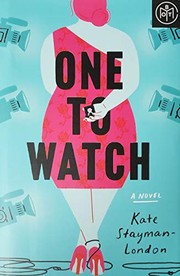
One to Watch
A plus-size fashion blogger takes the lead role on a reality dating show to prove she belongs on television, and finds she might want what the cameras offer.
2,478-word summary · 11 min read

Savage Bonds
Oli's deadly gift is out in the open, her Bond runs the show, and the Resistance is closer than ever in the second Bonds that Tie novel.
2,431-word summary · 11 min read

Collided
Sophie bets she can resist playboy Liam, then pit walls fall.
2,219-word summary · 10 min read

Broken Prince
Reed loses Ella and ruins his name while rivals circle him.
2,356-word summary · 10 min read
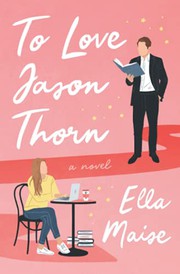
To Love Jason Thorn
Childhood friends Olive and Jason reunite when the Hollywood star returns home, fake a romance for the cameras, and face old family wounds before trust turns…
2,506-word summary · 11 min read

This Man
Ava O Shea meets Jesse Ward while designing The Manor House, and their obsessive affair tests her work and limits.
2,209-word summary · 10 min read

The Coincidence of Callie & Kayden
Callie saved Kayden in an alley and meets him again in college, where both must face assault and abuse to learn trust.
2,578-word summary · 11 min read

Playing for Keeps
Childhood neighbors Haley and Jason turn a long prank war into a fake relationship that turns real.
2,571-word summary · 11 min read

Gabriel's Rapture
A professor faces a hearing while Julia fights for her own name in Florence, testing love through distance and work.
2,480-word summary · 11 min read

Effortless
Kiera and Kellan try to build trust after choosing each other, tested by tour life, jealous fans, and Denny's lingering presence.
2,568-word summary · 11 min read
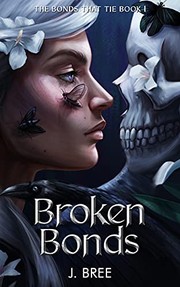
Broken Bonds
Oleander returns after five years on the run to face the five men she is bonded to, in J. Bree's 2021 opener of resentment, training, and slow trust.
2,582-word summary · 11 min read

You Deserve Each Other
Engaged and miserable, Naomi and Nicholas wage a prank war to force a breakup, then face money, mothers, and truth in Sarah Hogle's funny romance with a tender…
2,415-word summary · 11 min read
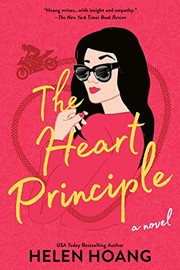
The Heart Principle
Violinist Anna Sun plans one night with Quan Diep, then faces autistic burnout and family duty after her father's stroke in Hoang's 352-page 2021 Berkley…
2,793-word summary · 12 min read

Tangled
Told by a cocky businessman, a bet to win the new associate who rejects him turns into real pursuit, strict rules, a painful reveal and a wedding-level happy…
2,868-word summary · 13 min read
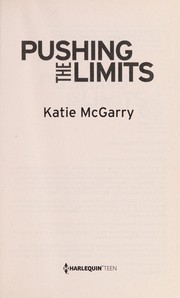
Pushing the Limits
Scarred Echo and foster kid Noah take on tutoring, family secrets, and a custody fight in this 2012 debut about trust after harm.
2,831-word summary · 13 min read

Never Too Far
Blaire flees Rosemary Beach after Rush's lies, then must decide if his pursuit and Nan's exposed schemes earn trust again.
2,626-word summary · 12 min read

Captivated by You
Eva and Gideon hide a secret Caribbean marriage while planning a Monterey wedding as Gideon arrest, press threats, and Corinne strain test them in Crossfire…
3,016-word summary · 13 min read
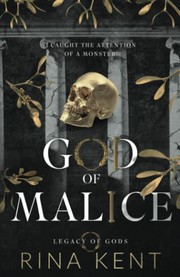
God of Malice
Rina Kent's God of Malice fully retold: Glyndon King, Killian Carson's fixation, secret societies, and the Devlin twist that resets everything.
2,849-word summary · 13 min read

Before We Were Strangers
Matt waits fifteen years to ask Grace why she left after one college night that shaped them both.
2,386-word summary · 11 min read

Thoughtless
Kiera follows her boyfriend to Seattle and falls for her roommate, rock singer Kellan Kyle, in a messy love triangle about loyalty and desire.
2,997-word summary · 13 min read
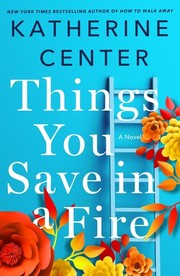
Things You Save in a Fire
A Texas firefighter takes a job at an old Boston-area firehouse and moves in with her estranged mother while facing hazing, old trauma, and love.
2,967-word summary · 13 min read
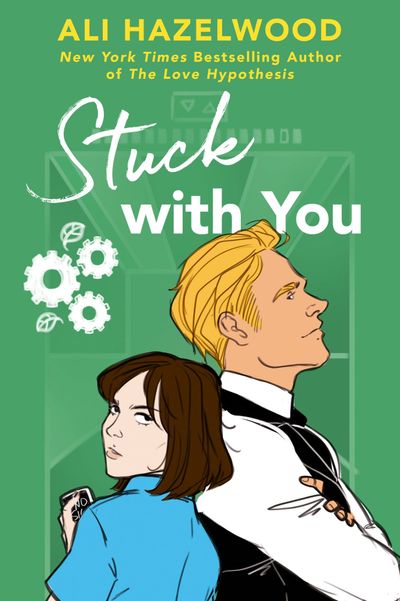
Stuck with You
Sadie gets stuck in a New York elevator with Erik, the rival she blames for a lost client. A short, spicy STEM novella about rivalry and repair.
3,378-word summary · 15 min read

Addicted to You
Lily hides sex addiction and Lo hides drinking while faking love to fool their rich families.
2,064-word summary · 9 min read