
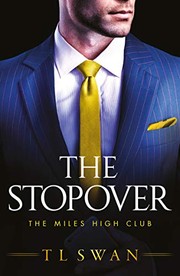
The Stopover
3,242-word summary 14 min read 523 pages in the book
- First published
- 2019
- Publisher
- Montlake Romance
- Pages
- 523
- ISBN
- 9781542015875
- Series
- Miles High Club (#1)
Reading options
What's inside (8 sections)
I came to The Stopover the way a lot of romance readers did, because someone in a group chat said it was long, spicy, and funny, and then three other people replied within a minute to agree. I was in the mood for something big and unapologetic after a string of quiet literary novels where nobody says what they mean. I wanted banter. I wanted a heroine with a backbone. I wanted a book I could fall into on a flight and finish with that pleasant daze you get from too much recycled air and too much plot. The Stopover, the first book in the Miles High Club series, promised exactly that kind of trip.
The setup is classic and I mean that as praise. A woman takes a job, or chases a job, and has a brief encounter during a stopover that she assumes will stay anonymous and uncomplicated. Then she walks into her new office and discovers the man from that night is her boss, a billionaire with an ego the size of the building and a habit of getting his way. What follows is hundreds of pages of workplace friction, hotel rooms, misunderstandings, jealousy, and slow trust. The edition most readers cite now is the 2019 Montlake Romance edition at 523 pages, though the story has indie roots going back to 2018, which explains both its loose energy and its length. This is a big romance that behaves like three romances stitched together.
I am going to keep names and job titles fairly general here, because different editions and reader summaries remember small details a little differently and I do not want to lock in a wrong surname or a wrong company name. Think of our leads as the heroine, sharp and principled and new to the company, and the hero, rich, rude, magnetic, and used to winning every argument by talking louder or paying more. Around them orbits his family, especially his brothers, who will matter more as the series goes on, plus a cast of assistants, friends, and exes who exist mainly to cause trouble. If you have read billionaire romance before, you know the furniture. What makes this one stand out is stamina. It just keeps going, scene after scene, flight after flight.
The night that was supposed to mean nothing
The book opens with travel, which is always a good way to lower everyone's inhibitions. Our heroine is on her way to interview for a job she really wants, or to start a job she has just landed, the kind of office role that could change her life if she can hold onto it. She is nervous, broke in the graduate way, rehearsing answers in her head. A delay or a layover strands her. Enter the hero: tall, suited, rude in the specific way of men who fly often and expect the world to make room. They clash in line, or at the bar, or over a seat, and the clash has heat in it from the start.
What I liked about this opening is that the heroine gives as good as she gets. She is not shy. She tells him he is arrogant, which he is, and he seems delighted rather than offended, which tells you everything about him. One drink becomes several. Jokes get personal. The attraction is obvious to everyone except the two people pretending it is just boredom and bad airport lighting. They spend the night together. In the morning there is awkwardness, tenderness, and a firm mutual agreement that this was a one time thing between adults who will never meet again. She flies to her interview. He flies back to his empire. Everyone is mature about it. For about forty pages.
Swan writes this kind of scene with confidence. The dialogue is fast and a little filthy in a flirty way, not scary, more like two people trying to make each other laugh while falling into bed. The heroine's inner voice is funny about her own nerves. She notices his watch, his manners with staff, the way he takes up space, and she files all of it under reasons not to get attached. The hero notices her lack of awe. Women usually melt or scheme around him. She argues. He cannot stop thinking about the arguing. It is not original, but it works because both of them seem to be having fun. For a brief stretch, before the office politics start, this feels like a genuinely adult fling between equals.
Then comes the turn the cover promises. She walks into the office for her first day or her final interview, and there he is behind the desk or in the boardroom, the same man with the same mouth and the same smirk, now wearing authority like a better suit. Her stomach drops. His eyebrows go up. Around them, colleagues see nothing. Inside, the air changes completely. She realizes the anonymous stranger now controls her paycheck, her references, and her future. He realizes the woman he cannot stop thinking about is suddenly off limits in every way that matters to human resources.
Sorry, he is your boss now
The early office chapters are the strongest part of the book for me, because the power problem is real and the book almost takes it seriously. The heroine needs this job. She has rent, pride, plans. Quitting over a one night stand feels absurd, and staying feels dangerous. She tries to be professional, which for her means cold, crisp, and armed with paperwork. He tries to be professional, which for him means staring at her in meetings and calling her into his office for reasons that would not fool a child. Their private agreement to forget what happened collapses within days.
The workplace detail is broad rather than precise. Expect glass offices, late nights, business trips, urgent deals, assistants who appear with coffee and gossip in equal measure. The heroine is good at her job in the way romance heroines often are: organized, plainspoken, brave enough to tell the boss when an idea is bad. That last quality is both her value and her risk. The hero surrounds himself with people who say yes. She says no, or not yet, or have you thought about the staff this will crush, and he finds it infuriating and irresistible. Their fights about work keep turning into fights about the night they shared, and then into excuses to be alone together.
This is also where the hero's worst traits show up early. He is possessive. He pulls rank. He makes decisions about her career without asking her, then frames it as protection. He flirts in front of people and then scolds her for blushing. If you have a low tolerance for alpha boss behavior, these chapters will test you. I kept thinking, friend to friend, that a real HR department would have escorted them both out by page one hundred. Within romance logic, though, the behavior is legible: he wants her, he cannot have her cleanly, so he moves the walls until the room suits him. The heroine sees it. She calls him on it, loudly, more than once, which is why the book stays readable even when he is being awful. She never quite becomes a prop.
A fair amount of comedy keeps the stretch afloat. Drunken phone calls. Awkward elevator rides. A work dinner where they try to ignore each other and fail. Friends who guess exactly what happened and demand details. His family starts to hover at the edges, brothers who tease him about being lovesick and who can read him far better than his board can. The banter is the engine. When Swan lets them talk, really talk, about food, travel, siblings, bad bosses, you can see the couple they could be if money and pride were not in the way. When she leans on jealousy and misheard conversations instead, the engine sputters.
Pride, jealousy, and too many business trips
The middle of the book is long. I want to be honest about that because at 523 pages in the Montlake edition, length is not a footnote, it is the experience. After the boss reveal, the plot settles into a loop: forced proximity, usually a trip, leads to a hot and funny interlude, which leads to tenderness, which leads to a misunderstanding or a jealous flare, which leads to a fight and a cold stretch, which leads to another trip. Rinse, repeat, change cities. If you love spending time with a couple and do not mind circling the same fight, this will feel generous. If you want tight plotting, you will start checking how many pages are left.
The jealousy plots follow familiar lines. An ex appears, beautiful and confident and perfectly willing to remind the heroine that she is temporary. A colleague flirts with the heroine, and the hero reacts as if someone touched his car. A phone is left unlocked, or a conversation is half heard through a door, and instead of asking a direct question, someone storms off. The heroine is guilty of this too. She assumes the worst about his past and his intentions, sometimes fairly, sometimes because the plot needs a breakup before the next flight. I lost count of the scenes where a two minute honest talk would have saved sixty pages. That is genre convention, I know, but here the convention gets a real workout.
The business trips deserve their own paragraph because there are so many of them. Private planes, hotel suites, room service, rain on windows, suits coming off after long days. Swan clearly enjoys writing travel as foreplay: the sealed cabin, the shared car, the only restaurant open late in a strange city. Some of these scenes are genuinely sexy and sweet. He orders for her and gets it right. She falls asleep on his shoulder and he does not move. He meets her friends and tries, in his clumsy rich man way, to impress them by being normal. She meets his world and refuses to be impressed by money, which impresses him more than anything money could buy. When the book slows down enough to let these small moments land, the central romance feels real.
When it speeds up into boardroom crises, it feels thinner. A deal goes wrong. A rival circles. Someone leaks something. The details of the business never quite cohere into stakes I could follow, and I stopped trying. The company exists to give the hero power, to force travel, and to supply reasons they must pretend to be just colleagues while everyone gossips. That is fine. Nobody picks up a book called The Stopover for merger mechanics. But because the business stakes stay vague, the repeated breakups have to carry all the weight, and breakups over pride start to feel the same after the third or fourth round. By the midpoint I could predict the rhythm: happiness, interruption, silence, grand gesture, forgiveness, next city.
Meeting the family and meeting the past
One thing that lifts the second half is the arrival of family, especially the hero's brothers. The Miles High Club, as a series title, refers to this tight group of wealthy brothers who fly, fight, tease, and protect each other in roughly equal measure. In this first book they function as a Greek chorus and a warning system. They tell the heroine, in their own blunt way, that their brother has never acted like this. They tell the hero, even more bluntly, that he is going to lose her if he keeps treating her like an acquisition. Their scenes add warmth and humor that the central loop sometimes lacks.
Through family talk and late night confessions, we get the pasts that explain, without excusing, the present. The hero grew up with money but not with softness. He learned early that control keeps you safe and that charm opens doors faster than kindness. Women have thrown themselves at him for years, some for love, some for status, and he has sorted them all into short stories. The idea that a smart woman might want him but not need him scrambles his system. The heroine grew up with less money but with clearer rules about respect. She has been underestimated before, by teachers, by boyfriends, by interviewers who see a pretty face and assume an empty file. She will not be kept. She will not be hidden. She says this plainly, several times, and the book is better whenever it listens to her.
There are good scenes built from this clash of histories. A family dinner where she holds her own and he watches her with something like awe. A visit to her world, small flat, loyal friends, cheap wine, where he has to earn his place without a credit card. A health scare or a work crisis, kept general enough not to spoil, where each of them shows who they are when no one is performing. I liked these chapters best because the power gap narrows. He cannot buy his way through her friend's kitchen table. She cannot argue her way through his board's suspicion. They have to vouch for each other in languages the other barely speaks.
The bedroom side of the story stays explicit through this whole stretch, but I will keep this summary non graphic by choice. Expect frequent consensual scenes with a lot of talk about wanting and teasing, written in the blunt, playful style that defines much of modern spicy romance. If you like long books because you like a lot of heat with your banter, you will feel well served. If you prefer closed doors, this is not your book. The scenes are not cruel, and the heroine's pleasure and limits get real page time, which matters. But there are many of them, and after a while they serve the same dramatic function: proof that the pull is still there even when trust wobbles. Readers vary on whether that feels romantic or repetitive. I landed somewhere in the middle, charmed at first, skimmy later.
Why it works when it works
When The Stopover works, it works because of voice. Swan has a gift for the kind of bickering that feels like flirting with the safety off. The heroine is funny in narration, quick to puncture pomposity, quick to admit when she is out of her depth. The hero is funny in a different way, dry and arrogant and occasionally surprised into honesty. Their text exchanges and travel arguments crackle. I laughed out loud more than once, on a plane, which felt appropriate. There is a generosity to the humor. Even minor characters get a good line. Assistants, drivers, brothers, friends, all get moments that remind you this world, for all its wealth porn, runs on people who like each other.
The fantasy underneath is also doing a lot of work, and I say that without scorn. Who has not imagined meeting someone exciting on a trip, free of context, and then discovering the story does not have to end at baggage claim. Who has not imagined telling off an impossible boss and having him listen. Who has not imagined being wanted so much that a powerful man rewrites his rules. The book feeds all three fantasies at once while letting the heroine keep her job skills and her friendships. She is desired, but she is also competent. She wins arguments on merit, not only in bed. For many readers that combination is exactly the point, and the length becomes a feature: more time inside the wish.
I should also credit the series setup. By the end, you will know the brothers well enough to have favorites, and you will have a sense of whose book comes next. The family business, the shared planes, the rivalries and loyalties, all get established without a heavy info dump. If you came for one couple and stayed for the clan, the book has done its job. I finished curious about the next brother's story, which is the clearest sign that the worldbuilding succeeded even when the plotting sagged.
A note on workplace romance as a tag: this book uses the boss employee dynamic as fuel, not as a case study. It gestures at consent and professionalism, mostly through the heroine insisting on boundaries, but it does not dwell on the real risks of dating a direct superior. Readers who want that examined should look to other novels. Readers who accept the genre bargain, that the power gap is part of the thrill and will be softened by love and groveling, will know how to read these scenes. Go in with that bargain in mind and you will enjoy the ride more.
The honest complaints: length, temper, and loops
Now the complaints, because this is a long book and honesty matters more with books we partly loved. First, length. At more than five hundred pages, The Stopover repeats itself. The same jealousy beat plays three or four times with different costumes. The same pride standoff, where he orders and she refuses, gets reheated until both characters look stubborn rather than principled. I started skimming hotel scenes around the two thirds mark, not because they were bad but because I had read their shape before. A tighter edit that cut one full breakup cycle and twenty percent of the travel would have left a stronger, funnier novel.
Second, temper. The hero is often a jerk in ways the book frames as sexy but that read as exhausting in bulk. He shouts. He sulks. He uses money and access to corner the heroine, then acts hurt when she calls it control. He is jealous to a degree that would be a red flag in real life and is meant to be proof of love here. Swan does make him grovel, and his grovels are good, specific, sustained, with flowers plus changed behavior for whole chapters. Still, if you have lived with a possessive partner, some scenes may sting rather than thrill. The heroine pushes back hard, which helps, but the book asks you to forgive him faster than I sometimes could.
Third, sameness in the bedroom. I am pro heat, and I liked the early scenes, but by the later third the encounters blur. Same rhythms, same dirty talk, same morning after tenderness followed by same workday clash. Because the book is so long, the heat stops advancing the story and starts pausing it. Readers who skim spicy scenes will skim a lot here. Readers who never skim may still feel the law of diminishing returns. A few scenes could have been replaced with conversations, the kind where clothes stay on and truths come off, and the romance would have deepened.
None of this stopped me from finishing, and finishing fast by my standards. The pages turn. The jokes land. The heroine's backbone holds. The brothers charm. The ending, without spoiling specifics, gives the couple a solid landing after one last storm, and sets up the series cleanly. If you want a short, restrained love story, look elsewhere. If you want a big, loud, enemies to lovers workplace story with a billionaire who learns to say sorry and a heroine who makes him earn it, and you do not mind reading the same fight in three airports, The Stopover delivers exactly what it promises. Pack snacks. You will be traveling a while.
FAQ
What is The Stopover about?
A woman has a brief fling during travel, then finds the man is her new billionaire boss. Their workplace clash grows into a long, spicy romance across many business trips.
Is The Stopover part of a series?
It is the first book in the Miles High Club series, which follows a family of wealthy brothers. Later books focus on the other brothers introduced here.
When was The Stopover published?
The Montlake Romance edition cited here appeared in 2019 with 523 pages and ISBN 9781542015875. The story began in indie form in 2018 before that reissue.
Similar books
More from Miles High Club first, then related titles.
The Takeover
An arrogant CEO and the sharp employee forced to staff his deal trade insults, trips and late nights across a long push-pull, until pride and jealousy force…
2,580-word summary · 11 min read
The Casanova
Kate Landon's boss is also the pen pal she falls for online, hiding behind fake names, until family secrets and a trip to Paris get in the way.
2,274-word summary · 10 min read
My Dark Romeo
A debutante ball kiss traps Dallas Townsend in a marriage to Romeo Costa, a man who wants her as leverage in a war against his father and her fiance.
2,530-word summary · 11 min read
The Ex Talk
Two rival public radio producers pretend to be exes for a dating show, then fall for each other while the lie grows.
2,389-word summary · 11 min read
Stuck with You
Sadie gets stuck in a New York elevator with Erik, the rival she blames for a lost client. A short, spicy STEM novella about rivalry and repair.
3,378-word summary · 15 min read
Beautiful Bastard
Chloe Mills battles her demanding boss Bennett Ryan in Chicago, until office rivalry turns into a secret relationship that tests both careers.
2,800-word summary · 12 min read
Terms and Conditions
Declan must marry to inherit, so he offers his assistant a deal with rules.
2,695-word summary · 12 min read
King of Wrath
Billionaire Dante Russo enters an arranged engagement with Vivian Lau and control slips into feeling.
2,975-word summary · 13 min read
The Hating Game
Two executive assistants share an office, a rivalry, and a promotion neither will concede without a fight.
1,945-word summary · 9 min read

Blood Bonds
Oleander is chained in a Resistance camp, and her five Bonds have to find her before Silas Davies finishes what he started in this third Bonds that Tie book.
2,018-word summary · 9 min read

Beneath This Man
Ava returns to Jesse after five days apart and finds his drinking, jealousy, and a hidden deception that changes what she can forgive.
2,341-word summary · 10 min read

There Are No Saints
Two rival artists circle a struggling San Francisco painter. Cole Blackwell wants her, Alastor Shaw wants her dead. Book one of the Sinners duet.
2,190-word summary · 10 min read

The Predator
Coder Morana Vitalio and mob enforcer Tristan Caine chase stolen software while a case of missing girls from twenty years back catches up with them both.
2,296-word summary · 10 min read

Indigo Ridge
A new police chief in a Montana town meets the founding family's eldest son in a bar, and one night later a body turns up under their cliff.
2,763-word summary · 12 min read
Beautiful Stranger
After a betrayal, Sara Dillon moves to New York and starts a no-strings affair with a British stranger, only to find that control and intimacy are harder to…
2,015-word summary · 9 min read
Savage Bonds
Oli's deadly gift is out in the open, her Bond runs the show, and the Resistance is closer than ever in the second Bonds that Tie novel.
2,431-word summary · 11 min read
Wretched
The Wicked Witch of the West becomes a heroin chemist, and the DEA agent sent to destroy her family falls for the very woman he was assigned to ruin.
2,117-word summary · 9 min read
The Brothers Hawthorne
Jameson infiltrates an underground London gambling club for the father he never knew while Grayson protects his half-sisters in Phoenix from a dead man's…
2,019-word summary · 9 min read
Pestilence
Firefighter Sara Burns shoots the Horseman Pestilence and discovers he cannot die. Taken captive, she rides with him as his plague sweeps the world.
2,508-word summary · 11 min read
These Hollow Vows
Brie trades with the Unseelie to save her sister and steals for a prince.
2,384-word summary · 11 min read

The Winner's Curse
An aristocratic girl buys a slave who is secretly a prince plotting rebellion.
2,124-word summary · 9 min read
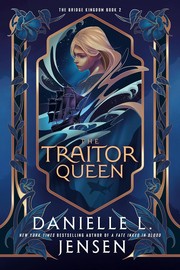
The Traitor Queen
Exiled Lara returns to free Aren and break her father hold.
2,328-word summary · 10 min read
The Marriage Bargain
A bookstore owner marries a billionaire friend's brother for a year to save home and company.
2,092-word summary · 9 min read
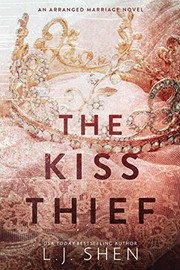
The Kiss Thief
Promised to one man, taken by another, Francesca must choose in Chicago.
2,545-word summary · 11 min read

Broken Prince
Reed loses Ella and ruins his name while rivals circle him.
2,356-word summary · 10 min read
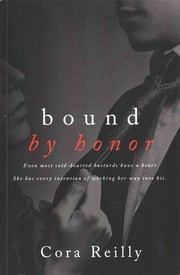
Bound by Honor
An arranged mafia marriage between a Chicago girl and a New York heir turns to love.
2,586-word summary · 11 min read
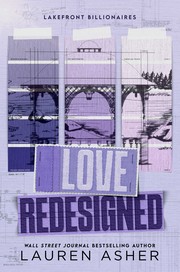
Love Redesigned
Rival designers Dahlia and Julian restore a Lake Wisteria Victorian while facing grief, family pressure, and old sparks.
2,248-word summary · 10 min read
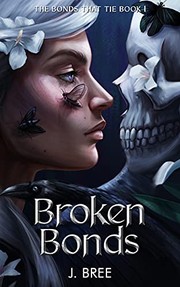
Broken Bonds
Oleander returns after five years on the run to face the five men she is bonded to, in J. Bree's 2021 opener of resentment, training, and slow trust.
2,582-word summary · 11 min read
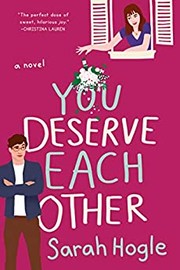
You Deserve Each Other
Engaged and miserable, Naomi and Nicholas wage a prank war to force a breakup, then face money, mothers, and truth in Sarah Hogle's funny romance with a tender…
2,415-word summary · 11 min read
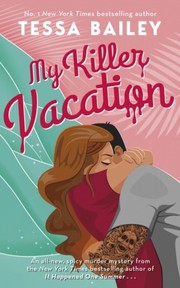
My Killer Vacation
A teacher and a bounty hunter share a Cape Cod rental with a corpse and a growing attraction.
2,625-word summary · 12 min read