
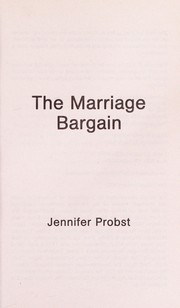
The Marriage Bargain
2,092-word summary 9 min read 336 pages in the book
- First published
- 2012
- Publisher
- Gallery Books
- Pages
- 336
- ISBN
- 9781622669035
- Series
- Marriage to a Billionaire (#1)
Reading options
What's inside (5 sections)
I read The Marriage Bargain on a beach weekend when I wanted funny, sexy, low angst with heart. First published in 2012 by Gallery Books at 336 pages in paperback, it is book one in the Marriage to a Billionaire series. Alexa Maria McKenzie, impulsive bookstore owner who dabbles in love spells, needs money to save family home. Nicholas Ryan, billionaire who needs a wife to inherit father's corporation, needs convenience. Best friends' siblings with history, they marry in name only for a year with rules. Do not fall in love. They do. I smiled through, with enough depth about family to keep it from fluff alone.
Alexa starts broke and brave. Owns a small bookstore in New York? Actually in verge of losing family home? She casts a love spell half joking with friend, conjuring? She never planned on Nick, her best friend's older brother who once shattered her heart as a teen. He is powerful, controlled, gorgeous in suits, disbelieving in marriage after parents' mess. To inherit, he must marry. When he learns Alexa needs cash, he proposes bargain. A year, all business, separate rooms after show, no entanglement. She accepts to save home, telling herself she can handle living with a crush. She cannot, which is fun. Rules from page one beg to break. Avoid entanglement. Keep things all business. Do not fall in love. Each rule falls in order, which structures book satisfyingly. You know they will break. Enjoy watching how.
Nick is classic billionaire with wound. Father demanding, mother absent, sister Maggie is Alexa's best friend. He built company with ruthless focus, trusts numbers over people. Marriage as contract suits him. Feelings do not. Living with Alexa disrupts. She leaves books everywhere, cooks loudly, talks to dog? Actually she charms his staff, redecorates cold penthouse with warmth, asks about his day and listens. He finds himself coming home early, defending her to mother, jealous of male customers at her store. Control slips. He hates slipping and loves it. That push pull drives. He sets rules to stay safe, breaks them to feel alive. When he gets jealous, he acts possessive then apologizes. Growth is learning to ask rather than assume. By end he asks for love plainly, not as deal. That asking, after chapters of contracts, lands. Vulnerable billionaire done right is still fantasy, but enjoyable when he earns.
Bookstore and boardroom
Bookstore versus boardroom contrasts anchor. Alexa's shop smells of paper and coffee, hosts kids' readings, barely pays rent. She knows customers by name, recommends with care, believes stories save. Nick's office smells of leather and money, deals in millions, rewards ruthlessness. Marrying merges worlds awkwardly. She visits board meetings and blurts human truths that help. He visits store and fixes shelves, learning to hammer. Those crossovers charm without preaching that love conquers class. Money differences persist. She worries she is gold digger despite need being real. He worries she wants lifestyle not him. They talk through, imperfectly, with friends mediating. Maggie, Nick's sister and Alexa's best friend, knows both and calls out nonsense. Did you tell him about spell. Did you tell her about clause. Friends as conscience keep leads honest. That friend role matters. Without Maggie, they would misunderstand longer. With her, growth speeds. Good use of secondary.
Family pressures add weight beyond romance. Alexa's family home holds memories of parents, now at risk. Losing it means losing last link. She will marry a man she half fears to save walls that held childhood. That sacrifice will resonate with readers who helped family financially. Love as duty and desire mixed. Nick's family corporation holds father's ghost. Marry to inherit or lose empire built with pain. He resents father even dead. Marrying to satisfy dead man's clause feels like losing. Alexa understands because she also honors dead parents by saving home. Shared grief bonds more than attraction. They both live with houses haunted by parents. That shared haunting makes bargain feel less transactional. Two orphans of expectation building shelter together. Sweet underneath sexy.
Magic realism lightens. Alexa casts love spell with candles and rhymes, half joking. Did it work to conjure Nick. She wonders, he scoffs, readers smile. The book does not decide. Coincidence or magic, love grows through actions not spells. That ambiguity respects skeptics and romantics both. Witches, bookstore cats, best friend rituals add cozy without derailing contemporary setting. It is contemporary romance with a wink, not paranormal. Expect banter about spells, not systems. Good.
What shines is banter and heat with heart. Dialogue crackles. Alexa teases Nick's control. Nick teases her clutter. Sex scenes are explicit and consensual, with talk about wants. They negotiate rules in and out of bedroom, which mirrors marriage bargain theme. Consent sexy here. Talk, try, adjust. That modeling inside billionaire fantasy is welcome. Heat level high but not endless. Plot keeps moving between. Family dinners, exes appearing, business rivals threatening. Pacing at 336 pages flies. Short chapters ending on quips or kisses. You will finish in sittings. Perfect beach length.
What strains is formula. You know rules will break in order. Ex will appear to cause jealousy. Family emergency will force honesty. Misunderstanding at 75 percent will separate briefly before grand gesture. All happen. If you need surprises, you will predict. Enjoy execution over shock. Execution charms through voice. Alexa's impulsivity never feels stupid, just brave. Nick's control never feels cruel, just scared. That balance keeps formula fresh. Still, billionaire savior dynamics trouble. Rich man saves poor woman's home. Power gap huge. Book addresses by giving Alexa backbone. She works, refuses gifts beyond bargain, insists on paying, sets sexual boundaries. She is not bought. She trades. That distinction helps but does not erase. If power gaps bother even negotiated, skip. There are romances with equal footing that may suit better. Honor preference.
Content is adult romance. Explicit consensual sex, language moderate, no violence beyond threats from business rivals. Good for contemporary romance readers who like Marriage for One or Wall Streeters with heart. Not for those needing chaste. Heat is central. For fans of Entangled early indie romance turned Gallery mainstream, this is origin. It shows indie warmth polished. Enjoy.
Who should sign
Read it if you like marriage of convenience with humor, like The Unhoneymooners but spicier, or billionaire with heart. Read it for Alexa's bookstore and spell, for Nick learning to ask. At 336 pages it delights.
Skip it if marriage for money troubles even fictional, if billionaire power gaps offend, if you need novelty. This follows beats lovingly. Skip if spells annoy in contemporary. They are light but present. Choose cozy without magic instead.
For me, the image that stays is Alexa shelving books while Nick tries to help and knocks a stack, both laughing on floor among pages, contract forgotten for a moment. Business and pleasure mixing despite rules. At 336 pages, The Marriage Bargain argues bargains work when both bargain honestly about needs. Home for company. Company for home. Then hearts add terms no lawyer wrote. Honor new terms. Renegotiate with love. I closed it smiling, wanting Maggie's story next, trusting Alexa and Nick to keep arguing about books and boardrooms with affection. That affectionate argument, ongoing not ended, is why series continues. Sign carefully. Love recklessly within safety. Keep rules till you outgrow. Then write new ones together.
Friends, family, and exes
I want to say more about Maggie, because best friend as sister to both gives conscience. Maggie is Nick's sister, Alexa's best friend since childhood. She knows Nick's control and Alexa's impulsivity. She arranges meetings, calls out lies, hosts dinners where truths slip. When Alexa doubts Nick's motives, Maggie says he is trying in his rigid way. When Nick doubts Alexa's spending, Maggie says she works hard for home. That translating helps both hear. Friends who know both sides can bridge if honest, not taking sides blindly. Maggie does, loving both enough to scold both. Her own story waits next, but here she shines as glue. Without her, bargain would break early from misunderstanding. With her, pauses for talk happen. Value such friends in life. Keep one who tells you when you are wrong about partner. Listen, even when stings. That listening saves more marriages than romance. The book models through Maggie. Use her lines as scripts. Did you ask what he meant. Did you tell her why. Simple questions prevent big fights. Ask them.
Family homes haunt both leads and deserve attention. Alexa's family home, with bookstore below? Actually family home at risk holds childhood memories of parents now gone? She will lose last link if bank takes. Saving it motivates bargain more than greed. Nick's corporate inheritance holds father's ghost who demanded marriage as proof of stability. Both obey dead parents through houses and companies. That obedience binds even as they claim independence. Recognize that in yourself while reading. What parental clauses run your choices. Marry by age, earn certain amount, keep home. Some clauses help. Some cage. Alexa and Nick learn to distinguish by talking about parents openly. She tells how mother shelved books. He tells how father counted. Sharing grief loosens grip. They choose to honor parents by living well, not by obeying literally. Keep home because love, not guilt. Marry because love, not clause. That shift from obedience to choice defines growth. Paper bargain becomes real marriage when motives change from satisfying dead to satisfying each other alive. Watch for that turn. It happens quietly over breakfast, not vows. He asks how she slept. She asks about meeting. Care in small. That care rewrites contract more than lawyers. Pay attention to mornings. They tell truth nights hide.
Exes appear to test, as genre requires. Alexa's old boyfriend who broke heart returns, charming and available, offering no-strings fun without billionaire complications. Nick's ex, polished and suitable, offers no-drama partnership. Both tempt briefly. Neither convinces because history with each other, though short, runs deeper through shared childhood and recent cohabitation. Exes serve as mirrors. What you left and why. Alexa left ex because he did not show up. Nick shows up, albeit controlling. She chooses showing up. Nick left ex because she wanted image not man. Alexa wants man despite image. He chooses being seen. Those choices clarify. Do not judge exes as villains. They are alternatives that help leads articulate wants. Thank them and send away. That gracious dismissal, without cruelty, keeps tone light. No one humiliated for plot. Kindness even to rivals suits book's warmth. Enjoy without guilt. Everyone lands okay, just not together. That generosity is romance at its best. Love abundance, not scarcity. There is enough.
Business rivals threaten to add external pressure beyond feelings. Someone wants Nick's company to fail if marriage seen as sham. Tabloids sniff. Board questions. Alexa must perform wife at events, smiling while fearing exposure. Those performances stress bargain. Are we acting or being. The line blurs helpfully. Acting as if in love teaches how to love through habits. Hold hands at gala and feel warmth. Defend spouse to critic and feel pride. Fake it till you make it works when both willing to learn. That idea will comfort fake-it readers. Pretend confidence, competence, love till real grows. Just ensure both consent to pretense and debrief. Alexa and Nick debrief after events, laughing about who believed. Those debriefs build intimacy more than events. Talk after performing. Share notes. That sharing turns act to real. Use in life for job interviews, dates. Perform, then reflect together. Growth follows.
If you reread, watch for rules breaking in order. No entanglement first goes when they share bed for warmth during storm? Actually when they comfort after family news. All business second goes when Nick fixes bookstore shelves unpaid, Alexa advises board meeting unpaid. Do not fall in love last goes unspoken till both know. That ordered collapse satisfies because foreshadowed in contract list early. Chekhov's rules must break. Enjoy predicting which breaks when. That predictability comforts rather than bores when voice charms. Alexa's narration, first person funny and frank about desire, carries. She wants Nick and admits while fearing. That admission normalizes female desire without shame. Wanting husband you married for money is okay. Wanting while unsure is okay. Ask for what you want in bed as well as bank. They do, explicitly negotiating touch. That negotiation, sexy and respectful, models healthy heat inside fantasy power gap. Take notes if useful. Ask, listen, adjust. Good sex and good marriage both need talk. The book knows. Talk more. Bargain better. Love follows.
FAQ
When was The Marriage Bargain published?
It was first published in 2012 by Gallery Books at 336 pages. It is book one in the Marriage to a Billionaire series.
What is the bargain?
Alexa McKenzie needs money for family home. Nicholas Ryan needs a wife to inherit. They marry with rules.
Similar books
More from Marriage to a Billionaire first, then related titles.

2 States: The Story of My Marriage
A Punjabi boy from Delhi and a Tamil Brahmin girl from Chennai meet at IIM Ahmedabad, and turn a love marriage into a campaign to convince two families.
2,634-word summary · 12 min read
King of Greed
Billionaire Dominic fights to win back Alessandra after work obsession breaks their ten year marriage.
2,548-word summary · 11 min read

Austenland
A New York graphic designer obsessed with Mr. Darcy inherits a trip to a Jane Austen theme park, where the fantasy of Regency romance collides with the men…
2,030-word summary · 9 min read

My Dark Romeo
A debutante ball kiss traps Dallas Townsend in a marriage to Romeo Costa, a man who wants her as leverage in a war against his father and her fiance.
2,530-word summary · 11 min read
The Ex Talk
Two rival public radio producers pretend to be exes for a dating show, then fall for each other while the lie grows.
2,389-word summary · 11 min read

Bet Me
A sharp actuary agrees to dinner with a charming serial bettor, then spends the next month pretending the wager does not matter.
2,710-word summary · 12 min read

Beneath This Man
Ava returns to Jesse after five days apart and finds his drinking, jealousy, and a hidden deception that changes what she can forgive.
2,341-word summary · 10 min read
Act Your Age, Eve Brown
Eve Brown crashes into a Lake District bed and breakfast, breaks the owner's arm, and talks her way into his kitchen. A grumpy-sunshine romance about work,…
2,474-word summary · 11 min read

Two by Two
Sparks's twentieth novel turns from first love to a marriage breaking up: Russell Green loses his wife and his job, then rebuilds his life around his…
2,192-word summary · 10 min read
The Casanova
Kate Landon's boss is also the pen pal she falls for online, hiding behind fake names, until family secrets and a trip to Paris get in the way.
2,274-word summary · 10 min read

This Time Next Year
Two women give birth minutes apart on New Year's Day 1990, and one takes the other's lucky name. Thirty years on, their children meet again.
2,194-word summary · 10 min read

At First Sight
Jeremy and Lexie are married and expecting a baby when anonymous emails tell him the child may not be his.
2,317-word summary · 10 min read

Marriage for One
Rose marries a cold lawyer to save her coffee shop, then discovers the arrangement was never only business.
2,032-word summary · 9 min read
The Road Trip
Two exes squeeze into one small car for the drive to a Scottish wedding, with four years of history and one photograph between them.
2,418-word summary · 11 min read
My Favorite Half-Night Stand
Millie, a criminology professor who has always been one of the guys, invents a secret dating profile and matches with her best friend Reid.
2,362-word summary · 10 min read
Take a Hint, Dani Brown
A viral rescue video turns a PhD student and a grumpy security guard into internet couple goals, and the fake relationship they build to keep the attention…
2,005-word summary · 9 min read
Love Redesigned
Rival designers Dahlia and Julian restore a Lake Wisteria Victorian while facing grief, family pressure, and old sparks.
2,248-word summary · 10 min read

The Roommate
Uptight Clara shares a flat with porn star Josh and teams up to build ethical adult films for women.
2,362-word summary · 10 min read
Secretly Yours
A bubbly Napa gardener sends anonymous love letters to her grumpy professor neighbor in this steamy small-town rom-com.
2,504-word summary · 11 min read
My Killer Vacation
A teacher and a bounty hunter share a Cape Cod rental with a corpse and a growing attraction.
2,625-word summary · 12 min read
Mr. Wrong Number
After a fire and a wrong-number text, Olivia falls for a stranger who is closer than she thinks in this funny Omaha rom com.
2,248-word summary · 10 min read
King of Sloth
Party heir Xavier chases publicist Sloane who refuses to fall in forced job.
2,017-word summary · 9 min read
A Not So Meet Cute
A broke woman poses as a billionaire's pregnant fiancee and falls for him.
2,888-word summary · 13 min read
Terms and Conditions
Declan must marry to inherit, so he offers his assistant a deal with rules.
2,695-word summary · 12 min read
King of Wrath
Billionaire Dante Russo enters an arranged engagement with Vivian Lau and control slips into feeling.
2,975-word summary · 13 min read

Size 12 Is Not Fat
Former teen pop star Heather Wells investigates two dorm elevator deaths while juggling her ex, her crush, and a size-12 wardrobe.
2,805-word summary · 12 min read

First Grave on the Right
Charley Davidson is a private investigator in Albuquerque and the grim reaper. When three murdered lawyers come back as ghosts, her two jobs collide.
2,770-word summary · 12 min read
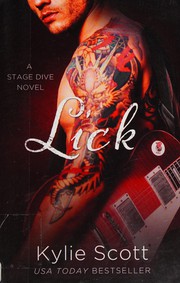
Lick
Evelyn wakes up married to the lead guitarist of Stage Dive after a Las Vegas birthday she cannot remember, and the annulment gets complicated.
1,989-word summary · 9 min read

The Bookshop on the Corner
A Birmingham librarian loses her job, buys a van, and moves to the Scottish Highlands to run a mobile bookshop. Warm and bookish, with uneven pacing.
2,557-word summary · 11 min read

Ricochet
Lily Calloway tries to stay celibate for ninety days while Loren is in rehab, leaning on Rose, Connor, and Ryke as therapy forces her to face her childhood.
2,575-word summary · 11 min read