
Terms and Conditions
2,695-word summary 12 min read 480 pages in the book
- First published
- 2022
- Publisher
- Lauren Asher
- Pages
- 480
- ISBN
- 9781737507734
- Series
- Dreamland Billionaires (#2)
Reading options
What's inside (6 sections)
I picked up Terms and Conditions because friends called it the grump done right. The 480 page edition, first released February 24, 2022 by Lauren Asher, ISBN 9781737507734, second in Dreamland Billionaires after The Fine Print, follows middle brother Declan and his assistant Iris. I read it in two sittings with tea going cold. The banter is fast. The hurt underneath lands slower and stays.
I went in expecting a standard boss marriage plot and found something warmer and sadder. Asher keeps the rich world glossy, yes, parks and suits and charity galas, but the center is two tired people learning to drop their scripts. Declan talks in rules because rules kept him safe as a kid. Iris talks in jokes and care because someone had to keep rooms light. Watching those styles clash and then blend is the fun of the first hundred pages.
What helped me settle in was how clear the stakes feel. This is book two in Dreamland Billionaires, so Rowan has had his turn and Cal is waiting for his, and the grandfather will still pulls strings from beyond. You can start here without feeling lost. Asher recaps the will, the park, the brother order. But you feel the history. Declan has spent years being the reliable cold one. Iris has spent years being the capable kind one. The contract only forces what was already building in late nights and shared looks.
Declan Kane runs numbers for Dreamland, the theme park empire their grandfather built. He is cold on purpose. Schedules, suits, silence. Childhood taught him that softness gets used. His father drank and raged. His mother left in pieces. Grandfather ruled with tests. Declan learned to win tests by feeling little. Staff fear him. Brothers tease him to get a flicker. He keeps the parks profitable and his apartment empty.
Iris Cohen runs Declan's life. Calendars, flights, coffee exactly right. She is warm, capable, funny in emails she never sends. She grew up with less money and more people. She sends cash home. She remembers birthdays of guards. She has worked for Declan two years and learned his tells. Pen tapping means bad sleep. No lunch means a hard call with lawyers. She stays because the pay clears debts and because she likes being excellent at hard jobs.
The will forces the plot. To inherit full control and protect the parks, Declan must marry and produce an heir within terms set by his grandfather. Lawyers explain clauses with straight faces. Declan hates the idea of dating for show. He proposes to Iris. A contract. One year of marriage, public events, private rules. Money that would change her family's life. No feelings clause that both sign knowing it will fail.
I liked that both say yes for plain reasons. Declan needs a wife he can trust not to sell stories. Iris needs money for family and a way out of debt that does not trap her longer. The book lets her ask for a high sum without shame. She names what her parents need, what she owes, what she wants saved. Declan respects the clarity. It sets the tone for later, when money keeps coming up and they have to talk like adults instead of playing martyr or savior.
Rules that fail
Contract life starts with lists. Separate rooms at first. Shared dinners for optics. Social posts on schedule. Family Sundays with brothers Rowan and Cal, who see through Declan fast. Rowan smirks. Cal asks Iris if she needs rescue. Iris charms them by being herself, bringing food, asking about rides. Declan watches his brothers like his assistant for the first time and dislikes the warmth in his chest.
Living together breaks clauses in order. Morning coffee turns into talk. Talk turns into late movies with popcorn rules. Declan learns Iris hums while filing. Iris learns Declan reads park repair logs at 2 a.m. because quiet machines soothe him. He fixes her sink without being asked. She leaves soup when he skips meals. The no feelings rule gets crossed first in small print, like sharing a blanket during a storm outage at the park. No kiss yet. Just shoulders touching while radios crackle.
Asher writes workplace proximity well. Office scenes have stakes beyond glances. A ride fails inspection. A vendor shorts safety gear. Declan must choose between opening on time and opening safe. Iris pushes safety with data, not tears. He listens, which surprises both. At home, marriage events force performance. Galas, charity auctions, interviews. Iris shines. Declan softens in public in ways lawyers note as useful and brothers note as real.
One of my favorite stretches is the slow shift in language. Early chapters sound like memos. Please confirm. Per schedule. Noted. Then little cracks show. Declan adds please when he remembers. Iris adds a joke in a calendar invite. By month two they text about normal things, a leaking tap, a rude guest, a song on the radio. The contract said to keep messages brief for proof. They keep them brief at first, then long, then late. You can track the whole fall in message length if you want. I found that sweet and true to office life, where tone tells you everything.
Physical tension builds slow, then explicit. When they do cross the line, it is consensual, discussed, with birth control and check ins that fit their contract talk turned honest. Asher keeps heat frequent after, but always tied to new trust. Declan asks before new things. Iris says no once and he stops at once, no sulk. Those beats matter in a billionaire setup where power gaps loom. The book names the gap. Boss, money, housing. Iris keeps her job exit plan and her own bank. Declan funds, but does not trap.
Family past arrives in pieces. Declan's father hurt his mother and scared the boys. Grandfather saved the company but used love as prize. Declan fears becoming either man, so he chooses neither by choosing nothing. Iris pushes back. Numb is also a choice with costs. Her own father worked long hours and missed recitals; she knows absence in a different suit. Their fights about the contract are really fights about whether care can be scheduled without dying.
Their big fights rang true to me because they are about translation. Declan shows care by solving, paying, fixing, staying up to read reports. Iris wants words and presence too, not only solved problems. She tells him a paid bill is nice but sitting with her mother in a clinic is nicer. He hears it as criticism at first. Later he starts to get it. He sits. He listens. He stops trying to close the ticket on feelings. That change is gradual, with backslides, which made me trust it more than a single speech would.
Brothers and parks
Rowan and Cal get strong page time, which I liked. Rowan, gruff and newly softened by his own book, needles Declan about rules. Cal, the wild younger, befriends Iris fast and gives Declan terrible advice on purpose. Grandfather appears in letters and videos with tasks from beyond. One task sends Declan and Iris to an old ride to fix it together. Grease, rain, laughter. The park itself feels like a third sibling. Rides need paint. Staff need raises. Kids need shade. Declan's love for the place shows in repair logs more than speeches.
I loved the Sunday scenes at the family house. They give the book air. Rowan cooks badly and pretends it is fine. Cal steals fries and asks prying questions with a grin. Iris fits because she does not perform awe around wealth. She asks about staff by name. She thanks the cook. She teases back. Declan watches her with his brothers and looks startled, like he ordered a prop and got a person who rearranges the room. Those dinners do more work than the gala scenes to show why this marriage could last past paper.
The outside threat is a board member and a cousin who want to split parks for cash. They leak stories about the fake marriage. Photos, timelines, an ex of Iris paid to talk. Declan must decide whether to protect Iris by divorcing early or protect the company by holding on. He chooses badly at first, pushing Iris away with cold terms to keep her clean. She refuses to be managed. She hires her own lawyer, a friend of Cal's, and reads the will herself. That turn is satisfying. Iris stops being the helper and becomes a party with claims.
The third act uses pregnancy and illness tropes carefully. No surprise baby to fix marriage. Instead, Iris's mother needs care, and Declan shows up without cameras. He sits in waiting rooms, brings food for nurses, pays without posting. Iris sees the man under the terms. When the will deadline hits, they present a united front that is no longer acting. Lawyers note signatures. Brothers cheer. Grandfather's final letter, read aloud, admits the clause was a push, not wisdom. Love cannot be willed, but time together can be gifted. That admission softens a manipulative setup without excusing it.
Coffee, calendars and quiet truces
A lot of this romance lives in routine, so I want to retell those bits. Early married mornings are awkward in a funny way. Iris wakes first and makes coffee strong enough to stand a spoon in. Declan appears in a pressed shirt, already checking stocks on his phone. They sit at opposite ends of a table built for eight. She reads news on her tablet. He reads maintenance notes. Silence clinks. Then she starts leaving him the good mug, the heavy one that keeps heat. He starts pouring her cup before she asks. No talk. Just handoffs. It is domestic before it is romantic, which felt right for two workaholics.
Office life shifts too. Iris used to buffer Declan, softening his short mails, warning interns when to wait. Marriage scrambles that line. Staff whisper. Is she still staff or now family. Declan tries to fix it with a memo about roles, which flops. Iris rewrites it in human words and adds office hours so people can reach her without fear. She tells one crying intern to sit and drink water before explaining the filing error. Declan watches through glass and learns something about leading without frost. Later he repeats her line to a foreman, slower, kinder. The foreman blinks. Work gets done faster.
Evenings turn into truce time. They make rules for movies to avoid fights. No sad endings on work nights. No pausing every ten minutes to check mail, though both cheat. Iris pops corn with salt and a little sugar, which Declan claims to hate and then finishes. He explains ride physics during animated films. She explains why the side character deserves better. They fall asleep on opposite couch ends, then middle, then leaning. One night the power cuts during a storm while they check a park outage by radio. They share a blanket in the control booth and listen to rain on metal roofs. Nothing steamy happens. Shoulders touch. Radios crackle with staff callouts. It is my favorite almost kiss in the book because restraint says more than action.
Money, pride and asking plainly
Money could have ruined this book. Rich man pays debts, poor woman feels small, end of tension. Asher avoids that trap by letting Iris stay money smart. She tracks every transfer. She keeps receipts. She opens a separate account Declan cannot touch and puts a slice aside for her parents even when he says he will cover all. She tells him she wants pay for work done, not gifts that blur lines. He bristles, then agrees, then brags to Cal that his wife reads contracts better than half his legal team. Pride mixes with respect. It is fun to watch.
Her family adds weight without turning into props. Her mother works hard and worries loud. Her father calls late and talks short. They love Iris and lean on her, which she both loves and resents. When Declan meets them, he brings facts not flash. He asks about bills, hours, clinic wait times. He does not promise miracles over dinner. Later he quietly pays a medical bill and drives her mother to appointments when Iris is stuck at Dreamland. He tells no one. Iris finds out from a nurse, not him. That choice matters. Care without audience reads as care, not brand.
Declan has his own pride knots. He can sign million dollar orders and cannot ask his brothers for help moving a couch. He can fire a vendor and cannot say he slept badly after a dream about his father. Asher shows his panic in body cues, tight jaw, tapped pen, long walks around the park fence. Iris learns not to chase him in those hours. She leaves water and space. He comes back and talks in short bursts. Therapy is mentioned as ongoing, not magic. He has tools. He forgets to use them. She reminds him without mothering. That balance felt kind and adult.
What works is banter with bookkeeping. Asher loves lists, clauses, and schedules, and uses them for comedy and ache. Texts with bullet points. Calendar invites for kisses. A spreadsheet of pros and cons that gets tear stained. At 480 pages the pace holds because work and family rotate. Parks, offices, homes. No long sags.
What drags is genre comfort. Billionaire power, contract marriage, meddling will. If you are tired of rich men fixed by assistants, the frame will itch. Declan's cruelty early, icing staff, snapping at Iris, gets forgiven fast once hurt is named. Iris's debts resolve with money that removes real world bite. Side villains fold quickly. Readers wanting class critique should look elsewhere. This is wish fulfillment with better consent talk.
I will add that rivals stay thin. The board schemer and the cousin get motives, cash and spite, but few human scenes. Leaks happen, lawyers swarm, then papers settle. Iris hiring counsel helps a lot, giving her teeth in rooms built to mute her. Still, if you want a sharp fight about labor or wealth, you will not get it here. The book cares more about whether Declan says sorry to a tired guard than whether Dreamland should charge less for water. I made peace with that by reading it as family story first, business story second.
Content notes. Explicit consensual sex with contraception discussed. Language strong. Past child abuse and alcoholism in family history, described without gore. Grief for a grandfather. Work stress and panic attacks shown briefly. No assault as romance. Power gap named and managed on page.
How to read in series. Read The Fine Print first for Rowan and the park rules. You can start here; Asher recaps enough. After, go to Final Offer for Cal. Terms sets up Cal's debt and heart well. Give yourself room for the final fifty pages in one go. The will meeting, the letter, the choice at home, they read best without breaks. Keep water near. The mother clinic scenes hit harder if you have sat in those chairs.
I closed the edition fond of Iris most. She keeps humor while holding lines. She asks for money owed, for respect in meetings, for touch that listens. Declan learns to ask for help without a clause. His last scene, reading a bedtime repair manual to Iris while she laughs, is small and right. No empire saved by a kiss. Just a man who schedules less and stays longer. For a contract story, that ordinary promise felt like the real inheritance.
If you love grump and sunshine with paperwork, pick this up after book one. I lent my copy to a friend who annotates banter and she returned it full of tabs. Her top tab was the storm blanket scene. Mine was the red marked kiss memo. We both agreed on the last line feeling. Home is not terms met. Home is coffee kept warm and a seat kept open. At 480 pages from 2022, in the middle of Dreamland Billionaires, this second stop earned its stay on my shelf.
FAQ
When was Terms and Conditions published?
It was published February 24, 2022 by Lauren Asher. The edition runs 480 pages with ISBN 9781737507734.
What is the setup?
Declan Kane needs a wife for his grandfather's will, so he proposes a contract marriage to assistant Iris, and rules fail fast.
Is it part of a series?
Yes. It is book two of Dreamland Billionaires, after The Fine Print, centered on middle brother Declan and the park empire.
Similar books
More like Terms and Conditions →More from Dreamland Billionaires first, then related titles.

The Fine Print
Grumpy heir Rowan Kane must fix Dreamland to inherit, and clashes with sunny creator Zahra Khan.
2,697-word summary · 12 min read

Romancing Mister Bridgerton
Colin Bridgerton returns and discovers Penelope Featherington is Lady Whistledown.
2,388-word summary · 11 min read

Yours Truly
Divorced ER doctor Briana Ortiz fake dates anxious newcomer Jacob Maddox, trading honest letters while her brother waits for a kidney donor.
2,475-word summary · 11 min read
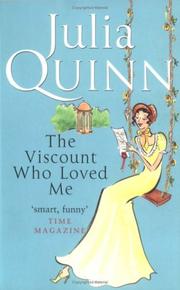
The Viscount Who Loved Me
Anthony Bridgerton vows to marry without love until Kate Sheffield challenges him at every turn.
2,666-word summary · 12 min read

The Duke and I
Daphne Bridgerton and Simon Basset fake a courtship that turns real, then face truth about children.
2,107-word summary · 9 min read

All Your Perfects
Quinn and Graham's perfect love frays under infertility, and they must decide what perfect means now.
2,072-word summary · 9 min read