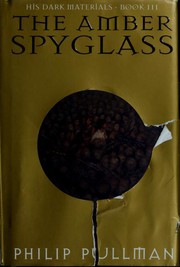
The Amber Spyglass
2,252-word summary 10 min read 518 pages in the book
- First published
- 2000
- Publisher
- Knopf
- Pages
- 518
- ISBN
- 9780375413346
- Series
- His Dark Materials (#3)
Reading options
What's inside (8 sections)
I picked up The Amber Spyglass because the second book had left Will bleeding and Lyra stolen, and I needed to see where Pullman would land it. First published in 2000 by Knopf at 518 pages, ISBN 9780375413349, third in His Dark Materials after The Golden Compass and The Subtle Knife, it is the longest and strangest of the three. It follows Lyra drugged in a cave, Will hunting her with a knife that cuts worlds, a scientist living with wheel riders, a mother who decides to protect her child, a father building war in the sky, and a walk into death. I read it slow, annoyed at parts, moved at others.
Lyra starts asleep in the mountains of her own world. Mrs Coulter has hidden her in a cave in the Himalayas and keeps her drugged with a sleeping draught in food and drink. Pantalaimon is locked in a cage close by, weak and angry. Lyra dreams of Roger, the boy who died to open Asriel's bridge, and of Will, and cannot wake enough to call out.
Will is desperate to find her. He has the subtle knife and the missing fingertips to show its price. With him ride Chevalier Tialys and Lady Salmakia, Gallivespians about an inch tall, fierce spies with spurs and poison who ride hawk moths and dragonflies. Asriel sent them to bring Will to the war. Will refuses. He wants Lyra first. Angels Baruch and Balthamos shadow him too, old lovers, one kind and one sharp, both afraid of the knife.
Will searches while Lyra sleeps
Coulter plays nurse and jailer at once. She washes Lyra's face, brushes her hair, tells guards the girl is sick. Under that she is scared. Readers of the alethiometer and priests of the Church say Lyra will be a second Eve and must be stopped before she chooses freely. Coulter hides her own daughter from the Church and from Asriel, who would use Lyra for his own war. For the first time she loves someone more than herself, but Pullman keeps her ugly edges. She still lies with ease. She still drugs a child. She still enjoys fooling holy men.
Will finds the cave by cutting a window above it and looking down. He sees Lyra pale, Pan low in a cage, Coulter asleep with her head on her arm. He wants to kill her. Tialys talks him into patience. They wait for guards to shift, slip in from another world with the knife, lift Lyra and Pan, and step out before Coulter wakes.
Coulter wakes mid theft and fights with nails and pleading. She calls Lyra by pet names and begs Will not to carry her into war. Lyra, half drugged, clings to Will because Pan tells her to. They close the window behind them. Coulter is left shouting in stone that feels too large.
Lyra wakes over days in a tent in another world. She vomits, cries, sleeps again. Worst of all, she cannot read the alethiometer as before. The pictures that once spoke clear now feel cloudy. She fears she broke the gift by growing up or by leaving Pan caged too long. Will tells her it will return in another form. Pan coughs and stays quiet. Healing takes time, and Pullman lets it drag in a good way. No quick cure.
Mary Malone and the amber spyglass
Mary Malone walks alone when this book opens. After talking with Shadows on her detector in Oxford, she stepped through a window Will left open and kept walking. Her boots wear out. She eats what she can. She keeps notes. She misses labs and tea, but curiosity pulls her on.
She finds the mulefa. They are big, gentle wheel riders with trunk and horns, using huge seed pods as wheels on fore and hind legs. They live in thatched villages, press oil from pods, herd grazers, tend tall trees. Mary thinks she found a fable, then sees the work. Wheels crack. Oil runs short. Old riders fall. Children learn knots and ropes.
Atal, a young female, befriends her. She brings food, laughs at Mary's climbing, shows oil pressing and rope work. Mary learns the language word by word, pointing and writing sounds down. She gets things wrong and offends by accident. I liked that Pullman lets this take weeks instead of a quick spell.
The trees are dying and Dust is leaking from their world. Mary builds the amber spyglass from sap lacquer. She polishes plates of sap, oils them, holds them to her eyes. Through them she sees Dust as golden streams moving like slow weather. Over young mulefa and old trees the light runs thick. Over dead wood it thins. Near old cuts left by the subtle knife, it pours away and does not return.
This is the core of the book for me. Mary watches Dust gather round a mother nursing young, and round Atal telling a story while others listen hard. Mary tells Atal about her own life, leaving the church, work with light and dark matter, a man she loved and did not marry. Atal asks plain questions about love and joy that make Mary laugh and blush. Through those talks comes Pullman's idea in plain form. Dust is attention and delight, curiosity and care made visible. When people stop asking and stop caring, Dust thins.
Mary learns to ride with a pod fitted to her, falls, gets up, finds rhythm. Then she looks through amber and sees the Dust wind blowing hard toward the mountains where Lyra and Will head. Play ends. She packs oil and food and follows on foot and wheel.
Coulter turns and Asriel goes to war
After Lyra is taken, the Church catches Coulter. Priests come with orders and smiles. They want Lyra dead to stop a fall they fear, and they have taken a lock of Lyra's hair to guide a bomb across worlds. Coulter lies, poisons, charms, and slips away to warn Asriel, the man she once loved and now fights and needs.
She reaches his basalt fortress in another world, full of forges, airship docks, labs, Gallivespian riders, witches in tents, defectors from many worlds. Asriel greets her cold. He recalls old betrayals. She tells him about the bomb and offers her knowledge of the Church in return for guarding Lyra. He agrees because he must.
Asriel builds for a republic against the Kingdom. He has scholars, King Ogunwe who brings steady command, engineers with guns on balloons, Iorek Byrnison and his bears who fight for debt and for Lyra rather than speeches, Serafina Pekkala and witches split between guarding Lyra and loving battle. Baruch flies himself thin to carry news that Metatron moves first, and dies for it. Balthamos feels his lover's death across worlds and howls, then stays with Will because he promised.
The sky war itself is huge and at times hard to picture. Ships, dragonfly riders, witches on branches in storms, angels burning. I read those pages for mood more than tactics. What stays clear is intent. Asriel will draw Metatron, the regent who rules while the Authority fades, into open fight far from Lyra. Late in the book Asriel and Coulter grapple Metatron together and fall with him into the abyss between worlds, holding tight so he cannot climb out. They vanish. No tomb. Will feels air shift. Lyra weeps without knowing why. War ends less with treaty than with a weight lifting off the sky.
The land of the dead
Before that, Lyra decides she must enter the land of the dead. She dreams of Roger stuck grey and bored, and she wants to say sorry and lead him out if she can. Will goes with her. Tialys and Salmakia protest, then follow.
To enter they must leave daemons on the shore. Pan stays on a beach while Lyra rows black water. Will's daemon, not yet settled, waits too. That parting hurt me more than any fight. The boatman takes silence as fare. Beyond lies a crowded grey plain where ghosts press close, hungry for news of sun and rain and bread.
Harpies rule there, birds with women's faces who shriek each ghost's worst truth back at them and feed on shame. Lyra learns she cannot lie to them. So she tells true stories about Iorek and Serafina, about Oxford and dust and Will, about fear and brave turns. Ghosts gather to hear. For the first time in ages they want something besides forgetting. The harpies, starved for new stories, agree to guide ghosts toward an opening if travelers keep bringing tales.
Will cuts the way out. With the knife he finds thin air and opens a passage from death into the living world, where ghosts can dissolve into Dust and join wind and trees. It is not heaven. It is release. Roger steps out, forgives Lyra, scatters like sparks. Tialys dies here holding harpies off, small and brave. Salmakia mourns and walks on because someone must bear witness.
When Lyra and Will return to their daemons, both have settled. Pan is a pine marten, sleek and warm, done shifting. Will finds his daemon as a cat, wary and proud. The book treats this as growing firm, not as loss. To hold one shape is to know your heart has steadied. Sad and right at once.
I also liked the small returns tucked round this march. Iorek keeps his word and asks no praise, mending what can be mended and breaking what must break. Serafina flies through grief for Lee and still watches over Lyra from far off, not as a guard with answers but as kin who stays near. Even Salmakia, left without Tialys, keeps her record and her pride, tiny on a dragonfly in a sky full of giants. Those minor loyalties do more than speeches to show what Pullman means by care. They stay, they work, they tell the tale true.
The Authority, Metatron, and the parting
Two powers hang over all. The Authority claims to be creator of all. He is not. He is the first angel formed from Dust who lied about making it. Now he is old, kept in a crystal litter, senile and light as paper. Metatron rules in his name. Once the man Enoch, now a hard shining regent, he wants obedience and an end to wild Dust. He hunts Lyra because he fears free choice.
Lyra and Will meet the Authority by chance on a slope during battle winds. His litter breaks open. He crawls out happy for air, scared of gusts. They help him stand because no one else will. He smiles and dissolves as wind takes him, like paper in rain. No duel. Only pity. I thought this brave. Pullman skips a boss fight with God and lets mercy close it.
Metatron nearly seizes Lyra. Coulter lures him close with false love talk while Asriel strikes from above in thought guided craft. They lock round him and drop through a gap. Gone. Dust still leaks from every cut the knife ever made. Angels and Mary make this plain. Mulefa trees sicken where Dust thins. The cure is to shut all windows but the one for the dead, and to break the blade so no new cuts form. Will closes each window he made, feeling each shut. With Iorek's help he snaps the knife. Iorek breaks clean what he once mended, without joy.
Then the price Pullman insists on. Lyra and Will cannot stay together. Folk sicken in the wrong world. Windows must stay shut. Lyra must live in her Oxford. Will in his. In a grove Dust falls like rain while Mary watches through amber and knows she sees love itself. Then the kids promise to live well where they are, to learn, to be kind, to build what Mary calls the republic of heaven by care for this world. They will sit each Midsummer Day at noon on the same bench in their own botanical gardens and think of each other. They kiss and part. I cried and felt cheated in equal measure, which feels intended.
What drags
This book is long and preachy. At 518 pages it could lose fifty and gain force. Asriel camp talk repeats. Mulefa lessons stretch after charm fades. Mary gives talks on faith and physics that read like essays set inside a novel. I share much of Pullman's view, that curiosity is holy and rule dressed as care can poison, but being told tires me. Show Atal laughing and I learn. Halt for a speech and I skim.
Lyra spends too much middle being carried, hidden, or guided while Will acts, which fits the drugged plot but dims her spark till death restores it. Angel names blur. The hair guided bomb fizzles after large buildup. The thought craft never makes clear sense as a machine.
Yet the strong parts hold. Mary with amber is a fine portrait of a scientist, notebook in pocket and oil on hands, patient and tender. The dead chapters form the moral heart, better than sky war. Coulter falling with Asriel gives two proud users of people one selfless act. The bench promise respects young love instead of cheapening it, and stayed with me longer than cannon fire.
Note on facts: Title The Amber Spyglass, author Philip Pullman, first published 2000, publisher Knopf in this edition, 518 pages, ISBN 9780375413349, third in His Dark Materials after The Golden Compass and The Subtle Knife.
FAQ
When was The Amber Spyglass published and where does it sit in the series?
It was first published in 2000 by Knopf in this edition at 518 pages, ISBN 9780375413349. It closes the trilogy after The Golden Compass and The Subtle Knife.
Why do Lyra and Will have to part at the end?
Lyra and Will free the ghosts from the land of the dead, cause the fall of the Authority and Metatron, then must close all windows between worlds. They agree to meet once a year in their own Oxfords, but they cannot stay together.
What does Mary Malone do with the mulefa?
Mary lives with the mulefa, builds the amber spyglass from lacquered sap, and sees Dust as golden streams. Her stories and her love for Atal help Lyra understand Dust as attention and delight in the world.
Similar books
More like The Amber Spyglass →More from His Dark Materials first, then related titles.

The Golden Compass
Golden Compass retold: Lyra and Pan north to save Roger, bears, Dust, bridge to new world.
2,019-word summary · 9 min read

The Subtle Knife
Will finds a window to Cittagazze, meets Lyra, and both hunt the knife that cuts between worlds.
3,227-word summary · 14 min read

Howl's Moving Castle
Cursed old by the Witch of the Waste, hatmaker Sophie Hatter talks her way into wizard Howl's moving castle and bargains with fire demon Calcifer to break the…
2,363-word summary · 11 min read

The Horse and His Boy
Shasta and Bree flee Calormen to Narnia with Aravis and Hwin.
2,594-word summary · 12 min read

The Blood of Olympus
Seven demigods stop Gaia waking while Reyna brings Athena statue.
2,196-word summary · 10 min read
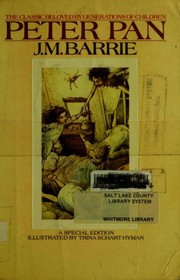
Peter Pan
Wendy, John and Michael fly to Neverland with Peter, face Hook, and learn what growing up costs.
2,502-word summary · 11 min read