
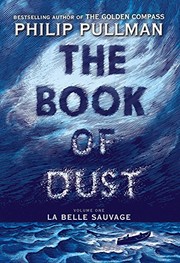
La Belle Sauvage
2,530-word summary 11 min read 464 pages in the book
- First published
- 2017
- Publisher
- Alfred A. Knopf
- Pages
- 464
- ISBN
- 9780375815300
- Series
- The Book of Dust (#1)
Reading options
What's inside (7 sections)
The first surprise of La Belle Sauvage is that its heroine does almost nothing. Lyra Belacqua is six months old for the whole book, a warm and demanding little parcel that everyone in the story is chasing toward or away from. Pullman knew what he was doing. He had already tucked a boy named Malcolm Polstead into the background of Lyra's Oxford back in 2003, and this novel, published in October 2017 as the first volume of The Book of Dust, spends 464 pages explaining how that boy got there. It is a companion to His Dark Materials rather than a continuation, and it stands on its own, though half the fun for longtime readers is watching the old machinery being built in front of them.
Malcolm Polstead is eleven years old and lives at the Trout, his parents' inn at Godstow, three miles up the Thames from Oxford. His daemon, Asta, is still unsettled, so she flips from bird to mouse to wildcat as his feelings change, and Pullman writes her the way he writes all daemons: as the person, not the pet. Malcolm notices everything and says very little, which turns out to be a professional asset. Across the river stands Godstow Priory, where kind nuns bake bread and pray and, at the start of this story, look after a baby called Lyra Belacqua. Malcolm helps the sisters with odd jobs and falls for the child instantly. He appoints himself her servant for life.
He also has a canoe called La Belle Sauvage, named after an old pub, tarred and covered with a coal-silk tarpaulin, and repainted more than once by local children so that it reads sausage instead. The joke never stops being funny, and the boat never stops mattering. By the end it will have carried a hunted child across half of England.
The plot begins with a dropped message. Three men take supper in the inn's Terrace Room and quiz Malcolm about the nuns across the water, especially whether they have ever cared for an infant. Their leader is Lord Nugent, a former Lord Chancellor of England, which ought to worry anyone. Days later Malcolm is birdwatching by the river when a stranger fumbles a small wooden acorn into the grass. Before Malcolm can hand it back, two men in dark coats seize the stranger and march him away. Inside the acorn is a scrap of paper about an alethiometer, the brass and crystal device that answers questions when a skilled reader sets three of its hands to symbols on the dial and waits for the fourth to swing. Only six such instruments are known to exist, and one of them is missing.
The message was meant for Dr Hannah Relf, an Oxford scholar who reads alethiometers and secretly works for Oakley Street, a patchwork of spies, gyptians and academics trying to hold back the Magisterium, the church that governs everything. Hannah uses her alethiometer to find the boy who found her letter, then strikes a quiet bargain: she lends him books, and he lends her his eyes. The Trout is full of travelers, and Malcolm is very good at listening. He starts writing things down in a notebook, and that is the whole of his spycraft for a while. It suits him. The scholar who dropped the acorn, a man named Robert Luckhurst, is found dead in the canal soon afterward, and the price of notebook work becomes clearer.
The League and the people hunting the baby
The villains arrive in stages, each one tightening the world. At Malcolm's school the League of St Alexander appears, a children's club of informers whose members are rewarded for reporting teachers who doubt the church or parents who grumble against it. A woman named Miss Carmichael runs it, though Hannah tells Malcolm the idea came from higher up, from a rising star of the Magisterium named Mrs Coulter. She happens to be Lyra's mother, and she is not the sentimental sort.
Mrs Coulter visits Oxford. Malcolm spots her at the priory, all charm and perfume, frightening the baby just by being near. Later he finds her sitting in Hannah's rooms, fishing for news of her daughter with a smile. Her daemon, a golden monkey, does the ugly work, and Pullman clearly enjoys writing the pair. She is younger here than in His Dark Materials and hungrier, and the book keeps her mostly offstage, which makes every appearance land harder. I would happily have taken another hundred pages of her.
Lyra's father is a different kind of danger. Lord Asriel is an explorer and a professional nuisance to the Church, and one night he comes to the Trout and asks Malcolm to take him across the water to see his daughter. Malcolm paddles him through the dark to the nursery window, where Asriel stands in the moonlight and looks at the baby like a man checking that the stars are still in place. Later Asriel borrows the canoe to outrun his pursuers, and sends it back repaired and improved by a gyptian agent named Coram van Texel, the man His Dark Materials readers know as Farder Coram. It is a lovely cameo, and Coram does more than one good turn: he has spent the book's opening chapters hunting a man even more frightening than the authorities.
That man is Gerard Bonneville, a disgraced scholar just out of prison, who once worked on something called the Rusakov field, and whose hyena daemon walks on three legs because Coram shattered one of her front paws in a fight. Bonneville turns up at the Trout soon afterward, all politeness on the surface and something horribly wrong underneath. He flatters Alice. He has caught Sister Katarina, one of the nuns, in his orbit and gets her to leave a shutter unlatched. When Malcolm watches him turn on his own daemon in a rage, it is one of the most disturbing things Pullman has ever written, and the man never softens into a cartoon.
Then there is Alice Parslow, a few years older than Malcolm, who scrapes dishes at the Trout and looks after Lyra at the priory. She is angular and contrary and allergic to every kindness, and she and Malcolm spend their first months as enemies, mostly because she teases him without mercy. She noticed Gerard before anyone else did, and she is right about him.
Coram warns Malcolm that the rain is not stopping and that a flood is coming, not an ordinary flood but the sort that arrives once in centuries. Nobody listens. Why would they.
The night the river rose
The flood itself is terrifying and quick, and Pullman stages it beautifully. Rain comes down for days. One night the kitchen floods, the priory gatehouse collapses, and the covered bridge between the inn and the priory starts to move. Alice is in the kitchen when the ceiling comes down on her head. Malcolm pulls her up, grabs Lyra out of the nursery, and runs. Gerard Bonneville is there in the dark, and Alice gets the first real blow of her life in when she clobbers him with a chair. They cross the bridge just before it goes, and then they are in the canoe on a river that has swallowed its own banks, with two children, a baby, three daemons, and no plan that survives contact with the water.
Their first thought is Jordan College, which can grant academic sanctuary to almost anything if the right door can be knocked on. It cannot. The center of Oxford is a maze of collapsed buildings and floating debris, and the current keeps shoving them past every landing. They find supplies at a pharmacy, and Alice finds a card in Malcolm's pocket with Lord Asriel's London address on it, at which point she kicks him and shouts at him and generally informs him that they are partners whether he likes it or not. Then they point the canoe downstream and go, because Lyra's father keeps a house in London, and every alternative is worse.
That journey is the whole middle of the book, and it goes on for a long time.
Down the drowned Thames
What follows is a picaresque on water. The flooded country is empty and strange, half pastoral and half nightmare. They come ashore at a white house where the watchman on duty is dead, and Bonneville corners them in the cellar. Malcolm talks to him through a door while Alice and Lyra slip away, and when Bonneville charges him on the lawn, Malcolm stabs him in the thigh with a knife and Alice fires a gun at the hyena daemon, wrecking the last of her working legs. They take his heavy rucksack and row away believing they have killed him, which they have not.
They shelter in a cave with a former regular of the Trout called George Boatwright and a handful of other survivors, all of them hiding from one agency or another. During the night a schoolmate of Malcolm's, Andrew Whicher, slips away and comes back with armed men. He has joined the League of St Alexander, and a baby in a cave looks like a promotion. Men from the Office of Child Protection take Lyra away to a priory at Wallingford, and Malcolm crawls up a drain into the scullery to steal her back out in a box.
After that the book lets the water carry it into pure folk tale. On an island in the flood they meet a fairy called Diania, whose queen has fed Lyra from her own breast and therefore claims her as a daughter. Pullman has excellent fun with the logic of fairyland: Malcolm bargains with a puzzle box and a guessing game borrowed from Rumpelstiltskin, using the fake names they invented on the spot, and wins Lyra back by the letter of the rules. They stumble into a garden party where the guests cannot see them at all, and a column of fog nearby hides the things those guests would rather forget. They negotiate with a giant who keeps the lock gates for Old Father Thames by waving a forged letter and declaring their baby a princess. A witch called Tilda Vasara puts a spell on the canoe to hide it from the boats chasing them.
And in Bonneville's stolen rucksack they find his scientific papers and, packed inside a puzzle box, the sixth alethiometer. Lyra cannot read yet, obviously. But the device that will define her childhood enters her life here, in a villain's stolen luggage, and by the last chapter it is hidden under her blankets without her ever knowing.
What waits at the end of the water
Bonneville has been out there the whole time, and Pullman handles his final return like a horror film. The children stop for the night on an island with a graveyard and a mausoleum, because the baby needs feeding and there is nowhere else. Bonneville comes over the gunwale in the dark, cuts through the coal-silk cover, and gets his hand around Alice's throat. The hyena drags her daemon Ben out of the boat, Alice jumps after him because she cannot not, and Malcolm follows with a paddle. The fight is short, ugly and almost wordless. Bonneville dies of it, under a boy with a broken paddle, and the book does not celebrate. It lets Malcolm sit with what he has done, and it trusts the reader to do the same.
London arrives fast after that. The CCD boats hunt them down the last of the river, a shopkeeper's wife phones the authorities after selling them medicine for Lyra's cold, and the canoe ends its life in a gunfight beside Lord Asriel's ship. Asriel and Lord Nugent pull the children out of the water as the boat comes apart, and Malcolm is shot in the arm before it is over. Then Asriel flies them all by gyrocopter back to Oxford and carries Lyra into Jordan College, where the Master grants her scholastic sanctuary and takes her into the college's care. The baby is safe, the flood is done, and the story that His Dark Materials tells can begin.
The last thing Malcolm does is tuck the stolen alethiometer under Lyra's blanket before the Master's people take her. It is a spy's move, a thief's move, and one of the most generous things anyone in the book does. Everything Lyra becomes starts there, with a boy who noticed.
What works and what sags
The first third of this novel is a superb surveillance story. Malcolm's double life at the inn, the acorn in the grass, Hannah's library, the League spreading through his school: it is quiet, tense and perfectly pitched, and it makes the coming flood feel earned. Bonneville is the best villain Pullman has written, clever and needy and genuinely frightening, and his hold over Alice adds a layer of dread that the story never wastes. Alice herself is a gift, funny and furious and loyal in ways she would deny, and her partnership with Malcolm is the engine the whole journey runs on.
Once the flood takes over, the book changes shape completely, and this is where readers split. The middle is a string of encounters, and Pullman lets his imagination off the leash. I liked the fairy queen and the Rumpelstiltskin bargain more than I expected, but I would be lying if I said the journey never sagged. The New York Times called the book full of wonder and still complained about longueurs; The Independent called it an extended preface, and both verdicts ring true at different points. There are stretches where the river seems to run in circles just to show us one more marvel, and the chase loses its teeth. Because anyone who has read His Dark Materials knows Lyra survives infancy, the danger is never quite as sharp as the prose wants it to be, and a few of the oxbow episodes feel like a detour rather than a threat.
The Church is also written with a heavy hand in places. The men of the Magisterium sneer and bully in ways that would not look out of place in a pantomime, though the book balances this with the nuns, who are drawn with real warmth, and with Mrs Coulter, who is far too interesting to be a simple villain. One more note, for parents and for readers deciding where to start: this is a darker book than The Golden Compass in ordinary human terms. Bonneville is a predator, and the story is honest about what that means for the teenage girl in his path. The series is marketed for teenagers and up, and that feels right.
None of that stopped me. Malcolm and Asta make a wonderful pair, the kind you follow anywhere, and the whole book hums with the pleasure of a writer returning to a world he loves. It is a kitchen-table, muddy-boots origin story, more swan dive than swan song, and even its slowest stretches run on the promise that the girl in the blankets is worth every mile of water.
FAQ
Do I need to read His Dark Materials before La Belle Sauvage?
No. It stands on its own as the story of how baby Lyra reached Jordan College, though longtime readers will enjoy watching the alethiometer, Mrs Coulter, and Lord Asriel fall into place.
How old is Lyra in La Belle Sauvage?
Lyra is six months old for the whole novel. The story is told through eleven-year-old Malcolm Polstead, who rescues her during the great flood and carries her down the Thames.
Is La Belle Sauvage darker than The Golden Compass?
In ordinary human terms, yes. Gerard Bonneville is a predator and the book is honest about what that means for the teenage girl in his path; it is marketed for teenagers and up.
Similar books
More from The Book of Dust first, then related titles.
The Icebound Land
Captured and enslaved in Skandia, Will fights a drug that erases him while Halt and Horace cut a bloody road through Gallica to bring him home.
2,088-word summary · 9 min read
In the Hand of the Goddess
Alanna, still disguised as a boy, survives war, court plots, and a death duel as the Goddess's chosen warrior in the second Song of the Lioness book.
2,018-word summary · 9 min read
The False Prince
A nobleman buys four orphans and tells them only one will survive to impersonate the missing prince. The narrator, a defiant thief named Sage, has other plans.
2,044-word summary · 9 min read
Fable
Abandoned on a lawless island at fourteen, Fable spends four years diving for gems to buy passage off it, straight into the cutthroat trade of the Narrows.
2,320-word summary · 10 min read
Alanna: The First Adventure
Twins swap roles so Alanna trains as boy page Alan for knighthood while Thom studies sorcery.
2,107-word summary · 9 min read
The Goose Girl
A shy princess loses her name on the road to her wedding and must earn it back as a palace goose girl in this Grimm retelling.
2,357-word summary · 10 min read
Hatchet
A plane crash leaves thirteen-year-old Brian alone in the Canadian wild with only a hatchet.
2,770-word summary · 12 min read

The Assassin's Blade
Five novellas show Celaena before Throne of Glass, guild bound and bold.
1,924-word summary · 9 min read
The Amber Spyglass
Lyra and Will cross worlds with amber spyglass to free ghosts and kill Authority.
2,252-word summary · 10 min read
The Subtle Knife
Will finds a window to Cittagazze, meets Lyra, and both hunt the knife that cuts between worlds.
3,227-word summary · 14 min read
The Golden Compass
Golden Compass retold: Lyra and Pan north to save Roger, bears, Dust, bridge to new world.
2,019-word summary · 9 min read
The Thief
A boastful young thief is pulled from a prison to steal a legendary stone for the king's magus, and the story he tells about himself is not the whole story.
2,514-word summary · 11 min read

Inkdeath
The final Inkworld novel sends Mo into the land of the dead, leaves Meggie choosing between two boys, and ends the Adderhead's immortality with three written…
2,062-word summary · 9 min read

Vow of Thieves
Kazi and Jase return to Tor's Watch to find it occupied, and their marriage is tested by captivity, betrayal, and a war for the town of Hell's Mouth.
2,059-word summary · 9 min read

Lioness Rampant
Alanna searches for the Dominion Jewel with the Shang Dragon, then returns to Tortall to face Duke Roger at Jonathan's coronation.
2,478-word summary · 11 min read

Archenemies
Nova steals for the Anarchists while Adrian hides his Sentinel identity, and a serum that erases prodigy powers puts them both at risk.
2,485-word summary · 11 min read
Dealing with Dragons
A princess who hates embroidery runs away to become the cook and librarian for a dragon, then has to outthink wizards, knights, and a plot against the dragon…
2,563-word summary · 11 min read
The House of the Scorpion
A clone raised in a drug lord's poppy fields learns what he was made for and chooses what to do with the life he was given.
2,527-word summary · 11 min read

The Golem's Eye
Two years after The Amulet of Samarkand, Nathaniel is a rising bureaucrat, Bartimaeus is his unwilling servant again, and something made of clay is tearing…
2,299-word summary · 10 min read
The Chalice of the Gods
Percy needs three recommendation letters from three gods to apply to college, so his first quest is recovering a stolen chalice from the god of old age.
2,106-word summary · 9 min read
The Ship of the Dead
Magnus and his crew sail to the edges of the Norse worlds to stop Loki from launching Naglfar, the ship of the dead.
2,426-word summary · 11 min read

The Rose & the Dagger
Shahrzad is pulled from her Caliph husband and left in a desert camp of rebels, needing to break his curse and end a war before it ends her.
2,520-word summary · 11 min read
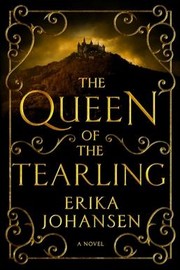
The Queen of the Tearling
Nineteen-year-old Kelsea leaves the woods to take her throne, ends a shipment of human captives, and draws the Red Queen's revenge.
2,357-word summary · 10 min read

Starsight
Spensa Nightshade goes undercover aboard the Superiority space station Starsight to steal a hyperdrive, and finds a frightened bureaucracy where she expected…
2,568-word summary · 11 min read

We Hunt the Flame
In a fractured Arabia-inspired world, a disguised huntress and a prince-assassin race to find a magic-restoring book and confront an ancient evil.
2,195-word summary · 10 min read
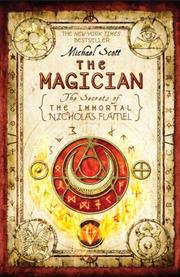
The Magician
Sophie and Josh flee to Paris with Nicholas Flamel, where John Dee, Machiavelli, and an awakened god close in on the missing pages of the Codex.
2,162-word summary · 10 min read
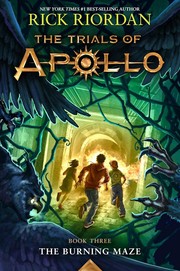
The Burning Maze
Apollo, still trapped in a mortal teenager's body, follows a dangerous prophecy through the Labyrinth with Meg and Grover as the Triumvirate's grip tightens.
2,248-word summary · 10 min read
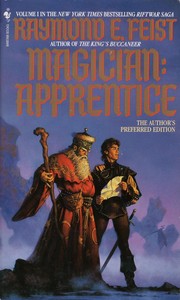
Magician: Apprentice
An orphan kitchen boy and a smith's son grow up in a frontier castle just as invaders from another world open a rift and begin a war that will change both of…
2,114-word summary · 9 min read
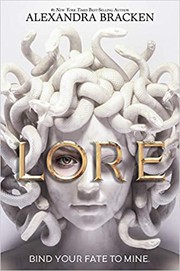
Lore
Lore Perseous, the last of a hunted bloodline, is pulled back into the Agon when a wounded Athena offers her revenge against the god who killed her family.
2,188-word summary · 10 min read
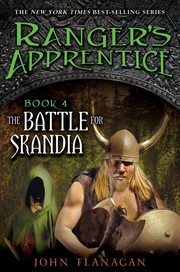
The Battle for Skandia
Will and Evanlyn are still hiding in the Skandian mountains when Halt and Horace arrive with word of a Temujai invasion that could roll on to Araluen next.
2,248-word summary · 10 min read