
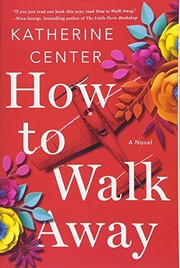
How to Walk Away
2,012-word summary 9 min read 302 pages in the book
- First published
- 2018
- Publisher
- St. Martin's Press
- Pages
- 302
- ISBN
- 9781250149060
Reading options
What's inside (8 sections)
I picked this up expecting the Katherine Center experience I knew from her later books: warm, funny, a little chaotic, with a couple of sharp edges hidden under the frosting. How to Walk Away has all of that, but it opens with something most romance novels never touch. Its first big scene is a plane crash, and the book spends the rest of its length dealing honestly with what that kind of afternoon does to a person.
It was Center's sixth novel, published in 2018, and the one that made her a New York Times bestseller. It is easy to see why. The premise is brutal and clean, and the writing never lets the injuries become a metaphor for anything other than themselves.
The proposal and the crash
Margaret Jacobsen, Maggie to everyone who loves her, has spent her twenties being careful, and it is about to pay off. She has a dream job offer she has wanted since college, a fiance called Chip who comes from money and charm, and a future she can see in detail. Chip is days away from earning his pilot's license. That detail matters.
Margaret is afraid of flying. So for Valentine's Day, Chip, who has never met a grand gesture he did not like, takes her up in a small plane and proposes in the air. It is exactly the kind of scene a book like this normally opens with, and then the plane comes down.
Chip walks away from the wreck. Margaret does not. She is pulled out with burns across her neck and a spinal cord injury, and at the hospital the doctors start using words like "may never walk again." The job she was about to start quietly evaporates. The wedding she had been half planning stops being a wedding. In the space of one afternoon, every piece of the life she had been building is either gone or under negotiation.
What I appreciated here is how unsentimental Center is about the crash itself. It is not dwelt on for drama, and it is not skipped over. It happens, and then the book is about the after.
The hospital math
The middle of the novel lives in rehabilitation, and Center gets the texture of it right: the humiliation of being handled, the tiny victories, the way time bends when your whole job is learning to move your own feet. Maggie is not a saint about any of it. She is angry, and then depressed, and then angry again, and the book lets her be.
Chip, meanwhile, falls apart in the way people with good hair and no interior life tend to fall apart. He is technically the one who walked away unhurt, which he interprets as a kind of loss. He requires comforting. He expects, eventually, to be forgiven for everything, including the parts he has not apologized for. Their engagement dies not in a single dramatic scene but in a slow-motion collapse that felt uncomfortably true, and the moment Maggie finally calls it is one of the most satisfying beats in the book.
Her family is more complicated. Her mother is the managing type, the kind of woman who takes over a hospital room and a recovery plan and, for that matter, other people's decisions. Her father is softer and steadier, but there is a secret under the house, and it is the kind of secret that has been shaping the family for years without anyone saying so.
Then there is Kit, Maggie's older sister, who walked out of the family three years earlier and now comes back. The two of them have the kind of history where every conversation is also an argument. Kit's return is the emotional engine of the second half: she is the one person who refuses to treat Maggie as fragile, partly out of love and partly because Kit has never quite learned how to be gentle. That friction gives the book a second relationship as important as the romance, and honestly I found the sisters more compelling than a few of the romantic beats.
The therapist who will not flinch
Ian is the Scottish physical therapist assigned to Maggie's case, and the nurses warn her that he is too tough. He is. He refuses to let her skin the surface of her own recovery, he calls her on self-pity, and he does not perform sympathy to make himself comfortable. He also has a loss of his own that he does not discuss, and Center handles that reveal with a restraint I did not expect from this kind of novel.
The romance between them builds the way it should, slowly and a little sideways, mostly during sessions and small moments rather than grand ones. There is a scene on the hospital roof where Ian takes Maggie outside for the first time since the crash, and the first fresh air does more for her than any therapy exercise, which is the sort of small, accurate detail that keeps the book grounded. Ian's whole philosophy, that the trying is what heals you, is not presented as a bumper sticker. It gets tested every chapter, including by the parts of Maggie's recovery that do not cooperate.
If you are allergic to the love interest who is gruff on the outside and wounded on the inside, this will not convert you. Ian is exactly that. What saves him is the writing: he is competent before he is romantic, and his patience has limits that feel human rather than scripted.
What the book gets right, and where it strains
The best thing about How to Walk Away is that it never treats the injury as a plot obstacle to be cleared before the real story can resume. Maggie's body is the story. Her relationship with it changes from chapter to chapter, and the book earns its title honestly, which I will not explain further because the title doing its work at the end is one of the pleasures here.
The weaker parts are the ones that reach for tidiness. Some of the side characters exist mostly to deliver a lesson, and a couple of the setbacks resolve faster than the first half of the book trained you to expect. Chip is a little too easy to dislike, which makes Maggie's years with him harder to picture than the book wants them to be. Trade reviews at the time were kinder than I am being: Kirkus called it heartbreakingly honest and wryly funny, Publishers Weekly praised the fast-paced and sharply drawn cascade of events, and Booklist gave it a starred review and predicted a breakout hit. It was a Book of the Month Club pick and a Target Book Club pick, and all of that is deserved. It is just also true that the novel's second half runs on rails in places where the first half digs into gravel.
None of that made me put it down. Center writes hurt people with real affection, and she is one of the few authors in this register who understands that a hospital corridor can be as romantic as a ballroom if the two people in it are actually paying attention to each other. The result is a book that is frank about the worst day of a life and still finds a way to be hopeful without cheating. If you like a love story that starts after the fairy tale ends, this is one of the better ones, and it is the book that turned me from a casual reader of Center into a regular one.
The crash and the genre
Romance novels usually begin before the trouble and let the reader watch it arrive. This one begins the trouble in chapter two, on a runway, with the man who is supposed to be the hero at the controls. That inversion is the book's real gamble, because it spends the rest of its length asking you to invest in a love story whose first candidate has already failed the entrance exam, and because the heroine's body is no longer the standard-issue body the genre likes to describe.
Center handles the physical reality better than most writers in her lane would. The burns, the spinal damage, the catheter conversations, the way Maggie has to relearn the geography of her own life: none of it is glossed, and none of it is used as a lesson for other characters to learn. The obvious comparison is Jojo Moyes's Me Before You, another bestseller about a woman and a catastrophic injury, but the two books want opposite things. Moyes builds a philosophical argument with an ending designed to make a point. Center builds a recovery narrative and keeps the point stubbornly personal. Maggie is not a case study in disability. She is a woman who wants her body back and has to negotiate with a body that will not promise anything.
There is a risk in books like this of sliding into what the internet calls inspiration, where the disabled character exists to teach everyone around her about gratitude. How to Walk Away mostly avoids that trap by keeping the reader locked inside Maggie's competence. She is sarcastic when she needs to be, petty when it helps, and she decides what to do with her future without asking a doctor's permission. The moments that flirt with inspiration are the ones where the writing presses hardest, and you can feel Center resisting the obvious version of every scene.
The fair criticism is about the ending, and about how much hope the machinery delivers. Readers who have been through a serious injury sometimes find this kind of arc too neat, and I understand why. The book chooses uplift deliberately, and by the last hundred pages, the plot has started arranging itself around the lesson in a way that the messier first half never did. If you want the harder version of this story, it exists, and it is not this book. What Center offers is the version where a bad year can teach you something without pretending the bad year was worth it, and on those terms, she sticks the landing.
Where it sits on Center's shelf
Katherine Center had written five novels before this one, and How to Walk Away is the hinge in her career, the book where the reviews started using the word breakout and the sales started matching them. If you come to it after her later work, the DNA is all there. The Bodyguard and The Rom-Commers run on banter and movie-star chaos, and Happiness for Beginners is a hike through grief with a big Netflix adaptation attached. This one sits closer to Things You Save in a Fire, which also asks a woman to rebuild after a rupture, though that book has the luxury of a romance that does not begin with a plane crash.
Her working method is consistent across all of them: take a woman who has organized her life around control, remove the control, and then watch her find humor in the rubble. What distinguishes How to Walk Away is how little comedy is front-loaded. The funny stuff arrives as a survival mechanism rather than a tone, and by the time you are laughing, you have earned it the hard way.
If you are deciding where to start with her, the honest answer depends on what you want. For pure escape, the later books. For the emotional roller coaster, this one. The trade reviews were split on nothing, which is rare for a novel that becomes a bestseller: Kirkus and Booklist and Publishers Weekly all saw the same book I did, and none of them found it easy, and all of them found it worth the discomfort. It is a book about the day the life you planned kills itself and the much slower day you start making a different one, and if that sounds like your kind of story, Center is very good at telling it.
FAQ
Is How to Walk Away based on a true story?
No. It is a novel, the sixth by Katherine Center, though it shares her recurring interest in women rebuilding their lives after sudden misfortune.
What is wrong with Margaret after the crash?
She suffers burns across her neck and a spinal cord injury that may leave her unable to walk, and she loses the job offer that was supposed to start her adult life. Most of the book follows her rehabilitation.
Does How to Walk Away have a happy ending?
It resolves on an optimistic, romantic note, with Margaret building the life she wants instead of the one others planned for her, though the book does not pretend her recovery is easy.
Similar books
Life's Too Short
A travel YouTuber facing possible ALS takes in baby Grace and falls for Adrian, the lawyer next door.
2,913-word summary · 13 min read
Get a Life, Chloe Brown
A chronically ill woman recruits her gruff handyman neighbor to help her finish a bold Get a Life list.
2,147-word summary · 10 min read
Still Me
Lou spends a year in New York working for the Gopniks, torn between Josh, distant Sam, and the life she wants.
2,939-word summary · 13 min read

What Happened to Goodbye
Mclean has reinvented herself in four towns since her parents divorced. In Lakeview she uses her real name, and for the first time staying put becomes a choice.
2,796-word summary · 12 min read

Sam's Letters to Jennifer
A grieving journalist reads her grandmother's letters and finds a decades-long love affair that changes how she sees her family.
2,310-word summary · 10 min read
Between Sisters
Estranged sisters Meghann and Claire reunite in Washington when Claire announces a rushed wedding, then face their mother's desertion and a medical crisis.
2,467-word summary · 11 min read
Days at the Morisaki Bookshop
Heartbroken Takako moves into her uncle's tiny secondhand bookshop in Jimbocho, and the shop and its regulars slowly give her back her life.
2,011-word summary · 9 min read
Dial A for Aunties
A wedding photographer accidentally kills her blind date, and her mother and three aunties help her hide the body during the biggest wedding of their careers.
2,076-word summary · 9 min read
True Colors
Three Grey sisters split over love and duty after their father judges them.
2,596-word summary · 12 min read
The Identicals
Twin sisters swap Nantucket and Martha Vineyard lives for a summer.
2,556-word summary · 11 min read
Heart of the Matter
Two Boston mothers collide after a burn injury puts a single mom in the orbit of another woman's surgeon husband.
2,585-word summary · 11 min read
Pushing the Limits
Scarred Echo and foster kid Noah take on tutoring, family secrets, and a custody fight in this 2012 debut about trust after harm.
2,831-word summary · 13 min read
The Statistical Probability of Love at First Sight
Hadley misses a flight, meets Oliver to London, and faces her father wedding in one day.
2,002-word summary · 9 min read
Almond
Yunjae, born with alexithymia, navigates grief and friendship with troubled Gon after losing mother and grandmother.
2,088-word summary · 9 min read
The Switch
A burned-out consultant and her 79-year-old grandmother swap London and Yorkshire homes for two months, facing grief, dating apps, and village politics.
2,782-word summary · 12 min read
The Longest Ride
A stranded widower relives his marriage while a Wake Forest student and a bull rider test new love in North Carolina.
2,488-word summary · 11 min read
The Wedding
Wilson Lewis courts his own wife again with Noah's help as daughter Anna plans her wedding.
2,076-word summary · 9 min read
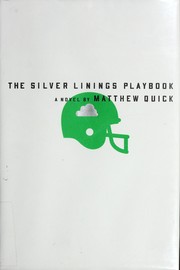
The Silver Linings Playbook
A man leaves a mental facility sure his wife waits, then dance practice and hard truths reshape him.
2,981-word summary · 13 min read
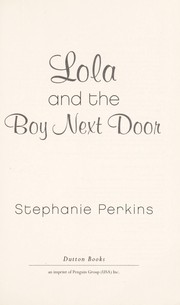
Lola and the Boy Next Door
Costume maker Lola must choose between older Max and inventor Cricket while her two dads hold home steady.
2,045-word summary · 9 min read
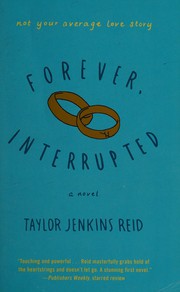
Forever, Interrupted
Elsie elopes in May, loses Ben nine days later, and learns grief beside the mother in law she never met.
2,051-word summary · 9 min read
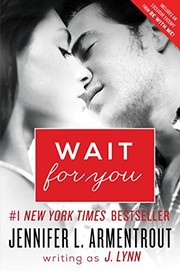
Wait for You
Avery flees Texas for college to bury her past, but patient Cam Hamilton refuses to stay a stranger.
2,866-word summary · 13 min read
The One Plus One
Broke cleaner Jess Thomas gets a lift from wealthy Ed Nicholls to take math gifted daughter Tanzie to her Olympiad, and a cramped road trip slowly turns to…
3,020-word summary · 13 min read
The Girl You Left Behind
Two women a century apart fight for what they love, joined by a portrait painted in wartime France and claimed in modern London.
2,613-word summary · 12 min read
The Rescue
Volunteer fireman Taylor finds a crashed mother and son in a storm, then falls for them both.
1,939-word summary · 9 min read
Losing Hope
Holder retells Hopeless from his side, grieving Less and searching for Hope.
2,492-word summary · 11 min read
The Friend Zone
Kristen will not risk pregnancy, Josh wants kids, and their friends only plan keeps failing.
2,039-word summary · 9 min read

Always and Forever, Lara Jean
Senior year brings college letters, distance from Peter, and a dad wedding Lara Jean helps hold together.
2,037-word summary · 9 min read
Without Merit
Merit Voss feels invisible in a crowded converted church home until Sagan, Luck, and a painful night force the truth out.
3,300-word summary · 15 min read
Things We Left Behind
Lucian Rollins returns to Knockemout to bury his father's past and collides with librarian Sloane Walton.
2,777-word summary · 12 min read
The Pact
After Emily Gold dies from a gunshot, her boyfriend Chris Harte says it was a suicide pact and faces trial for murder.
2,873-word summary · 13 min read