
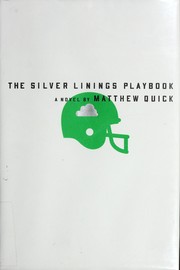
The Silver Linings Playbook
2,981-word summary 13 min read 289 pages in the book
- First published
- 2008
- Publisher
- Farrar, Straus and Giroux
- Pages
- 289
- ISBN
- 9780374264260
Reading options
What's inside (8 sections)
I first picked this one up because I had seen the movie years ago and a friend told me the book was stranger and sadder, which turned out to be true. The edition everyone talks about is the one published in 2008 by Farrar, Straus and Giroux, 289 pages, and it reads fast for that length because almost all of it is inside one guy's head. That guy is Pat Peoples Jr., in his thirties, just out of a mental health facility in Baltimore that he calls the bad place. He moves back in with his parents in Collingswood, New Jersey, and he is absolutely sure his life is about to turn around.
Coming Home Without A Timeline
Pat does not remember how long he was gone. In his mind it was a few months. In reality it was years. That gap is the whole engine of the book.
He believes he and his wife Nikki are in apart time. That is his phrase for it. They needed time apart to work on themselves, and now he is doing the work, so she will come back. He is polite about it, almost formal. He apologizes a lot. He talks about practicing being kind instead of being right, and about finding silver linings in everything.
What actually happened comes out in pieces. Pat was a history teacher. Nikki was an English teacher. They married young. One day he came home early, heard Kenny G playing, and found Nikki in the shower with another man, a colleague from the school where she taught. Pat beat that man nearly to death. He blacked out for part of it. The court sent him to the facility instead of prison, his marriage ended, and a restraining order kept him away from Nikki. He does not hold all of that in his head at the start. He remembers the shower and the music and then blank space.
Home is cramped and tense. His mom, Dolores, fusses over food and tries to keep everyone calm. His dad, Pat Sr., barely talks to him directly at first. His older brother Jake is successful, married, living nearby, and Pat looks up to him in a way that feels a little frozen in high school. There is also a family friend network around them, especially Ronnie and his wife Veronica, who invite Pat to dinner because they feel sorry for him and because they genuinely want him back in normal life.
Pat also has a therapist, Cliff Patel. Cliff is patient in a tired way. He does not argue with Pat's silver linings theory head on. He tries to get Pat to track what really happened, to notice when he is agitated, to stay on medication. Pat likes Cliff more than he admits, but he also lies to him, especially about how often he thinks about Nikki and about whether he is taking pills.
There is another patient Pat knew inside, Danny, who gets out around the same time. Danny is skinny, jumpy, funny in a sad way. He sometimes shows up at the Peoples house. He has nowhere comfortable to go. His presence reminds Pat that leaving the facility does not mean you are well. You just have different walls.
Running With A Trash Bag And Reading For Nikki
Pat builds a routine and clings to it. He runs for hours wearing a trash bag to sweat more. He does endless sit ups. He stays away from alcohol. He is trying to get his body back to what it was when Nikki loved him, and also trying to prove he can control himself.
The other project is reading. Nikki used to teach high school English, so Pat decides to read her old syllabus to connect with her. He thinks if he reads what she taught, he will understand her inner life and have something to talk about when apart time ends.
This is where the book gets specific and, to me, very believable. He reads The Catcher in the Rye and gets annoyed with Holden. He reads Huckleberry Finn and argues with the ending. He reads The Bell Jar and gets depressed. He reads Lord of the Flies and Beloved and gets genuinely angry, not in a classroom debate way but in a personal way. He wants books to end well. He thinks authors are being negative on purpose. With Beloved, he feels haunted and confused and asks why no one just helped each other more. I am paraphrasing his reaction, but that is the shape of it. He is not stupid. He is reading like someone who needs stories to promise that pain leads somewhere.
His most famous blowup, if you have heard about the book, involves A Farewell to Arms. He stays up finishing it, decides the ending is cruel, and throws the book through a window. His parents freak out. Cliff has to talk him down. Pat cannot separate fiction from his own fear that his story with Nikki will end badly. If Hemingway cannot give his characters a break, what chance does Pat have? That logic is flawed, obviously, but it makes sense for him.
I liked these chapters best on first read. They show how Pat thinks without telling you he is unreliable. He summarizes plots wrong in small ways. He skips parts. He remembers what fits his theory. You start to notice his mom exchanging looks with Cliff, and you realize they know much more than he does about how long he was gone and what Nikki is doing now.
What drags here, honestly, is repetition. The running scenes start to blur. Wake up, run, count, ice knees, run again. The therapy sessions circle the same ground. I think Quick does that on purpose to show obsession, but around the middle I found myself skimming a run or two to get back to people talking.
Tiffany Shows Up And Does Not Play Normal
Tiffany Maxwell enters at a dinner at Ronnie and Veronica's. She is Veronica's younger sister. Her husband Tommy, a police officer, died a few years earlier. After his death she went through a rough period with depression, pills, and a lot of sex she later says she is not proud of. She lost an office job. People in town talk about her. She does not soften herself to make them stop.
She is blunt to the point of rudeness. At that first dinner she barely does small talk and then offers to have sex with Pat like she is offering him a ride home. Pat says no. He is loyal to Nikki. Tiffany does not seem embarrassed. She just files it away.
Then she keeps appearing. She jogs past when he jogs. She shows up at the house. She cries suddenly and then gets angry at herself for crying. She tells Pat she knows what it is like to be medicated and stared at. She is the only person besides Cliff who talks to Pat as if his illness is a fact rather than a problem to be solved with smiles.
Tiffany has a proposal. There is a local dance competition called Dance Away Depression. She needs a partner. She used to dance. She thinks it will help her get out of her sister's house and do something with her body that is not destructive. She asks Pat. Pat says no. He does not dance. He has Nikki. He has running.
Tiffany does not give up. She understands Pat faster than most people do. She figures out that the way to him is through Nikki. She says she can deliver letters to Nikki, since Veronica still has some contact with Nikki's family. If Pat will practice with her and compete, she will be his messenger. Pat agrees, but only for that reason. He tells himself it is not a betrayal. It is strategy.
If you only know the movie, this part will feel familiar but harsher. In the book Tiffany is less polished. She swears more. She shuts down more. Her grief is raw. She talks about Tommy in fragments. Sometimes she idealizes him, sometimes she sounds angry that he left her with all this mess. Pat does not know what to do with that, because his own loss is still theoretical to him. He thinks Nikki is coming back. Tiffany knows her husband is never coming back. That difference sits between them for a long time.
Sundays Belong To The Eagles
You cannot retell this book without talking about the Philadelphia Eagles. Pat Sr. lives for them. Sundays have rules. Where you sit matters. When you speak matters. Who is in the room matters. Pat Sr. believes certain people bring luck and others ruin it.
At first Pat is kept away from the TV because his presence makes his dad nervous. Then Dolores brokers a deal. Pat can watch if he follows the rituals. Soon Pat realizes his dad thinks Pat is good luck. When Pat watches in a specific chair and does specific things, the Eagles win. When the routine breaks, they lose and Pat Sr. gets dark and quiet.
This could have been just comic relief, but it turns into the clearest picture of Pat's dad. Pat Sr. does not talk about feelings. He did not visit Pat much in the facility. Years earlier, when Pat was twenty two, they had a bad fight and Pat Sr. told him to move out. They never really repaired it. Football is the only language they share without fighting. Yelling at referees is safer than talking about the hospital.
There are scenes I remember clearly because they are small. Pat Sr. crying after a loss and pretending he has allergies. Dolores sneaking Pat extra food while the game is on so his dad will not notice and get superstitious about change. Jake calling during halftime to check the score and then checking on Pat in code. Ronnie bringing beer he knows Pat cannot drink and drinking it himself on the porch.
For readers who do not follow football, I will be honest, these chapters can feel long. Quick knows Eagles history and fan habits, the bars, the jerseys, the way a whole street goes quiet during a drive. If you care, it is perfect. If you do not, you might skim. I care a little, so I liked it, but I could see someone else getting tired around the third detailed Sunday.
The football stuff also hides something sadder. Pat Sr. gambles on games, or at least follows betting lines closely, and his mood swings with money as well as loyalty. Dolores covers for him. Pat starts to see his dad is not just strict. He is anxious and maybe depressed himself, just without a diagnosis or a Cliff to talk to. That recognition comes slowly, which felt right to me.
Practice, Letters, And Things That Do Not Add Up
Pat and Tiffany start practicing. He is stiff. She is impatient. They fight about music, about steps, about showing up on time. Practice is in a studio with mirrors that Pat hates because he looks broken to himself. Tiffany wears old dance clothes and ties her hair back and becomes a different person for an hour, focused and almost calm.
The letters start coming. Tiffany brings Pat notes she says are from Nikki. The notes are short and careful. Nikki is proud of him. Nikki needs more time. Nikki will think about seeing him after the competition. Pat carries them in his pocket. He reads them on runs. He answers them with long, earnest letters about books he has read and how his body is changing and how he will be a better husband.
Here is where I started feeling uneasy in a good way. The letters sound a little too perfect for Pat's needs. They praise exactly what he is insecure about. They promise exactly what Cliff says Nikki cannot promise while a restraining order exists. Dolores looks worried when Pat mentions them. Cliff asks careful questions about how the delivery works. Pat does not notice, or does not want to notice.
Other life keeps happening around the dance plot. Ronnie and Veronica fight about money and about whether Veronica's family helps Tiffany too much or too little. Danny drifts, sometimes funny, sometimes scary, talking about the facility like it was clearer than the outside. Pat has a setback after seeing Nikki's family at a public event, and he gets agitated and has to be talked down. He stops taking medication for a stretch because he thinks it dulls him, and everything gets louder and faster.
Tiffany and Pat grow closer without admitting it. They talk between dances about medication side effects, about people staring, about dead spouses and lost jobs. Tiffany tells stories about Tommy that do not have neat morals. Pat tells stories about teaching that end with him wondering if he was ever good at it. They laugh sometimes in a way Pat does not laugh with anyone else. He still tells himself this is all for Nikki. Tiffany lets him tell himself that, which is kinder than it sounds and also a little manipulative.
I should mention Kenny G again because it keeps coming back. Pat associates that music with the worst night of his life. Hearing it in a store or car can send him spiraling. Tiffany learns not to play certain songs. Cliff works with him on staying in the room when panic rises. These are not big dramatic scenes. They are short and physical, sweating and leaving and sitting on curbs. That felt true to me, more than any speech about healing.
The Competition And The Hard Truth
The last part moves fast. The dance competition arrives in a hotel ballroom with bad lighting and a sincere, cheesy emcee and families holding signs. Pat is terrified. Tiffany is pale and focused. Nikki is supposed to be there, or at least Pat believes she will be there. That belief is what gets him onto the floor.
They dance. They are not great. They are okay. They miss a step, recover, finish together. The crowd claps in that warm way people clap for effort. Their scores are middling. To Pat, in that moment, it feels like winning because he did something he thought he could not do and did not run away.
Nikki is in the audience. That is real. She came with friends or family, tense, polite. Pat sees her and his whole theory rushes forward. He thinks now is the reunion. He walks toward her. People freeze. Dolores grabs his arm. Ronnie steps in.
What happens next is painful and, to me, well handled. Pat learns, or finally allows himself to know, that the letters were not from Nikki. Tiffany wrote them. She invented the contact to keep him practicing and to keep him hopeful. She thought she was helping. She was also, clearly, trying to stay close to him without saying she wanted to stay close to him.
Pat feels used and humiliated. Tiffany cries and does not excuse herself much. She says she needed the dance and she thought he needed something to move toward. Cliff later frames it less as a trick and more as a desperate, wrong attempt to help, but Pat is not ready to hear that yet.
The truth about Nikki lands harder. She has moved on. There is no apart time that ends with a reunion. The divorce is real. The restraining order was real. The years he lost are real. His memory of the attack sharpens, not into a clear movie scene but into enough to understand why people were afraid of him and why Nikki stayed away. He remembers his hands, the blood, the sound. He gets sick. His mom holds him. His dad stands in the doorway and does not leave, which for Pat Sr. is a big thing.
The end does not cure anyone. Pat does not suddenly become well. Tiffany does not become easy. What shifts is smaller. Pat stops writing to Nikki as if she is waiting. He starts sitting with Tiffany on the porch or couch without a plan. He watches an Eagles game with his dad and lets the rituals be what they are, a way to be together, not magic. He keeps going to Cliff. He keeps running, but a little less frantically. The last pages suggest he and Tiffany will try, carefully, to be more than dance partners. It is hopeful but fragile. No parade.
My fair criticism is this. The reveal about the letters will bother some readers, and it bothered me a little. It takes up a lot of trust. Quick wants you to forgive Tiffany quickly because she is grieving, but Pat forgives faster than I believed. Also, the book leans hard on Pat's voice, which means Nikki never becomes a full person. She is a symbol more than a character. If you want both sides of a marriage, you will not get it here. And if you want the movie's warm comedy, adjust expectations. The movie smooths edges. The book keeps them rough. People who dislike endless sports talk or who need a steady, reliable narrator should probably skip it. People who like messy first person stories about family and fandom will have more patience.
What stayed with me was not the romance. It was the parents. Dolores trying to love two men who cannot say what they need. Pat Sr. learning, very late, to sit in the same room as his son without a game to mediate. That felt lived in, even when the dance plot felt constructed. I closed the 289 pages feeling tired in a good way, like I had spent time with someone difficult and liked him more than I expected.
FAQ
Is the book the same as the movie?
No. The movie keeps the setup but changes scenes and tone. The book stays inside Pat's head and is darker.
When was The Silver Linings Playbook published?
It was published in 2008 by Farrar, Straus and Giroux and runs 289 pages. The ISBN is 9780374264260.
Similar books

What Happened to Goodbye
Mclean has reinvented herself in four towns since her parents divorced. In Lakeview she uses her real name, and for the first time staying put becomes a choice.
2,796-word summary · 12 min read
Alone With You in the Ether
Two people in Chicago agree to six conversations, and the experiment becomes a love affair that is also a study of bipolar disorder, obsession, and the shape…
2,713-word summary · 12 min read

Sam's Letters to Jennifer
A grieving journalist reads her grandmother's letters and finds a decades-long love affair that changes how she sees her family.
2,310-word summary · 10 min read
Between Sisters
Estranged sisters Meghann and Claire reunite in Washington when Claire announces a rushed wedding, then face their mother's desertion and a medical crisis.
2,467-word summary · 11 min read

Big Swiss
A transcriptionist for a sex coach falls for one of his clients, the tall Swiss gynecologist she calls Big Swiss, in a funny novel about work and secrets.
2,523-word summary · 11 min read
How to Walk Away
Margaret Jacobsen has the job, the fiance, and the future mapped out, until a small-plane crash on Valentine's Day takes almost all of it in one afternoon.
2,012-word summary · 9 min read
Dial A for Aunties
A wedding photographer accidentally kills her blind date, and her mother and three aunties help her hide the body during the biggest wedding of their careers.
2,076-word summary · 9 min read
True Colors
Three Grey sisters split over love and duty after their father judges them.
2,596-word summary · 12 min read
The Identicals
Twin sisters swap Nantucket and Martha Vineyard lives for a summer.
2,556-word summary · 11 min read
Every Last Word
A girl with OCD finds poetry and friends who know her secrets.
2,434-word summary · 11 min read
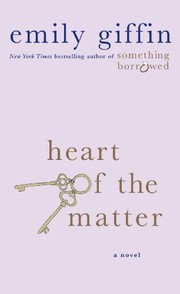
Heart of the Matter
Two Boston mothers collide after a burn injury puts a single mom in the orbit of another woman's surgeon husband.
2,585-word summary · 11 min read
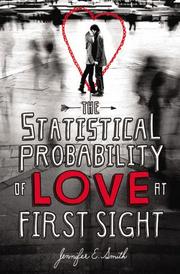
The Statistical Probability of Love at First Sight
Hadley misses a flight, meets Oliver to London, and faces her father wedding in one day.
2,002-word summary · 9 min read
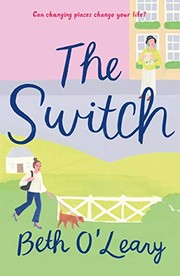
The Switch
A burned-out consultant and her 79-year-old grandmother swap London and Yorkshire homes for two months, facing grief, dating apps, and village politics.
2,782-word summary · 12 min read

The Longest Ride
A stranded widower relives his marriage while a Wake Forest student and a bull rider test new love in North Carolina.
2,488-word summary · 11 min read

The Wedding
Wilson Lewis courts his own wife again with Noah's help as daughter Anna plans her wedding.
2,076-word summary · 9 min read
Lola and the Boy Next Door
Costume maker Lola must choose between older Max and inventor Cricket while her two dads hold home steady.
2,045-word summary · 9 min read
Forever, Interrupted
Elsie elopes in May, loses Ben nine days later, and learns grief beside the mother in law she never met.
2,051-word summary · 9 min read
The One Plus One
Broke cleaner Jess Thomas gets a lift from wealthy Ed Nicholls to take math gifted daughter Tanzie to her Olympiad, and a cramped road trip slowly turns to…
3,020-word summary · 13 min read
The Girl You Left Behind
Two women a century apart fight for what they love, joined by a portrait painted in wartime France and claimed in modern London.
2,613-word summary · 12 min read
Life's Too Short
A travel YouTuber facing possible ALS takes in baby Grace and falls for Adrian, the lawyer next door.
2,913-word summary · 13 min read
Get a Life, Chloe Brown
A chronically ill woman recruits her gruff handyman neighbor to help her finish a bold Get a Life list.
2,147-word summary · 10 min read
The Rescue
Volunteer fireman Taylor finds a crashed mother and son in a storm, then falls for them both.
1,939-word summary · 9 min read
Still Me
Lou spends a year in New York working for the Gopniks, torn between Josh, distant Sam, and the life she wants.
2,939-word summary · 13 min read
The Friend Zone
Kristen will not risk pregnancy, Josh wants kids, and their friends only plan keeps failing.
2,039-word summary · 9 min read

Always and Forever, Lara Jean
Senior year brings college letters, distance from Peter, and a dad wedding Lara Jean helps hold together.
2,037-word summary · 9 min read
Without Merit
Merit Voss feels invisible in a crowded converted church home until Sagan, Luck, and a painful night force the truth out.
3,300-word summary · 15 min read
Things We Left Behind
Lucian Rollins returns to Knockemout to bury his father's past and collides with librarian Sloane Walton.
2,777-word summary · 12 min read
The Pact
After Emily Gold dies from a gunshot, her boyfriend Chris Harte says it was a suicide pact and faces trial for murder.
2,873-word summary · 13 min read
Yours Truly
Divorced ER doctor Briana Ortiz fake dates anxious newcomer Jacob Maddox, trading honest letters while her brother waits for a kidney donor.
2,475-word summary · 11 min read
The Kiss Quotient
Stella Lane hires escort Michael Phan to practice dating and learns logic fails where touch and family press in.
2,716-word summary · 12 min read