
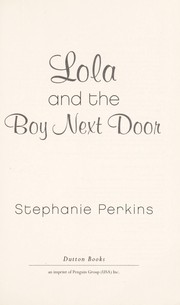
Lola and the Boy Next Door
2,045-word summary 9 min read 352 pages in the book
- First published
- 2011
- Publisher
- Dutton Books
- Pages
- 352
- ISBN
- 9780525423287
- Series
- Anna and the French Kiss (#2)
Reading options
What's inside (10 sections)
I picked up Lola and the Boy Next Door because Anna and the French Kiss left me fond of Perkins' world. Stephanie Perkins published it in 2011 with Dutton Books. My reading follows the 352 page hardcover. It is the second in the Anna and the French Kiss series, a companion rather than sequel, set in San Francisco with cameos from Anna and Etienne. Lola Nolan, costume loving teen with two dads, must choose between safe boyfriend and the Bell twins next door. It is sweet, funny, and more serious about family than its glitter cover suggests.
Lola is seventeen, junior, works at a cinema, designs outfits from wigs and thrift finds. She lives with Andy and Nathan, her two dads, who love her fiercely and worry loudly. She dates Max, twenty two, tattooed rocker with charm and a temper. Her life feels chosen and stable until Calliope and Cricket Bell move back next door. Calliope, once Lola's best friend, now a brittle figure skater. Cricket, inventor boy with kind eyes and a toolbox, who broke Lola's heart two years ago without quite meaning to.
Costume as armor and flag
Lola does not believe in fashion. She believes in costume. Marie Antoinette with a sheet gown. Egyptian queen with eyeliner. Raincoat over tutu. Each outfit announces mood. Perkins uses clothes to show growth. Early outfits hide. Later outfits reveal.
I loved the design details. Lola sews at night, sketches in margins, saves for fabric, borrows her dads' ties as sashes. Her winter dance plan, a Marie Antoinette masterpiece, drives plot the way college essays drive other YA. It is work with deadline and judgment. When she finally wears it, slightly imperfect, she feels both exposed and proud. That mix is adolescence exactly.
Max claims to love her style but wants her sexier, simpler, more available. Cricket loves the process, asks how she stitched a seam, brings her weird fasteners he invented. That contrast tells you who sees her. One wants a girlfriend who looks hot in photos. One wants a maker who talks shop. Perkins does not preach. She shows two conversations about the same dress.
Calliope weaponizes appearance differently. Thin, controlled, praised for discipline, she starves and snaps. Her costumes are uniforms for judges. Lola's pity and anger toward her feel real. They were girls who played dress up together. Now one dresses for joy, one for scores. That split hurts both.
Two dads and a birth mother
The family story surprised me with depth. Andy and Nathan are not tokens. They argue about parenting, worry about money, set curfews, embarrass Lola with pride flags and baby photos. Nathan, quieter, cooks and listens. Andy, louder, drives and confronts Max. Their love is absolute and a little anxious because they adopted Lola after hard history and fear losing her.
Lola's birth mother, Jane, drifts in and out, charming and unreliable, bringing gifts and chaos. Lola wants her and resents her. Her dads want to protect without badmouthing. Scenes where Jane misses pickups, then charms her way back, capture how kids of addicts or flighty parents learn to manage hope. Lola sets a boundary late, with help, that feels earned. She loves Jane without giving her keys.
This thread gives the romance stakes beyond swoon. Lola fears she inherited flakiness. She clings to Max because he feels adult and chosen, unlike birth chaos. She pushes Cricket because he knew her when she was needy. Learning that love can be steady, from dads who show up daily, lets her risk a better romance. That psychology is handled with care for a light book.
Perkins also shows queer family normalcy without making it issue plot. Neighbors know. School knows. Prejudice appears only in small jabs that dads deflect with humor. The focus stays on parenting, not identity debate. For 2011 YA, that matter of fact warmth was notable and still reads fresh.
Cricket, Max, and choosing well
Cricket Bell is the boy next door worth the title. Tall, awkward, brilliant with gadgets, he invents things like a self warming blanket and a better skate bearing. He broke Lola's heart at fifteen by pulling away when his family moved and his sister needed him. He returns apologetic without groveling, present without pressuring.
His courtship is acts. Fixes her sewing machine. Carries fabric. Remembers her order. Waits while she rants. When he finally says plainly that he never stopped caring, it lands because he showed it for chapters. The slow burn includes a classic almost kiss in a hallway, interrupted, that made me grin.
Max is not a cartoon villain, which I appreciated. He is talented, affectionate early, and wrong. Twenty two dating seventeen should raise flags, and Perkins lets it. He isolates Lola from friends, mocks her dads politely, pushes sex when she hesitates, sulks when she works. Lola excuses because he is older and she feels chosen. Her friends name the age gap plainly. Her dads enforce boundaries awkwardly but rightly. The breakup, when it comes after Max cheats and gaslights, is messy and relieving.
Anna and Etienne cameo as college students in San Francisco, offering advice and croissants. Fans will enjoy seeing them grown a little, still bantering. New readers can follow without book one. The cameo never hijacks. It reminds that love after high school takes work too.
What glitters and what snags
What glitters is voice, clothes, and San Francisco. Perkins writes teen dialogue that snaps without trying too hard. Lindsey, Lola's best friend, gets great lines about bras and boundaries. The Castro streets, fog, cinema smell, thrift stores, all feel walked. The dance sewing montage, with pins in mouth and music loud, is pure joy.
What snags is pacing in the middle. Lola dithers between boys for chapters, repeating arguments with Lindsey. Calliope's eating disorder thread is handled gently but briefly, more hint than exploration. Some may want more. Max's worst behavior arrives late and fast, which makes earlier tolerance look naive. Though that is realistic for teens in uneven relationships, on page it can frustrate.
The prose is bright and clean. Present tense immediacy. Short chapters. Texts and notes sprinkled. It reads fast. That speed suits romance but softens sorrow. Jane's abandonment, Calliope's hunger, Cricket's family pressure with a demanding mother, all could use more room. Perkins chooses swoon over ache, which fits series promise but leaves depth tapped rather than plumbed.
I also noted the book's handling of consent and age with care for its time. Lola says no to Max and is heard by narrative if not by him. Friends affirm. Dads intervene. Cricket asks, waits, checks. Those models matter in YA. The book does not lecture. It shows asking as attractive.
At 352 pages I read it in two afternoons, smiling at Cricket's inventions and worrying about Lola's choices. Lola starts hiding in costume and ends wearing her own design as herself, choosing a boy who asks how she made it and a family that shows up daily. That fitting, inside and out, is why the book charms past its fluff. Glitter fades. Care stitches hold.
School, work, and San Francisco texture
Perkins grounds swoon in routine. Lola works at a cinema with sticky floors, learns to run the projector, trades shifts to sew. School brings hallway politics, teachers who notice, a counselor who asks about college plans Lola dodges. Lindsey, her best friend, provides blunt counsel between classes. Their friendship, with sleepovers and fights about boys, feels as real as romance.
San Francisco itself acts as supporting character. Fog that ruins hair, hills that kill calves, thrift stores with costume gold, the Castro with rainbow flags that mirror Lola's home pride. The Bells' house next door, with workshop garage and skating posters, contrasts Lola's colorful clutter. Perkins walks these blocks lovingly. You can map crushes by bus stops.
Anna and Etienne's cameo adds continuity without homework. They are college age now, navigating long distance and work, still funny. Anna advises Lola about Paris memories and about choosing people who like your work, not just your look. Etienne charms Lola's dads with terrible jokes. Fans get a hug. New readers get mentors. Both get proof that high school love can mature if tended.
Work details also teach. Lola budgets for fabric, prices commissions, learns to say no to free labor for friends who do not value time. Cricket prices inventions, pitches to skeptical adults, fails and revises. Those money talks, rare in fluffy YA, give the book spine. Dreams cost. Makers charge.
Lindsey, Calliope, and girls around Lola
Lindsey deserves praise as friend who tells truth. She likes Max at first, then tracks his put downs, names the age gap, drives Lola home after fights. She has her own romance figments and body worries, shared briefly so she is not prop. When she and Lola fight about honesty, both say hurtful true things and apologize badly. That fight rang truer than any kiss.
Calliope, brittle and brilliant, could have been villain. Perkins gives her illness and pressure instead. A mother who counts calories aloud. Coaches who praise pain. A twin bond with Cricket that frays as he chooses Lola. Calliope lashes because she drowns. Lola's response evolves from hate to pity to boundary. She will not be punched, literally once, without consequence. She will offer help if asked. That stance models how to love difficult peers without self harm.
Jane, the birth mother, rounds the female cast. Charming, flaky, needy, she brings gifts from gas stations and promises from air. Lola wants to believe each return. Her dads want to shield without poisoning. A scene where Jane misses the dance after promising front row seats hurts precisely because Perkins stages hope. Dress pressed. Phone charged. Chair saved. Empty. Lola wears her gown anyway and walks in tall. That walk is the book's bravest moment, more than any kiss.
Together these women show different ways to perform femininity. Lindsey's blunt comfort. Calliope's disciplined starve. Jane's scattered charm. Anna's Paris polish. Lola's costume joy. None is scolded for style. All are asked to be kind and honest inside clothes. That pluralism is YA at its best.
Rereading the romance with clear eyes
On first read Cricket seems perfect. On second, his flaws show, which I liked. He avoided Lola for two years without explaining, left her to think she was unlovable. He obeys his pushy mother too long. He hides his feelings behind fixes. His growth is learning to say need plainly. I want you. I messed up. Can we try. Those sentences cost him more than any invention.
Max reads worse on reread, which is intentional. Early charm curdles into control. He love bombs, then withdraws, then blames Lola for work and friends. The age gap, five years at seventeen, means power gap in money, housing, experience. Perkins lets Lola name it late. I was too young and he liked that. That line lands hard and right. Teens in similar spots may see themselves without feeling preached at.
The final choice is not between bad and good boy. It is between performing for love and making with love. Max wants Lola as accessory to his band life. Cricket wants Lola as partner in workshop life. Both involve music and noise. One drowns her. One listens. Perkins shows the difference in scenes about her dress. Max photographs her. Cricket threads a needle while she sews. Image versus act. Choose act.
Who should knock next door
Give Lola and the Boy Next Door to YA romance readers fourteen and up who like contemporary settings, costume play, and slow burn with banter. It suits fans of Anna and the French Kiss, Rainbow Rowell, Jenny Han. Do not give it to readers who want fantasy or thriller pace. Pair it with a thrift trip. You will want to sew something after.
At 352 pages I read it in two afternoons, smiling at Cricket's inventions and worrying about Lola's choices. Lola starts hiding in costume and ends wearing her own design as herself, choosing a boy who asks how she made it and a family that shows up daily. That fitting, inside and out, is why the book charms past its fluff. Glitter fades. Care stitches hold.
FAQ
When was Lola and the Boy Next Door published?
Dutton Books published it on September 29, 2011. The hardcover runs 352 pages and the ISBN is 9780525423287.
Is it part of a series?
Yes. It is book two of Anna and the French Kiss as a companion, with Anna and Etienne in cameos and Isla next.
Who are the main characters?
Lola Nolan, seventeen, with Andy and Nathan as her two dads, Max as older boyfriend, and Cricket Bell next door.
Similar books
More from Anna and the French Kiss first, then related titles.
Anna and the French Kiss
Anna Oliphant is sent to Paris boarding school and falls for Etienne while misreading Bridget and Matt.
3,262-word summary · 14 min read
Isla and the Happily Ever After
Shy Isla Martin finally dates longtime crush Josh Wasserstein after a Manhattan summer and senior year at SOAP Paris, then learns love needs honesty to last.
2,293-word summary · 10 min read

What Happened to Goodbye
Mclean has reinvented herself in four towns since her parents divorced. In Lakeview she uses her real name, and for the first time staying put becomes a choice.
2,796-word summary · 12 min read
Always and Forever, Lara Jean
Senior year brings college letters, distance from Peter, and a dad wedding Lara Jean helps hold together.
2,037-word summary · 9 min read

Dumplin'
Willowdean Dickson enters her town's beauty pageant as a protest and discovers that confidence is harder to keep once she lets someone close.
1,922-word summary · 9 min read

The Second Summer of the Sisterhood
Four friends share the traveling pants through a summer of grandmothers, first loves, and mothers who are learning to let go.
2,209-word summary · 10 min read
On the Come Up
Bri Jackson, a sixteen-year-old rapper in Garden Heights, chases a record deal while a viral song turns her into a symbol she never wanted to be.
2,034-word summary · 9 min read

Aristotle and Dante Dive into the Waters of the World
Ari and Dante return for senior year in El Paso, navigating first love, AIDS, family grief, and the cost of being openly gay in 1987 Texas.
2,188-word summary · 10 min read

Someone Like You
Halley and her best friend Scarlett face a summer of grief, a surprise pregnancy, and Halley's dangerous first romance in Sarah Dessen's 1998 young adult novel.
2,218-word summary · 10 min read
Since You've Been Gone
Shy Emily spends summer finishing her vanished best friend Sloane list of thirteen dares, finding Frank, Dawn, and courage.
2,566-word summary · 11 min read
The Statistical Probability of Love at First Sight
Hadley misses a flight, meets Oliver to London, and faces her father wedding in one day.
2,002-word summary · 9 min read

Along for the Ride
Insomniac Auden spends a beach summer with her dad and learns biking, parties, and love from Eli.
1,938-word summary · 9 min read
Without Merit
Merit Voss feels invisible in a crowded converted church home until Sagan, Luck, and a painful night force the truth out.
3,300-word summary · 15 min read
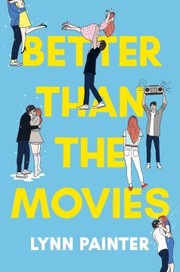
Better than the Movies
A rom com obsessed senior hires her annoying next door neighbor to win her crush, then finds real love is messier and kinder than any movie plot.
2,438-word summary · 11 min read
The Last Song
Angry teen Ronnie spends a summer in Wilmington with her pianist father, finding first love, family repair, and loss.
2,761-word summary · 12 min read
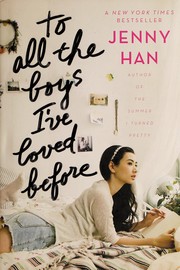
To All the Boys I've Loved Before
Lara Jean's secret love letters get mailed and she fake-dates Peter Kavinsky to dodge Josh.
3,683-word summary · 16 min read
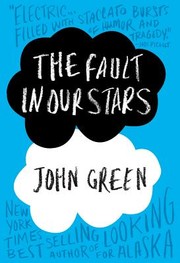
The Fault in Our Stars
John Green's The Fault in Our Stars: Hazel and Augustus in Amsterdam, the unfinished manuscript, and how the novel handles illness, humor, and dying without…
2,192-word summary · 10 min read

Sam's Letters to Jennifer
A grieving journalist reads her grandmother's letters and finds a decades-long love affair that changes how she sees her family.
2,310-word summary · 10 min read
I Kissed Shara Wheeler
Shara Wheeler kisses her rival Chloe Green at prom and disappears, leaving a scavenger hunt that forces Chloe to rethink everything she knew about her.
2,083-word summary · 9 min read
Amy & Roger's Epic Detour
Amy Curry has not driven since the crash that killed her father. With Roger at the wheel and a box of maps between them, a cross-country trip becomes a slow…
3,034-word summary · 13 min read
Between Sisters
Estranged sisters Meghann and Claire reunite in Washington when Claire announces a rushed wedding, then face their mother's desertion and a medical crisis.
2,467-word summary · 11 min read
Dash & Lily's Book of Dares
Two lonely New York teenagers trade dares in a red notebook left at the Strand, falling for each other on the page before they meet.
2,228-word summary · 10 min read
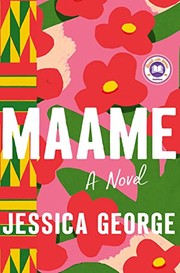
Maame
Maddie Wright, 25, has spent years as the responsible one in her Ghanaian British family, and the year she finally tries to live for herself is the year…
2,108-word summary · 9 min read
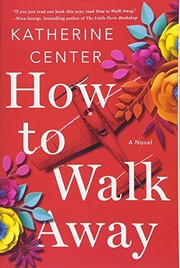
How to Walk Away
Margaret Jacobsen has the job, the fiance, and the future mapped out, until a small-plane crash on Valentine's Day takes almost all of it in one afternoon.
2,012-word summary · 9 min read
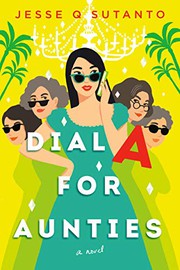
Dial A for Aunties
A wedding photographer accidentally kills her blind date, and her mother and three aunties help her hide the body during the biggest wedding of their careers.
2,076-word summary · 9 min read
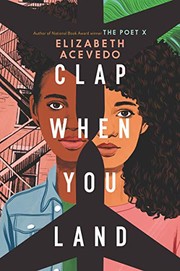
Clap When You Land
Two half sisters, one in Sosúa and one in Queens, discover each other after their father dies in a plane crash, in Elizabeth Acevedo's novel in verse.
2,890-word summary · 13 min read
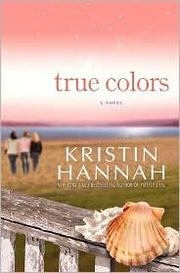
True Colors
Three Grey sisters split over love and duty after their father judges them.
2,596-word summary · 12 min read
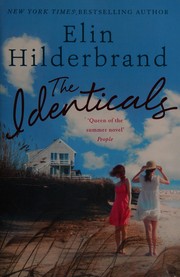
The Identicals
Twin sisters swap Nantucket and Martha Vineyard lives for a summer.
2,556-word summary · 11 min read
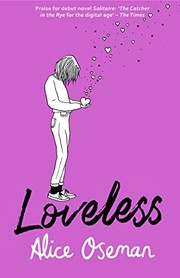
Loveless
Georgia starts university sure she wants love, then learns she is aro-ace.
2,539-word summary · 11 min read
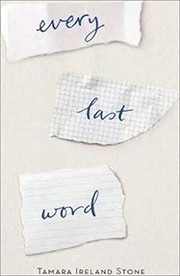
Every Last Word
A girl with OCD finds poetry and friends who know her secrets.
2,434-word summary · 11 min read