
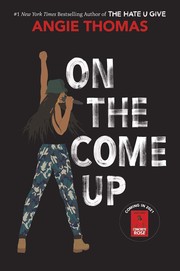
On the Come Up
2,034-word summary 9 min read 464 pages in the book
- First published
- 2019
- Publisher
- Balzer + Bray
- Pages
- 464
- ISBN
- 9780062498564
Reading options
What's inside (2 sections)
Angie Thomas wrote The Hate U Give, and that book cast a long shadow. On the Come Up, published in 2019 by Balzer + Bray, is set in the same fictional neighborhood of Garden Heights, but it is not a sequel. It is a different story with a different kind of anger. The heroine is Brianna Jackson, called Bri, a sixteen-year-old rapper who wants to be the next great voice in hip-hop. Her father, Lawless, was an underground legend before he was murdered. Her mother, Jay, is trying to keep the lights on. Her older brother, Trey, is trying to keep everyone calm. Bri is trying to make it out without losing herself, and the book follows her through one year of near misses and bad decisions.
I put off reading this one because I thought it would be a repeat of Thomas's first novel. It is not. The Hate U Give is about a girl finding her political voice after a police shooting. On the Come Up is about a girl finding her artistic voice while everyone around her tries to turn her into a product. The two books share a world and a tone, but they are asking different questions. This one is funnier, messier, and more focused on the music industry. It also has one of the best narrators in recent young adult fiction. Bri is loud, funny, defensive, and very easy to root for, even when she is making a mistake.
The book opens with Bri waiting for a call from DJ Hype, the host of a local rap battle at a club called the Ring. She is supposed to perform, and she is nervous enough to make herself sick. Her aunt Pooh, who is a member of the Garden Disciples gang, drives her to the club and gets her through the line. The bouncers call Bri "Li'l Law," which is both a compliment and a burden. Everyone remembers her father. Everyone expects her to be him. Bri wants to be herself, but she also wants to be good enough to carry his name.
The battle does not go the way she hopes. She does well, but the crowd is not there for her. Then she gets into an argument with a boy in the crowd, and the night turns sour. The next day at school, two security guards named Tate and Long single her out for a bag search. They have a reputation for targeting Black and Latinx students. When Bri objects, they throw her to the ground and handcuff her. The reason for the search is a pack of candy in her backpack. The school calls it contraband. Bri is suspended, and the guards are suspended too, but the damage is done. Rumors spread that she is a drug dealer. Her classmates start to look at her differently.
That incident is the seed of the song that changes her life. Bri writes "On the Come Up" in a fury. The lyrics are about racist authority figures, about being watched and accused, and about the violence that people expect from a girl like her. She also boasts about having a gun and being ready to use it, even though she has never held one. She records the song and plays it for Supreme, a man who used to manage her father. Supreme loves it. He releases it online, and a Black gossip blog picks it up. The song goes viral. Suddenly Bri is famous, or at least famous enough for people to have opinions about her.
The controversy is immediate. Some of Bri's friends love the song because it sounds like defiance. Aunt Pooh, Malik, and Trey all criticize it because it misrepresents her. Bri has never been in a gang. She has never shot anyone. She is rapping about a life she has not lived because she knows that is what sells. The book is smart about this. It does not pretend that the song is simply a lie or simply a truth. It is a performance, and performances have consequences. When the security guards are reinstated, students protest outside the school and chant Bri's violent lyrics. A fight breaks out. The local news blames Bri's song for inciting the violence. Jay sees the broadcast and learns about the song for the first time. She is furious, and she forbids Bri from rapping.
That conflict between Bri and Jay is the emotional center of the novel. Jay is not a villain. She is a recovering addict who lost her husband to violence, and she is terrified of losing her daughter to the same world. She works long hours, goes to school, and tries to keep the family afloat. Bri loves her mother, but she also resents her. She sees Jay's fear as a lack of faith. She wants to be trusted, and she wants to be seen as an adult. The book does not resolve that tension with a single conversation. It takes time, and both of them have to change.
Supreme is the other major influence in Bri's life. He is smooth, generous with advice, and very good at making Bri feel special. He buys her new Timberlands. He gets her studio time. He introduces her to a white record executive named James, who talks about her father as if Lawless were a cautionary tale. Supreme tells Bri that her anger is her brand. He wants her to lean into the "hood rat" image because it is marketable. He is not interested in the real Bri. He is interested in the version of her that can make him money.
The book makes this clear without turning Supreme into a cartoon. He is not a monster. He is a businessman who has learned how to sell Black pain to white audiences, and he is very good at it. Bri knows this on some level, but she also needs the money. Her family is behind on rent. The electricity is shut off. Her mother quits school so she can qualify for food stamps. The Crowns, a rival gang, rob Bri and Malik at gunpoint and take her father's gold chain. Aunt Pooh disappears for ten days and then gets arrested in a drug raid. Bri watches it happen. She is sixteen, and she is watching her family fall apart.
The pressure pushes her toward Supreme, even as she starts to see what he is doing. He arranges an interview with DJ Hype, who tries to provoke her with questions about whether her song incites violence and whether it is sexist. Bri loses her temper and walks out. Supreme congratulates her. He says she acted like a "ratchet hood rat," and that it will help her image. Bri is horrified. She realizes that Supreme is not helping her become a star. He is helping her become a stereotype. That moment is the turning point, even though it takes her a while to act on it.
The recording session is the lowest point. Supreme takes Bri to a studio and introduces her to James, who is clearly more interested in the idea of Bri than in Bri herself. Dee-Nice, another rapper signed to Supreme, has written a song for her. The lyrics are violent and sexist, and Bri hates them. She records the song anyway because she wants the deal. While she is in the booth, she sees her reflection in the glass and realizes that she has become a caged animal performing for people who do not care about her. Thomas writes that scene with real discomfort. It is not a triumphant moment. It is a moment of surrender, and Bri knows it.
The ending brings her back to the Ring. She is supposed to perform the ghostwritten song for James and Supreme. Instead, she sees a Crown in the crowd taunting her with her father's stolen chain. She throws the song away and freestyles. She raps about her self-image, about the assumptions people make, and about her determination to be her own person. She ends with the line "I'm not for sale." The crowd goes wild. James walks out. Supreme is furious. Bri is finally free.
The book does not pretend that one good performance solves everything. Bri still has to deal with her family, her mother's rules, and the fallout from the viral song. But she has made a choice. She fires Supreme, or at least she stops working with him. She moves in with her grandparents so Trey can go to graduate school. Jay allows her to keep rapping, as long as she is honest about who she is. The final chapter hints at a real career, with an invitation from a famous rapper, but it is not a fairy-tale ending. It is a beginning.
The music scenes are the best action scenes in the book. Thomas writes Bri's lyrics with a sense of rhythm, and she understands how a crowd can turn on a performer in a second. The battle at the Ring is not just a contest. It is a test of whether Bri can hold her own in a room full of people who have already decided who she is. When she freestyles at the end, the release is earned because we have watched her fail, freeze, and try again. The book also understands that rap is a form of storytelling. Bri's best lines are the ones that tell the truth about her life, not the ones that sound toughest.
The father's legacy is another thread that runs through the whole novel. Lawless died before Bri could really know him, and she has built him into a legend. She listens to his old recordings. She wears his chain. She measures herself against a man who never had to be a father. The book is smart about this. It shows that Bri's idea of her father is partly a story she tells herself, and that the real man was more complicated. The scene where she hears his voice on a record and realizes how young he was is one of the saddest in the book. It reminds her that he was a person, not a symbol, and that she does not have to live up to a myth.
What works best in On the Come Up is the voice. Bri sounds like a real teenager. She is funny, petty, insecure, and brave. Her narration is full of the rhythms of rap, and the book is at its best when she is performing or thinking about performing. Thomas also writes family scenes with real warmth. The dinner table arguments, the grandmother's criticism, the way Trey tries to mediate, all of it feels lived in. The book understands that poverty is not just a lack of money. It is a constant series of small humiliations, and it understands that the music industry is built on those humiliations.
The weaknesses are mostly structural. The middle of the novel sags under the weight of repeated setbacks. Bri gets a chance, loses it, gets another chance, loses it again. Some readers will find the cycle frustrating, even though it is realistic. A few characters, especially Malik and Sonny, feel underdeveloped compared with Bri and Jay. The romance with Curtis is sweet, but it is not given enough space to matter. And the message about authenticity can feel a little too neat at the end, as if the book is afraid to let Bri's choice have ambiguous consequences.
Still, On the Come Up is a strong second novel. It is angrier than The Hate U Give in some ways, and more hopeful in others. It takes a familiar story about a talented kid from a poor neighborhood and makes it specific. Bri does not just want to escape. She wants to be heard. The book lets her be heard, and it lets her make mistakes along the way. If you like stories about art, family, and the price of ambition, this is worth reading. It is also a good book for anyone who has ever been told that they are not the right kind of person to succeed.
FAQ
Is On the Come Up a sequel to The Hate U Give?
No. It is set in the same fictional neighborhood of Garden Heights, but it follows a new protagonist and a separate story.
What is Bri's song about?
The title song is about racist authority figures and the violence people expect from her, though Bri has never lived the life she describes in the lyrics.
Does Bri sign with Supreme?
No. She walks away from Supreme and the record executive he brings in, choosing to perform her own lyrics instead of a ghostwritten song.
Similar books

What Happened to Goodbye
Mclean has reinvented herself in four towns since her parents divorced. In Lakeview she uses her real name, and for the first time staying put becomes a choice.
2,796-word summary · 12 min read
Lola and the Boy Next Door
Costume maker Lola must choose between older Max and inventor Cricket while her two dads hold home steady.
2,045-word summary · 9 min read

Always and Forever, Lara Jean
Senior year brings college letters, distance from Peter, and a dad wedding Lara Jean helps hold together.
2,037-word summary · 9 min read
The Last Song
Angry teen Ronnie spends a summer in Wilmington with her pianist father, finding first love, family repair, and loss.
2,761-word summary · 12 min read
The Hate U Give
Starr Carter sees her friend Khalil shot by police and must choose whether to speak up.
3,309-word summary · 15 min read
Brown Girl Dreaming
Jacqueline Woodson retells her childhood in verse, moving from Ohio to South Carolina to Brooklyn while the civil rights movement reshapes the world around her.
2,727-word summary · 12 min read

Dumplin'
Willowdean Dickson enters her town's beauty pageant as a protest and discovers that confidence is harder to keep once she lets someone close.
1,922-word summary · 9 min read

The Second Summer of the Sisterhood
Four friends share the traveling pants through a summer of grandmothers, first loves, and mothers who are learning to let go.
2,209-word summary · 10 min read

Aristotle and Dante Dive into the Waters of the World
Ari and Dante return for senior year in El Paso, navigating first love, AIDS, family grief, and the cost of being openly gay in 1987 Texas.
2,188-word summary · 10 min read

Someone Like You
Halley and her best friend Scarlett face a summer of grief, a surprise pregnancy, and Halley's dangerous first romance in Sarah Dessen's 1998 young adult novel.
2,218-word summary · 10 min read
Maame
Maddie Wright, 25, has spent years as the responsible one in her Ghanaian British family, and the year she finally tries to live for herself is the year…
2,108-word summary · 9 min read
Luster
Edie, twenty-three and adrift in New York, falls into an affair with an older white archivist in an open marriage, and into the orbit of his wife and adopted…
2,049-word summary · 9 min read
Clap When You Land
Two half sisters, one in Sosúa and one in Queens, discover each other after their father dies in a plane crash, in Elizabeth Acevedo's novel in verse.
2,890-word summary · 13 min read
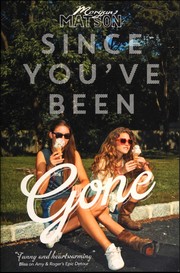
Since You've Been Gone
Shy Emily spends summer finishing her vanished best friend Sloane list of thirteen dares, finding Frank, Dawn, and courage.
2,566-word summary · 11 min read
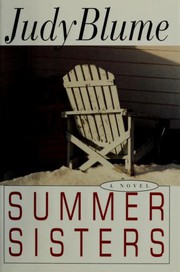
Summer Sisters
Vix and Caitlin share Martha's Vineyard summers from age twelve into adulthood, through first love, grief, marriage, and a disappearance that still haunts Vix.
3,633-word summary · 16 min read
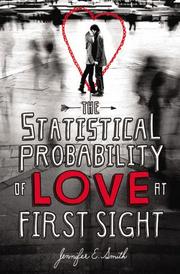
The Statistical Probability of Love at First Sight
Hadley misses a flight, meets Oliver to London, and faces her father wedding in one day.
2,002-word summary · 9 min read
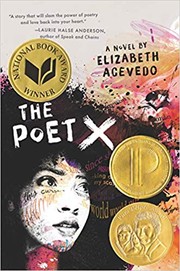
The Poet X
Harlem teen Xiomara finds voice in slam poetry against strict mother, church, and a love she must hide.
2,056-word summary · 9 min read
Life As We Knew It
Sixteen-year-old Miranda keeps a diary while an asteroid strike on the moon brings tsunamis, blackouts, and a frozen year of hunger to her Pennsylvania town.
2,485-word summary · 11 min read
Almond
Yunjae, born with alexithymia, navigates grief and friendship with troubled Gon after losing mother and grandmother.
2,088-word summary · 9 min read
I Am the Messenger
Nineteen year old Ed stops a robbery, then gets playing cards sending him to help strangers.
2,124-word summary · 9 min read

This Lullaby
Remy swears off love after watching her romance writer mom marry and split, until Dexter of the Truth Squad spends one summer proving her wrong in Sarah…
2,753-word summary · 12 min read
The DUFF
Bianca Piper hates Wesley Rush for calling her the DUFF, until a secret arrangement during her parents' divorce forces both teens to grow up.
2,323-word summary · 10 min read
Along for the Ride
Insomniac Auden spends a beach summer with her dad and learns biking, parties, and love from Eli.
1,938-word summary · 9 min read
Just Listen
After a falling out with Sophie, model Annabel stays silent until Owen, a music obsessed boy, helps her speak truth.
2,445-word summary · 11 min read
Are You There God? It's Me, Margaret
Twelve-year-old Margaret navigates puberty in New Jersey while trying to choose a religion on her own.
2,178-word summary · 10 min read
Without Merit
Merit Voss feels invisible in a crowded converted church home until Sagan, Luck, and a painful night force the truth out.
3,300-word summary · 15 min read
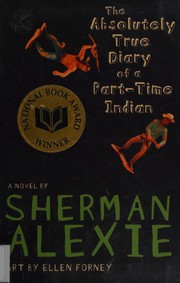
The Absolutely True Diary of a Part-Time Indian
Fourteen-year-old Junior leaves his Spokane reservation school for an all-white farm town, drawing cartoons through grief, basketball, and divided loyalty.
3,224-word summary · 14 min read
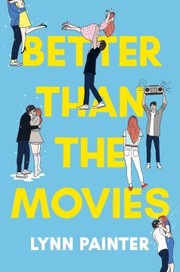
Better than the Movies
A rom com obsessed senior hires her annoying next door neighbor to win her crush, then finds real love is messier and kinder than any movie plot.
2,438-word summary · 11 min read

Anna and the French Kiss
Anna Oliphant is sent to Paris boarding school and falls for Etienne while misreading Bridget and Matt.
3,262-word summary · 14 min read
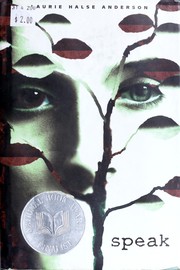
Speak
After calling police at a party, ninth grader Melinda stops speaking until art helps her tell.
2,073-word summary · 9 min read