
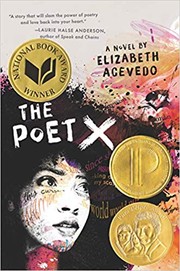
The Poet X
2,056-word summary 9 min read 361 pages in the book
- First published
- 2018
- Publisher
- HarperTeen
- Pages
- 361
- ISBN
- 9780062662804
Reading options
What's inside (7 sections)
I read The Poet X aloud in pieces because verse demands voice, and Xiomara's voice filled my kitchen. Elizabeth Acevedo's 2018 novel in verse follows a Harlem teen who writes poems she hides from a devout mother, a church that shames, and boys who stare. At 361 pages it moves fast through short poems that hit like slaps and hugs. It won the National Book Award for Young People's Literature for good reason. Few books sound this much like a girl becoming herself.
Xiomara unseen at home
Xiomara Batista is fifteen, tall, curvy, fierce with fists because words get her in trouble at home. Mother Altagracia, devout Dominican Catholic, enforces church, confirmation classes, and modesty rules that feel like armor against a neighborhood she fears. Father mends quietly in background, loving through food and silence. Twin brother Xavier, called Twin, is quiet, smart, gay and not yet out at home, and Xiomara's closest ally in a house where love comes with lectures. She writes in a notebook stashed under mattress, poems about body, boys, God, and anger she cannot say at dinner.
Home rules chafe specifically. No dating, no phones at table, Mass Sundays plus Tuesdays, skirts below knee though boys stare anyway. Xiomara obeys in body while rebelling on page. She describes period blood, first bra fittings that feel like punishment, street harassment from men who call it compliment. Mother answers with prayer and shame. Pray harder, cover more, forgive. Xiomara tries and fails to pray away questions. Why does God care more about hemlines than hands that grab. Why does church praise suffering mothers but silence daughters who suffer. Those questions, asked in poems not prayers, drive the book.
What I loved is how Acevedo writes faith without mocking believers. Altagracia is strict and also scared, working cleaning jobs to pay Catholic school that she believes saves. Her devotion grew from immigration loss and a difficult marriage she stayed in for kids. She polices Xiomara's body because she fears the world will punish it worse. That fear is rational in a neighborhood where girls are catcalled at twelve. Love expressed as control still harms, but understanding motive keeps mother human rather than villain. Readers with strict parents will recognize the ache of being protected into smallness.
School offers little refuge until English teacher Ms. Galiano notices notebook lines and invites Xiomara to slam club. Twin encourages though he hides his own secrets. Best friend Caridad drifts toward church approval to survive. The house feels crowded with silence. Poems become the room of her own she lacks. Writing under covers with flashlight is both literal and metaphor. Girls make space where none is given.
Aman, church, and body
Aman, a boy from biology class who loves music and asks before touching, softens Xiomara without saving her. He notices poems before body, though he notices body too with respectful hunger that confuses her after street stares. They talk on trains, share headphones, kiss in parks with watchful joy. Mother forbids dating as sin, forcing sneaking that makes sweet things feel stolen. When mother finds texts, punishment is swift. No club, extra prayers, shame sermon about daughters who end up pregnant and damned. Xiomara obeys outwardly while writing furiously about hypocrisy. Church praises virgin mothers while shaming teen girls for wanting. God gets blamed for rules men made.
Church scenes balance critique and longing. Xiomara loves hymns, lighting candles for grandmothers, community potlucks where aunties slip extra rice. She hates sermons that call her body temptation and her questions disobedience. Confirmation preparation becomes battleground. Memorize answers or be denied sacrament mother needs as proof of good parenting. Xiomara memorizes while writing counter creeds in margins. I believe in slam, in Twin, in Aman’s hands that ask. Faith as debate rather than submission is the book's quiet theology. Doubt is prayer with eyes open.
Body writing shines throughout without sensationalizing. Breasts that arrive early and draw stares, hips that do not fit desks, hands that learn to block and to hold a pen. Xiomara describes learning to take up space on subways by spreading bag, to answer catcalls with stare rather than smile, to run in winter to feel strong rather than watched. Mother's modesty rules, meant to protect, teach shame that makes street harassment feel deserved. Unlearning takes poems more than protests. Each verse reclaims a part named sinful as simply hers. That reclamation will matter when she finally performs with body visible and voice loud.
A fair note is that Aman, sweet as he is, gets less interiority than Twin or Mother. He functions more as gentle mirror than person with his own family pressures, which are sketched but thin. Readers seeking balanced romance may want more of his Muslim? No, his background is lightly drawn to keep focus on Xiomara. Accept the imbalance as choice to center her. This is her notebook, not his.
Slam, Twin, and performance
Slam club changes everything through craft, not magic. Ms. Galiano teaches breath, enjambment, repetition. Students workshop without mocking, snap instead of clap, compete to make each other better. Xiomara, terrified to read aloud, starts by whispering to walls, then to Twin, then to a small circle that holds silence kindly. Her first open mic poem about hands, mother's rosary versus Aman's palm, shakes but lands. Applause as benediction she never got in church. Practice becomes prayer that answers back with community.
Twin's parallel coming out adds depth without stealing focus. Xavier, called Twin to mark bond, loves boys and fears mother's God more than Xiomara fears for poems. He confides first to Xiomara in a poem exchange that is the book's tenderest sequence. Two notebooks passed under a shared bedroom wall. She guards his secret while resenting that he gets to hide while her body outs her daily. When Twin is outed by a stolen phone and mother reacts with prayer and silence, Xiomara defends fiercely though scared. Siblings as first audience and last defenders is a theme Acevedo handles with grace. They fight over bathroom time and stand together when home turns cold.
Performance plot builds to school slam and a city final Xiomara must attend against mother's ban. She sneaks with father's quiet help, a man who rarely defies wife but loves daughter enough to drive and wait outside. On stage she reads the poem about mother that is both indictment and love letter. You taught me to kneel, now watch me stand. Mother, who followed to stop her, hears from the back and leaves before end. No hug in lights. That restraint keeps the book honest. One performance does not fix years. It opens a door mother may or may not walk through later.
The final home scene earns its quiet hope. Mother finds notebook and reads fully rather than burning. She returns it with a note that admits fear and asks to listen. No apology that erases, just invitation to slam night at church basement where mothers are invited to hear daughters without correcting. Xiomara accepts though hands shake. Performing for mother, not judges, is the true final. Voice offered to the hardest audience with love intact. I cried at the smallness of it. No trophy, just a mother staying to listen past discomfort. That is revolution in a house like theirs.
Read it aloud, even if alone. Verse needs breath to land. Pair with Brown Girl Dreaming for another verse memoir in fiction, or with Clap When You Land, Acevedo's later novel, for more Dominican sister stories. At 361 pages it reads in a weekend but stays longer in throat where unsaid things live. For teens hiding notebooks, it says write anyway. For parents who fear poems, it says read before condemning. The Poet X is Xiomara's signature at the end, X for unknown solved by voice. Make your own X however you can.
Verse craft and classroom use
Acevedo's verse craft deserves note for readers who think novels in verse are easy. Short lines carry beat through enjambment that pushes breath forward. Repetition of hands, mouth, church builds motifs without heavy underline. White space does work that paragraphs would dilute. A page with three lines about mother's rosary hits harder than a chapter could. Teachers can use individual poems as mentor texts for voice, showing how line breaks control speed. Students who fear poetry as old men with beards meet a girl with hoops and notebook who writes like they talk when brave. That bridge matters for literacy more than any prize, though prizes help get books into rooms.
Classroom use needs care around content that mirrors students' lives closely. Body poems that name breasts and periods, church critiques that question faith families hold, dating scenes with kissing that strict parents forbid. Acevedo writes for teens, not about them from above, which means some schools challenge the book. Have rationales ready. National Book Award, Printz, Pura Belpre honors signal literary merit. More importantly, students who see themselves stay in school longer. A girl who reads Xiomara and writes her own X is the outcome to cite when censors call heat. Heat here is honesty about growing female in a body watched. Cool it and you lose readers who need it most.
Twin's poems inside Xiomara's notebook model allyship for brothers and friends. Xavier writes sparingly, with images of quiet rooms and held breath, showing queer boyhood in a devout home without making his story compete. His coming out, forced by theft rather than choice, is handled with care that avoids trauma porn. Mother's silence after hurts more than shouting would. Father's quiet drive to a safe friend's house helps more than speech. Those small actions teach readers how to show up when words fail in their own families. Keep the car running, make room, listen past discomfort. Allyship as logistics again, like transit and design. Show up with keys and snacks. Doctrine can catch up later if love leads.
Harlem, church bazaars, and block love
Harlem itself breathes through bodegas, trains, stoops, and church basements that hold the book together beyond home. Xiomara walks to school past murals, music from cars, aunties who comment on her body with concern and envy mixed. Those aunties both police and protect, offering food while warning about reputation. Block love is complicated in the same way family love is. Everyone knows your business and shows up when trouble hits. Acevedo, born and raised in the Bronx to Dominican parents, writes the neighborhood with insider affection that avoids poverty tourism. Beauty salons as information hubs. Laundromats as study halls. Parks as runways and battlegrounds where girls learn to navigate stares.
Church bazaars and school fairs provide set pieces where community joy and control mingle. Food sales to fund roofs, raffles for trips, teens volunteering to be seen as good. Xiomara works stalls to earn mother's approval while pocketing time with Aman behind snow cone machines. Priests praise youth in sermons that still warn girls most. Nuns sell tickets with smiles that police hemlines. These events show faith as social glue as well as doctrine. People come for belonging as much as belief. Xiomara loves the belonging and chafes at the price of silence about body and doubt. Her final performance at a church basement slam for mothers, arranged as compromise, uses that same hall for new purpose. Same room, different rules. Listen without correcting. That reuse feels more hopeful than abandoning church entirely. Reform from inside by daughters who stay to change acoustics.
Fathers on the block get nuanced sketches often missing in mother daughter stories. Xiomara's father, quiet repairman who fixes radiators and drives daughters without speeches, loves through labor that mother narrates as distance. Twin's father figures, uncles and coaches, offer mixed models of manhood from macho to gentle. Aman's father, briefly seen, worries about son's grades more than girls, allowing space that Altagracia does not. These men are not saviors. They make room in small ways that matter. A ride given, a door held, a rosary left unmentioned when daughter skips Mass to write. Presence without performance is their gift. In a book about loud poems, quiet fathers who listen teach as much as slam coaches who push to project. Volume matters less than attention. Stay in the room while she reads. That is enough to start.
FAQ
When was The Poet X published?
HarperTeen published the first edition in 2018. It runs 361 pages in verse.
Is it part of a series?
No. It is a standalone novel in verse about Xiomara Batista in Harlem.
Did it win awards?
Yes. It won the 2018 National Book Award for Young People's Literature and the Michael Printz Award.
Similar books
Clap When You Land
Two half sisters, one in Sosúa and one in Queens, discover each other after their father dies in a plane crash, in Elizabeth Acevedo's novel in verse.
2,890-word summary · 13 min read

What Happened to Goodbye
Mclean has reinvented herself in four towns since her parents divorced. In Lakeview she uses her real name, and for the first time staying put becomes a choice.
2,796-word summary · 12 min read
On the Come Up
Bri Jackson, a sixteen-year-old rapper in Garden Heights, chases a record deal while a viral song turns her into a symbol she never wanted to be.
2,034-word summary · 9 min read
The Statistical Probability of Love at First Sight
Hadley misses a flight, meets Oliver to London, and faces her father wedding in one day.
2,002-word summary · 9 min read
Long Way Down
Will rides an elevator with ghosts to decide if he will avenge his brother Shawn.
2,172-word summary · 10 min read
Lola and the Boy Next Door
Costume maker Lola must choose between older Max and inventor Cricket while her two dads hold home steady.
2,045-word summary · 9 min read

Always and Forever, Lara Jean
Senior year brings college letters, distance from Peter, and a dad wedding Lara Jean helps hold together.
2,037-word summary · 9 min read
Without Merit
Merit Voss feels invisible in a crowded converted church home until Sagan, Luck, and a painful night force the truth out.
3,300-word summary · 15 min read

To All the Boys I've Loved Before
Lara Jean's secret love letters get mailed and she fake-dates Peter Kavinsky to dodge Josh.
3,683-word summary · 16 min read
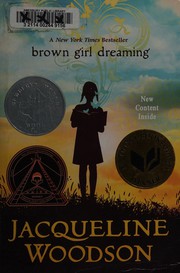
Brown Girl Dreaming
Jacqueline Woodson retells her childhood in verse, moving from Ohio to South Carolina to Brooklyn while the civil rights movement reshapes the world around her.
2,727-word summary · 12 min read
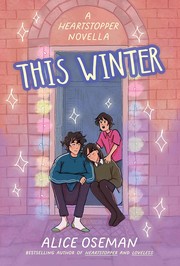
This Winter
On one difficult Christmas Day, Tori, Charlie, and Oliver Spring try to hold their family together while Charlie's eating disorder makes every tradition a test.
2,034-word summary · 9 min read

Little Earthquakes
Four Philadelphia women meet during pregnancy and discover that new motherhood is nothing like the plan, while friendship becomes the thing that holds them…
1,997-word summary · 9 min read

Dumplin'
Willowdean Dickson enters her town's beauty pageant as a protest and discovers that confidence is harder to keep once she lets someone close.
1,922-word summary · 9 min read

Ms. Marvel, Vol. 1: No Normal
Kamala Khan, a Jersey City teenager and Carol Danvers fan, gains shapeshifting powers and has to decide what kind of hero she wants to be.
2,579-word summary · 11 min read

Unaccustomed Earth
Lahiri’s second story collection follows Bengali families in America and abroad, tracing the quiet distances between parents and children, spouses, and the…
2,333-word summary · 10 min read
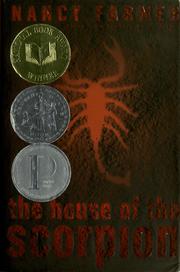
The House of the Scorpion
A clone raised in a drug lord's poppy fields learns what he was made for and chooses what to do with the life he was given.
2,527-word summary · 11 min read

Sam's Letters to Jennifer
A grieving journalist reads her grandmother's letters and finds a decades-long love affair that changes how she sees her family.
2,310-word summary · 10 min read
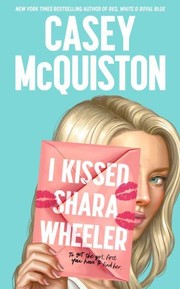
I Kissed Shara Wheeler
Shara Wheeler kisses her rival Chloe Green at prom and disappears, leaving a scavenger hunt that forces Chloe to rethink everything she knew about her.
2,083-word summary · 9 min read

Amy & Roger's Epic Detour
Amy Curry has not driven since the crash that killed her father. With Roger at the wheel and a box of maps between them, a cross-country trip becomes a slow…
3,034-word summary · 13 min read

We Are Okay
Marin fled San Francisco after her grandfather vanished and stopped answering anyone. When Mabel visits her college dorm, she has to say what happened.
2,253-word summary · 10 min read
Between Sisters
Estranged sisters Meghann and Claire reunite in Washington when Claire announces a rushed wedding, then face their mother's desertion and a medical crisis.
2,467-word summary · 11 min read

Sing You Home
A music therapist, her new wife and an evangelical ex-husband end up in court over three frozen IVF embryos.
2,952-word summary · 13 min read
Saving Noah
A seventeen-year-old swimmer confesses to molesting two girls he coached, and his mother must decide what unconditional love is worth.
2,976-word summary · 13 min read

A Spool of Blue Thread
Four generations of the Whitshank family in Baltimore, and the silences, resentments and quiet love they hand down without ever saying so.
2,408-word summary · 11 min read

The Second Summer of the Sisterhood
Four friends share the traveling pants through a summer of grandmothers, first loves, and mothers who are learning to let go.
2,209-word summary · 10 min read

Days at the Morisaki Bookshop
Heartbroken Takako moves into her uncle's tiny secondhand bookshop in Jimbocho, and the shop and its regulars slowly give her back her life.
2,011-word summary · 9 min read
Dash & Lily's Book of Dares
Two lonely New York teenagers trade dares in a red notebook left at the Strand, falling for each other on the page before they meet.
2,228-word summary · 10 min read

Aristotle and Dante Dive into the Waters of the World
Ari and Dante return for senior year in El Paso, navigating first love, AIDS, family grief, and the cost of being openly gay in 1987 Texas.
2,188-word summary · 10 min read
American Born Chinese
Three stories, a monkey king, a Chinese-American boy and a sitcom cousin, converge in a graphic novel about shame, assimilation and learning to accept yourself.
2,107-word summary · 9 min read