
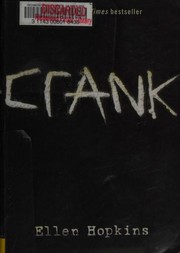
Crank
2,420-word summary 11 min read 537 pages in the book
- First published
- 2004
- Publisher
- Simon Pulse
- Pages
- 537
- ISBN
- 9780689865190
- Series
- Crank (#1)
Reading options
What's inside (8 sections)
I had heard Crank described as the book that scares parents, and I went in expecting a lecture with line breaks. What I found was stranger and harder to shake. Ellen Hopkins writes in verse, not full prose, and the pages fly by in short bursts. Some poems are a single column of jagged lines. Some split into two columns you can read down or across. It looks light on the page and reads heavy in your chest. The story follows Kristina Snow, a gifted high school junior who visits her absent father for three weeks in the summer and comes home a different person. Or rather, two people. Kristina and her bolder alter, Bree. By fall she is using meth, dealing it, and sliding toward a pregnancy she never planned. Hopkins based the book loosely on her own daughter's addiction to crystal meth, and that knowledge sits behind every scene.
Kristina starts as the kind of kid adults call easy. She gets good grades, stays quiet, lives with her mom and stepdad in Reno and follows the rules. She feels plain next to her beautiful mother and invisible next to her busy household. The court ordered visit to her father is supposed to be a duty trip. Her dad is charming in the way unreliable men are charming, all jokes and late nights and no supervision. He drinks, he smokes, he keeps odd hours. Kristina arrives nervous and a little thrilled to finally be wanted by him. Within days she meets Adam, an older boy with a tanned build and an easy smile, and through Adam she meets what the book calls the monster. Crank. Methamphetamine. The first high rewires her sense of who she is allowed to be.
A verse novel that reads like falling
The form is the first thing to talk about because it controls everything else. Hopkins does not write chapters. She writes poems with titles like Flirtin with the Monster and Just Before the Drop. Some run ten lines. Some run three pages. White space does a lot of work. A short stanza can mean a held breath. A long tumbling list can mean a rush. I read most of the book in two sittings, not because it is simple but because the shape pulls you forward. You turn the page to finish a thought and find another short poem, and then another.
This has strengths and costs. The strength is speed and feeling. A high can be rendered in twenty lines of bright images without a paragraph of explanation. A crash can be rendered in broken fragments. Hopkins also plays with concrete shapes. Certain poems form funnels or mirrors on the page. One famous trick is a poem in two columns that reads as two voices and then as one. Teen readers who bounce off dense prose often stay with this. I can see why teachers both love it and fear it. The cost is depth in places. Minor characters blur. Time jumps without warning. You sometimes realize weeks passed in the gap between poems. If you want steady scene building, this will feel thin. If you want the sensation of sliding, it works.
I should note the language is blunt. There is profanity, sex, drug detail, and later sexual assault. Hopkins does not glamorize it exactly, but she does make the early highs sound electric, which is honest to how Kristina feels. That choice bothers some adults. I think it is the only honest choice. If the drug felt bad at once, no one would take it twice. The book needs you to understand why Kristina goes back.
The summer visit that starts it
Kristina's father lives a loose life and likes to be liked by his kids. He takes Kristina to meet her half siblings, drives her around, lets her stay up. He does not ask much about school or friends. On paper he is fun. In practice he is absent even when present. The key night comes early. Kristina goes with Adam to a place where people are smoking crank. Her father is there too, and he uses with them. Read that again slowly, because the book does not soften it. A father gets high with his teenage daughter on her first night in his orbit. Kristina feels chosen rather than endangered, which tells you how hungry she was for his approval.
Adam is not a cartoon villain. He is handsome and attentive and a user himself. He tells Kristina she is beautiful. He laughs at her jokes. He offers her the pipe like a gift. The first time, she coughs and feels her heart hammer and the room sharpen. Food seems silly. Sleep seems silly. She talks for hours and feels witty and adult. Hopkins writes this as birth as much as poisoning. Bree is born here. Bree is the name Kristina gives to the part of herself that says yes. Kristina follows rules. Bree wants. It is a neat split and a little too neat, but as a picture of how teens try on identities it rings true. Plenty of kids have a school self and a night self. Meth just turns the volume to a scream.
There is also a scary beat that first night that the book refuses to tidy up. Kristina wanders into a bad area while high and is nearly raped. Adam's girlfriend tries to kill herself the same night. These events should be flashing red lights. Instead Kristina files them as drama that happened around her high, not because of it. Her dad shrugs. Adam soothes her. She goes back for more. I found this section painful in a way that felt intentional. You want to reach in and shake her. You also remember being seventeen and mistaking attention for safety.
Bree takes the wheel
Back in Reno, Kristina tries to keep the summer separate. She hugs her mom, unpacks, tells edited stories. It does not hold. She has Adam's number. She has the memory of feeling brilliant and thin and wanted. Meth kills appetite, and Kristina likes losing weight. It kills shyness, and she likes being bold. Soon she is calling dealers, learning terms, weighing crystals, cleaning pipes. Bree starts making choices Kristina would not. Bree flirts with two boys at once. Bree talks back to her mother. Bree skips homework that Kristina once loved.
Hopkins is good on the logistics of addiction. Money runs short, so Kristina steals from family. Time runs short, so she lies about where she was. Old friends notice she smells chemical and talks too fast and disappears for days. She drops them before they can drop her. School slips. A gifted junior who wrote careful essays now turns in blank pages or frantic ones. Her mother grounds her, yells, cries, searches her room. Her stepdad tries rules and then distance. None of it lands because Kristina hears concern as control. Every fight becomes proof she needs to escape, and escape means more crank.
The romance thread doubles here. Kristina dates Adam at a distance and also falls for Brendan, a local boy who uses and deals. Both relationships are tangled with supply. Love and access blur. She tells herself she loves them. What she loves, at least partly, is that they always have the monster in their pocket. Sex enters the story in this stretch, first as thrill and then as trade. Hopkins writes it plainly without lingering. I was glad she did not turn it into erotica. It reads as cold even when Kristina claims it is hot, which tells you Bree is editing the memory in real time.
The monster gets a supply chain
By the middle of the book Kristina has moved past use into selling. Brendan connects her to higher sellers, including men tied to a Mexican drug ring. The book does not dwell on cartel politics. It shows what a teen sees. Older men with cash and guns who call her baby and test her nerve. Runs at night. Fronted bags she must pay back. A scale on her desk next to textbooks. The shift from user to dealer matters because it changes her risk. Users get sick. Dealers get hurt. Kristina starts carrying fear alongside the high, and the high thins as tolerance builds. She needs more to feel less.
This is where Hopkins piles on events fast, and where I started to feel both gripped and wary. Kristina is raped at a party while high, an attack the book presents starkly. She keeps using after. She drives impaired. She watches friends overdose and cross lines she once swore she would not. Her grades collapse. She steals more boldly. She lies to counselors. If this sounds like a lot, it is. Hopkins wants the fall to feel like an avalanche, one bad choice loosening the next. As a portrait of how fast meth can wreck a bright kid, it is vivid. As plotting, it can feel stacked. Every chapter adds a new harm. I kept thinking about real teens reading this and wondering which parts they will believe. The drug detail feels researched. The run of disasters feels shaped to warn.
The dealing scenes are the strongest part of this stretch for me. Hopkins knows the small humiliations. Counting out grams with shaking hands. Smiling at a buyer you despise. Owing money to men who do not accept excuses. Kristina tells herself she is good at this, a businesswoman, independent. The poems undercut her with images of dirt and rot and empty cupboards. Her body thins. Her teeth ache. Her skin picks itself. She stops eating real meals. The line I kept hearing was one Hopkins repeats in varied forms. The monster gives and then denies everything it gave. Food, sleep, warmth, sense. It is simple and it sticks.
Falling fast and hurting people
The last third is grim on purpose. Kristina loses the people who might have steadied her. Old friends cut her off. Her mother swings between rage and grief. Her stepfather pulls back to protect the younger kids. Adam fades. Brendan turns rough. New so called friends use her apartment, her car, her body, and leave messes she must explain. She gets pregnant, and the book handles this without sentiment. She is not sure of the father. She considers options with a flat affect that scared me more than tears would have. Hopkins, who lived near this story through her daughter, does not write Kristina as ennobled by motherhood. She writes her as a seventeen year old who can barely feed herself now facing a baby.
There are scenes here that will divide readers. Kristina continues to use while pregnant, lies to doctors, runs away, comes back. She loves the baby in flashes and resents it in others. Some readers will find this unforgivable and close the book. I found it the most honest part. Addiction does not pause for a positive test. Hopkins refuses the easy arc where a baby cures the mother. The final pages push toward birth and a fragile pause rather than recovery. Kristina names her son Hunter. She holds him and feels love and fear together. The monster waits outside the hospital doors, patient. The book ends without promising she will stay clean. That lack of promise is the point, and it hurts.
I want to praise Hopkins for not making the adults simple. Kristina's mom is strict and loving and exhausted, sometimes wrong in tone but right in fear. Her dad drifts in and out with apologies that cost him nothing. Counselors and teachers appear briefly, well meaning and outmatched. No single adult could have stopped this once the drug took hold, which undercuts the fantasy that one good lecture fixes addiction. The book also shows how Kristina hurts others without seeing it. She steals from her mother, endangers her siblings by bringing dealers near home, uses friends as cover. Bree calls this freedom. The poems let you see the bill coming due.
What lands and where it strains
So who is this for, and does it earn its place on shelves after twenty years. I think it earns it, with caveats. For teen readers, especially those who find prose novels slow, Crank offers a fast, frank tour of how meth takes over a life. The verse form lowers the barrier. The voice feels peer rather than parent. Many former users have said Hopkins got the cravings and the lies right, the way time bends, the way you swear this is the last time while planning the next. As prevention, that rings louder than statistics. As story, Kristina's split into Bree gives young readers a handle for talking about peer pressure and identity without jargon.
The strains are real too. Hopkins is on a mission, and you feel it. Every high is followed fast by a cost, every cost by a worse one, until the lesson risks drowning the person. Critics who call it didactic have a case. Real addiction often includes long dull stretches, failed quits, boring relapses. Crank compresses all that into a steep slide because it needs to fit a school year and a page count. Some characters exist only to deliver harm. The Mexican mafia men, the party rapists, the cold nurses. They are types more than people. And Bree as a device can feel too clean, as if naming the dark side explains it. I wished for more scenes where Kristina is simply bored or sad without the monster present, so the drug would read as escape from something specific rather than evil with a schedule.
Still, I would hand this to the right teen with a conversation attached, not as a secret gift. It is harrowing by design. It contains rape, dealing, overdose, and teen pregnancy, all in verse that makes them hit faster. Sensitive readers should pace themselves. Adults should read it first if they plan to assign it. Pair it with real help lines and honest talk about treatment, because the book shows the fall far better than the climb out. The sequels Glass and Fallout follow Kristina and her kids further, and they darken the picture. Start here. Read slowly when the poems get short, because short often means worst. When you close it, you will understand why this book gets challenged and also why it gets kept. It speaks in a voice many troubled kids trust, and it does not look away from what the monster charges.
FAQ
What does verse novel mean in Crank?
It is a novel in verse told in short poems, some shaped on the page, which makes the rush and crash of meth use feel fast and physical.
Who is Bree?
She splits off a bold alter called Bree who says yes to risks Kristina would refuse. The split shows how addiction borrows identity.
Is Crank based on a true story?
Ellen Hopkins has said the book draws loosely on her older daughter's addiction to crystal meth. She wrote it from the daughter's point of view to understand the choices.
Similar books
More from Crank first, then related titles.
Clap When You Land
Two half sisters, one in Sosúa and one in Queens, discover each other after their father dies in a plane crash, in Elizabeth Acevedo's novel in verse.
2,890-word summary · 13 min read
The Poet X
Harlem teen Xiomara finds voice in slam poetry against strict mother, church, and a love she must hide.
2,056-word summary · 9 min read
Long Way Down
Will rides an elevator with ghosts to decide if he will avenge his brother Shawn.
2,172-word summary · 10 min read

What Happened to Goodbye
Mclean has reinvented herself in four towns since her parents divorced. In Lakeview she uses her real name, and for the first time staying put becomes a choice.
2,796-word summary · 12 min read
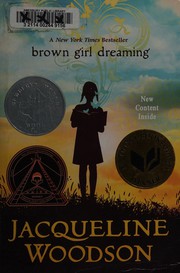
Brown Girl Dreaming
Jacqueline Woodson retells her childhood in verse, moving from Ohio to South Carolina to Brooklyn while the civil rights movement reshapes the world around her.
2,727-word summary · 12 min read
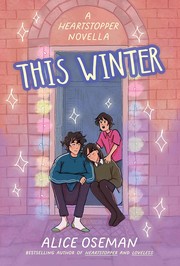
This Winter
On one difficult Christmas Day, Tori, Charlie, and Oliver Spring try to hold their family together while Charlie's eating disorder makes every tradition a test.
2,034-word summary · 9 min read

We Are Okay
Marin fled San Francisco after her grandfather vanished and stopped answering anyone. When Mabel visits her college dorm, she has to say what happened.
2,253-word summary · 10 min read
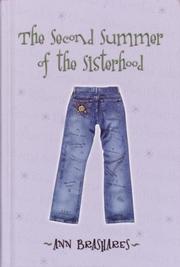
The Second Summer of the Sisterhood
Four friends share the traveling pants through a summer of grandmothers, first loves, and mothers who are learning to let go.
2,209-word summary · 10 min read
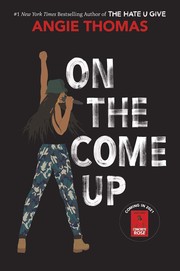
On the Come Up
Bri Jackson, a sixteen-year-old rapper in Garden Heights, chases a record deal while a viral song turns her into a symbol she never wanted to be.
2,034-word summary · 9 min read

Aristotle and Dante Dive into the Waters of the World
Ari and Dante return for senior year in El Paso, navigating first love, AIDS, family grief, and the cost of being openly gay in 1987 Texas.
2,188-word summary · 10 min read

Someone Like You
Halley and her best friend Scarlett face a summer of grief, a surprise pregnancy, and Halley's dangerous first romance in Sarah Dessen's 1998 young adult novel.
2,218-word summary · 10 min read
A Scanner Darkly
Undercover narc Fred is ordered to surveil a drug user named Bob Arctor in near-future Orange County, not realizing the man on the screen is himself.
2,251-word summary · 10 min read
The Reappearance of Rachel Price
Bel films a doc when her missing mother walks back after years.
2,254-word summary · 10 min read
Wintergirls
After her ex-best friend dies, eighteen year old Lia fights anorexia, guilt and a ghost while her family tries to pull her back.
2,740-word summary · 12 min read
The Statistical Probability of Love at First Sight
Hadley misses a flight, meets Oliver to London, and faces her father wedding in one day.
2,002-word summary · 9 min read
The Cousins
Three cousins work at their rich grandmother island resort while digging into why their parents were cut off.
2,565-word summary · 11 min read
Open
Tennis star Andre Agassi recalls hating tennis, falling to No. 141, and rebuilding his life on his own terms.
2,352-word summary · 10 min read
Life As We Knew It
Sixteen-year-old Miranda keeps a diary while an asteroid strike on the moon brings tsunamis, blackouts, and a frozen year of hunger to her Pennsylvania town.
2,485-word summary · 11 min read
Among the Hidden
Twelve-year-old Luke, an illegal third child, befriends Jen and faces the cost of stepping out of hiding.
2,923-word summary · 13 min read
A Wind in the Door
Meg must save Charles Wallace from a cosmic sickness by naming and loving what she fears, helped by a cherubim called Progo.
2,214-word summary · 10 min read
Lock and Key
Abandoned Ruby moves in with her sister and learns to trust Nate and Cora.
2,407-word summary · 11 min read
Two Can Keep a Secret
Twins new to Echo Ridge dig into aunt's murder as homecoming threats return.
2,078-word summary · 9 min read
This Girl
Honeymoon retelling as Will recalls first love, classroom ban, loss, fights, and vows that stick.
2,526-word summary · 11 min read
Shuggie Bain
Sweet Shuggie loves his alcoholic mother Agnes through 1980s Glasgow poverty and pride.
2,081-word summary · 9 min read
My Life Next Door
A senator's daughter climbs down to the loud family next door and stays.
2,038-word summary · 9 min read
Lola and the Boy Next Door
Costume maker Lola must choose between older Max and inventor Cricket while her two dads hold home steady.
2,045-word summary · 9 min read
Falling Up
Poems about falling up, messes that win and tender goodbyes in between.
2,055-word summary · 9 min read
Trainspotting
Renton and his Leith mates cycle through heroin, detox, scams and football in Welsh's Scots voiced Edinburgh portrait.
3,476-word summary · 15 min read

This Lullaby
Remy swears off love after watching her romance writer mom marry and split, until Dexter of the Truth Squad spends one summer proving her wrong in Sarah…
2,753-word summary · 12 min read