
Reading options
What's inside (7 sections)
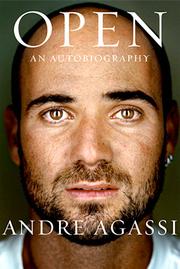
I picked up Open because a friend who does not even watch tennis told me it was the best sports memoir he had ever read. That sounded like hype. Then I learned the first line is close to "I hate tennis," and I had to see how a guy with eight Grand Slam titles and an Olympic gold medal could start there and mean it. Andre Agassi published the book in 2009 with Knopf, a 385 page first edition written with J. R. Moehringer, and it covers his life from a Las Vegas childhood to his goodbye at the US Open in 2006. I read it in three sittings, mostly late at night, and I kept thinking about fathers and sons more than forehands.
Agassi was born in 1970 in Las Vegas. His father, Mike Agassi, an Iranian Armenian immigrant and former Olympic boxer, decided before Andre could walk that one of his kids would become a tennis star. Mike strung a kind of tennis boot camp in the backyard. He rigged a ball machine he called the dragon, cranked up the speed, and had Andre hit thousands of balls after school. Neighbors remember the thump going on and on. Andre writes about sore arms, school skipped for practice, and older siblings Rita, Phillip, and Tami each taking a turn as the hope before the job fell to him. His mother Betty comes across as warm and tired, trying to soften a house run on drills and shouting.
What stuck with me was how clearly he remembers hating the lonely parts early. He liked hitting clean, he liked the pop of the strings, but he hated being alone on court with everyone watching his mistakes. He hated the pressure to win for his father. He hated moving around juniors events as a kid with a haircut his dad chose and a temper he had not learned to hide. Mike would drive him to tournaments around Nevada and California, argue with officials, push for more practice in motel parking lots. It reads funny in spots and rough in others. You laugh at the homemade contraptions, then you feel bad for a ten year old who dreads weekends.
At thirteen they send him to Nick Bollettieri academy in Florida. That chapter felt like military school with palm trees. Kids live in dorms, drill all day, play violent practice sets, get ranked on a board, and learn to trash talk. Agassi arrives as a rebel without much polish. He grows his hair out, wears denim shorts and neon, listens to loud music, skips classes, sneaks off site. Bollettieri loves the talent and hates the attitude. Trainers yell. Other kids target him because beating the showoff means something. He gets better fast anyway. His hand eye coordination is freakish, his return of serve starts to scare older boys, and by sixteen he turns pro in 1986.
Hair, denim and early fame
The early pro years are wild to revisit. Agassi admits he cared as much about looks and ads as results at first. Nike dresses him like a punk rocker. Canon cameras, watches, cars. He wears a hairpiece to cover thinning hair and panics about it coming off on court, including during the 1990 French Open final against Andres Gomez, which he loses. He writes about that final with real shame. He wanted to look cool more than he wanted to grind, and guys like Ivan Lendl and later Pete Sampras punished him for it.
Lendl especially bothered him. Cold, fit, humorless in Agassi telling, a guy who practiced like a monk and blew him off court. Agassi loses early Slam finals, the 1990 French and 1990 US Open against Sampras, and starts to believe the whispers that he is style over substance. Then Wimbledon 1992 flips it. Nobody expects him on grass. He hates the place at first, the white clothes rule, the quiet crowd, the bad bounces. He goes anyway, survives tough five set matches, beats John McEnroe in a semifinal full of tension, then beats Goran Ivanisevic in the final. First Slam. He cries. His dad cries. For a minute the whole project seems worth it.
After that the wins come in bursts. US Open 1994 against Michael Stich, playing fearless tennis after a rough patch. Australian Open 1995 against Sampras, a match he describes point by point because beating Pete on a hard court meant he could be No. 1. He gets there in April 1995. The ranking, the money, the fame, the girlfriend in Brooke Shields, it all looks perfect from outside. Inside he says he felt empty. He still dreaded practice. He still felt owned by tennis. The hair fell out for real, the joints ached, and losing to Sampras at the 1995 US Open final after a long winning streak broke something in him.
I liked how honest he is about jealousy here. Sampras is the opposite in his telling. Quiet, simple, loved by locker room, armed with a serve nobody can read and a calm that never cracks. Agassi wants what Sampras has and hates wanting it. He copies parts of Sampras training, then quits. He changes rackets, changes coaches, changes hotels to avoid seeing draws. Fame makes it worse. Fans grab him in malls. Reporters ask about his marriage more than his backhand. He starts to skip training days and nobody calls him on it because he is Andre.
The fall to No. 141
The middle of the book is hard to read, which is why people trust it. After 1995 he slides. He loses early a lot in 1996 and 1997. His wrist hurts. His back stiffens. He stops running. His ranking collapses to No. 141 in late 1997. He admits he used crystal meth with a friend, failed an ATP drug test, then wrote a letter full of lies about accidentally drinking a spiked soda. The ATP bought it and threw out the case. He writes now that the lie ate at him for years, more than the drug itself. That admission caused a storm when the book came out, and he does not dodge it. He says he was lost, angry, and looking for any door out of tennis.
His marriage to Brooke Shields falls apart in this stretch. He writes about her with a mix of love and confusion. She is smart, driven, famous on her own, with a strict mother and a totally different work rhythm. He is on tour, moody, suspicious, often injured. They marry in 1997 and divorce in 1999. He does not blame her for the tennis slide, which I respected. He says he was not ready to be a husband because he was still a kid arguing with his father in his head. The scenes at home are quiet and sad. Room service trays, missed calls, two people reading different scripts.
Two men pull him back from the edge. Gil Reyes, his trainer and later closest friend, a former basketball player with a blunt way of talking, refuses to let him quit workouts. Gil makes him run desert hills, lift until his legs shake, eat clean, sleep regular. No speeches, just show up tomorrow. And Darren Cahill, then later Brad Gilbert, coaches who tell him the truth about his game. Gilbert especially, the guy who wrote Winning Ugly, teaches him to stop chasing perfect winners and build points like a street fighter. Shorter backswing on return, more margin over net, attack second serves, grind until the other guy blinks. It sounds basic. For Agassi it was freedom, because toughness now counted more than style.
Steffi, Brad and the long climb back
Steffi Graf enters the story like fresh air. He had a crush on her for years from afar. She is private, precise, funny in a dry way, dealing with her own father scandal and injuries and the grind of the women's tour. He pursues her awkwardly, with long phone calls and notes, while both are still tied to other people. When they finally get together in 1999 and marry in 2001, the tone of the book changes. He sleeps better. He practices with a point. Graf understands tennis pressure without needing it explained, and she does not care about his image. Their kids, Jaden and Jaz, arrive later and reorder everything. He starts to say he plays to provide, not to prove.
The tennis comeback is the fun part if you like match detail. In 1998 he grinds Challengers, those small events in parking lot towns, to rebuild ranking points. He wins five titles that year. In 1999 he wins the French Open against Andrei Medvedev after dropping the first two sets, sliding in the red dirt, cramping, talking to himself between points, then storming back. That title completes his career Grand Slam, all four majors, plus his 1996 Olympic gold in Atlanta where he beat Sergi Bruguera. Only a handful of men have done that. He follows it with the US Open in 1999 over Todd Martin in five, then Australian Opens in 2000, 2001, and 2003. Eight Slams total. Back to No. 1. Oldest No. 1 in ranking history at that point at 33.
Agassi is good at explaining why he won again without making it sound like magic. Better fitness with Gil meant he could stand close to baseline for three hours. Gilbert plans gave him patterns. Graf gave him calm. Age gave him patience. He stopped smashing rackets every match. He started thanking ball kids. He still hated practice some mornings, he says so plainly, but he no longer hated himself for playing. The rivalry with Sampras cools into respect. They meet in huge matches, the 2000 Australian semifinal, the 2001 US Open quarterfinal that goes four tiebreaks with no breaks of serve, the 2002 US Open final. Sampras usually wins the biggest ones, and Agassi admits Pete had the higher gear. That modesty felt earned, not posed.
Back pain, a school and a goodbye
The last third deals with a body breaking down. His back has a condition where one vertebra slips, plus sciatica that shoots down his leg. He gets injections, sleeps on floors, needs help putting on socks some mornings. He keeps playing through 2004 to 2006 because he loves the locker room in a way he never expected and because his charity work gives the winning a point. In 2001 he founded the Andre Agassi College Preparatory Academy in West Las Vegas, a public charter school for at risk kids. He raises huge sums, visits classes, memorizes names, cries at graduations. Those pages are earnest and a little repetitious, but I believed him. A kid who felt used by adults wants to build a place where kids get choices.
Retirement comes at the US Open in 2006. He is 36, ranked outside the top seeds, back held together by treatments. He wins two gutsy matches, then loses to Benjamin Becker in four sets. His farewell speech on court is short. Thank you, tears, sorry for hating tennis so long. Fans who once mocked his hair now chant his name. He goes home to Graf and the kids and Gil and says he finally feels free to love the sport from the stands.
So who should read it. Tennis fans will eat the match chapters and the locker room portraits of McEnroe, Connors, Chang, Courier, Muster, Kuerten, Hewitt, Federer as a young genius who makes Agassi feel old. Non fans can still follow because he explains tactics simply and keeps the focus on family, work, and marriage. Fair knocks. The middle repeats. Practice, party, fight, lose, apologize. Some opponents blur into one big server. Shields gets less space than Graf, which makes sense given where he ended up but leaves questions. The prose sometimes leans on short punchy paragraphs for drama, and Moehringer polish shows in places where every scene ends on a button. I did not mind. The voice stays warm and specific, full of Las Vegas diners, bad motel carpets, training hills at dawn, and the weird silence before a fifth set.
What stayed with me was not the trophies. It was the shift from playing to please his father to playing to fund a school and be a steady husband. He never claims tennis made him good. He claims work and love steadied him enough to use tennis well. For a memoir by a celebrity athlete, that is unusually plain. No secret method, no pep talk. Show up, tell the truth about the drug test, call your dad and set limits, marry someone who sees through you, build something that lasts longer than a ranking. I closed it liking him more than I expected, and thinking about that dragon machine still firing balls in an empty yard long after the kid went inside.
Why this one lasts
A quick note on the edition I used, since facts matter. First US edition was Alfred A. Knopf, New York, November 2009, with 385 pages of main text plus photos. That is the Knopf hardcover with ISBN 9780307268198. Later paperback and ebook editions run around 400 pages because of different type and added material. Year stays 2009 everywhere because that is first publication. Publisher is sometimes listed as Knopf Doubleday or Vintage for later printings, but Knopf is the original house to cite.
If you only know Agassi as the wig guy or the Brooke Shields husband or the pickleball commercial grandpa, this fills in the gaps without asking you to worship him. It is blunt about drugs, money, vanity, and laziness. It is tender about Graf, Gil, his kids, and his mother. It lets his father be both villain and victim, a man who hurt his son trying to save him from poverty. That balance is why the book topped lists and still gets passed around locker rooms. I went in for tennis stories. I came out thinking about how long it takes to stop living someone else plan and start your own, even when you are the best in the world at the plan.
FAQ
Is Open only for tennis fans?
No. Match chapters reward fans, but the core is family pressure, marriage, addiction, and work, told in plain terms. Non players can follow every tactic he explains.
What did Agassi admit about drugs and the ATP test?
He writes he used crystal meth in 1997, failed a test, and sent a false letter claiming accidental ingestion. The ATP dropped the case, and he says the lie weighed on him for years.
Who actually wrote Open?
Cover credit is Andre Agassi, with J. R. Moehringer as collaborator. It was published November 9, 2009 by Knopf, 385 pages in the first hardcover edition.
Similar books

Long Walk to Freedom
Mandela's account of a Thembu childhood, a law practice, a banned movement, twenty-seven years in prison, and the negotiation that ended apartheid.
2,454-word summary · 11 min read
Too Much and Never Enough: How My Family Created the World's Most Dangerous Man
Mary L. Trump's 2020 memoir traces how a cold, zero-sum Queens household shaped her uncle, and uses family tax documents to challenge his self-made story.
2,059-word summary · 9 min read

Infidel
Ayaan Hirsi Ali's memoir of a Somali childhood, a forced marriage, a Dutch asylum claim, and the political fight that followed the murder of Theo van Gogh.
2,041-word summary · 9 min read
The Girl with Seven Names: A North Korean Defector's Story
Hyeonseo Lee crossed the frozen Yalu River at seventeen, spent years hidden in China, escaped to South Korea, and later returned to rescue her family.
2,404-word summary · 11 min read
Beautiful Boy: A Father's Journey Through His Son's Addiction
David Sheff recounts watching his son Nic slide into meth addiction, and his own desperate, humbling search for how to help without destroying them both.
2,076-word summary · 9 min read
The Magnolia Story
How Chip and Joanna Gaines met, closed their first shop, nearly lost everything in a housing development, and built Fixer Upper.
2,994-word summary · 13 min read
Life
The Rolling Stones guitarist tells his own story: a Dartford childhood, the band's first gigs, the drug raids, the tax years and Patti Hansen.
2,761-word summary · 12 min read
Dry
A memoir of drinking, rehab and relapse, and the strange business of getting sober one morning at a time.
2,643-word summary · 12 min read
The Blind Side: Evolution of a Game
Michael Lewis traces how the left tackle became a premium position and tells the story of Michael Oher, a homeless Memphis teenager whose size and speed made…
2,038-word summary · 9 min read
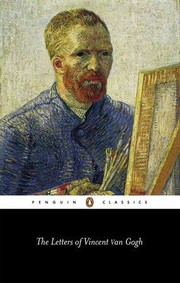
The Letters of Vincent van Gogh
Vincent van Gogh's letters to his brother Theo, in a Penguin Classics selection edited by Ronald de Leeuw, trace a decade of work, faith, and obsession.
2,611-word summary · 12 min read
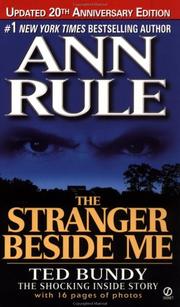
The Stranger Beside Me
Ann Rule's classic memoir of her friendship with Ted Bundy, written by the true-crime author who knew him long before the world learned what he had done.
2,481-word summary · 11 min read
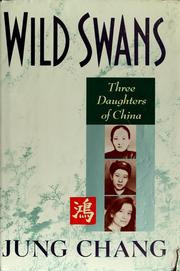
Wild Swans
Three generations of women survive warlords, revolution, and the Cultural Revolution in Jung Chang's family memoir.
2,356-word summary · 10 min read
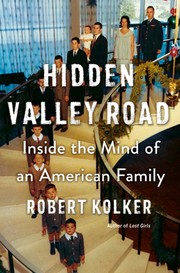
Hidden Valley Road: Inside the Mind of an American Family
The Galvin family raises twelve children while six sons develop schizophrenia across decades of shifting science.
2,492-word summary · 11 min read
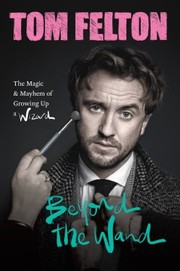
Beyond the Wand: The Magic and Mayhem of Growing Up a Wizard
Tom Felton looks back on ten years as Draco Malfoy, from schoolboy auditions to fame, music, and getting sober.
2,267-word summary · 10 min read
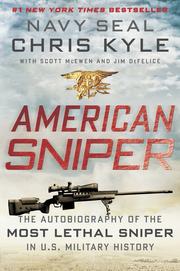
American Sniper: The Autobiography of the Most Lethal Sniper in U.S. Military History
Navy SEAL sniper Chris Kyle recounts Texas roots, SEAL training, four Iraq tours, and the strain combat placed on his marriage and health.
2,011-word summary · 9 min read
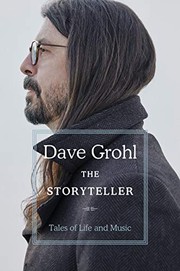
The Storyteller: Tales of Life and Music
Foo Fighters frontman recalls Nirvana, drumming, fatherhood, and life on the road.
2,307-word summary · 10 min read
Finding Me
Viola Davis traces her path from poverty in Rhode Island to Oscar night with blunt honesty about race and family.
2,823-word summary · 13 min read
Calypso
Sedaris buys a Carolina beach house, grieves his sister Tiffany, tends his aging father, and turns illness and marriage into dry family comedy.
2,835-word summary · 13 min read
Half Broke Horses
Jeannette Walls tells her grandmother Lily Casey Smith's frontier life, from a Texas dugout to teaching at fifteen and ranching in Arizona.
2,580-word summary · 11 min read
Naked
Growing up odd in Carolina, working bad jobs, and learning to watch people closely and kindly.
2,020-word summary · 9 min read
The Autobiography of Malcolm X
Malcolm X traces his life from Michigan childhood through Harlem, prison, and the Nation of Islam to Mecca in this 1965 memoir told to Alex Haley.
2,816-word summary · 13 min read
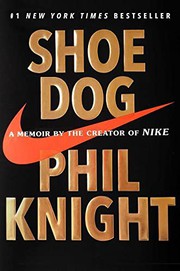
Shoe Dog
Phil Knight tells how Blue Ribbon Sports grew from a trunk of Japanese running shoes into Nike.
2,824-word summary · 13 min read
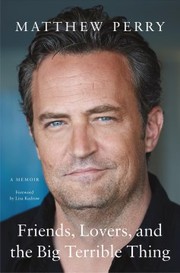
Friends, Lovers, and the Big Terrible Thing
Matthew Perry revisits Friends fame and a long struggle with addiction, from junior tennis to Chandler Bing to a 2018 health crisis, with blunt humor.
2,258-word summary · 10 min read
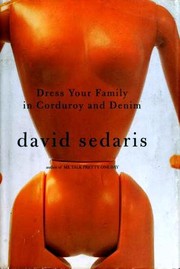
Dress Your Family in Corduroy and Denim
Sedaris on snow days, rental houses, Dutch Christmas, and the family that made him funny.
3,098-word summary · 14 min read
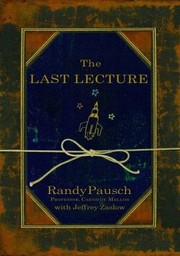
The Last Lecture
Dying professor Pausch lectures really achieving childhood dreams.
2,579-word summary · 11 min read
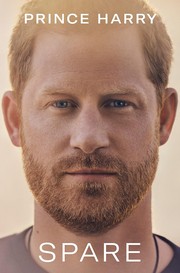
Spare
Prince Harry recalls Diana's death in 1997, two tours in Afghanistan, and stepping back from royal life with Meghan in this frank 2023 memoir of grief, love…
2,586-word summary · 11 min read
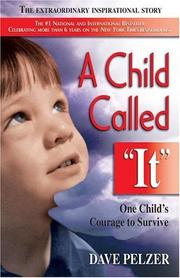
A Child Called It
Dave survives his mother games of hunger and cold in Daly City until teachers and foster care step in.
2,326-word summary · 10 min read
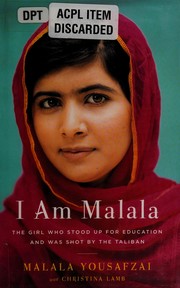
I Am Malala: The Story of the Girl Who Stood Up for Education and Was Shot by the Taliban
Malala grows up in Swat, blogged for school under ban, and survives a bus shooting.
2,015-word summary · 9 min read
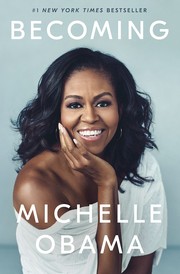
Becoming
Michelle Obama traces her path from South Side Chicago through Princeton, Harvard law and the White House years in this warm, candid memoir of family, work and…
2,143-word summary · 10 min read
The Glass Castle
Jeannette Walls's memoir of a childhood spent hungry and moving, from a stove fire at three to a Bronx apartment and parents on the street.
2,255-word summary · 10 min read