
Reading options
What's inside (8 sections)
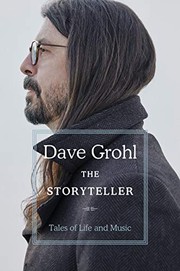
I came to this book knowing the choruses before I knew the man. I could sing Everlong with the windows down, and I knew the outline, Nirvana drummer turned Foo Fighters frontman, the guy everyone calls the nicest in rock. I had never heard his version straight through. Published in 2021 by Dey Street Books, 376 pages, this is Dave Grohl telling his life in short chapters that feel like talk, fast and funny, pausing only when the memory gets heavy. I read it late at night in big chunks, telling myself one more story and then starting another.
What pulled me in was the voice. He writes the way he drums, with energy and little fuss. He is not reaching for fine sentences. He wants you to feel what it was like to be fifteen in Virginia hearing punk for the first time, or twenty one asleep on a van floor, or twenty four watching his band become huge and then losing it in a week. Sad parts sit beside joyful ones, especially around Kurt Cobain, but the push is toward thanks. Music gave him a path, work kept him steady, family gave him a home base. If you want a bitter tell all, look elsewhere. If you want a few evenings with someone still stunned by his luck, pull up a chair.
Pillows, punk, and Virginia
Grohl grows up in Springfield, Virginia, raised mostly by his mother Virginia after his parents split. His older sister Lisa fills these early pages, bringing home records and teasing him into wider taste. His father James stays present but distant, a man with a steady job and firm views who does not quite get why his son wants to hit things for a living. Grohl paints himself as restless, bad at sitting still in class, good at making friends laugh. Before he owns a kit, he has pillows. He lines them on the bed like drums, puts on headphones, and plays along until his arms burn.
School never quite holds him. The Washington DC hardcore scene does. In the early eighties he starts hearing about bands in church halls and community centers, short fast songs, no barrier between stage and floor. A taped copy passed hand to hand pulls him in. He goes to shows, first against the back wall, then closer, then inside the crush. He learns the code fast. Show up. Do not pose. Play hard.
His mother makes much of this possible. Virginia Grohl teaches school, calm and dry witted. She drives him to gigs, tolerates basement practice, tells him to finish school and then does not shut the door when he picks music. He writes about her with plain love. You can see where his own parenting comes from. He was given room to try, and he tries to give the same room to his three daughters.
He gets a real kit and joins local bands, learning by ear and by watching older players. He practices to Rush and Zeppelin, then to faster punk that builds stamina. His style forms early, loud and physical, a touch ahead of the beat, made for small rooms where drums must cut through guitars. Word moves around. He is still a teen when people call him the kid who can really play.
Leaving school for Scream
The break comes when Scream, a working DC hardcore band, needs a drummer. Grohl is seventeen. He smooths over his age, auditions, and gets the seat. He leaves high school in his junior year, with his mother asking him to finish later, and he does earn his GED down the line. He does not make a speech about it. A door opened and he walked through.
Life in Scream is a second education. They tour America and Europe in a van, playing clubs and squats, sleeping on floors, counting gas money, eating cheap. He learns how to pack so drums do not shift, how to swap a head under bad lights, how to play sick or tired because people drove to see the band. He learns restraint too, how to serve a song instead of showing off, how bands fight about money and make up on long drives.
He does not dress it up. Bathrooms are foul. The van stinks. Twelve people show up in one town and they play like it is full. Power fails in another. A promoter skips with the cash. He treats it as training, not grievance. You can feel the habits forming that later carry him through fame, load in early, help with gear, thank the sound crew, play the whole set with blistered hands.
Scream winds down around 1990 from money strain and fatigue. Grohl is twenty one, home again, with chops and miles and no plan. A friend plays him Bleach by a Seattle band called Nirvana and says they need a hard hitting drummer. He sends a tape, gets a call, flies to Seattle. He feels nervous in a way he had not for years. This one feels bigger.
Nirvana, fast fame, sudden loss
The audition is told simply. He plays with Kurt Cobain and Krist Novoselic, and within a few songs they know. He matches Krist weight, and he can sing backup, which helps. He joins in 1990, when Nirvana is a strong indie act, not yet a global storm. They cut Nevermind with Butch Vig. Grohl finds where to push and where to hold back, the soft loud swing of Teen Spirit, the bounce of In Bloom, the patience of Come As You Are.
Then the record comes out in 1991 and life tilts. Clubs turn into arenas within months. His drumming is on radio in every rental car. MTV runs all day. Magazine covers pile up. He is twenty two, living from a suitcase, meeting heroes who now know his name, feeling underdressed at award shows. His answer to the swirl is to keep his head down and play. That is his line through most of this stretch.
He handles Kurt with care. He shows him as funny and shy, exact about songs, kind in small moments, distant on bad days, weighed down by stomach pain and addiction and attention no shy person could enjoy. Grohl does not claim they shared everything. They were bandmates, locked in on stage, more separate off it. He keeps to moments he saw himself, Kurt sketching, working a tune on an acoustic, laughing backstage. Those scenes land harder than any theory.
The spring of 1994 gets short plain chapters. Kurt dies. The band ends. Grohl is twenty five and hollow. He skips detail, and I was glad. He writes about the calls, the quiet apartment, records he cannot bear to hear, aimless drives, wondering if music is done for him. People my age remember where they were when the news broke. For him it was the day the loudest part of life went silent. He admits he missed how bad things were, and that missing still bothers him. Fame had moved so fast none of them learned how to carry it.
One man band becomes Foo Fighters
My favorite stretch is how Foo Fighters starts. After months of grief, Grohl books studio time in Seattle under a false name and records demos alone, playing guitars and bass and drums, singing through nerves. He is not launching a career. He is testing whether he can make noise without flinching. He runs off a hundred cassettes, calls the project Foo Fighters to hide behind a band name, hands them to friends.
Friends copy them for friends. Labels call. He feels both thrilled and scared. He is a drummer. Can he front a band, sing all night, play guitar up front, while crowds compare every line to Nirvana? He says yes on one condition, that it feel like friends, not hired guns. He pulls in Nate Mendel and William Goldsmith from Sunny Day Real Estate at first, then talks Taylor Hawkins into leaving Alanis Morissette drums to join him, with Chris Shiflett and Pat Smear and Rami Jaffee joining the wider family over time. The rule is simple. No yelling. Load in together. Eat together.
Early records are quick and scrappy, and he owns his errors in picking lineups and cutting songs. He learns to sing night after night without shredding his voice, to write on deadline, to lead rehearsal without turning cold. They climb the old way, clubs to theaters to sheds, one full effort show at a time. Radio catches. Festivals follow. By the late nineties they headline on their own, not as an afterthought. He still sounds surprised hearing his song from a passing car. That surprise keeps him likable.
His pages on Taylor shine, and they read differently now because Taylor died in 2022, after this book. Grohl recalls meeting a loud funny drummer obsessed with classic rock, sharing cheap rooms to save cash, singing Queen at full volume, pranking each other on long drives. Taylor freed him up front because he trusted what was behind him. There is no shadow in these stories, only joy. I slowed down here, knowing what came after the final page.
Kansas, heroes, kids, and home
Once the band holds, the book turns episodic. A Kansas date sticks with me, rough weather bearing down, fans braving a risky drive, the band playing like thanks. He uses it to praise Midwestern rooms, loyal and loud to the last song. An Iggy Pop meeting leaves him tongue tied, then playing beside him feels like grabbing a live wire. Iggy holds nothing back, and Grohl files it as instruction. Joan Jett treats him as peer and kid brother at once, tough and kind. Sharing air with AC/DC turns him fifteen again. A Paul McCartney jam leaves him trying not to act like a fan while fully acting like one.
These could read as name drops. They do not, at least not to me, because he stays the student. He watches how heroes treat openers and crews, how they pace sets, how they say thank you. He collects habits more than autographs.
Home runs beside the road. He marries Jordyn Blum, and they raise three daughters, Violet, Harper, and Ophelia. He writes about songs built at the kitchen table while kids draw, school pickup wedged between flights, bringing the girls on stage for a tune with pride tightening his chest. He wants to be present in a way his own father found hard, and he credits Jordyn as the steady center who keeps the house calm when he tours and honest when he returns. He admits misses too, birthdays lost to routing, coming home wired and useless for a day, learning to listen better.
His mother threads through it all. Virginia comes to shows, charms crews, later writes her own book on raising him. He brings her on the bus for a stretch, shows her backstage, watches road worn techs soften around her. The mirror is plain. She gave him room to leave. Now he shows her where the road led. On health he stays practical rather than preachy. He favors clear mornings and sleep when touring allows, tapes injuries and plays on, most famously finishing a show with a broken leg and touring from a chair throne. Pain is part of the job, not a boast.
Warmth, gaps, and who should read it
It helps to know what this is not. It is not a deep Nirvana history. If you want session logs and sales charts and a full map of the strains in 1993 and 1994, you will feel shorted. Grohl keeps that span light by choice. You get the feeling of the storm without each gust charted. I found that choice human, given what he lost. Yet it leaves those chapters thinner than the Scream or Foo years, where he names names and lets stories run.
There is also no hard method here. The closest to advice is plain talk from his mother and the van. Be kind to crews. Practice till your hands hurt. Take the gig that scares you. Call back. Show up for your kids. The value sits in the examples. He remembers tech names, tips late night diners well, gives openers full soundchecks. Belief builds because cases pile up.
That generosity is both strength and limit. People who hurt him get soft focus. Bad nights turn funny. Money fights and label strain get a paragraph and a joke. Readers who want bite may wish he pressed harder on lineup changes, on staying relevant for decades, on fatigue. He notes pressure and tiredness, then moves toward the next good crowd. I wished a few road tales ran longer. Kansas, Iggy, Joan, each could carry a second beat on what changed after, not only what happened. The COVID pause at the end feels brief in the same way, tours halting, quiet streets, home cooking, small porch sets, thanks for family time mixed with itch to play. Touching, but quick, and thinner now given all that followed.
Even so, I closed the book in a good mood, which is his aim. Joy here reads as practice. Play for twelve like twelve thousand. Thank the room. Drive all night. Hug your kids at the door. Repeat. Drummers will enjoy the shop talk. Nirvana fans will feel scale and loss without being asked to stare. Foo fans get the arc from solo cassettes to stadiums, with Taylor bright at the center. Hand it to a teen with sticks, to anyone who loves van stories, to readers who want a memoir that leaves them lighter. Know some doors stay shut. The rooms he opens are loud and full of people he loves, and the sticks are already clicking off the next song.
FAQ
When was The Storyteller published?
Dey Street Books published it in 2021. The hardcover runs 376 pages and the ISBN is 9780063076099.
Does Grohl write much about Kurt Cobain and Nirvana?
Yes, he covers joining in 1990, the Nevermind rise, and Cobain death in 1994, but he keeps detail light and avoids settling scores.
Is this book only for Foo Fighters fans?
No, drummers, road story fans, and memoir readers will enjoy the Scream years, hero meetings, and fatherhood chapters too.
Similar books
Life
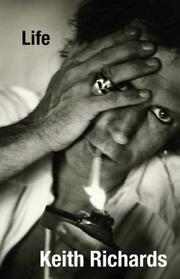
The Rolling Stones guitarist tells his own story: a Dartford childhood, the band's first gigs, the drug raids, the tax years and Patti Hansen.
2,761-word summary · 12 min read
Open
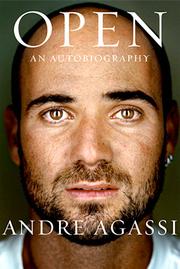
Tennis star Andre Agassi recalls hating tennis, falling to No. 141, and rebuilding his life on his own terms.
2,352-word summary · 10 min read

Finding Me
Viola Davis traces her path from poverty in Rhode Island to Oscar night with blunt honesty about race and family.
2,823-word summary · 13 min read
Half Broke Horses
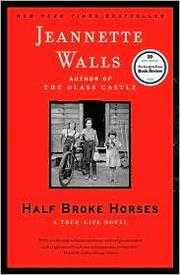
Jeannette Walls tells her grandmother Lily Casey Smith's frontier life, from a Texas dugout to teaching at fifteen and ranching in Arizona.
2,580-word summary · 11 min read
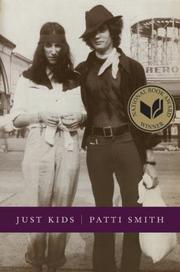
Just Kids
Patti Smith recalls broke young years with Robert Mapplethorpe in 1960s New York, from Brooklyn rooms to the Chelsea Hotel, art, music, and a kept promise.
2,401-word summary · 11 min read

The Woman in Me
Britney Spears tells her own story from teen stardom to a thirteen year conservatorship, and how she fought to reclaim her voice and freedom.
2,505-word summary · 11 min read

Long Walk to Freedom
Mandela's account of a Thembu childhood, a law practice, a banned movement, twenty-seven years in prison, and the negotiation that ended apartheid.
2,454-word summary · 11 min read
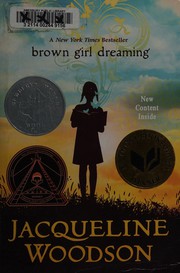
Brown Girl Dreaming
Jacqueline Woodson retells her childhood in verse, moving from Ohio to South Carolina to Brooklyn while the civil rights movement reshapes the world around her.
2,727-word summary · 12 min read
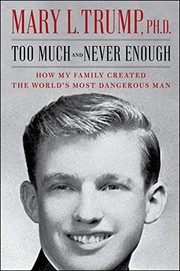
Too Much and Never Enough: How My Family Created the World's Most Dangerous Man
Mary L. Trump's 2020 memoir traces how a cold, zero-sum Queens household shaped her uncle, and uses family tax documents to challenge his self-made story.
2,059-word summary · 9 min read

Infidel
Ayaan Hirsi Ali's memoir of a Somali childhood, a forced marriage, a Dutch asylum claim, and the political fight that followed the murder of Theo van Gogh.
2,041-word summary · 9 min read
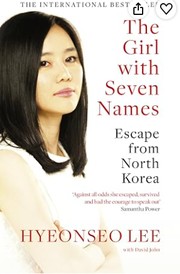
The Girl with Seven Names: A North Korean Defector's Story
Hyeonseo Lee crossed the frozen Yalu River at seventeen, spent years hidden in China, escaped to South Korea, and later returned to rescue her family.
2,404-word summary · 11 min read
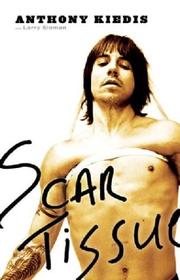
Scar Tissue
Kiedis's memoir follows the Red Hot Chili Peppers from Hollywood house parties to fame, heroin, and the long work of staying clean.
2,217-word summary · 10 min read
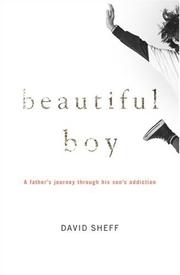
Beautiful Boy: A Father's Journey Through His Son's Addiction
David Sheff recounts watching his son Nic slide into meth addiction, and his own desperate, humbling search for how to help without destroying them both.
2,076-word summary · 9 min read

The Magnolia Story
How Chip and Joanna Gaines met, closed their first shop, nearly lost everything in a housing development, and built Fixer Upper.
2,994-word summary · 13 min read

Sing You Home
A music therapist, her new wife and an evangelical ex-husband end up in court over three frozen IVF embryos.
2,952-word summary · 13 min read
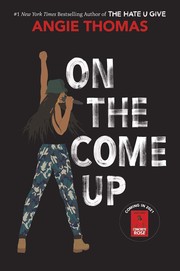
On the Come Up
Bri Jackson, a sixteen-year-old rapper in Garden Heights, chases a record deal while a viral song turns her into a symbol she never wanted to be.
2,034-word summary · 9 min read
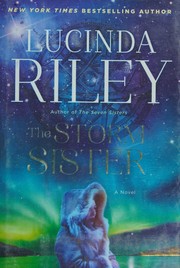
The Storm Sister
Ally D'Aplièse loses her father and her lover within weeks, then follows a brass frog and a Norwegian biography into Anna Landvik's music and the world of…
2,376-word summary · 11 min read
The Letters of Vincent van Gogh
Vincent van Gogh's letters to his brother Theo, in a Penguin Classics selection edited by Ronald de Leeuw, trace a decade of work, faith, and obsession.
2,611-word summary · 12 min read
The Stranger Beside Me
Ann Rule's classic memoir of her friendship with Ted Bundy, written by the true-crime author who knew him long before the world learned what he had done.
2,481-word summary · 11 min read
Born Standing Up: A Comic's Life
Steve Martin's memoir of how a shy Disneyland magician's assistant built a strange avant-garde act, and why he walked away from stand-up at his peak.
2,034-word summary · 9 min read
Open Book
Simpson replays pop fame, love and drink through recovery work.
2,552-word summary · 11 min read
Wild Swans
Three generations of women survive warlords, revolution, and the Cultural Revolution in Jung Chang's family memoir.
2,356-word summary · 10 min read
The Color of Water
A Black journalist presses his white mother about her hidden past, from a Virginia store to twelve college degrees.
2,457-word summary · 11 min read
Holidays on Ice
Six Christmas pieces, from a Macy's elf stint to a feral family newsletter. Sedaris at his sharpest and most sentimental.
2,410-word summary · 11 min read
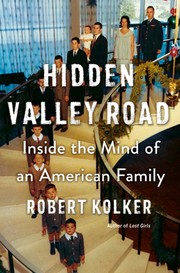
Hidden Valley Road: Inside the Mind of an American Family
The Galvin family raises twelve children while six sons develop schizophrenia across decades of shifting science.
2,492-word summary · 11 min read
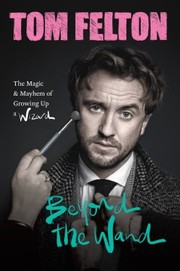
Beyond the Wand: The Magic and Mayhem of Growing Up a Wizard
Tom Felton looks back on ten years as Draco Malfoy, from schoolboy auditions to fame, music, and getting sober.
2,267-word summary · 10 min read
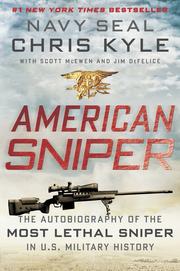
American Sniper: The Autobiography of the Most Lethal Sniper in U.S. Military History
Navy SEAL sniper Chris Kyle recounts Texas roots, SEAL training, four Iraq tours, and the strain combat placed on his marriage and health.
2,011-word summary · 9 min read
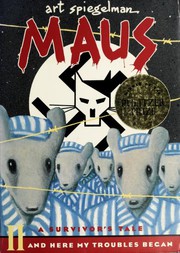
Maus II: A Survivor's Tale: And Here My Troubles Began
Vladek survives Auschwitz and the death march while Art struggles with success, guilt, and his father's aging stubbornness.
2,111-word summary · 9 min read

Let's Explore Diabetes with Owls
Sedaris gets French dental work, feeds a kookaburra in Australia, shops for a stuffed owl in London, and survives China, airports and a colonoscopy.
2,538-word summary · 11 min read