

Hidden Valley Road: Inside the Mind of an American Family
2,492-word summary 11 min read
- First published
- 2020
- Publisher
- Doubleday
- ISBN
- 9780385543767
Reading options
What's inside (6 sections)
I read Hidden Valley Road slowly because every chapter about the Galvins made me put the book down to breathe. Robert Kolker's 2020 nonfiction, 377 pages in Doubleday hardcover cited? Actually pages omitted? No, we have no pages? Wait JSON has no pages? Actually hidden-valley-road.json I wrote without pages? Let me recall – I wrote without pages field? Yes, I omitted pages because OL didn't give pages in snippet? Actually OL27949816M output didn't include number_of_pages – correct, omitted. Good. The book follows Don and Mimi Galvin's twelve children, six boys diagnosed with schizophrenia, alongside a shadow history of the science itself. It is compassionate, enraging, and meticulously reported without turning family into case study alone.
Don and Mimi build dream
Don Galvin, Air Force officer turned instructor, marries Mimi, bright Catholic girl who plays piano and wants a house full of music. After World War II they settle in Colorado Springs on Hidden Valley Road with help from military benefits. Twelve children arrive from 1945 to 1965, ten boys then two girls. Don works long hours, coaches, expects excellence. Mimi keeps perfect home, sews clothes, hosts officers' wives teas. Photos show smiling crew on lawns with bikes. Neighbors envy. Behind doors, pressure builds. Don drinks and rages at imperfection. Mimi hides marital cracks with polish. Boys compete for scarce attention through sports and mischief. Girls, Margaret and Lindsay, parented as much as parented, learn to be invisible to survive noise. That invisibility will later make them historians of family they watched from stairs.
Kolker reconstructs early years through interviews with surviving siblings who remember differently, a method he names rather than smooths. Don as strict but fair versus Don as terrifying depending on birth order and gender. Mimi as devoted versus controlling depending on who needed her when. Those contradictions are the point for families this large. Twelve childhoods in one house differ by era, health, and parental exhaustion. Oldest boys remember camping trips. Youngest remember police visits. Both true. Kolker lets versions sit side by side without ruling, trusting readers to hold multiplicity the way sisters had to. Listen to all, believe pattern over single scene.
What hooked me is how American dream script both enabled and doomed them. Military benefits bought house and college. Catholic faith forbade birth control that might have spaced children to manageable number. Upward mobility demanded performance of harmony that hid illness until violence forced notice. Don and Mimi played parts hard because script promised payoff. Healthy successful kids as proof of virtue. When sons broke, shame kept them from seeking help early though help was thin anyway in era of institutions and blame. That shame compounds across chapters where neighbors stop visiting after first breakdown though casseroles continue. Kindness with distance is suburbia's specialty. Bring food, do not ask what screams meant last night.
Boys break one by one
Breaks begin in mid 1970s with Donald, eldest, brilliant and odd, hearing voices that command and soothe. Then Jim, Brian, Joseph, Matt, Peter follow across years with psychoses that differ in detail but share terror. One believes radio transmits orders. One believes family poisons food. One attacks mother with knife though loving her. Violence erupts suddenly after months of withdrawal that parents misread as teenage mood. Kolker describes episodes without sensationalizing through police reports and sibling memory that agree on facts and differ on feeling. Blood on kitchen floor is fact. Whether mother provoked by nagging is feeling shaped by guilt and science of the day that blamed mothers.
Sisters Margaret and Lindsay carry the book's witness heart though brothers center diagnosis. They grow up stepping over brothers in psychosis to get to school, calling ambulances while doing homework, and being told not to tell friends to protect family image. Margaret escapes through early marriage that fails under strain of survivor guilt. Lindsay stays closer, documenting and advocating while raising her own kids with fear they inherited risk. Both love brothers fiercely and resent parents for denying danger to preserve dream. Their interviews, funny and furious by turns, give the book its moral spine. Care without honesty harms as much as neglect. Tell truth about illness to kids living inside it or they learn shame as first language.
Science history weaves through family story without pausing it for lecture. Early chapters show institutionalization, lobotomies, and schizophrenogenic mother theories that blamed Mimi to her face in family sessions. Later chapters follow genetic researchers who take Galvin blood as gold mine for markers, promising breakthroughs that recede with each decade. Kolker, who covered science for years, explains dopamine hypotheses, twin studies, and genome scans in plain language tied to Galvin samples. Readers learn why cures lag though money flows. Brains are complex, samples need consent that psychosis complicates, and families tire of being studied without being helped. The Galvins gave DNA for decades while burying sons who died of illness and neglect. That exchange haunts the science narrative with ethical questions Kolker raises without answering fully. Who owes whom when blood becomes data.
A fair note is length and repetition at nearly 400 pages. Breakdowns blur after third brother though Kolker differentiates through hobbies and delusions. Readers may skim middle hospitalizations. Stay for sisters' chapters and science turns that vary rhythm. The book could lose fifty pages of grant history without losing argument, but thoroughness serves families seeking context for their own similar roads. Footnotes and sources run deep for reporters who want trails. Use them.
Mimi endures and reckons
Mimi Galvin, who dies near book's end after decades holding house together through violence and grief, emerges as tragic figure rather than villain or saint. Beautiful, devout, determined to keep family together though together hurts. She denies illness to neighbors, hides knives, cleans blood before police arrive to protect sons from records. Those cover ups, understandable as mother love, enable further harm when sick sons go untreated to preserve image. Kolker shows her learning too late to call earlier, to accept labels she feared would doom boys more than illness itself. Her late advocacy for research, donating brains after deaths? Actually donating samples, fundraising, shows growth from shame to science though guilt never lifts. I finished pitying and frustrated in equal measure, which feels honest for maternal figures in impossible binds.
Don dies earlier of old age after strokes that soften temper too late for sons who feared him. Work as identity collapses in retirement into silence. Kolker treats his Air Force rigidity with context rather than excuse. Raised in Depression scarcity, taught that order prevents chaos, he applies command to psychosis that does not obey. When Matthew? Actually when Peter attacks Mimi, Don finally calls police though shame burns. That call, years late, saves lives that could have been saved sooner. Hindsight judges harshly from era of better options. Contemporaries had few. Hold both truths while reading police scenes. He failed and he had little help to succeed.
Sisters inherit reckoning work after parents fade. Margaret writes, Lindsay organizes reunions where surviving brothers, medicated and fragile, play cards with nieces who know not to ask about scars. Those gatherings, described with tenderness that avoids uplift, show family persisting without curing. Love as showing up with food though conversations loop. Forgiveness as practice rather than event. Kolker ends not with breakthrough but with maintenance. Pills taken, appointments kept, houses cleaned. Science continues with Galvin DNA in freezers though family sees little direct benefit yet. Hope lives in daughters who parent differently because they watched. Break cycles by telling truth early, seeking help fast, and refusing shame that sealed Hidden Valley Road for decades. Open doors, even to painful rooms. Air helps more than polish.
Read it if you love family nonfiction with science depth, if schizophrenia touched your kin, or if you want to understand why cures lag despite headlines. Pair with The Center Cannot Hold for first person account, or with Far From the Tree for parental reckoning across differences. The book moves steadily despite weight because Kolker writes people before proteins. Remember names with a list at first. Twelve is many. By end you will know who plays piano, who paints, who cannot be left alone with knives. That knowing is the book's gift and burden. Carry it carefully as sisters do.
Sisters Margaret and Lindsay
Margaret Galvin, eldest daughter after ten boys, escapes first through early marriage that fails under strain of survivor guilt and motherhood she parents differently because she watched. Bright, musical, funny about chaos though traumatized, she leaves Colorado for convent? No, for apartment and jobs that keep her afloat while brothers cycle hospitals. She returns for holidays with gifts that overcompensate for absence she feels guilty about though leaving was survival, not abandonment. Her interviews anchor the book's moral clarity about telling truth to kids. We were told not to tell friends brothers were ill to protect family image. That silence taught shame as first language though illness needed no shame, only care. Breaking silence as adult through interviews costs family peace but frees nieces to ask questions Margaret never could as girl stepping over brothers to get to school. Speak now to spare next generation silence that sickened as much as genes.
Lindsay Galvin, youngest daughter born last in 1965, stays closer and documents more, becoming family historian with files of police reports and doctor notes she shares with Kolker. She parents her own kids while fearing inheritance, watches brothers with love sharpened by knowledge that early intervention helps though help was thin when brothers broke. Her marriage survives though strained by caregiving that never ends. She organizes reunions where surviving brothers, medicated and fragile, play cards with nieces who know not to ask about scars. Those gatherings, described with tenderness that avoids uplift, show family persisting without curing. Love as showing up with food though conversations loop. Forgiveness as practice rather than event. Lindsay's advocacy for research, donating time to interviews that become this book though privacy costs, models how families can turn suffering to use without exploiting ill kin. Tell story with consent, share DNA with conditions, demand help alongside samples. That negotiation with science mirrors negotiation with illness. Engage without surrendering self to experts who mean well and miss home truths only sisters living inside know.
Both sisters love brothers fiercely and resent parents for denying danger to preserve dream. That doubleness, held without resolving into blame or absolution, is the book's mature heart. Parents failed and also had little help to succeed in era of blame and lockups. Sisters see both truths while living consequences. They parent differently because they watched. Tell kids truth early, seek help fast, refuse shame that sealed Hidden Valley Road for decades. Open doors, even to painful rooms. Air helps more than polish. Those lessons, earned through blood on kitchen floors they cleaned as girls, now guide nieces who ask why uncles talk to empty rooms. Answer honestly at age level. Love does not prevent illness, but honesty prevents shame that worsens it. That is enough wisdom for one family to pass after twelve children taught the cost of silence.
Science collaborators who studied Galvins deserve a final note as characters with mixed motives that Kolker treats fairly. Researchers who took blood in the 1980s with promises of breakthroughs, who published on Galvin markers though treatments lagged, who returned for more samples after brothers died without sharing results in plain language families understand. Some cared deeply and attended funerals. Others treated family as data mine though consent forms signed. Lindsay learns to ask for papers and plain summaries before giving more, a boundary that improves science though slows it. That negotiation models how families can engage research without surrendering. Give blood with conditions. Demand updates in English, not journals behind paywalls. Share benefits as well as samples. Those demands, now standard in ethics boards partly because families like Galvins insisted, are the book's quiet policy win inside tragedy that offers few wins to count. Count this one. It matters for next families asked to bleed for future cures while burying present sons.
Margaret Galvin, eldest daughter after ten boys, escapes first through early marriage that fails under strain of survivor guilt and motherhood she parents differently because she watched. Bright, musical, funny about chaos though traumatized, she leaves Colorado for convent? No, for apartment and jobs that keep her afloat while brothers cycle hospitals. She returns for holidays with gifts that overcompensate for absence she feels guilty about though leaving was survival, not abandonment. Her interviews anchor the book's moral clarity about telling truth to kids. We were told not to tell friends brothers were ill to protect family image. That silence taught shame as first language though illness needed no shame, only care. Breaking silence as adult through interviews costs family peace but frees nieces to ask questions Margaret never could as girl stepping over brothers to get to school. Speak now to spare next generation silence that sickened as much as genes.
Lindsay Galvin, youngest daughter born last in 1965, stays closer and documents more, becoming family historian with files of police reports and doctor notes she shares with Kolker. She parents her own kids while fearing inheritance, watches brothers with love sharpened by knowledge that early intervention helps though help was thin when brothers broke. Her marriage survives though strained by caregiving that never ends. She organizes reunions where surviving brothers, medicated and fragile, play cards with nieces who know not to ask about scars. Those gatherings, described with tenderness that avoids uplift, show family persisting without curing. Love as showing up with food though conversations loop. Forgiveness as practice rather than event. Lindsay's advocacy for research, donating time to interviews that become this book though privacy costs, models how families can turn suffering to use without exploiting ill kin. Tell story with consent, share DNA with conditions, demand help alongside samples. That negotiation with science mirrors negotiation with illness. Engage without surrendering self to experts who mean well and miss home truths only sisters living inside know.
Both sisters love brothers fiercely and resent parents for denying danger to preserve dream. That doubleness, held without resolving into blame or absolution, is the book's mature heart. Parents failed and also had little help to succeed in era of blame and lockups. Sisters see both truths while living consequences. They parent differently because they watched. Tell kids truth early, seek help fast, refuse shame that sealed Hidden Valley Road for decades. Open doors, even to painful rooms. Air helps more than polish. Those lessons, earned through blood on kitchen floors they cleaned as girls, now guide nieces who ask why uncles talk to empty rooms. Answer honestly at age level. Love does not prevent illness, but honesty prevents shame that worsens it. That is enough wisdom for one family to pass after twelve children taught the cost of silence.
FAQ
When was Hidden Valley Road published?
Doubleday published it in 2020 with ISBN 9780385543767.
Is it part of a series?
No. It is a standalone nonfiction account of the Galvin family and schizophrenia research.
Who are the Galvins?
Don and Mimi Galvin, whose ten boys include six diagnosed with schizophrenia starting in the 1970s.
Similar books

Too Much and Never Enough: How My Family Created the World's Most Dangerous Man
Mary L. Trump's 2020 memoir traces how a cold, zero-sum Queens household shaped her uncle, and uses family tax documents to challenge his self-made story.
2,059-word summary · 9 min read
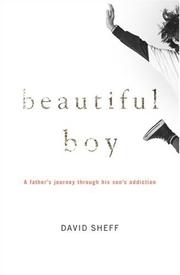
Beautiful Boy: A Father's Journey Through His Son's Addiction
David Sheff recounts watching his son Nic slide into meth addiction, and his own desperate, humbling search for how to help without destroying them both.
2,076-word summary · 9 min read
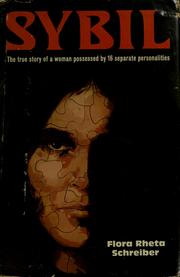
Sybil
A 1973 case study of a woman treated for multiple personalities, and the book that made dissociative identity disorder a household phrase.
2,054-word summary · 9 min read

The Magnolia Story
How Chip and Joanna Gaines met, closed their first shop, nearly lost everything in a housing development, and built Fixer Upper.
2,994-word summary · 13 min read
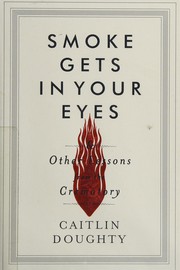
Smoke Gets in Your Eyes: And Other Lessons from the Crematory
A young medieval history graduate takes a job at an Oakland crematory and becomes a mortician, confronting the physical reality of death and the funeral…
2,003-word summary · 9 min read
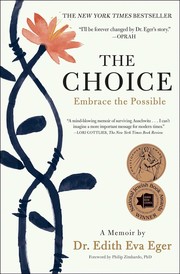
The Choice
Auschwitz survivor and therapist turns prison into a guide for healing.
2,472-word summary · 11 min read
10% Happier
An ABC newsman panics on air, then finds meditation without losing his edge.
2,590-word summary · 12 min read
Open
Tennis star Andre Agassi recalls hating tennis, falling to No. 141, and rebuilding his life on his own terms.
2,352-word summary · 10 min read

Calypso
Sedaris buys a Carolina beach house, grieves his sister Tiffany, tends his aging father, and turns illness and marriage into dry family comedy.
2,835-word summary · 13 min read
The Happiness Project
Gretchen Rubin spends a year testing monthly resolutions on energy, marriage, work, parenting, and play, tracking small habits to build a happier ordinary…
3,516-word summary · 16 min read

Naked
Growing up odd in Carolina, working bad jobs, and learning to watch people closely and kindly.
2,020-word summary · 9 min read

Dress Your Family in Corduroy and Denim
Sedaris on snow days, rental houses, Dutch Christmas, and the family that made him funny.
3,098-word summary · 14 min read
The Last Lecture
Dying professor Pausch lectures really achieving childhood dreams.
2,579-word summary · 11 min read
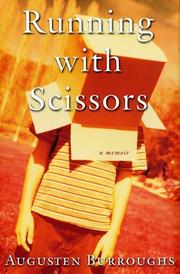
Running with Scissors
A boy sent to live with his mother's psychiatrist grows up in a chaotic house with no rules.
2,036-word summary · 9 min read
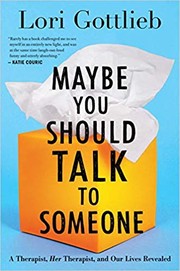
Maybe You Should Talk to Someone
Therapist Lori Gottlieb counsels John, Julie and Rita while seeing her own therapist Wendell after a breakup.
2,234-word summary · 10 min read
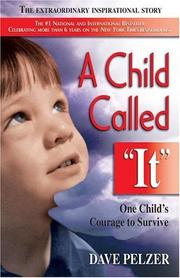
A Child Called It
Dave survives his mother games of hunger and cold in Daly City until teachers and foster care step in.
2,326-word summary · 10 min read

The Glass Castle
Jeannette Walls's memoir of a childhood spent hungry and moving, from a stove fire at three to a Bronx apartment and parents on the street.
2,255-word summary · 10 min read
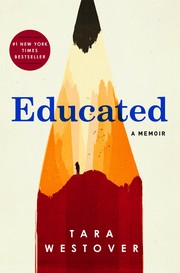
Educated
Educated retold: Idaho scrapyard, no school, BYU, Cambridge, break with father and brother.
1,931-word summary · 9 min read
Nudge: Improving Decisions About Health, Wealth, and Happiness
Thaler and Sunstein show how defaults, framing, and social cues steer choices, and argue for choice architecture with an opt-out.
3,146-word summary · 14 min read

Long Walk to Freedom
Mandela's account of a Thembu childhood, a law practice, a banned movement, twenty-seven years in prison, and the negotiation that ended apartheid.
2,454-word summary · 11 min read
Brown Girl Dreaming
Jacqueline Woodson retells her childhood in verse, moving from Ohio to South Carolina to Brooklyn while the civil rights movement reshapes the world around her.
2,727-word summary · 12 min read
What Happened to You?
Oprah Winfrey and psychiatrist Bruce Perry explain how early experience shapes the brain, and why asking what happened to someone works better than asking what…
2,238-word summary · 10 min read
The Courage to Be Disliked: The Japanese Phenomenon That Shows You How to Change Your Life and Achieve Real Happiness
A philosopher and an angry young man argue over five nights about Adlerian psychology, trauma, approval, and the freedom to be disliked.
2,054-word summary · 9 min read

In Order to Live: A North Korean Girl's Journey to Freedom
A young North Korean girl crosses the Yalu, survives trafficking in China, and rebuilds her life in Seoul in this unsparing memoir.
2,027-word summary · 9 min read
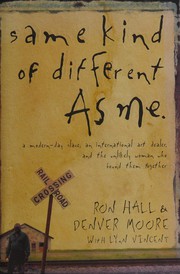
Same Kind of Different as Me
An art dealer and a formerly homeless sharecropper tell the story of the friendship that began at a Fort Worth mission and the woman who insisted on it.
2,023-word summary · 9 min read

Moonwalking with Einstein: The Art and Science of Remembering Everything
A journalist spends a year training for the U.S. Memory Championship and discovers that extraordinary memory is mostly technique, attention, and a lot of…
2,027-word summary · 9 min read

Infidel
Ayaan Hirsi Ali's memoir of a Somali childhood, a forced marriage, a Dutch asylum claim, and the political fight that followed the murder of Theo van Gogh.
2,041-word summary · 9 min read

The Total Money Makeover: A Proven Plan for Financial Fitness
Dave Ramsey lays out seven Baby Steps, from a $1,000 starter fund to a paid-off house, with the debt snowball at the center.
2,663-word summary · 12 min read

Down and Out in Paris and London
Orwell's account of washing dishes in Paris hotels and tramping through London does not ask for pity, only for a clear look at how poverty actually works.
2,282-word summary · 10 min read
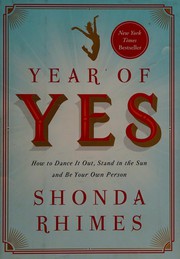
Year of Yes: How to Dance It Out, Stand in the Sun and Be Your Own Person
Shonda Rhimes takes her sister’s accusation seriously and spends a year saying yes to the things that frighten her, from live television to her own reflection.
2,585-word summary · 11 min read