

Reading options
What's inside (8 sections)
I came to Calypso after a run of earlier Sedaris collections, and a friend warned me this was the sad one. I expected travel gripes and sharp one liners about strangers. I got those, but the center of the book kept pulling back to one place, a beach house in North Carolina, and to one fact the jokes circle without ever fixing. People age. Some die. The rest keep eating lunch together.
The facts help set the table. Calypso came out on May 29, 2018 from Little, Brown and Company. The hardcover first edition runs 272 pages and the ISBN is 9780316392389. It holds 21 semi autobiographical essays. Fourteen had appeared before in magazines or papers, often in altered form, in places like The New Yorker. Sedaris was 61 at publication, living with his partner Hugh Hamrick in West Sussex, England, and spending long stretches on tour in the States. It followed Theft by Finding, which was cut from old diaries, so this felt like his first proper new collection in five years. The subject is middle age and death. The anchor is a house he bought to keep everyone close.
He buys on Emerald Isle, on the Carolina coast, and calls it the Sea Section. The name comes from a mishearing, the kind of slip he loves and repeats until it sticks. He imagines summers of board games and long meals, siblings in and out of bedrooms, his father in a decent chair. Much of that happens. Lisa cooks. Amy performs. His brother Paul curses and charms. Hugh fixes and drives. And still, as the publisher copy puts it in plain words, you can change states but you cannot take a vacation from yourself. Your knees come with you. Your family comes too.
The house that was supposed to hold everyone
The early essays build the Sea Section the way you would set a stage for a play that runs all summer.
Company Man explains the purchase. He has money now. His siblings are scattered. His father is very old. If he supplies the house, people will gather. They do. There are grocery runs that turn into portraits of clerks and neighbors. There are walks where he learns turtle routines. There is a big table where talk goes late.
What felt new to me, coming from his France books, is how much sitting still happens here. In Paris or London he is always moving, shopping, listening in, picking up trash on lanes. Here he watches. He watches his father ease out of a chair. He watches Hugh grill while fielding complaints about heat and sand. He watches sisters argue about doors left open and who ate what.
The humor in this stretch comes less from set pieces and more from phrasing and timing. A repairman says something odd. A neighbor explains beach rules with total confidence. His father asks about the thermostat in a tone that suggests theft.
I found the pace slow at first. One essay to buy the place. Another to stock it. Another about dishes and beds. If you want the Macy's elf shifts or the Alliance Francaise classroom, you may fidget. Stay with it. He is showing you who is in the room, night after night, so absence later means something.
Short version: the house works, and it does not work. Everyone comes. No one is cured.
Now we are five
The second essay shifts the whole book. Sedaris tells us his youngest sister Tiffany died by suicide in 2013. She was 49. They had not spoken in eight years. He states method and facts plainly, then moves to phone calls, cremation, practical questions from his father, siblings trying to recall last meetings.
Tiffany had floated at the edge of earlier books, funny and far away and hard to reach. Here she moves to the center by being gone. He visits her apartment. He replays her voice and the stories she told, some likely invented. He admits he does not know how to mourn someone he had cut off. He cracks jokes where you expect gravity, then turns grave where you expect a punch line. One passage about how he would end his own life if he chose to made me close the book for the night. It plays for laughs and it is not funny. I think he knows that, and leaves it in anyway.
His mother Sharon hangs over these pages too. She died of cancer in 1991 at 62. In earlier collections she is loud and loving and often drunk. Here he looks harder at the drinking. He says the family barely named it then. They called it nerves or fun. He links that habit of looking away to how they handled Tiffany, a pattern of joke covering silence. It is his least forgiving portrait of his mother, and in flashes the most tender. He misses her laugh. He dreams of her and wakes unsure what the dream asked.
My criticism of this section is about temperature. His flat report style can read as cold. He gives dialogue and lists and moves on. Some readers will want direct reckoning with addiction and mental illness. He refuses that move, partly by nature and partly by craft. He trusts a scene to carry weight without comment. Most of the time I went with him. Once or twice I wanted him to stay in the room longer instead of cutting to the next errand.
Lou, Lisa, Amy, Paul, and Hugh
Lou Sedaris dominates the middle without ever opening up. He is in his nineties, thrifty to the point of hoarding, conservative, sure his kids waste money and eat wrong. Father and son try to talk and miss, like two people reaching past each other. Politics widens the gap. The father repeats cable news lines. The son, gay and married after the Supreme Court ruling, steers toward food or the house. They fail and try again.
A House Divided follows one visit. Comedy comes from small deals. What temperature is allowed. Who pays. Whether Sedaris needs another sweater. Underneath sits a wish neither states. He wants his father to ask a real question about his life with Hugh, or to say he did well. His father wants his son to eat meat and save receipts and call more. Neither gets it, so they play cards. I recognized that kind of love at once. It shows in errands, not speeches.
Lisa is the steady one. She lives in North Carolina, shows up, brings food, drives, stays calm when plans fall apart. In the title story she agrees to a strange errand most siblings would refuse, and treats it as normal. Amy is looser on the page, doing voices, teasing, starting fights then smoothing them. Paul gets fewer pages than in past books but takes each one, profane and affectionate in a gravel voice. Gretchen is present and more private. Hugh holds edges, cooking and cleaning and absorbing complaints without needing focus.
The Spirit World returns to Sharon through a side door. Sedaris admits he watches Intervention with full attention, not as camp but as study. He replays his mother with vodka and cigarettes, telling stories, passing out, waking sharp. He wonders what a camera crew would have made of his family in the seventies. Would they have staged a talk. Would she have agreed to treatment. Would it have changed anything. He leaves it open, then describes a dream where his mother says little. That restraint frustrated me in a good way. He lets not knowing sit there.
The body starts charging interest
For a book so tied to death, many pages go to minor medical humiliation. Sedaris was in his late fifties writing these pieces, and his body interrupts. He falls from a ladder and cracks ribs. He gets a stomach virus on tour that turns readings into endurance tests, with close accounts of theater bathrooms and hotel halls. He books a colonoscopy and writes the prep like a war report. He learns his aches the way he once learned French nouns.
The title essay pushes this furthest. He finds a lump and a dermatologist in North Carolina calls it a lipoma, a benign fatty growth about the size of an unshelled hard boiled egg. Sedaris decides he wants to keep it. He has a plan. He wants to freeze it and feed it to a snapping turtle he has befriended at a park, a turtle with a growth on its own head. The surgeon says law bars patients from taking home tissue cut out in the office. He argues. He sulks. He tells the story on stage in El Paso, where a woman in the crowd says she could take it out herself.
What follows is the most talked about passage in the book. I will keep it general because detail tips fast into shock. He meets the stranger and a small group late at night in a remote clinic setting. She removes the growth with small hands and calm focus. She mails it to his sister in Winston Salem. He collects it at Thanksgiving and, with Lisa along, carries it to the park for the turtles. He tells it with gratitude and mischief, amazed at kindness from strangers and at his own fixation. I laughed and winced in alternate lines. It is classic Sedaris in following an obsession to its end without shame. It is new in that the obsession is about decay, about proving he can still turn something gross into a family outing.
Stepping Out pairs from another side. He gets a Fitbit and falls into step counts. In West Sussex he starts picking litter on country lanes to justify long walks, then keeps walking for hours, filling bags, learning who drops what and where. Neighbors get used to him. He races his own totals. It starts as tech satire and turns into something clearer about control. When parents fade and siblings die, counting steps and bagging trash gives the day shape.
And While You Are Up There, Check on My Prostate moves between exam room and road. He compares driver insults in different countries, with examples too crude to quote fully, and notes which places favor long curses. He links that to prostate exams and colonoscopies, to being handled by strangers while trying to keep dignity through jokes. The driving material wanders. Some of it feels like two magazine pieces stitched together. The clinic scenes are stronger because they stay on one afternoon, one doctor, one awkward exchange.
Plain criticism: this stretch will lose some readers. The tumor story runs long. Bathroom material is graphic. Fitbit logs repeat daily totals like reading another person's diary. I skimmed on first pass and liked it more on second pass when I stopped waiting for punch lines. The point is pile up. Aches add. Procedures add. Jokes add as padding.
Out in the world for air
Not all of it sits at the beach or in clinics. Several essays travel and shop and listen, which gives air between heavy family pieces.
Your English Is So Good catalogs small talk. He notes the scripts of clerks and hotel staff, questions about home and plans, and how those scripts shift when he is with Hugh or alone. He separates politeness from curiosity. A bellman asking where you are from can be kind or a way to place you. A waiter listing specials can help or perform. He prefers blunt family talk, even when it stings, to smooth stranger talk.
The Perfect Fit follows him clothes shopping in Tokyo, where he fixates on cut and cloth and the pleasure of being measured by people who take the job seriously. He tries more than he needs. He justifies buys he should skip. It echoes older shopping essays but with less bite. He is not mocking staff. He enjoys narrow care that feels restful after home strain.
Untamed is quieter. He feeds a fox near his English house, learns its hours, leaves food, watches from windows. He knows he should not tame a wild animal. He does it anyway, with rules that shift. It works because he does not force meaning. The fox stays a fox. The routine gives him company without talk.
Boo-hooey turns to ghosts. He says he does not believe, then lists moments that shook him. Dreams of his mother. Noises in the Sea Section. Stories siblings tell that he cannot explain. He treats belief as he treats much else, with doubt plus wish. He wants a sign and distrusts anyone selling one.
The One or Ones Who Got Away and Sorry circle one idea from two sides. One recalls people who slipped out of life, old crushes and friends and what ifs. The other tries to apologize well and finds how hard that is when the other party prefers a grudge or a joke. Both are slighter than the family core, and both repeat setup, Sea Section layout or Hugh driving or his father near the news. That is the cost of binding magazine pieces into a book. Each once had to introduce the cast. Together, introductions stack. An editor could have cut more.
Leviathan, built around a whale and a beach walk that draws a crowd, shows both gifts and limits. Watching is exact. Crowd behavior is funny and sad. It ends before it deepens. I wanted one more scene. Instead he moves on. That happens a few times here. Some pieces feel whole. Others feel like diary pages polished just enough to print.
Vows, low moods, and the news
A Modest Proposal is the warmest piece, and the plainest. After the Supreme Court made same sex marriage legal in 2015, Sedaris and Hugh marry. No grand speech. Paperwork and rings and questions about whether a rite matters after decades. He writes about telling his father, siblings teasing, standing in a room saying vows while thinking of laundry. What stayed with me is how undramatic he makes it. After years of Hugh as boyfriend who drives and cooks and waits while Sedaris talks to strangers, marriage reads as notice taken, not change made.
A Number of Reasons I Have Been Depressed Lately uses a list frame to name small and large gloom. Election news. Aging hands. Dead friends. Airplane cabins. It risks sounding like complaint, and at points it does. Detail saves it. He names shows and pills and calls instead of waving at sadness. Why Aren't You Laughing pushes further, asking why jokes fail in funeral homes and hospitals and whether humor is duty or dodge. He does not settle it. He tries jokes in hard rooms and reports what happens.
The Comey Memo is the most dated, tied to one week of American politics that felt far off by paperback. He is funny on cable patter and on his father quoting it, less sure on what the memo means. Politics readers may like the time capsule. Others may skim. I skimmed parts, then reread the father bits apart from the hook and liked those more.
Here is where my main complaint sits. Because so many pieces began as separate jobs, setup repeats and the middle sags. The Sea Section gets introduced more than once. Hugh patience gets praised more than once. The father at the television gets described more than once. A tighter pass could have cut ten pages of reentry and left more room for Tiffany and Sharon, who earn it. The politics pages will age faster than the family pages. The toilet material will push away some readers early who would have loved the later tenderness.
Still, the collection holds because voice holds. He writes in short bursts and long rolls, sometimes a single sharp paragraph that stops early, sometimes a page that follows a thought through store and car and kitchen. He names brands and towns and procedures without showing off. He admits when he is petty about money or attention. He lets Hugh and Lisa look better than him without making a show of modesty. Memory may blur points, but shape feels true. A man buys a house to keep kin near. One sister is gone. Parents are gone or going. He feeds a turtle and counts steps and tries to be a decent husband and son while telling jokes that do not always land.
If you are new to Sedaris, this is a hard entry despite praise calling it his best. Start with Me Talk Pretty One Day for early family comedy or When You Are Engulfed in Flames for travel plus home, then come here when Lisa and Paul and Hugh are known names. If you know them, Calypso feels like a reunion where all are older and kinder and stranger. Allow room for slow stretches. You get paid back at the park on Thanksgiving, in card games with a father who cannot say what he means, in late pages where laughter thins and affection stays.
FAQ
When was Calypso published?
Little, Brown and Company published it on May 29, 2018. The hardcover first edition runs 272 pages and the ISBN is 9780316392389.
What is Calypso about?
Twenty-one semi-autobiographical essays about the Sea Section beach house, his sister Tiffany, his parents, aging, travel, health scares, and his marriage to Hugh Hamrick.
Is Calypso part of a series?
No. It stands alone as an essay collection, between Theft by Finding and The Best of Me, though it returns to family first seen in Naked and Me Talk Pretty One Day.
Similar books
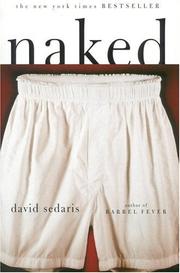
Naked
Growing up odd in Carolina, working bad jobs, and learning to watch people closely and kindly.
2,020-word summary · 9 min read

Dress Your Family in Corduroy and Denim
Sedaris on snow days, rental houses, Dutch Christmas, and the family that made him funny.
3,098-word summary · 14 min read

Holidays on Ice
Six Christmas pieces, from a Macy's elf stint to a feral family newsletter. Sedaris at his sharpest and most sentimental.
2,410-word summary · 11 min read

Let's Explore Diabetes with Owls
Sedaris gets French dental work, feeds a kookaburra in Australia, shops for a stuffed owl in London, and survives China, airports and a colonoscopy.
2,538-word summary · 11 min read

When You Are Engulfed in Flames
In twenty two essays Sedaris tries to quit smoking in Japan, buys a skeleton, fights spiders in Paris, and files dry reports from France on family, country…
2,974-word summary · 13 min read

Me Talk Pretty One Day
Sedaris on French classes, family chaos, and learning to speak badly in two languages.
2,111-word summary · 9 min read

Dear Girls: Intimate Tales, Untold Secrets & Advice for Living Your Best Life
Ali Wong's debut collects fourteen letters to her daughters, covering sex, money, work, marriage, Vietnam, and being a working Asian American mother.
2,266-word summary · 10 min read

Scrappy Little Nobody
Anna Kendrick's essays trace her path from a Portland childhood and Broadway to Hollywood, with jokes, anxiety, and a refusal to pretend fame fixed her.
2,092-word summary · 9 min read

My Horizontal Life: A Collection of One-Night Stands
Handler turns dating disasters and family chaos into brash comic essays about single life in Los Angeles.
2,304-word summary · 10 min read

How to Be a Woman
Moran mixes girlhood and work stories into plain feminist advice.
2,600-word summary · 12 min read

The Girl with the Lower Back Tattoo
Amy Schumer mixes raunchy jokes with frank essays on family, dating, body image, and the shooting that pushed her into gun control advocacy.
2,259-word summary · 10 min read

Not That Kind of Girl: A Young Woman Tells You What She's Learned
Girls creator Lena Dunham's essays on work, bodies, love, and family, frank and funny with uneven edges.
2,156-word summary · 10 min read
Sh*t My Dad Says
A comedy writer moves home and writes down his blunt fathers funniest lines with love.
1,961-word summary · 9 min read

Are You There, Vodka? It's Me, Chelsea
Handler mines family, jail, dating, and travel for brash essays where oversharing is both joke and shield.
2,186-word summary · 10 min read
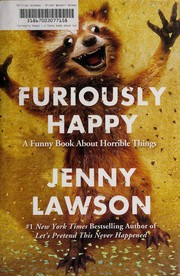
Furiously Happy: A Funny Book About Horrible Things
Jenny Lawson mixes blunt talk about depression with wild stunts and taxidermy to argue for grabbing joy on purpose.
2,963-word summary · 13 min read
Let's Pretend This Never Happened: A Mostly True Memoir
The Bloggess turns a strange Texas childhood and anxious adult life into a funny, warm memoir about family.
2,479-word summary · 11 min read

Too Much and Never Enough: How My Family Created the World's Most Dangerous Man
Mary L. Trump's 2020 memoir traces how a cold, zero-sum Queens household shaped her uncle, and uses family tax documents to challenge his self-made story.
2,059-word summary · 9 min read

Beautiful Boy: A Father's Journey Through His Son's Addiction
David Sheff recounts watching his son Nic slide into meth addiction, and his own desperate, humbling search for how to help without destroying them both.
2,076-word summary · 9 min read

The Magnolia Story
How Chip and Joanna Gaines met, closed their first shop, nearly lost everything in a housing development, and built Fixer Upper.
2,994-word summary · 13 min read
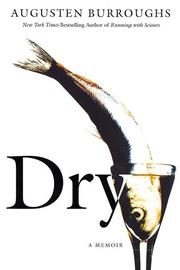
Dry
A memoir of drinking, rehab and relapse, and the strange business of getting sober one morning at a time.
2,643-word summary · 12 min read

Seriously...I'm Kidding
DeGeneres strings show stories and home jokes into light life advice.
2,292-word summary · 10 min read

Open Book
Simpson replays pop fame, love and drink through recovery work.
2,552-word summary · 11 min read
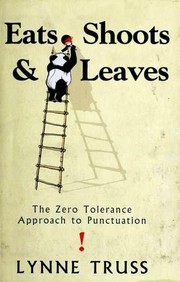
Eats, Shoots & Leaves
Truss defends commas with jokes about pandas and posters.
2,423-word summary · 11 min read

Notes from a Small Island
Bill Bryson's 1995 farewell tour of Britain, funny and fond, from Dover to London, the north, Scotland and Wales.
2,301-word summary · 10 min read

In a Sunburned Country
Bryson revisits Australia by city walks and long trains, with reef trips, critter comedy, and explorer history.
2,387-word summary · 11 min read

Bad Feminist
Gay mixes memoir and pop culture criticism to argue for imperfect feminism, from Sweet Valley to Django to Fifty Shades.
2,493-word summary · 11 min read

Tiny Beautiful Things: Advice on Love and Life from Dear Sugar
Dear Sugar answers letters on love, grief, and work with tough empathy drawn from her own losses.
2,253-word summary · 10 min read
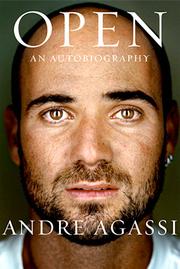
Open
Tennis star Andre Agassi recalls hating tennis, falling to No. 141, and rebuilding his life on his own terms.
2,352-word summary · 10 min read

Hidden Valley Road: Inside the Mind of an American Family
The Galvin family raises twelve children while six sons develop schizophrenia across decades of shifting science.
2,492-word summary · 11 min read

The Anthropocene Reviewed: Essays on a Human-Centered Planet
John Green reviews ordinary parts of human life on a five-star scale, turning geese, keyboards, and sunsets into a warm memoir about attention.
2,982-word summary · 13 min read