
Reading options
What's inside (6 sections)
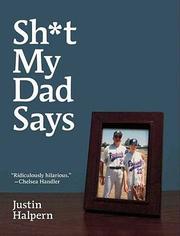
I found this book the way a lot of people did, through the Twitter feed first. In 2009 Justin Halpern, then twenty nine and newly moved back in with his parents in San Diego, started posting things his seventy something father Sam said. Short, profane, weirdly wise. The feed blew up to millions of followers. The book, published in 2010 by It Books, runs only 158 pages in the first edition, ISBN 9780061992704, and it reads like an extended version of that feed with childhood stories glued between the one liners.
Sam Halpern is a retired doctor, Jewish, blunt, fond of calling his son a dummy in a way that sounds affectionate if you grew up around that kind of teasing and harsh if you did not. Justin is a comedy writer, anxious, a little lost after a breakup and a stalled career in Los Angeles. He moves home to save money. His mom Elaine mediates. His brother stays mostly in the background. The dog gets a few good scenes. Most chapters open with a quote in bold, then two to four pages of memory that explain how someone who talks like that raised a kid who turned out mostly fine.
The feed that became a book
The quotes are the hook and they still work. Things like save the tree, you do not need a job, or take the cardboard out of the fireplace, it is not a gas fireplace, or you do not need a parachute to go skydiving, you need a parachute to go skydiving twice. They are funny because of timing and because Sam never softens them. He says what he thinks about food, about Justin's girlfriends, about exercise, about writing as a job.
What surprised me rereading is how much context the book adds. On Twitter a line stands alone. Here Justin tells you where they were standing, what his dad was cooking, what fight they had just finished. A quote about not eating all the chicken before dinner lands differently when you know Sam shops carefully, hates waste, and shows love by grilling. The profanity starts to read less like shock and more like punctuation. He swears when he is worried and when he is proud and when he does not know what else to say.
The early chapters cover Justin moving home. He is embarrassed. He tells friends he is just visiting. Sam tells him he is a failure in nicer and less nice ways on different days. Elaine tells both of them to be kind. There is a funny, sad rhythm to those first weeks. Justin applies for jobs he does not want. Sam watches the news too loud. They fight about thermostat, about dishes, about whether Justin will ever grow up. Anyone who has moved back as an adult will recognize the specific shame of being twenty nine and being told to take out trash like you are twelve.
I liked that Justin does not pretend he had it hard. He says plainly his parents fed him, paid for school, showed up. His complaint, if he has one, is that his dad's honesty felt heavy when he was a kid who wanted praise. That feels true and small in a good way. Not trauma, just friction.
Growing up with Sam
The middle chapters jump back to childhood in San Diego. Justin and his brother getting lectures about money. Sam teaching them to swim by throwing them in a way that would now get a lifeguard involved. Sam at Little League games yelling things other parents pretended not to hear. Sam explaining sex with diagrams and zero romance. Sam explaining death after a neighbor dies with similar bluntness.
One story I kept thinking about involves a family dog and a vet bill. Sam complains loudly about cost, about vets scamming, about Justin crying too much, then pays without hesitation and sits on the floor with the dog after surgery. That pattern repeats. Loud complaint, quiet care. Justin learns to listen for the second part. As a kid he only heard the first. As an adult living home again, he starts to hear both.
Another good stretch is about food. Sam cooks simple things well, steaks, potatoes, eggs, and judges restaurant portions harshly. He thinks most health trends are scams. He thinks Justin orders too much and finishes too little. There is a chapter where Justin tries to cook something fancy to impress a date and sets off the smoke alarm. Sam puts it out, insults the recipe, then shows him how to actually sear. No hug, just a better dinner. If you grew up with a dad like this, you know that was the hug.
Elaine gets more space as the book goes. She is not just a buffer. She has her own lines, dry and tired, about living with two men who argue like lawyers about nonsense. She tells Justin that his dad is scared of getting old and useless, which reframes a lot of shouting about leaves and gutters. I wished she had even more pages. When she speaks, the temperature drops in a useful way.
The brother, who stays mostly off stage, appears in a few stories about shared punishments and shared alibis. Those felt a little thin, like Justin protecting privacy. Fair enough, but it means Sam and Justin carry almost everything.
Work, girls, and the question of manhood
A lot of the book is really about what Sam thinks a man should be. Work hard, do not whine, keep your word, call your mother, do not spend what you do not have, learn to fix small things, do not lie to yourself about girls. Some of it is dated. Sam's advice about dating is blunt to the point of rudeness, and Justin usually knows it. He includes the lines anyway and then adds a paragraph about why he did not follow that particular advice.
The breakup that sent Justin home hovers in the background. He does not name names or litigate it. He says he was living in Los Angeles, writing for hire, spending too much, feeling behind friends who had steadier jobs. Moving home felt like failure. Sam's response is typical. Stop feeling sorry, get a job that pays, write at night if you love it, do not expect the world to clap for trying. Harsh, but it gets Justin writing the feed, which gets him an audience, which gets him the book deal. The irony is not lost on him. His dad's nagging about getting serious helped him get serious about jokes.
There is a chapter about Justin trying to impress Sam by fixing something in the house and making it worse. Sam curses, fixes it properly, then shows him slowly the second time without commentary. I liked that Justin leaves in his incompetence. He does not pose as a handy son who learned everything. He poses as a writer son who learned how to listen and how to take criticism without folding. That feels like the real inheritance.
The TV show version, which aired briefly on CBS with William Shatner as the dad, gets one passing mention in later editions and interviews but not much in the book itself, since the book came first. Knowing it exists helped me see what the book is not. It is not a sitcom with lessons. It is looser, swearier, more Jewish in rhythm, more San Diego in detail. Jokes do not always resolve. Some chapters end on a shrug.
What works and what wears thin
The best parts are short. Two pages, one quote, one memory, out. Halpern has a comedy writer's sense of when to stop. He does not explain the joke after telling it. He lets Sam's voice sit. When he tries longer stories, about a family trip or a hospital scare, the writing gets more careful and a little less funny. Those chapters are still warm, but you can feel him reaching for meaning. The feed trained him for punchlines, not arcs.
For criticism, the repetition is real. Dads who swear and love meat and hate waste are funny for about a hundred pages. By page one twenty, another story about Sam yelling about lights left on feels familiar. I started skimming stage directions. Who was standing where in the kitchen matters less the fifth time. The book is short enough that this does not sink it, but you notice.
Also, the profanity that made the feed famous can feel performative on paper. On Twitter you chose to follow. In a book your mom might pick up, the asterisks and bleeped words pile up. Halpern keeps the title spelling Sh*t, which tells you the compromise. It is profane but not as profane as the actual house sounded, probably. A few friends told me they stopped recommending it to parents after chapter three. I get that.
And Sam is the only full person besides Justin. Elaine deserves her own book. Friends, exes, coworkers appear as setups for Sam lines. That is fine for a humor memoir built from a feed, but it means the world stays small. San Diego, one house, one yard, one couch. If you want a wide memoir about comedy careers or Los Angeles writing rooms, this is not it.
Still, I laughed out loud four times, which is a lot for me reading alone. Once at a line about passwords, once at a line about camping, once at a vet story, once at a Thanksgiving argument that ends with Sam eating pie standing up because sitting means losing. More than that, I liked the quiet thesis underneath. Attention is love, even when it sounds like insult. Showing up to fix the fence, to drive to the airport at five in the morning, to tell your son he is being a dummy about money because you want him to be free, that counts.
For who this is for. If you followed the feed in 2009 to 2010, the book gives you the house behind the lines. If you like memoirs like Dad Is Fat or dry family humor without big trauma, this fits. If you want a long book, look elsewhere. At 158 pages it is a weekend read, best in small bites before bed. I finished it thinking about my own dad's pet phrases, the ones I found annoying at fifteen and repeat now without noticing. That seems like what Halpern wanted. Not to make his dad famous, but to write down the sound of home before it fades.
One more thread worth naming is money. Sam talks about it constantly, not to brag but to warn. Do not carry balances, do not buy new when used works, tip fairly but do not show off, save for the vet and the roof because those bills always come. Justin, broke in his late twenties, hears those lectures differently than he did at sixteen. What sounded cheap sounds careful now. I liked that the book lets that shift happen without a speech. You just watch Justin start to check prices the way his dad does and realize he has become someone who can live on less while he builds.
I also liked the small San Diego details that keep it from floating. Marine layer mornings, backyard lemons, freeway traffic to Los Angeles, the particular quiet of a suburban house at noon when everyone is home but pretending to be busy. Those anchors give the one liners a place to land. A quote about mowing hits harder when you can picture the exact strip of grass and the neighbor watching. Halpern does not overwrite setting, but he leaves enough for you to stand in the room.
FAQ
How did Sh*t My Dad Says start?
In 2009 Halpern posted his father Sam's one liners on Twitter as @shitmydadsays. Millions followed, which led to the 2010 It Books memoir and a short lived TV version.
When was Sh*t My Dad Says published?
It Books published it in 2010. The first edition runs 158 pages with ISBN 9780061992704.
Similar books

Holidays on Ice
Six Christmas pieces, from a Macy's elf stint to a feral family newsletter. Sedaris at his sharpest and most sentimental.
2,410-word summary · 11 min read

Let's Explore Diabetes with Owls
Sedaris gets French dental work, feeds a kookaburra in Australia, shops for a stuffed owl in London, and survives China, airports and a colonoscopy.
2,538-word summary · 11 min read

Calypso
Sedaris buys a Carolina beach house, grieves his sister Tiffany, tends his aging father, and turns illness and marriage into dry family comedy.
2,835-word summary · 13 min read
Furiously Happy: A Funny Book About Horrible Things
Jenny Lawson mixes blunt talk about depression with wild stunts and taxidermy to argue for grabbing joy on purpose.
2,963-word summary · 13 min read
Let's Pretend This Never Happened: A Mostly True Memoir
The Bloggess turns a strange Texas childhood and anxious adult life into a funny, warm memoir about family.
2,479-word summary · 11 min read

When You Are Engulfed in Flames
In twenty two essays Sedaris tries to quit smoking in Japan, buys a skeleton, fights spiders in Paris, and files dry reports from France on family, country…
2,974-word summary · 13 min read
Naked
Growing up odd in Carolina, working bad jobs, and learning to watch people closely and kindly.
2,020-word summary · 9 min read
Dress Your Family in Corduroy and Denim
Sedaris on snow days, rental houses, Dutch Christmas, and the family that made him funny.
3,098-word summary · 14 min read
Me Talk Pretty One Day
Sedaris on French classes, family chaos, and learning to speak badly in two languages.
2,111-word summary · 9 min read

Dear Girls: Intimate Tales, Untold Secrets & Advice for Living Your Best Life
Ali Wong's debut collects fourteen letters to her daughters, covering sex, money, work, marriage, Vietnam, and being a working Asian American mother.
2,266-word summary · 10 min read

Scrappy Little Nobody
Anna Kendrick's essays trace her path from a Portland childhood and Broadway to Hollywood, with jokes, anxiety, and a refusal to pretend fame fixed her.
2,092-word summary · 9 min read
My Horizontal Life: A Collection of One-Night Stands
Handler turns dating disasters and family chaos into brash comic essays about single life in Los Angeles.
2,304-word summary · 10 min read
How to Be a Woman
Moran mixes girlhood and work stories into plain feminist advice.
2,600-word summary · 12 min read

The Girl with the Lower Back Tattoo
Amy Schumer mixes raunchy jokes with frank essays on family, dating, body image, and the shooting that pushed her into gun control advocacy.
2,259-word summary · 10 min read
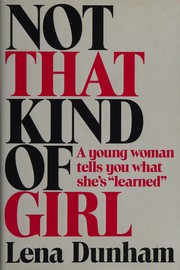
Not That Kind of Girl: A Young Woman Tells You What She's Learned
Girls creator Lena Dunham's essays on work, bodies, love, and family, frank and funny with uneven edges.
2,156-word summary · 10 min read
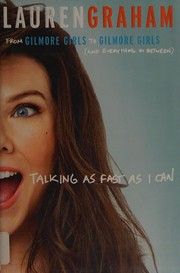
Talking as Fast as I Can: From Gilmore Girls to Gilmore Girls
Lauren Graham looks back on broke actress years, Parenthood, and playing Lorelai Gilmore twice in this funny 2016 memoir.
2,701-word summary · 12 min read
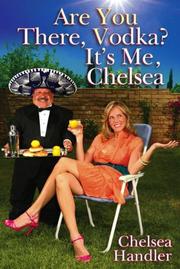
Are You There, Vodka? It's Me, Chelsea
Handler mines family, jail, dating, and travel for brash essays where oversharing is both joke and shield.
2,186-word summary · 10 min read
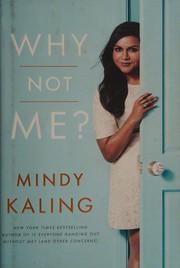
Why Not Me?
Essays on work, dating, and body image from the Office writer learning to ask for bigger rooms.
2,000-word summary · 9 min read
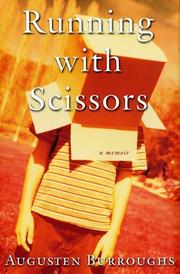
Running with Scissors
A boy sent to live with his mother's psychiatrist grows up in a chaotic house with no rules.
2,036-word summary · 9 min read
Marley & Me
A young couple learns marriage, parenthood, and goodbye through thirteen years with Marley, their wild and loving Labrador.
2,167-word summary · 10 min read
Is Everyone Hanging Out Without Me?
Mindy Kaling recalls Boston childhood, Dartmouth comedy, New York hustle, and The Office writers room.
2,239-word summary · 10 min read

Bossypants
Tina Fey moves from Pennsylvania childhood through improv and SNL to 30 Rock in this funny 2011 memoir. Expect backstage stories, jokes about work and…
2,301-word summary · 10 min read
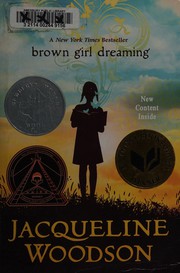
Brown Girl Dreaming
Jacqueline Woodson retells her childhood in verse, moving from Ohio to South Carolina to Brooklyn while the civil rights movement reshapes the world around her.
2,727-word summary · 12 min read

Too Much and Never Enough: How My Family Created the World's Most Dangerous Man
Mary L. Trump's 2020 memoir traces how a cold, zero-sum Queens household shaped her uncle, and uses family tax documents to challenge his self-made story.
2,059-word summary · 9 min read

Hard Luck
Rowley has a girlfriend, so Greg turns to a Magic 8 Ball, a family Easter hunt and the school yearbook for answers.
2,586-word summary · 11 min read

Act Your Age, Eve Brown
Eve Brown crashes into a Lake District bed and breakfast, breaks the owner's arm, and talks her way into his kitchen. A grumpy-sunshine romance about work,…
2,474-word summary · 11 min read
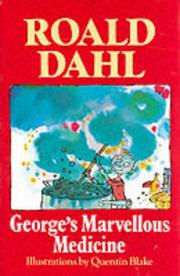
George's Marvellous Medicine
George stirs a brew of dozens of household chemicals and gives it to his grumpy grandmother, and the medicine works far better than anyone planned.
2,014-word summary · 9 min read
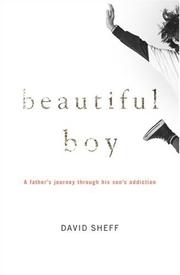
Beautiful Boy: A Father's Journey Through His Son's Addiction
David Sheff recounts watching his son Nic slide into meth addiction, and his own desperate, humbling search for how to help without destroying them both.
2,076-word summary · 9 min read
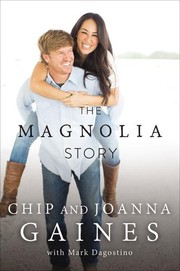
The Magnolia Story
How Chip and Joanna Gaines met, closed their first shop, nearly lost everything in a housing development, and built Fixer Upper.
2,994-word summary · 13 min read
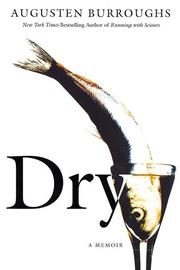
Dry
A memoir of drinking, rehab and relapse, and the strange business of getting sober one morning at a time.
2,643-word summary · 12 min read