
Reading options
What's inside (11 sections)
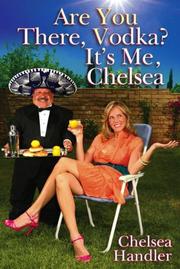
I borrowed Are You There, Vodka? It's Me, Chelsea expecting light airport humor and found something louder and stranger. Chelsea Handler published it in 2008 with Simon Spotlight Entertainment. My reading follows the 264 page hardcover. It is a memoir in essays about family, jobs, dating, travel, and drinking, told in a brash comic voice. Some stories made me laugh out loud. Some made me wince. All show how Handler built a persona from oversharing.
Handler was then known from Girls Behaving Badly and Chelsea Lately. The book title riffs on Judy Blume's Are You There God, with vodka as higher power. That joke sets tone. Confession without reverence. Prayers for clearer skin, better boyfriends, and no jail time. Chapters stand alone, so you can dip in. Together they trace a New Jersey childhood with five siblings, a Mormon mother and Jewish father, into Los Angeles waitressing, stand up, and TV.
Family as first material
The early chapters are strongest because family gives Handler both target and safety net. Her father, chaotic and cheap, her mother, brisk and blunt, her siblings who tease without mercy. Stories about childhood lies to get out of homework, faked illnesses, invented movie shoots with Goldie Hawn, show a girl learning that stories get attention.
One chapter about planning her own fourth birthday party because her parents told her to handles neglect as comedy. She calls caterers, invites kids, bosses adults. It is funny and a little sad. Another about her sister's wedding, where Chelsea behaves badly and tells herself she is helping, shows sibling rivalry that never quite softens. Handler does not sentimentalize. She reports, exaggerates, moves on.
Her father's cheapness recurs. He reuses gifts, argues over bills, offers advice that is mostly wrong. Her mother corrects with one liners. Handler loves them in her way, which is to mock them in print and call home after. Readers with loud families will recognize the rhythm. Insult as affection. Story as proof you were there.
What I appreciated is that Handler includes being wrong. She lies to teachers, gets caught, blames others. She is not a cute rebel. She is a difficult kid who grew into a difficult adult with better timing. That honesty keeps family chapters from curdling into superiority.
Work, prison, and bad decisions
Handler waitressed, temped, and hustled before comedy paid. She writes about terrible customers, creepy managers, and shifts where she drank on the job. A chapter about a DUI arrest and a night in jail is both comic set piece and confession. She describes the holding cell smell, the bench sleep, the woman who tried to mother her, the shame calling home.
She does not moralize. She says she was stupid, lucky, and changed only a little. That shrug will bother readers who want growth. It felt honest to me for a comic memoir from that era. Not every bad night becomes lesson. Some become story you tell on stage to pay rent.
Other work stories involve stand up gigs in dead rooms, hecklers, and a manager who booked her wrong. She learns to be louder than the room. Her stage voice, blunt, sexual, confrontational, forms here. On page it reads as confidence. Knowing later fame, you can see craft forming. Punch, tag, callback. Embarrassment turned fast.
A travel chapter about Costa Rica with friends shows her group dynamic. She plans little, complains lots, gets sunburned, fights over bills, makes up by morning. The humor comes from entitlement meeting reality. Monkeys steal food. Buses leave. She flirts with a guide. Friends roll eyes. It is not travel writing. It is sitcom with mosquitoes.
Dating, redheads, and overshare
Dating essays are the most infamous and the most uneven. Handler dates older men, younger men, cheap men, men with red hair she decides to try like a project. She details sex, breakups, revenge gifts, hiding men under beds when others knock. The explicitness is the point and the problem. Some passages are funny because specifics surprise. A breakup conducted through a dog sitter. A date who brings his mother as driver.
Some passages read as mean. She mocks bodies, jobs, accents. The redhead experiment, where she dates redheaded men to prove open mindedness while cataloging disgust, is meant as satire of her own bias but lands as bullying. A little person neighbor story, where Handler appoints herself protector while mining the friendship for jokes, made me uncomfortable. She seems unaware where line sits between roast and punch down.
To be fair, she turns the same harsh lens on herself. She describes her own jealousy, neediness, bad drinking, and cheapness. She admits pursuing men who treat her poorly because drama feels like love. A chapter about being dumped by a Big Red type while clinging to a vacation fling shows self knowledge flickering through jokes. She knows pattern. She does not yet break it.
Readers who love confessional comedy will forgive more. Readers sensitive to body shaming or casual slurs from 2008 will flinch. The book is of its time in language. That does not excuse, but it explains. If you reread now, expect to annotate mentally.
Tone and craft
Handler writes like she talks on late night. Short sentences. Asides. Punch first, context later. Chapters open in scene, escalate through three beats, end with one liner rather than reflection. That pace suits drinking stories and tires in tender ones. When her grandmother dies, the jokes keep coming and grief gets half a page. I wanted her to sit still. She orders another round instead.
What works is specificity. Brand names, prices, exact insults. A re gifted candle described down to wax color. A prison blanket texture. A boyfriend's car smell. Those details make even thin stories feel lived. What sags is repetition. Many chapters follow same arc. Handler misbehaves, others react, she declares she does not care, then calls her sister to complain she cares. After six rounds, the rebellion feels routine.
The book's feminism is complicated. Handler claims sexual freedom, earns her own money, refuses shame about appetite. That agency reads as strength. She also tears down other women for looks and age to lift herself. That habit reads as internalized competition. Both can be true. The memoir captures a moment when brash female comics claimed space by out shocking men, with costs they later named.
At 264 pages it reads fast. I finished in two evenings, laughing twice per chapter and sighing once. The voice never bores, even when it bothers. That consistency is craft, even if you wish it aimed kinder.
Where it sits in her career
This was Handler's second book after My Horizontal Life, and the one that hit number one on bestseller lists and led to tours and TV spinoff Are You There, Chelsea. Knowing later Handler, more political, more therapeutic in memoirs like Life Will Be the Death of Me, you can see seeds. Interest in family systems. Attention to anger. Habit of turning pain into bit.
Early Handler uses vodka as punchline and shield. Later Handler talks about therapy and grief directly. Neither cancels the other. People change. Jokes that paid in 2008 read differently after you hear the author say she drank to avoid feeling. That hindsight softened my judgment without erasing cringe.
If you are new to Handler, this is a loud entry. Start here if you like Chelsea Lately clips. Start with her later memoir if you want reflection. Fans will enjoy origin bits. Newcomers should know what they are getting. High calorie comedy with low nutrients and occasional surprising vitamins.
If you are new to Handler, this is a loud entry. Start here if you like Chelsea Lately clips. Start with her later memoir if you want reflection. Fans will enjoy origin bits. Newcomers should know what they are getting. High calorie comedy with low nutrients and occasional surprising vitamins.
Siblings, parents, and house rules
Handler's house ran on teasing as currency. Older siblings set curfews she ignored, ate food she labeled, told boyfriends she had diseases to scare them. She retaliated by reading diaries aloud, inviting herself on dates as chaperone, and charging admission to family fights. Those stories read fast because dialogue carries them. One liners land. Stage directions stay short.
Her mother, a practical Mormon turned brisk matriarch, enforced rules like no crying over boys who do not pay for dinner and no lying unless you commit. Her father, a used car manner in a rabbi's debate body, enforced thrift like reuse of wrapping paper and arguments with waiters over ice. Handler absorbed both. She tips badly in stories then overpays in guilt. She lies fluently then confesses for applause.
A chapter about holidays shows the machine. Handler arrives late, brings a re gifted candle, drinks the good wine first, starts a political fight, cries in a bathroom, returns to lead karaoke. Family members play roles. Sister sighs. Brother films. Mother serves pie as peace treaty. Father asks cost of pie. It is sitcom because it repeats, and repeats because it works.
What keeps these chapters from cruelty is that Handler is always the butt of the final joke. She slips on ice carrying gifts she stole from her own fridge. She gets dumped mid toast. She floods a bathroom she bragged about fixing. Schadenfreude lands on her. That self targeting gives permission to laugh at others. She bleeds first.
I also noticed how often she calls home after disaster. Jail, breakup, lost job. The call is always short. Mom, I messed up. Dad, how much. Sister, come get me. Those three sentences reveal attachment under armor. She mocks need and practices it. That tension humanizes a persona built on not needing.
Travel and work as stage
Handler's travel writing is not about place. It is about Americans abroad with money and manners missing. In London she argues about teeth and tips. In the Bahamas she fights over cabanas. In Costa Rica she adopts a stray dog for a day and abandons responsibility by checkout. Locals appear as foils, patient guides, annoyed waiters, amused maids. That narrow lens will irritate travel lovers. It delights fans of fish out of water.
Work stories follow similar arc. She is hired for charm, fired for mouth, rehired because customers ask for her. A restaurant manager who bans her from bar returns her because regulars tip more when she insults them lovingly. That dynamic previews her TV appeal. Viewers wanted a host who said what they thought at home. Employers feared HR. Both were right.
Stand up chapters show craft forming. She learns to open with self deprecation, to place dirty joke third not first, to end with family because crowds soften. She bombs in rooms with brick walls and blinking signs, learns to shout over blenders, to befriend bartenders who control lights. Those details will interest aspiring comics more than fans. Work is work, even funny work.
Drinking runs through all of it as social oil and plot device. Shots to start nights. Wine to endure flights. Vodka to pray to. Handler jokes about blackouts while describing them in detail that suggests worry. A friend carries her home. A sister hides keys. She thanks them with jokes. Reading now, after her later openness about therapy and loss, those passages read as early warning. At the time they read as party.
Reading it now
Rereading 2008 comedy in 2026 requires double vision. Enjoy rhythm while noticing targets. Handler aims at herself, family, boyfriends, strangers. Some targets can not consent, service workers, neighbors, dates named enough to recognize themselves. That power imbalance matters more now. Laughs that cost a waitress dignity feel thinner.
Language also dates. Words for bodies, orientations, ethnicities that passed on basic cable then grate now. Handler has said she changed views and jokes. That growth does not edit old pages. New readers should know. If you need clean, skip. If you can hold two thoughts, funny structure and flawed punch, you can finish.
What endures is her work ethic and voice control. She writes short, active sentences. She withholds then drops. She repeats a phrase three times for laugh. Those skills survived when shock faded. Later books keep rhythm while aiming kinder. This one shows the engine before tuning.
Who should pour
Give it to readers who like essay memoirs that read like stand up, who enjoy Tina Fey or Amy Poehler but want raunchier and less sweet, who can tolerate 2008 era jokes while noticing them. Do not give it to readers who want lyrical memoir, growth arcs, or clean comedy. Pair it with water. The drinking jokes pile up and real alcohol harm peeks through bravado.
At 264 pages I closed it thinking about performance as armor. Handler starts calling vodka for rescue and ends calling friends and family, still joking, still deflecting, but reaching out. That reach, brief and funny, is the most human moment. A woman who claims she needs no one keeps writing books to be heard. That contradiction is the whole act, and this book bottles early proof.
FAQ
When was Are You There, Vodka published?
Simon Spotlight Entertainment published it on April 22, 2008. The hardcover runs 264 pages and the ISBN is 9781416954125.
Is it part of a series?
No. It stands alone as a comic memoir in essays, though it followed My Horizontal Life and led to Chelsea Chelsea Bang Bang.
What does the title mean?
A riff on Judy Blume's Are You There God, with vodka as the higher power Handler appeals to for rescues and complaints.
Similar books
My Horizontal Life: A Collection of One-Night Stands
Handler turns dating disasters and family chaos into brash comic essays about single life in Los Angeles.
2,304-word summary · 10 min read

Scrappy Little Nobody
Anna Kendrick's essays trace her path from a Portland childhood and Broadway to Hollywood, with jokes, anxiety, and a refusal to pretend fame fixed her.
2,092-word summary · 9 min read

Dear Girls: Intimate Tales, Untold Secrets & Advice for Living Your Best Life
Ali Wong's debut collects fourteen letters to her daughters, covering sex, money, work, marriage, Vietnam, and being a working Asian American mother.
2,266-word summary · 10 min read
Seriously...I'm Kidding
DeGeneres strings show stories and home jokes into light life advice.
2,292-word summary · 10 min read
Open Book
Simpson replays pop fame, love and drink through recovery work.
2,552-word summary · 11 min read
How to Be a Woman
Moran mixes girlhood and work stories into plain feminist advice.
2,600-word summary · 12 min read
The Girl with the Lower Back Tattoo
Amy Schumer mixes raunchy jokes with frank essays on family, dating, body image, and the shooting that pushed her into gun control advocacy.
2,259-word summary · 10 min read
Not That Kind of Girl: A Young Woman Tells You What She's Learned
Girls creator Lena Dunham's essays on work, bodies, love, and family, frank and funny with uneven edges.
2,156-word summary · 10 min read
Calypso
Sedaris buys a Carolina beach house, grieves his sister Tiffany, tends his aging father, and turns illness and marriage into dry family comedy.
2,835-word summary · 13 min read
Naked
Growing up odd in Carolina, working bad jobs, and learning to watch people closely and kindly.
2,020-word summary · 9 min read
Dress Your Family in Corduroy and Denim
Sedaris on snow days, rental houses, Dutch Christmas, and the family that made him funny.
3,098-word summary · 14 min read
Dry
A memoir of drinking, rehab and relapse, and the strange business of getting sober one morning at a time.
2,643-word summary · 12 min read
Born Standing Up: A Comic's Life
Steve Martin's memoir of how a shy Disneyland magician's assistant built a strange avant-garde act, and why he walked away from stand-up at his peak.
2,034-word summary · 9 min read
Eats, Shoots & Leaves
Truss defends commas with jokes about pandas and posters.
2,423-word summary · 11 min read
Notes from a Small Island
Bill Bryson's 1995 farewell tour of Britain, funny and fond, from Dover to London, the north, Scotland and Wales.
2,301-word summary · 10 min read
In a Sunburned Country
Bryson revisits Australia by city walks and long trains, with reef trips, critter comedy, and explorer history.
2,387-word summary · 11 min read
Bad Feminist
Gay mixes memoir and pop culture criticism to argue for imperfect feminism, from Sweet Valley to Django to Fifty Shades.
2,493-word summary · 11 min read
Tiny Beautiful Things: Advice on Love and Life from Dear Sugar
Dear Sugar answers letters on love, grief, and work with tough empathy drawn from her own losses.
2,253-word summary · 10 min read
Holidays on Ice
Six Christmas pieces, from a Macy's elf stint to a feral family newsletter. Sedaris at his sharpest and most sentimental.
2,410-word summary · 11 min read
The Anthropocene Reviewed: Essays on a Human-Centered Planet
John Green reviews ordinary parts of human life on a five-star scale, turning geese, keyboards, and sunsets into a warm memoir about attention.
2,982-word summary · 13 min read
Talking as Fast as I Can: From Gilmore Girls to Gilmore Girls
Lauren Graham looks back on broke actress years, Parenthood, and playing Lorelai Gilmore twice in this funny 2016 memoir.
2,701-word summary · 12 min read
Let's Explore Diabetes with Owls
Sedaris gets French dental work, feeds a kookaburra in Australia, shops for a stuffed owl in London, and survives China, airports and a colonoscopy.
2,538-word summary · 11 min read
Sh*t My Dad Says
A comedy writer moves home and writes down his blunt fathers funniest lines with love.
1,961-word summary · 9 min read
Furiously Happy: A Funny Book About Horrible Things
Jenny Lawson mixes blunt talk about depression with wild stunts and taxidermy to argue for grabbing joy on purpose.
2,963-word summary · 13 min read
Let's Pretend This Never Happened: A Mostly True Memoir
The Bloggess turns a strange Texas childhood and anxious adult life into a funny, warm memoir about family.
2,479-word summary · 11 min read
Why Not Me?
Essays on work, dating, and body image from the Office writer learning to ask for bigger rooms.
2,000-word summary · 9 min read
When You Are Engulfed in Flames
In twenty two essays Sedaris tries to quit smoking in Japan, buys a skeleton, fights spiders in Paris, and files dry reports from France on family, country…
2,974-word summary · 13 min read
Surely You're Joking, Mr. Feynman!
Feynman drums, cracks safes, and learns by doing from Los Alamos to Caltech classrooms.
1,946-word summary · 9 min read
Everything I Know About Love
Dolly Alderton recalls bad dates flatshares and female friendship in her twenties memoir.
2,194-word summary · 10 min read
Is Everyone Hanging Out Without Me?
Mindy Kaling recalls Boston childhood, Dartmouth comedy, New York hustle, and The Office writers room.
2,239-word summary · 10 min read