
Reading options
What's inside (11 sections)
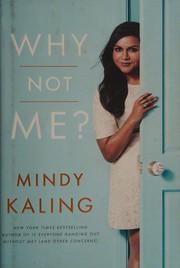
I read Why Not Me? on a couch with takeout, which is the correct pairing for Mindy Kaling essays. She published it with Crown Archetype in 2015, a 228 page memoir in pieces with ISBN 9780804138147. It follows Is Everyone Hanging Out Without Me? with more confidence and better stories. Confidence as a skill. Work rooms where she was the only woman deciding. Dating with standards under jokes. Body image without shame or forced pride. Hollywood specifics that translate to any office. Kaling writes like a friend who made it and remembers exactly how the door looked before it opened. Funny first. Honest underneath.
The title essay sets the thesis. Why not me. Not as affirmation poster but as working question. Kaling describes watching male comedy writers assume they belong in rooms while she audits herself for permission. She learned to ask for work she once waited to be given. Showrunning. Directing. Producing. Each ask felt presumptuous until done. Then it felt normal. That normalization is the book gift to readers outside Hollywood. You do not need to feel confident to act confident. Act, survive embarrassment, repeat. Confidence follows evidence. The essay lists small asks that built her. Pitch the episode. Request the raise. Say no to the photo angle. Each no easier than the last. Young women write to Kaling that the chapter sits taped to mirrors. I believe it. Mine would have helped at twenty five.
Office years
The Office stories are the best workplace writing in the book because they are specific rather than gossipy. Kaling joined as a writer performer, the only woman in the room for stretches, and learned to pitch jokes that men would hear. She describes rewriting scenes on set while wearing a costume that itched. She describes Steve Carell kindness in concrete terms. He learned names. He shared credit. She describes showrunner pressure without naming villains. Notes that contradict. Hours that stretch. A body that gains weight under stress while cameras notice. Her take on tokenism avoids both bitterness and gratitude performance. She was hired for diversity and stayed for talent. Both can be true. Readers who never watched the show still get the office. Rooms where you translate yourself to be heard. Meetings after meetings where decisions happen. Kaling gives tactics. Speak early. Write the idea down so it survives interruption. Befriend the assistant who knows schedules. Office survival as told by someone who won the room without becoming someone else.
Mindy Project chapters continue the education with more power and new problems. Running a show means hiring, firing, and absorbing blame for ratings. Kaling writes about casting herself as lead when networks wanted thinner. She kept the role by producing the show that proved it. She writes about dating crew gossip with clear rules. No secrets at work. Date outside the call sheet if possible. Those rules come from mistakes she names without lingering. A relationship that made work awkward. A crush handled badly. The honesty about being the boss who still wants to be liked helps managers more than any leadership book. Authority and approval rarely coexist. Choose authority kindly and let liking follow or not.
Dating and body
Dating essays mix self mockery with standards that hold. Kaling jokes about string beans versus richer men, about crushes on colleagues, about online dates that end with dessert alone. Underneath she insists on care. Pay attention. Call back. Do not mock appetites. Her body image chapters refuse both shame and forced celebration. She likes food. She dislikes Spanx philosophy that comfort must be earned. She describes dress fittings where samples do not fit and assistants apologize to the dress rather than to her. That detail, small and sharp, says everything about industries built for one shape. Kaling does not claim to love her body daily. She claims the right to dress it well and feed it without apology. That modesty reads more honest than manifestos.
Friendship gets tender chapters often skipped in summaries. Kaling writes about her mother death between books with restraint that breaks the comedy rhythm on purpose. A paragraph about calling home and remembering no one answers. Then back to jokes because grief works that way. She writes about girlfriends who tell truth about lighting and scripts. Keep friends who say the dress is wrong and the joke is right. Those friends appear in photo captions and acknowledgments more than in scenes, which feels true to adult friendship. Present off page. Decisive in crises. The book dedicates its warmth to them without making them content.
What works and what strains
What works is voice. Kaling writes sentences that sound spoken by someone smart who wants you to laugh first. Lists. Asides. Rankings of fears. Fake memos. The humor carries chapters that could sag. A network notes meeting becomes comedy with stakes. A red carpet becomes anthropology. Beneath jokes the advice holds. Ask. Document. Tip well. Call your parents. Her specificity helps. She names salaries negotiated, hours worked, and foods eaten. Memoirs that stay abstract about money and eating feel thinner beside this. Kaling tells what lunch cost and who paid. That concreteness trusts readers with reality rather than brand.
The strain is insularity and repetition for series readers. Hollywood problems dominate. Assistants. Pilots. Press tours. Readers outside media may tire of inside names after 150 pages. Dating essays repeat the confident but lonely frame. Body chapters circle the same fitting room. Fans of the first book will recognize rhythms. New readers should start here rather than with book one. It is sharper and kinder. Either way expect essays rather than arc. No transformation completes. Confidence builds and wobbles by design. The final chapter admits as much. Asking why not me works until the next room with bigger men. Ask again louder. That honesty beats a bow.
Who it is for
Read it if you like funny memoirs with usable advice, or want Hollywood from a writer room rather than a red carpet. It pairs well with Tina Fey Bossypants for rooms and Amy Poehler Yes Please for warmth. Kaling is blunter about ambition than either, which some will love and others will find much. Content notes are light. Dating and sexual content discussed frankly without graphic detail, body image talk with diet mentions, grief over a parent death, and workplace sexism quoted to condemn. Suitable for teens and up.
I finished wanting to email Kaling thanks and ask for a job, in that order. The book makes ambition feel friendly rather than gross. Wanting bigger rooms is not arrogance when you plan to hold doors for others. Kaling names mentees she hired. Writers rooms she diversified. Jokes she gave away. That record backs the title question. Why not me becomes why not us when spoken by someone with hiring power. For a 228 page book read between deliveries, that is a substantial takeaway to carry to Monday. Ask for the room. Bring friends. Order dessert without apology. The rest is logistics and lighting, both of which can be learned.
A note on order
Read Is Everyone Hanging Out Without Me? first only if completist. Why Not Me? stands alone with brief recaps. The mother grief threads across both, heavier here. Either order works for jokes. Chronological order works for career arc. Start here for confidence. Start at book one for origin. Both end with takeout worthy of the couch.
Asking specifics
Kaling asking advice deserves quoting in spirit because it is usable Monday. When negotiating, she names a number first so anchoring starts high. When pitching, she brings three ideas so rejection has somewhere to go. When running rooms, she hires funny people who are kind in emails, because meanness leaks into scripts. Those tactics come from years of being the only woman deciding. She also documents everything after meetings where men repeat her ideas louder. A follow up email with credit claimed politely. That paper trail matters more than any speech about fairness. Young workers in any field can copy the moves without a comedy career. Write it down. Send the recap. Ask for the title that matches the work. The worst answer is no with information. The best is yes with back pay. Kaling got both kinds. She reports each with jokes that do not hide the math.
Mother grief
The mother thread across both books lands harder here because Kaling writes it shorter. Her mother, a doctor who prized education and fed everyone, died between books. Kaling mentions it in asides rather than chapters. A recipe that fails. A phone habit with no receiver. A hospital scene recalled in two sentences. That brevity reads as control rather than avoidance. Grief this fresh cannot sustain essays yet. It leaks around edges of dating and body chapters. A man who calls his mother daily seems husband material. A dress fitting without her opinion feels pointless. Readers who lost parents will recognize the infiltration. Loss does not get its own chapter. It edits all the others. Kaling lets it edit without centering it. The book stays funny because she stayed working. Work was the family habit. Keep going is the tribute.
Confidence specifics
Kaling confidence advice works because it names behaviors rather than attitudes. Keep a brag file of wins to reread before asks. Rehearse numbers aloud so they sound normal. Wear clothes that fit the room you want rather than the one assigned. Those tactics sound small until tried. Readers report the brag file helps most. Women trained to deflect praise need paper proof of work. Kaling keeps hers in a phone note with dates and quotes. Performance reviews. Nice emails. Ratings bumps. Reviewing it before negotiations steadies voice. The book also warns confidence has costs for women of color that white peers skip. Being called difficult. Being labeled aggressive. Kaling names those taxes without letting them set prices. Ask anyway. Document response. Bring friends to witness. Confidence here is collective practice rather than solo glow. Tape the essay to mirrors. Then hire someone who needs the same note.
Food as thesis
Food writing carries more argument than jokes suggest. Kaling loves eating and refuses to apologize in an industry that pays women to shrink. She describes burgers with the attention critics reserve for cinematography. Juice runs. Buns hold. Fries crisp. Those paragraphs do political work lightly. Appetite is allowed. Bodies that eat can also run rooms. Her famous avoidance of exercise evangelism fits the same stance. Move for fun. Eat for joy. Dress the result well. Readers tired of wellness mandates will exhale. No thirty day plans. No shame fasts. Just takeout on couches between long days, shared with friends who order extra. That image closes the book better than any empowerment slogan. Order what you want. Share if you like. Pay without flinching. Confidence tastes like fries eaten hot while deciding next moves.
Kaling on assistants deserves a paragraph because she was one and hires them now. She remembers fetching coffee while rewriting jokes in her head, being invisible in rooms she would later run. As a boss she learns names fast, answers emails herself when possible, and credits writers publicly for bits that land. Those habits come from scarcity memory rather than management books. Staff who feel seen pitch better. She also fires kindly when needed, with severance and references rather than gossip. That decency costs money and returns loyalty that shows in credits. Young workers reading for tactics should note the assistant chapters most. How to take notes that get you invited back. How to leave a job with doors open. Kaling maps both with jokes that do not hide the math. Assist today. Decide tomorrow. Thank everyone who fetched for you by fetching for others when you can. The chain holds rooms together better than talent alone. Remember who fetched for you. Fetch for the next one sooner. The room widens with each chair added. Pull one up. Ask loudly. Mean it kindly. Repeat weekly.
FAQ
When was Why Not Me? published?
Crown Archetype published it in 2015. The hardcover runs 228 pages and the ISBN is 9780804138147.
Who is in Why Not Me??
No cast. Kaling, her mother and father, friends, and coworkers.
Is it part of a series?
No. It stands alone after Is Everyone Hanging Out Without Me?
Similar books

Scrappy Little Nobody
Anna Kendrick's essays trace her path from a Portland childhood and Broadway to Hollywood, with jokes, anxiety, and a refusal to pretend fame fixed her.
2,092-word summary · 9 min read
Talking as Fast as I Can: From Gilmore Girls to Gilmore Girls
Lauren Graham looks back on broke actress years, Parenthood, and playing Lorelai Gilmore twice in this funny 2016 memoir.
2,701-word summary · 12 min read
Is Everyone Hanging Out Without Me?
Mindy Kaling recalls Boston childhood, Dartmouth comedy, New York hustle, and The Office writers room.
2,239-word summary · 10 min read

Dear Girls: Intimate Tales, Untold Secrets & Advice for Living Your Best Life
Ali Wong's debut collects fourteen letters to her daughters, covering sex, money, work, marriage, Vietnam, and being a working Asian American mother.
2,266-word summary · 10 min read

My Horizontal Life: A Collection of One-Night Stands
Handler turns dating disasters and family chaos into brash comic essays about single life in Los Angeles.
2,304-word summary · 10 min read
How to Be a Woman
Moran mixes girlhood and work stories into plain feminist advice.
2,600-word summary · 12 min read

The Girl with the Lower Back Tattoo
Amy Schumer mixes raunchy jokes with frank essays on family, dating, body image, and the shooting that pushed her into gun control advocacy.
2,259-word summary · 10 min read
Not That Kind of Girl: A Young Woman Tells You What She's Learned
Girls creator Lena Dunham's essays on work, bodies, love, and family, frank and funny with uneven edges.
2,156-word summary · 10 min read

Holidays on Ice
Six Christmas pieces, from a Macy's elf stint to a feral family newsletter. Sedaris at his sharpest and most sentimental.
2,410-word summary · 11 min read

Let's Explore Diabetes with Owls
Sedaris gets French dental work, feeds a kookaburra in Australia, shops for a stuffed owl in London, and survives China, airports and a colonoscopy.
2,538-word summary · 11 min read

Calypso
Sedaris buys a Carolina beach house, grieves his sister Tiffany, tends his aging father, and turns illness and marriage into dry family comedy.
2,835-word summary · 13 min read
Sh*t My Dad Says
A comedy writer moves home and writes down his blunt fathers funniest lines with love.
1,961-word summary · 9 min read

Are You There, Vodka? It's Me, Chelsea
Handler mines family, jail, dating, and travel for brash essays where oversharing is both joke and shield.
2,186-word summary · 10 min read
Furiously Happy: A Funny Book About Horrible Things
Jenny Lawson mixes blunt talk about depression with wild stunts and taxidermy to argue for grabbing joy on purpose.
2,963-word summary · 13 min read
Let's Pretend This Never Happened: A Mostly True Memoir
The Bloggess turns a strange Texas childhood and anxious adult life into a funny, warm memoir about family.
2,479-word summary · 11 min read

When You Are Engulfed in Flames
In twenty two essays Sedaris tries to quit smoking in Japan, buys a skeleton, fights spiders in Paris, and files dry reports from France on family, country…
2,974-word summary · 13 min read
Naked
Growing up odd in Carolina, working bad jobs, and learning to watch people closely and kindly.
2,020-word summary · 9 min read

Dress Your Family in Corduroy and Denim
Sedaris on snow days, rental houses, Dutch Christmas, and the family that made him funny.
3,098-word summary · 14 min read
Everything I Know About Love
Dolly Alderton recalls bad dates flatshares and female friendship in her twenties memoir.
2,194-word summary · 10 min read
Yes Please
Amy Poehler moves from Boston childhood through UCB and SNL to Parks and Recreation in this 2014 memoir. Funny essays on work, motherhood, divorce, and saying…
2,668-word summary · 12 min read
Me Talk Pretty One Day
Sedaris on French classes, family chaos, and learning to speak badly in two languages.
2,111-word summary · 9 min read

Bossypants
Tina Fey moves from Pennsylvania childhood through improv and SNL to 30 Rock in this funny 2011 memoir. Expect backstage stories, jokes about work and…
2,301-word summary · 10 min read
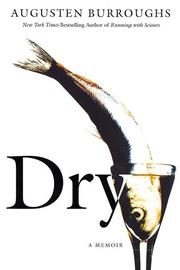
Dry
A memoir of drinking, rehab and relapse, and the strange business of getting sober one morning at a time.
2,643-word summary · 12 min read
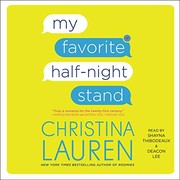
My Favorite Half-Night Stand
Millie, a criminology professor who has always been one of the guys, invents a secret dating profile and matches with her best friend Reid.
2,362-word summary · 10 min read

Liar's Poker
Michael Lewis recalls his years as a Salomon Brothers bond salesman in the 1980s, when bluffing paid better than analysis and the mortgage machine was just…
2,405-word summary · 11 min read
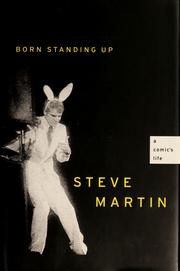
Born Standing Up: A Comic's Life
Steve Martin's memoir of how a shy Disneyland magician's assistant built a strange avant-garde act, and why he walked away from stand-up at his peak.
2,034-word summary · 9 min read
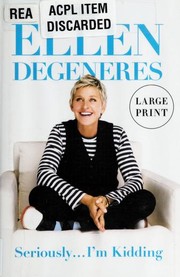
Seriously...I'm Kidding
DeGeneres strings show stories and home jokes into light life advice.
2,292-word summary · 10 min read
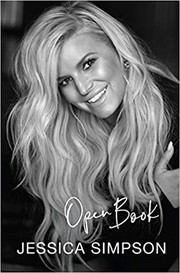
Open Book
Simpson replays pop fame, love and drink through recovery work.
2,552-word summary · 11 min read
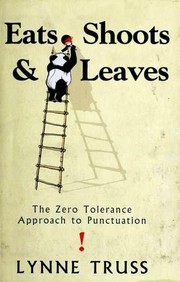
Eats, Shoots & Leaves
Truss defends commas with jokes about pandas and posters.
2,423-word summary · 11 min read
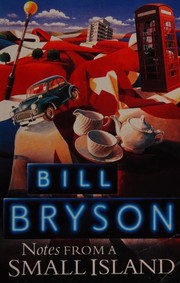
Notes from a Small Island
Bill Bryson's 1995 farewell tour of Britain, funny and fond, from Dover to London, the north, Scotland and Wales.
2,301-word summary · 10 min read