
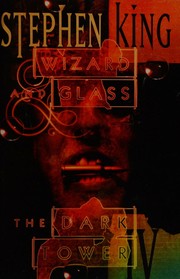
Wizard and Glass
1,938-word summary 9 min read 787 pages in the book
- First published
- 1997
- Publisher
- Donald M. Grant
- Pages
- 787
- ISBN
- 9781880418383
- Series
- The Dark Tower (#4)
Reading options
What's inside (4 sections)
The Dark Tower detour that many call the best love story King ever wrote. Wizard and Glass by Stephen King was first published in August 1997 by Donald M. Grant, a 787 page hardcover with ISBN 9781880418383. It is book four of The Dark Tower. Roland and his ka tet are stuck on Blaine the train, answering riddles to live. To buy time, Roland tells his youth in Hambry. I read the frame in a night and the flashback across a week, because Mejis deserves slow evenings.
Blaine the Mono opens with menace that is pure King delight. A sentient monorail gone insane, rhyming and threatening to crash with everyone aboard unless outriddled. Eddie tells bad jokes that work. Susannah finds the logic holes. Jake trusts Roland to know when to stop the game. The riddling runs long by design. Stupid riddles to bore an insane computer. It works because the ka tet performs like a family talent show under death sentence. When Blaine demands silence at Topeka end, the crash feels earned rather than lucky. Brains over bullets, for once, with jokes as weapons.
Then Hambry. Roland at fourteen with Cuthbert and Alain, sent east to hide from Marten plots while Gilead rots. They pose as stock boys counting supplies. They find oil, treason, and Susan Delgado. Susan is promised to the mayor as gilly for an heir. She loves Roland from first ride. He loves her back with the absolutism only teens manage. Their love unfolds against a harvest festival, a glass ball that shows futures, and old witches who sell poisons with smiles.
Mejis
Hambry world building is King at his most patient and sensual, which is why this book divides Tower fans who want plot. Fields. Horses. Oil tanks disguised as ranch gear. The town of Hambry with its pavilion, sheriff office, and whorehouse with a kind madam. Cuthbert jokes through danger. Alain reads emotions with touching calm. Roland tries to lead while lovesick. Their friendship feels fourteen in the best ways. Dares. Slingshots. Promises sworn over fire. Readers who grew up with Stand by Me boys will recognize the trio grown lethal. Same loyalty. Higher stakes.
Susan Delgado deserves center as more than tragic love. She is a ranch girl who agreed to be mayor concubine to save her aunt debt, then meets Roland and understands the price fully for the first time. Her chapters show calculation, not just swooning. How to delay the mayor. How to hide letters. How to ride at dawn to meet Roland without stable hands telling. She chooses Roland knowing it ruins her bargain and maybe her town. That agency matters when later events punish her for it. She was not tricked. She chose and paid. The book respects that choice even as it mourns cost.
Rhea of the Coos is the villain who steals every scene by being truly vile without camp. Old, wart bitten, and owed favors by(time, she keeps the pink glass Wizard Glass that shows truths designed to destroy. She shows Susan futures that lie by selecting. She poisons minds with visions tailored to break. Her snake Ermot follows like a purse. When she curses Susan after betrayal, it lands because pettiness has real power here. Small cruelties, nursed for decades, move more plot than armies. King writes her without sympathy and without winking. Hate her properly. She earned it.
The pink glass itself is the series hinge this book exists to place. One of thirteen magic balls from the old ones, each showing possible futures that addict viewers. Roland looks and sees Tower and loss. Susan glimpses and misunderstands. Later, Roland will carry that addiction into present quest. The glass teaches the Tower lesson early. Visions help and hollow both. Look too long and you stop acting. Roland learns too late for Susan. He spends the rest of his life trying to look away by walking toward the thing shown. Paradox as plot. It works because love, not lore, pays for it.
A fair note. The Hambry middle runs 500 pages inside an 800 page book. Readers wanting Blaine resolution fast will fidget. Stick through. The slow harvest fair, with ribbons and pig roasts, makes the burning at the end hurt proportionally. Joy established at length destroys fully. King knows this math from Salem Lot onward. Happiness on page is tinder. Still, one ranch inventory could have been cut. I skimmed cattle counts and missed nothing. The payoff, when oil plans reveal treason, needs less ledger.
Glass and loss
The fall comes through betrayal by people Susan trusted, which hurts worse than Rhea magic. Her aunt sells timing for debt relief. The mayor takes what he believes purchased. Townsfolk watch a witch burning they half doubt because fear beats doubt when harvest depends on favor. Roland arrives too late with guns that cannot shoot crowds into sense. Susan dies in fire meant to purify. Roland hears her screams through glass visions he cannot stop. That helplessness defines him more than any gunslinger creed. Love witnessed burning and survived. Barely.
Cuthbert and Alain hold Roland through aftermath with friendship that does not preach. They bury who can be buried. They ride out with Roland silent for miles. They do not say it was for the Tower or for the best. They stay. That staying is the ka tet origin more than any oath later. Shared grief as bond. When present day Eddie and Susannah hear the tale, they understand Roland distance differently. Not coldness. Scar tissue over a wound that never closed because glass keeps showing it. Jake, youngest, gets it fastest. He lost his own innocence to doors and trains. Boys who saw too young recognize each other without speeches.
Back on Blaine, the tale buys survival and costs sleep. The train accepts the story as riddle answer in a stretch that works emotionally if not logically. What is the answer to loneliness and loss. Roland life. Blaine, insane but moved, runs to Topeka end and lets them off before dying as promised. Some readers find the story as answer too soft for a machine. I took it as King point about narratives. Data does not satisfy hunger for meaning. Stories might, briefly, even for computers. Blaine wanted a tale worth crashing for. He got one. So did we.
What stays with me is not Tower lore but first love rendered without irony. Roland and Susan ride, talk, and promise with teen absolutism that adults mock at peril. They mean forever at fourteen and pay forever prices. King, who often writes kids well and sex awkwardly, gets both right here by keeping scenes tender and brief. Hands held. Letters hidden. No lingering male gaze. Love as recognition, not conquest. That restraint makes the burning unbearable in the right way. You mourn what was clean in a dirty town.
Read it after The Waste Lands, not alone. Give Mejis slow evenings, not binges. Skim cattle if you must, but do not skip pavilion dances. Notice who watches Susan when she rides. Rhea always does. So does Roland. One with hunger. One with love. Learn the difference early. It will save you later when glass shows futures designed to confuse. Look briefly. Act kindly. Keep walking toward the Tower with friends who stay after fire. That is the whole Dark Tower ethic in one Hambry summer. Ka like a wind. Love like an anchor. Both real. Alain quiet strength deserves a last salute as the third leg that steadies the stool. Not funny like Cuthbert. Not fierce like Roland. Just steady with the Touch that reads emotions and guns alike. He notices Susan fear before she speaks. He notices Roland lying to himself about odds. He says little and means it all. When the fall comes, he holds positions others abandon without speeches about honor. Doing the job while grieving is his whole character. Teams need an Alain who watches while stars burn bright and fast. Remember his calm when later books test loyalties. It holds. The Mejis harvest fair deserves a last sensory pass as the joy that makes burning hurt proportionally. Ribbons. Pig roasts. Dances where Susan wears a dress the color of dawn. King spends pages on celebration that some readers skim as filler. Do not. Happiness established at length destroys fully. That is his math from Salem Lot onward. Light the town brightly so darkness shows. Susan laughing with friends at the fair, unaware of Rhea watching from edges, is the image to keep. Joy with a watcher in shadows. The fall lands because the fair felt real, not staged. Savor it on reread even knowing the fire comes. Especially then. Cuthbert humor deserves its own salute as survival tool rather than decoration. He nicknames horses, teases Roland about blushing, and performs circus shots to buy seconds that matter in sieges. When Susan dies, his jokes stop for chapters, which scares Alain more than any enemy advance. Silence from the funny one means true dark. His return to gentle humor at the end signals healing started, not finished. Teams need a joker who knows when not to joke. Cuthbert learns the timing at terrible cost in Hambry dust.
Blaine the train deserves a last word as more than framing device. A sentient monorail gone insane from loneliness and logic paradoxes, rhyming threats while speeding toward Topeka end. Eddie defeats him with bad jokes that break perfect logic loops, which is the book thesis in miniature. Stories beat systems when systems go mad. Blaine wanted a tale worth crashing for and got Roland youth in full. Data does not satisfy hunger for meaning, even in machines. That idea will echo through the whole Tower quest. Keep it in mind when later books offer technological shortcuts. They cost more than riddles. Susan letter to Roland, hidden in a saddlebag and found too late, deserves the final word here. Forgive yourself the rescue you could not make. Love me by living past me. Roland carries those lines into every later mile, reciting them when glass tempts despair. Words outlast riders. Keep them. Read it after The Waste Lands, not alone. Give Mejis slow evenings. Ka like a wind. Love like an anchor. Both real. Jonas and the Big Coffin Hunters deserve mention as villains with texture beyond Rhea cackling. Aging killers for hire who smell of tobacco and old leather, professional enough to track teens across desert without hurry. They underestimate Cuthbert slingshot and Alain stillness because youth looks soft to men who count scars. That underestimate costs them at the canyon where boys use terrain like hunters taught by Cort. Experience loses to youth with better cause and home ground. Coral, the mayor whore with a kind streak, deserves mention as Hambry moral gray done right. She shelters Susan information and pays for it with position. No speeches about sisterhood. Just a door left unlocked at the right hour. Small treasons like that accumulate into the town conscience that Rhea cannot fully smother. Remember who leaves doors open in occupied towns. They matter more than gunmen when counting the saved. Sheemie kind heart deserves a gentle last note as the book conscience that survives fire. A simple boy who loves Susan without understanding courts, bringing wildflowers and warnings both. She treats him with dignity no one else bothers to offer. That dignity returns as help in the escape attempt that almost works. Kindness to the overlooked pays in unexpected hours. Remember Sheemie smile when counting the saved. Few. Precious. Enough to keep walking toward the Tower.
FAQ
When was Wizard and Glass published?
Donald M. Grant published it in August 1997. It runs 787 pages and the hardcover ISBN is 9781880418383.
Is it part of a series?
Yes. It is book four of The Dark Tower after The Waste Lands, before Wolves of the Calla. Read in order.
Similar books
More from The Dark Tower first, then related titles.
The Gunslinger
Roland chases the man in black across desert to the tower, losing Jake and learning ka is a wheel.
2,071-word summary · 9 min read
The Drawing of the Three
Wounded on a beach, Roland pulls two strangers from New York through doors to survive and keep moving toward the Tower.
3,252-word summary · 14 min read
The Waste Lands
Jake rejoins ka tet through Lud toward Blaine riddle ride.
2,072-word summary · 9 min read
Wolves of the Calla
Roland and his ka tet defend a farming town from robotic Wolves while Father Callahan offers a deadly magic ball.
2,331-word summary · 10 min read
Song of Susannah
Mia takes Susannah to 1999 New York to bear a chap while Roland meets his author in Maine.
2,051-word summary · 9 min read
The Dark Tower
Roland and his ka-tet storm the Breakers prison and cross harsh lands toward the Tower, where Roland must face what waits at the top and learn the price of his…
2,897-word summary · 13 min read
Fairy Tale
A grieving teen cares for a recluse and his old dog, then finds a shed well leading to Empis, a fading world at war.
3,203-word summary · 14 min read
Something Wicked This Way Comes
Two boyhood friends meet a late October carnival that feeds on secret wishes, while Will's father learns how to fight it.
2,869-word summary · 13 min read
The Graveyard Book
A toddler escapes the murder of his family and is raised by ghosts in a graveyard, learning from the dead while the killer who hunts him waits outside.
2,786-word summary · 12 min read
Rose Madder
After fourteen years of abuse, Rosie Daniels flees her cop husband and finds a painting that opens into a dangerous mythic world.
2,349-word summary · 10 min read
Insomnia
Widowed Ralph stops sleeping in Derry and sees small doctors with scissors deciding who lives and dies.
3,605-word summary · 16 min read
The Girl Who Loved Tom Gordon
Nine-year-old Trisha McFarland strays off the Appalachian Trail and spends days lost in Maine woods with a Walkman and Tom Gordon on her mind.
2,957-word summary · 13 min read

Different Seasons
Four novellas: prison hope, a boy and an old Nazi, kids chasing a body, and a club that grants wishes with teeth.
1,974-word summary · 9 min read
The Green Mile
Guard Paul Edgecombe watches John Coffey show healing miracles on death row in 1932 Louisiana.
2,549-word summary · 11 min read
It
Seven friends in Derry face a shape shifting evil as kids in 1958 and again as adults in 1985.
2,229-word summary · 10 min read
The Thief
A boastful young thief is pulled from a prison to steal a legendary stone for the king's magus, and the story he tells about himself is not the whole story.
2,514-word summary · 11 min read

The Tale of the Body Thief
Lestat trades bodies with a psychic thief for one day of mortality and ends up trapped, sick, and hunting his own vampire body.
2,069-word summary · 9 min read

The Icebound Land
Captured and enslaved in Skandia, Will fights a drug that erases him while Halt and Horace cut a bloody road through Gallica to bring him home.
2,088-word summary · 9 min read

Secrets of the Dragon Sanctuary
Kendra is replaced by a plant copy and held by the Society, while Seth steals a unicorn horn so the family can enter a dragon sanctuary.
2,590-word summary · 12 min read

Lioness Rampant
Alanna searches for the Dominion Jewel with the Shang Dragon, then returns to Tortall to face Duke Roger at Jonathan's coronation.
2,478-word summary · 11 min read
Chainsaw Man, Vol. 1: Dog and Chainsaw
A broke teenage devil hunter and his chainsaw dog get a second life, a government leash, and a fight that stops mid-swing in Fujimoto's horror comedy.
2,584-word summary · 11 min read

Magician's Gambit
Garion and his companions cross haunted Maragor and the caves beneath Rak Cthol to recover the Orb of Aldur.
2,391-word summary · 11 min read
Enchanters' End Game
Garion marches toward Torak while Ce'Nedra leads the West's army in the final Belgariad volume, where prophecy and war meet.
2,557-word summary · 11 min read
The Chalice of the Gods
Percy needs three recommendation letters from three gods to apply to college, so his first quest is recovering a stolen chalice from the god of old age.
2,106-word summary · 9 min read
The Ship of the Dead
Magnus and his crew sail to the edges of the Norse worlds to stop Loki from launching Naglfar, the ship of the dead.
2,426-word summary · 11 min read
Fool's Errand
FitzChivalry Farseer has lived in exile for fifteen years. When Prince Dutiful vanishes before his betrothal, Fitz returns to Buckkeep to find him, with a wolf…
2,606-word summary · 12 min read
The Sword of Shannara
A young half-Elf and a company of companions set out to recover a magic sword before the Warlock Lord destroys the Four Lands.
2,474-word summary · 11 min read
Magician: Apprentice
An orphan kitchen boy and a smith's son grow up in a frontier castle just as invaders from another world open a rift and begin a war that will change both of…
2,114-word summary · 9 min read
Locke & Key, Vol. 1: Welcome to Lovecraft
After their father is murdered, the Locke children move into a haunted family estate where keys unlock doors to ghosts, other places, and dangerous secrets.
2,019-word summary · 9 min read

In the Hand of the Goddess
Alanna, still disguised as a boy, survives war, court plots, and a death duel as the Goddess's chosen warrior in the second Song of the Lioness book.
2,018-word summary · 9 min read