
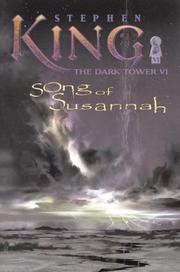
Song of Susannah
2,051-word summary 9 min read 432 pages in the book
- First published
- 2004
- Publisher
- Scribner
- Pages
- 432
- ISBN
- 9781880418598
- Series
- The Dark Tower (#6)
Reading options
What's inside (10 sections)
I came to Song of Susannah braced for a bridge book. Stephen King published it in 2004 with Scribner. My reading follows the 432 page hardcover. It is the sixth in The Dark Tower. Susannah, taken by Mia, carries a demon child to New York while Roland and Eddie meet their maker. It is strange, metafictional, and more exciting than its reputation as setup.
After Wolves of the Calla, Susannah Dean's body is usurped by Mia, a demon mother who wants to bear a chap. Using Black Thirteen, Mia travels through the Unfound Door to New York City in 1999. Susannah rides along inside, fighting for control, watching through eyes she can not steer. That possession premise drives horror and heart. A woman pregnant against will, sharing mind with a mother who loves the child inside her.
Mia and Susannah share skin
Mia is tragic and terrifying. She was barren, promised a child by dark forces, and believes this chap will save her. She eats obsessively to feed it, buys baby clothes in Manhattan stores, and talks to the belly. Susannah, furious and scared, talks back inside. Their dialogues, rendered in shifting fonts and voices in print, capture two mothers in one body with opposite aims. One wants the child for prophecy. One wants her self back.
King writes pregnancy horror with care. Swollen feet in summer heat. Back pain on subways. Strangers touching belly without leave. Mia endures with joy. Susannah endures with rage. Both feel the chap kick. That shared sensation complicates hate. Susannah hates Mia but pities her hunger to mother. Mia hates Susannah's resistance but needs her strength. Their uneasy pact, to survive birth, gives the New York chapters tension beyond chase.
Susannah's past as Detta and Odetta surfaces under stress. Her anger at being used, as Black woman, disabled woman, mother unwilling, fuels resistance. She recalls Eddie's love, Roland's teaching, Jake's trust. Those memories are weapons. A scene where she sings to herself to hold identity while Mia shops for a crib moved me. Song as self. That is why title fits.
Mia's trip through New York in 1999, with its diners, payphones, and towers still standing, grounds fantasy in recent past. King describes Manhattan with tourist clarity that suits a demon seeing it first time. Mia marvels at plenty while Susannah notes prices and dangers. That double vision makes familiar streets eerie.
Roland, Eddie, and the author
Roland and Eddie, with Manni help, plan to follow. Their thread splits. Jake and Father Callahan go after Susannah through New York doors to save the Rose. Roland and Eddie land in Maine in 1977 to find Calvin Tower and protect the lot, then stumble toward a man named Stephen King.
Yes, King writes himself in. Young Eddie and ancient gunslinger meet their author, a man in Maine in 1977 who started their story and stopped after an accident. King portrays himself as flawed, scared, drinking, gifted, and crucial. He learns his books are real in another world. He must keep writing or the Tower falls. That metafiction could be cute. Here it is eerie and funny. Roland, who never jokes, interrogates King about why he abandoned them. King has no good answer beyond fear and life. That scene, with a gunslinger staring down his creator, justifies the whole volume.
Eddie shines in Maine. He confronts his old enemy Balazar's men with gunslinger calm he did not have books ago. He protects Tower, the bookshop owner who holds the lot deed, with a mix of threat and plea. His growth from junkie to gunslinger completes here. He can lie, shoot, and forgive. A diner confrontation with Balazar's crew, with Roland calm and Eddie talking fast, crackles.
Jake and Callahan in New York give the book heart. Jake, a boy who died twice, follows Susannah with Oy the bumbler, loyal and brave. Callahan, the priest from Salem's Lot who failed and found purpose, carries faith that works against vampires and mobsters alike. Their pursuit through 1999 New York, with its kindness and menace, balances Roland's mythic weight with street level care. A scene where Callahan spends his last money on food for Jake rather than weapons says what ka-tet means.
Jake, Callahan, and the Rose
Jake Chambers carries the book's moral clarity. A boy who died in our world and lives in Mid World, he loves Susannah as mother and sister both. He follows her through the Unfound Door with Oy, who trots, barks, and loves beyond sense. Their trek through 1999 New York, asking after a pregnant Black woman with a strange companion, shows decency as detective work. Shopkeepers remember kindness. A homeless man shares a bench and a warning. Jake listens where adults rush.
Father Callahan walks beside him with faith tested in Salem's Lot and Calla. He carries the Rose in his heart as surely as the lot in Manhattan holds it in soil. His alcoholism, past cowardice, and present courage mix without sermon. He prays when useful and acts when prayer stalls. A scene where he spends his last cash on hot dogs for Jake and Oy rather than bullets captures his priesthood better than any homily. Feed the boy. Fight later.
The Rose itself, growing in a vacant lot on Second Avenue, glows with quiet power. It is the Tower's proxy, fragile and infinite. Tower, the bookshop owner whose name is joke and destiny, must be convinced to keep the lot from developers who serve the Crimson King. Eddie and Roland handle him with threats and pleas that reveal gunslinger ethics. Do not lie. Do not waste. Protect the small beautiful thing even if you do not understand it. That command fits the whole series.
New York in 1999 feels elegiac to readers now. Towers standing. Payphones working. Diners cheap. King writes it with love and dread because he knows what September brings. That hindsight adds ache no character feels. We want to warn streets that must fall. Instead we watch ka-tet hurry through them toward a birth that must happen. History presses on fantasy. Both feel real.
Oy deserves special praise. The bumbler, part dog, part badger, part child, speaks little and loves much. He tracks Susannah by scent through crowds, comforts Jake with warmth, and faces dogs and men without flinch. King writes animals with respect, never cute props. Oy's loyalty shames human betrayals around him. When he whines at a door behind which Mia cries, you understand more than dialogue explains. Love hears through wood.
King meets his characters
The author meeting chapters risk cuteness and earn strangeness instead. King portrays himself in 1977 as a young father writing in a laundry room, drinking too much, scared of his own visions. Roland stares at him with contempt and need. You left us. You stopped. Eddie, who knows addiction and recovery, recognizes a fellow sufferer and speaks more gently. That split response, wrath plus empathy, saves the metafiction from self flattery. The creator is judged by creatures who suffered his neglect.
Their demands are practical. Keep writing. Protect the Rose. Remember the Beam. King protests he is just a man with bills and fears. Roland answers that ka does not care. That exchange reframes inspiration as obligation. If you start a world, you owe it finish. For writers reading, it stings. For readers, it thrills. The man who scared you for years admits he is scared too, then agrees to go on.
The Coda with journal pages about King's 1999 accident deepens the unease. A van hits him on a Maine road. He nearly dies. In the books, the tet must save him or lose their world. Life and fiction lean on each other like drunks. King writes about pain, rehab, and returning to the desk with a limp that mirrors Roland's own wounds. Those parallels could feel forced and instead feel fated. The numbers 19 and 99 pulse through hospital charts and chapter headings alike. Coincidence becomes ka.
What I admired is King's willingness to look weak on page. He shows himself arguing with his wife about writing, missing deadlines, and fearing the ending. Roland watches tanpawe. Eddie jokes to ease. That humility lets the fantastical premise breathe. A god author who admits hangovers is more believable than one who thunders. The Tower needs a tired man to type, not a prophet to decree.
Doors, roses, and beams
The book's cosmology could confuse, so it helps to name pieces plainly. Doors between worlds open on hinges of need and black stones. The Rose in Manhattan holds the Tower's health in one fragrant point. Beams that support all worlds fray as the Crimson King attacks. Black Thirteen, the evil ball, eats minds that stare. Those nouns sound silly listed and feel grave in story because characters treat them with practical fear.
Susannah navigates doors while pregnant and possessed, which makes her the book's most physically brave figure. She vomits through jumps, bleeds, and keeps counting. Roland recognizes her endurance as gunslinger proof. He says so rarely, which makes his one praise land hard. You stood. That is enough.
What holds all pieces is ka-tet as family by choice. Roland, Eddie, Susannah, Jake, Oy, Callahan. They share food, watch, and stories across worlds. When separated, they feel phantom limbs. That bond makes bridge book ache rather than stall. Reunion becomes promise that pulls to final volume.
A bridge worth crossing
Fans sometimes rank this lowest in the series because it sets up more than settles. I understand and disagree partly. Yes, birth waits for book seven. Yes, the Rose still stands unguarded. But Mia's hunger, Jake's devotion, Eddie's stand, and King's self reckoning give this volume its own arc about carrying. Everyone carries something. Child. Rose. Gun. Guilt. Manuscript. Those carried weights align by the end into one march toward the Tower. At 432 pages it reads faster than thicker entries because chapters cut quickly between worlds. Trust the bridge. It sways, but it holds. The other side is the final book, and this crossing makes arrival matter more. That is honest work for a penultimate volume, not filler.
What hums and what creaks
What hums is momentum and daring. Short chapters. Cliffhangers. Songs. The book reads fast for 432 pages because every thread ends on pull. Mia's hunger. Jake's chase. Eddie's standoff. King's journal. The Coda with pages from a writer's journal, where King describes his 1999 accident that nearly killed him, blurs life and story in ways that thrilled me. The number 19 and 99 recur like drumbeats. Fans will grin. Newcomers may puzzle, but the story carries.
What creaks is bridge nature. Little resolves. Susannah does not give birth until next volume. The Rose is not saved yet. The author meeting promises more than delivers here. Readers who want self contained plot will feel teased. This is Act Two of a finale that needs book seven. Accept that and enjoy the ride. Demand closure and you will sigh.
The prose mixes western flatness, horror heat, and memoir plainness in the Coda. Action is clear. Body horror is visceral but not gory wallow. New York detail is affectionate. Maine woods are damp and real. King avoids purple even when writing about demons and roses. That restraint keeps strange believable.
Length at 432 pages suits the tale. No bloat, though the Manni ritual opening is dense with names. Push through. The payoff is a ka-tet scattered across worlds and times, each piece vivid, all heading toward the Tower.
Who should hear
Give Song of Susannah to Dark Tower readers who finished Wolves of the Calla and need the turn toward the end. Do not start here. You will drown in ka, tet, rose, and doors. Pair it with a reread of The Gunslinger's opening line to feel how far Roland traveled from desert to Maine to meet his author.
At 432 pages I read it in four nights, marking Mia pages. Susannah starts sharing skin unwillingly and ends singing to hold self while carrying a child she did not choose. That song, defiant and maternal at once, is why the book matters past setup. To be used and still sing is gunslinger work. The Tower is closer, and the cost is clearer.
FAQ
When was Song of Susannah published?
Scribner published it on June 8, 2004. The hardcover runs 432 pages and the ISBN is 9781880418598.
Is it part of a series?
Yes. It is book six of The Dark Tower, between Wolves of the Calla and The Dark Tower.
Who is Mia?
A demon mother barren and promised a child, who uses Susannah's body through Black Thirteen to reach New York.
Similar books
More from The Dark Tower first, then related titles.
The Gunslinger
Roland chases the man in black across desert to the tower, losing Jake and learning ka is a wheel.
2,071-word summary · 9 min read
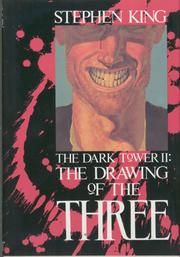
The Drawing of the Three
Wounded on a beach, Roland pulls two strangers from New York through doors to survive and keep moving toward the Tower.
3,252-word summary · 14 min read

The Waste Lands
Jake rejoins ka tet through Lud toward Blaine riddle ride.
2,072-word summary · 9 min read
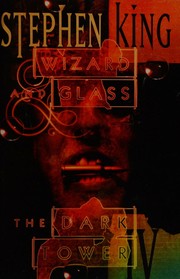
Wizard and Glass
Stuck on a deadly train, Roland tells of Susan Delgado and how the tower took his youth.
1,938-word summary · 9 min read
Wolves of the Calla
Roland and his ka tet defend a farming town from robotic Wolves while Father Callahan offers a deadly magic ball.
2,331-word summary · 10 min read

The Dark Tower
Roland and his ka-tet storm the Breakers prison and cross harsh lands toward the Tower, where Roland must face what waits at the top and learn the price of his…
2,897-word summary · 13 min read
Rose Madder
After fourteen years of abuse, Rosie Daniels flees her cop husband and finds a painting that opens into a dangerous mythic world.
2,349-word summary · 10 min read
Fairy Tale
A grieving teen cares for a recluse and his old dog, then finds a shed well leading to Empis, a fading world at war.
3,203-word summary · 14 min read

The Talisman
Twelve-year-old Jack Sawyer flips between America and the Territories to find a Talisman that can save his dying mother.
2,050-word summary · 9 min read

The Bands of Mourning
Wax and Wayne hunt a mythical metalmind while southern visitors and the Set close in.
2,461-word summary · 11 min read
Library of Souls
Jacob must use hollows to free ymbrynes from a soul jar fortress.
1,989-word summary · 9 min read

Full Dark, No Stars
Four novellas about revenge where ordinary people do terrible things and live with it.
2,646-word summary · 12 min read
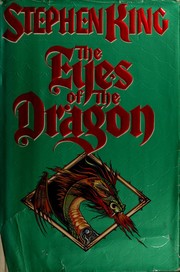
The Eyes of the Dragon
In the kingdom of Delain, a jailed prince and his younger brother face a magician whose long plot for the throne turns on a napkin clue.
2,018-word summary · 9 min read

Skeleton Crew
King's 1985 collection pairs The Mist with The Jaunt, The Raft, and Survivor Type: 22 stories of Maine dread.
3,209-word summary · 14 min read
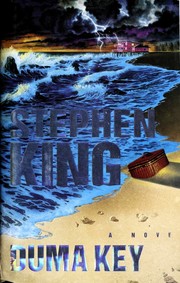
Duma Key
After losing his arm, Edgar Freemantle paints on a Florida island and learns his pictures can open doors for something hungry.
2,530-word summary · 11 min read
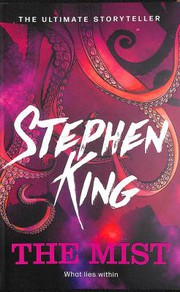
The Mist
Mist full of creatures traps a Maine supermarket while Mrs. Carmody builds a congregation inside.
2,104-word summary · 9 min read
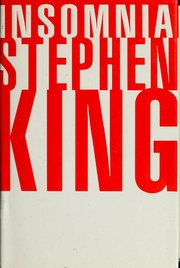
Insomnia
Widowed Ralph stops sleeping in Derry and sees small doctors with scissors deciding who lives and dies.
3,605-word summary · 16 min read

The Girl Who Loved Tom Gordon
Nine-year-old Trisha McFarland strays off the Appalachian Trail and spends days lost in Maine woods with a Walkman and Tom Gordon on her mind.
2,957-word summary · 13 min read
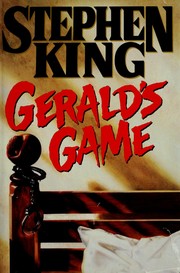
Gerald's Game
Handcuffed to a bed after her husband dies, Jessie Burlingame faces thirst, a stray dog, and buried memories over 28 hours.
2,940-word summary · 13 min read
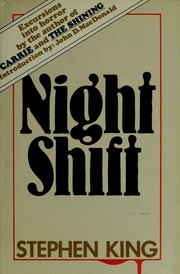
Night Shift
King's first story collection moves from haunted mills to killer cornfields, twenty early tales where ordinary places turn evil.
2,488-word summary · 11 min read
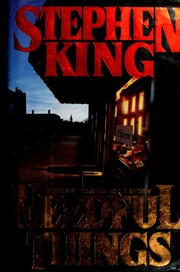
Needful Things
A smiling man sells exactly what you want for cash plus one small cruelty to a neighbor.
2,007-word summary · 9 min read
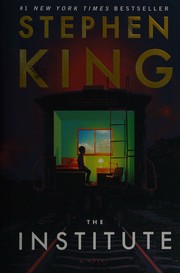
The Institute
A kidnapped prodigy wakes in a Maine facility where gifted kids earn tokens in Front Half and vanish from Back Half.
3,814-word summary · 17 min read
The Green Mile
Guard Paul Edgecombe watches John Coffey show healing miracles on death row in 1932 Louisiana.
2,549-word summary · 11 min read
11/22/63
A Maine teacher steps through a diner portal to 1958 to stop the Kennedy assassination, and learns the past resists change while a new life pulls him in.
2,799-word summary · 12 min read

The Thief
A boastful young thief is pulled from a prison to steal a legendary stone for the king's magus, and the story he tells about himself is not the whole story.
2,514-word summary · 11 min read

The Tale of the Body Thief
Lestat trades bodies with a psychic thief for one day of mortality and ends up trapped, sick, and hunting his own vampire body.
2,069-word summary · 9 min read

The Blinding Knife
Kip trains to join the Blackguard while the Prism hides his true identity, loses his colors, and fights a war against a rogue drafter who wants to birth a god.
2,049-word summary · 9 min read
Ship of Magic
A sentient ship wakes when her captain dies, and the family that owns her starts to come apart over who gets to sail her.
2,026-word summary · 9 min read

Inkdeath
The final Inkworld novel sends Mo into the land of the dead, leaves Meggie choosing between two boys, and ends the Adderhead's immortality with three written…
2,062-word summary · 9 min read

Dawnshard
Rysn sails toward forbidden Akinah to save her dying larkin and finds a Dawnshard guarded by the Sleepless.
3,229-word summary · 14 min read