
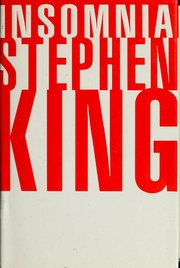
Insomnia
3,605-word summary 16 min read 787 pages in the book
- First published
- 1994
- Publisher
- Viking
- Pages
- 787
- ISBN
- 9780670855032
Reading options
What's inside (8 sections)
I picked up Insomnia because a friend told me it was the sad old-man book Stephen King wrote between the big horror hits, and I expected something quiet about grief and sleepless nights. What I got was that, plus interdimensional surgeons, auras, a plan to crash a plane into a concert hall, and a direct on-ramp into the Dark Tower. Published in 1994 by Viking at 787 pages, ISBN 9780670855032, this is one of King's longest and strangest middle-period novels. It starts small and domestic and ends with the fate of multiple universes. I loved parts of it and I was frustrated by parts of it, which feels about right for King at this stage.
Ralph Roberts is 70, recently widowed, living on Harris Avenue in Derry Maine. His wife Carolyn died after a long and painful fight with cancer, and Ralph is trying to learn how to be a person alone. He has his routines, his walk to the park, his chats on the bench, his awkward attempts to stay useful. Then the sleep starts to go. First he wakes an hour early. Then two hours early. Then three. Then he barely sleeps at all. Anyone who has had real insomnia will recognize the particular hell King describes here. It is not just being tired. It is the fraying at the edges, the short temper, the way the world starts to look thin and buzzing. King writes that part beautifully.
This is Derry, Maine in all its haunted glory, the same town from IT, and King makes sure you feel the weight of it. Bad things have happened here for decades and the town has learned to look away.
The Widower Who Stops Sleeping
Ralph Roberts is not a hero in the usual King mold. He is not a writer with a drinking problem or a kid with shining powers. He is a retired mill worker with high blood pressure, sore knees, and a dead wife he still talks to in his head. That ordinariness is the point, and for the first hundred pages or so King just lets you live with him.
Ralph wakes at 3:15, then at 2:30, then earlier still. He tries warm milk, TV, walks, everything your doctor tells you not to do. Nothing works. His doctor shrugs it off as age and stress. His neighbor Bill McGovern teases him about it. His other neighbor, Lois Chasse, understands it a little more because she is lonely too and she is starting to have trouble sleeping herself.
Lois Chasse is wonderful. She is in her late sixties, neat and funny and a little prickly, living alone with her starfish curtains and her pride. She and Ralph circle each other in that careful widowed way, afraid to seem foolish, afraid to admit they like company. Their early scenes are my favorite in the book. They go for coffee. They complain. They notice each other.
Around them is the Deepneau problem. Helen Deepneau is a young mother Ralph knows from the library and from around the neighborhood, bright and friendly and increasingly bruised. Her husband Ed Deepneau is changing. Ed used to be a decent, quiet research chemist. Now he is ranting about abortion, about baby-killers, about a secret war. He hits Helen badly enough to send her to the hospital and then to the women's shelter. Ralph tries to help and gets punched for it. Ed starts handing out pamphlets for a pro-life group and talking about the Crimson King as if the man is whispering in his ear.
King sets all this in the late summer and fall of 1993, with Derry gearing up for a huge political rally. Feminist writer and activist Susan Day is coming to speak at the Derry Civic Center about abortion rights, and both sides are planning demonstrations. Ed is obsessed with it. Ralph is worried about Helen and her little daughter Natalie. And through it all, Ralph is sleeping less and seeing more.
At first it is colors. He sees faint gray auras around people, like heat shimmer. Then he hears things he should not hear, thoughts almost. Then he sees things moving at the edge of vision, white coats flashing, scissors snipping. He thinks he is losing his mind from exhaustion. Any sensible 70-year-old would.
Derry Begins to Bleed Through
The second stretch is where the book shifts from sad realism to low-key horror. Ralph's insomnia keeps deepening into something else, a kind of hyper-awareness. He can see the life-force around living things. He can hear other people's inner monologues as a faint babble. And Derry itself feels sick.
If you know King's work, you know Derry is never just a town. It is a place where violence pools. Kids vanish. Adults pretend not to notice. Insomnia leans on that history hard. Ralph starts remembering things that happened years ago. He walks past the Barrens and the standpipe and the library and feels the old bruises. Lois feels it too.
Helen Deepneau becomes the moral center for a while. She leaves Ed, takes Natalie, goes to the shelter run by Susan Day's local allies. She is trying to rebuild. Ed stalks her, leaves insane notes, shows up at Ralph's building ranting about dead babies and the coming cleansing fire. He attacks his former friend, he threatens people, he is clearly being steered by something outside himself. Ralph, sleep-starved and furious, wants to punch Ed into next week, but Ed is younger and stronger and increasingly gone.
Meanwhile Ralph and Lois grow closer. She admits she is waking earlier too. She sees the colors now. They compare notes like kids comparing colds and realize they are experiencing the same impossible thing. That shared secret pushes them from neighbors to partners. It is sweet and a little heartbreaking because both of them thought romance was finished for them.
King also brings in Mike Hanlon in a small but fun cameo. Mike works at the library now and remembers Derry's old horrors. He tells Ralph, in so many words, that Derry is thin. Bad things get in easily here.
Here is where I have my first fair criticism. King wants to talk about abortion, domestic violence, and small-town apathy, and he does, at length. Some of those passages land. Helen's fear feels real. The shelter scenes feel researched and angry in a good way. But the Susan Day material can feel like a lecture slipped into a ghost story. You can tell King is furious at bullying in the name of morality, and I agree with him, but he gives both sides speeches that slow the plot just when Ralph's visions should be speeding it up. At 787 pages, you feel every extra speech.
Still, the slow build works for the horror. When Ralph first clearly sees one of them on the street at night, a tiny bald man in a white coat carrying scissors, it is genuinely chilling because King waited so long.
He looked like a doctor who had shrunk in the wash, and he was cutting something I could not see, and smiling while he did it.
That image stuck with me longer than any gore scene.
Clotho, Lachesis, and the One You Do Not Want to Meet
About a third of the way in, King finally explains, sort of. The Little Bald Doctors are real. Their names are Clotho and Lachesis and Atropos, taken straight from the Greek Fates who spin and measure and cut the thread of life.
Clotho and Lachesis show up in Ralph's living room, three feet tall, bald, big-eared, kind in a brisk doctorly way, and deeply sorry to have scared him. They explain that most people live and die according to a plan called the Purpose. Some deaths are random, pointless, cruel, and those belong to the Random. Most humans are short-timers, living ordinary spans. A few are long-timers with more influence. Almost no one is an all-timer who never dies naturally.
Ralph and Lois, because their insomnia has lifted them a level higher in perception, can now see auras and enter slightly higher levels of reality. That is why they can see the doctors. That is also why they have not gone completely insane. Their bodies are adjusting.
Clotho and Lachesis say they serve the Purpose. They deliver lives, they ease deaths, they try to keep the balance. Atropos, the third doctor, has gone rogue. He is cruel, childish, obsessed with trophies like locks of hair and shoelaces and fingernails cut from people whose lives he ended early. He cuts threads he should not cut. He delights in accidents. And he has found a new friend.
This is classic King exposition, meaning it goes on for about 80 pages with metaphors about office buildings and higher floors and balloons on strings. I will be honest. I skimmed a little here on my first read. On my second read I liked it more because Clotho and Lachesis have real personality. Lachesis is the talker, warm and tired. Clotho is quieter, more formal, with a sense of duty. They like Ralph. They chose him because he is decent and stubborn and because Carolyn, his wife, was supposed to die a little later than she did. Atropos nipped her thread early to hurt Ralph, to start his insomnia, to make him sensitive.
That reveal hit me harder than all the cosmology. Ralph's grief was not just bad luck. It was tampering. And now the doctors want his help. They cannot directly stop Atropos because of rules that bind beings like them. But a short-timer who can see, a mortal who can act on their level for brief moments, might be able to.
Lois is terrified and wants to say no. Ralph wants to say no. They are in their seventies and they want naps and peace. But Helen is in danger, and Natalie is in danger, and something much larger is moving behind Atropos.
The doctors warn Ralph not to trust everything he sees. They tell him Ed Deepneau is now Atropos's tool. Ed thinks he is saving unborn children. In truth he is being fattened with delusions and rage for a single act of mass murder.
The Crimson King and the Boy Who Draws the Tower
This is where Insomnia stops being a Derry domestic drama and plugs straight into King's larger myth. Behind Atropos stands the Crimson King, the red-eyed would-be ruler of many worlds who wants to topple the Dark Tower that holds reality together.
If you have not read the Dark Tower books, this will sound wild. If you have, it will click into place fast. The Tower stands at the center of all worlds, held up by Beams of force and history. Break the Beams and everything collapses into chaos, which the Crimson King would rule. One way to break a Beam is to kill certain special people whose lives support it. One of those key figures is a small boy living in Derry right now.
Patrick Danville is four years old, the son of a young artist mother, quiet, gifted, strange. Ralph meets him in the park while walking. Patrick draws pictures that are far beyond his age. A tower in a field of roses. A cowboy kneeling and reloading. A red king with evil eyes. A man in overalls with scissors. Patrick does not fully understand what he sees, but he sees true. He will one day grow into someone who matters enormously to the Tower, and the Crimson King wants him dead now while he is defenseless.
The plan is brutal and clever. Susan Day will speak at the Derry Civic Center on October 8th to a crowd of thousands. Patrick's mother plans to bring him. Ed Deepneau, who has been stealing explosives and learning to fly a small plane, will fly a Cessna loaded with explosives over the Civic Center during the speech and crash it into the building. The public story will be that a crazed fanatic killed a feminist heroine. The secret story will be that the Crimson King traded thousands of lives to snuff out one boy who could help save the Tower.
Ed does not know all that. He thinks the voices are telling him to strike a blow for the unborn. Atropos whispers to him, shows him bloody visions, cuts the people around him who might calm him down. Bill McGovern, Ralph's chatty friend, becomes one of Atropos's victims, killed in a way that looks like an accident but is not. The town's anger rises. The rally feels like a powder keg even before the plane enters the picture.
Ralph and Lois are horrified to learn how small their role is supposed to be. Clotho and Lachesis do not ask them to save the world. They ask them to stop Atropos from arranging one small murder that will put Patrick in the Civic Center at the wrong time, or keep Helen from pulling him out. Just tilt one domino back upright. The larger battle with the Crimson King, they say, is beyond short-timers.
Ralph refuses to accept that limit. This is what makes him such a good King protagonist. He is polite, he is old-fashioned, he says yes maam and no sir, and he absolutely will not leave a child to die because cosmic rules say so.
My second criticism lives here. King loves a secret king behind the curtain, and the Crimson King as presented here is more idea than character. He appears as visions, as a red eye, as ranting graffiti Ed scrawls. He feels huge and vague at once. If you come to Insomnia cold, you may find the last 200 pages lurch from kitchen-sink realism into fantasy jargon about levels, Beams, short-timers and long-timers. King tries to bridge it with Ralph's confusion, which helps, but there are chapters where people sit around explaining the universe while Ed is literally loading a plane with explosives. The tension leaks.
And yet Patrick won me over. He is not a cute movie kid. He barely talks. He draws and draws. When Ralph looks at one of Patrick's drawings and sees Roland the gunslinger so clearly that his hands shake, I got chills. King connects a lonely old man in Derry to an epic quest in another world without making Ralph feel small. He makes him feel necessary.
The Night of the Rally
The final act is long, tense, and very King in the best way. Derry is packed, angry, scared. Protesters and counter-protesters crowd the streets around the Civic Center. Police are everywhere. Helen Deepneau is working security for Susan Day, trying to turn her own beating into something useful. Lois Chasse refuses to stay home. Ralph can barely keep his eyes open but his sight has never been sharper.
Clotho and Lachesis take Ralph and Lois up, level by level, past the normal world into places where time moves differently and thoughts have color. Lois almost cannot bear it. Ralph holds her hand. Together they slip into the Civic Center, unseen, to find Atropos waiting.
Atropos is hideous and pitiful at once. He is bald and naked and grinning, surrounded by his stolen trophies, his scissors up. He has already arranged for Patrick to be in the auditorium. He has already cut threads that will make rescue hard. He taunts Ralph about Carolyn, about how easy it was to snip her a little early, about how Ralph is too old and too slow.
What follows is not a gunfight. It is two old people fighting a godling with love and stubbornness. Lois, who has spent the whole book thinking she is weak, proves to be fierce when it counts. Ralph, who can only stay on the higher level for minutes without his body failing, uses those minutes to wrestle Atropos, to blind him, to take his scissors, to ruin his plans. He does not kill Atropos outright. He breaks his power over this one night, which is enough.
Outside, Ed Deepneau takes off in his plane. In his mind he is a warrior of God. In reality he is sweating, crying, hearing the Crimson King cheer him on. Ralph, stretched thin between worlds, reaches for Ed's mind. He cannot reason with him. Ed is gone. So Ralph does something simpler and more terrible. He nudges, he pulls, he imposes his will on the controls and the delusion just enough to spoil the aim.
Instead of diving into the packed hall, Ed's plane slams into the nearly empty parking lot and eastern annex. The explosion is massive. People die, including Ed. Windows shatter for blocks. But the Civic Center does not collapse. Susan Day lives. Helen lives. Most importantly, Patrick Danville lives, pulled from danger at the last moment because Ralph and Lois changed the small conditions Atropos had set.
King stages this without making Ralph superhuman. Ralph vomits, his nose bleeds, his heart hammers dangerously. He is 70 and he just fought on two planes of existence at once. Lois holds him up literally and emotionally. It is heroic because it costs so much.
Short paragraph to breathe. They saved the boy.
Then King gives you the bill.
The Price of Staying Awake
King never lets a miracle go unpaid, and the last 100 pages are about cost. Clotho and Lachesis thank Ralph and Lois, which feels strange and solemn coming from three-foot bald surgeons. They tell Ralph the Purpose must balance. He interfered with death on a large scale. He stepped outside his short-timer life. To restore balance, something must be given back.
Atropos, humiliated and furious, had already laid a trap for the future. He showed Ralph a vision of a day years ahead when a car will strike and kill Natalie Deepneau, Helen's daughter, unless someone intervenes. The doctors offer Ralph a choice. He can live out his natural span in peace with Lois, marry her, have a few good years, and let fate take Natalie when the day comes. Or he can promise now that when that day arrives, he will trade his life for hers.
Ralph does not hesitate long. Anyone who has watched him grieve Carolyn, fuss over Natalie in the park, fall in love with Lois late in life, knows what he will do. He says yes. Lois, furious and heartbroken, understands. She would do the same.
The book then jumps forward. Ralph and Lois marry. They have four genuinely happy years, the kind of late-life happiness King writes with surprising tenderness. They travel a little, they bicker about food, they hold hands at movies. Ralph sleeps normally again, mostly. Lois gardens. It is ordinary and precious after all the cosmic horror.
And then the promised day comes. Ralph sees the car, sees Natalie in its path in Derry, and moves without thinking. He pushes her clear and takes the impact himself. He dies as he lived at his best, quickly, deliberately, for someone else. Lois is shattered. She dies not long after, in her sleep, of what the obituary calls grief and what readers will recognize as a broken heart that had already given everything.
Is that a happy ending? King thinks it is, sort of. Ralph kept his word. Natalie lives to have a life she should have had. Patrick lives to play his part in the battle for the Tower. Derry survives another wound without forgetting completely. Love, for a few years, beat insomnia and death and kings.
I found the ending moving and a little cruel, which is probably intentional. After 700 pages of learning to adore Ralph and Lois as a couple, watching them get only four years feels unfair. But that is the book's argument. Time is short for short-timers. What matters is what you do awake inside it. Ralph spent most of his life asleep in routine. Insomnia woke him up, literally and morally, and he used his last clear-eyed years well.
If I am being fair, and Insomnia deserves fairness, I have to say the flaws are real. It is too long. The middle explanation of the Purpose and the Random repeats itself. The abortion debate, while sincere, sometimes turns characters into mouthpieces. Ed Deepneau starts as a tragic figure, a sick man being used, and ends as a cartoon with a plane. The Crimson King works better as a shadow than as a schemer, and King shows him a little too much here. New readers who do not care about the Dark Tower may wonder why they spent 200 pages saving a four-year-old who barely speaks.
Read it anyway for Ralph Roberts and Lois Chasse. They belong with King's best ordinary heroes. The book understands old age from the inside, the fear of uselessness, the embarrassment of new love, the anger at a body that betrays you, the late discovery that attention is a form of love. Staying awake to really see your neighbor, your town, your own grief, that is the real magic here, more than auras or scissors or red kings. When Ralph tells Lois he is afraid to sleep and afraid not to sleep, I believed him completely. When Lois tells Ralph she is too old to be brave and then is brave, I believed her too.
Insomnia is messy, tender, frightening, and overstuffed. It took me a while to finish. I am glad I stayed awake for it.
FAQ
Is Insomnia part of the Dark Tower series?
It is not an official volume, but it introduces the Crimson King and Patrick Danville, both central to later Tower books.
Do I need to have read IT before Insomnia?
No, but it helps. Insomnia returns to Derry with cameos like Mike Hanlon and hits harder if you know the town's past.
Is Insomnia too scary for a new King reader?
It has abuse and attack scenes plus cosmic horror, but most fear comes from aging, loss, and sleep loss rather than gore.
Similar books
The Tale of the Body Thief
Lestat trades bodies with a psychic thief for one day of mortality and ends up trapped, sick, and hunting his own vampire body.
2,069-word summary · 9 min read
Locke & Key, Vol. 1: Welcome to Lovecraft
After their father is murdered, the Locke children move into a haunted family estate where keys unlock doors to ghosts, other places, and dangerous secrets.
2,019-word summary · 9 min read
Horns
Accused of killing Merrin Williams, Ig Perrish wakes with horns that force strangers to confess their darkest sins.
2,264-word summary · 10 min read

The Talisman
Twelve-year-old Jack Sawyer flips between America and the Territories to find a Talisman that can save his dying mother.
2,050-word summary · 9 min read
NOS4A2
Vic McQueen's bike finds lost things through a bridge, pitting her against Manx's Rolls-Royce ride to Christmasland.
2,060-word summary · 9 min read
Lisey's Story
Two years after her novelist husband dies, Lisey Landon follows a trail of clues into his childhood and the other world that made him a writer.
1,998-word summary · 9 min read
Everything's Eventual: 14 Dark Tales
Fourteen Stephen King stories shuffled by the deal of a card deck, from the haunted room of 1408 to quiet tales of grief that sting as much as the monsters.
2,000-word summary · 9 min read

If It Bleeds
Holly Gibney faces an outsider plus three more tales of dread.
2,219-word summary · 10 min read
Four Past Midnight
Four novellas about a plane lost in time, a writer haunted, and horrors small and large.
2,584-word summary · 11 min read
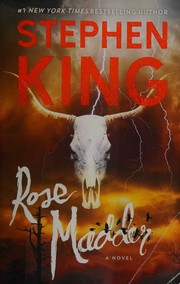
Rose Madder
After fourteen years of abuse, Rosie Daniels flees her cop husband and finds a painting that opens into a dangerous mythic world.
2,349-word summary · 10 min read

Skeleton Crew
King's 1985 collection pairs The Mist with The Jaunt, The Raft, and Survivor Type: 22 stories of Maine dread.
3,209-word summary · 14 min read
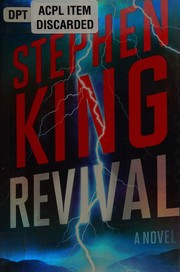
Revival
Jamie Morton shadows preacher Jacobs from boyhood healings to electric cures that open a door best left shut.
2,037-word summary · 9 min read
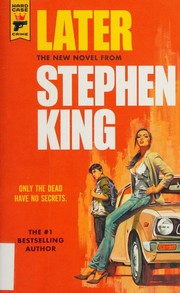
Later
Boy Jamie Conklin sees dead people who must answer truthfully, pulling him into NYPD cases and a drug crew's greed.
2,009-word summary · 9 min read
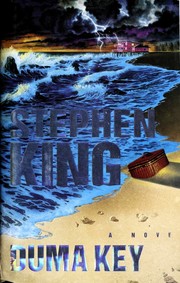
Duma Key
After losing his arm, Edgar Freemantle paints on a Florida island and learns his pictures can open doors for something hungry.
2,530-word summary · 11 min read
The Dark Half
A Maine novelist buries his violent pen name George Stark, then faces murders that carry his own fingerprints.
2,956-word summary · 13 min read
Desperation
Travelers on Highway 50 are hauled into empty Desperation, Nevada, where a possessed deputy serves an old thing in the mine.
2,993-word summary · 13 min read
Song of Susannah
Mia takes Susannah to 1999 New York to bear a chap while Roland meets his author in Maine.
2,051-word summary · 9 min read
The Dark Tower
Roland and his ka-tet storm the Breakers prison and cross harsh lands toward the Tower, where Roland must face what waits at the top and learn the price of his…
2,897-word summary · 13 min read
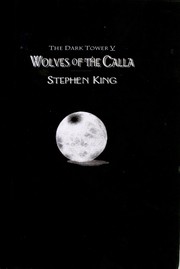
Wolves of the Calla
Roland and his ka tet defend a farming town from robotic Wolves while Father Callahan offers a deadly magic ball.
2,331-word summary · 10 min read
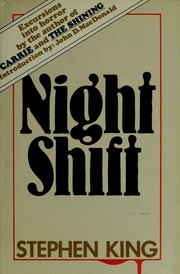
Night Shift
King's first story collection moves from haunted mills to killer cornfields, twenty early tales where ordinary places turn evil.
2,488-word summary · 11 min read
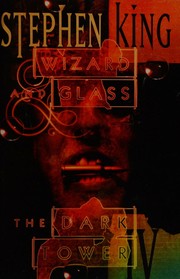
Wizard and Glass
Stuck on a deadly train, Roland tells of Susan Delgado and how the tower took his youth.
1,938-word summary · 9 min read
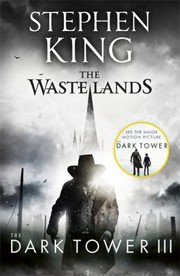
The Waste Lands
Jake rejoins ka tet through Lud toward Blaine riddle ride.
2,072-word summary · 9 min read
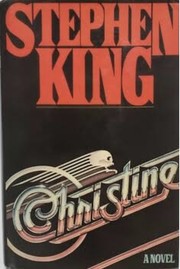
Christine
Misfit Arnie restores a wrecked 1958 Plymouth Fury that takes him over, forcing best friend Dennis and girlfriend Leigh to fight back.
2,106-word summary · 9 min read
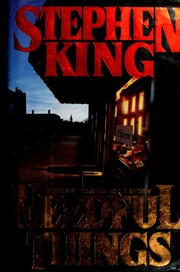
Needful Things
A smiling man sells exactly what you want for cash plus one small cruelty to a neighbor.
2,007-word summary · 9 min read
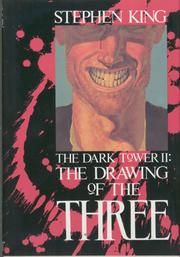
The Drawing of the Three
Wounded on a beach, Roland pulls two strangers from New York through doors to survive and keep moving toward the Tower.
3,252-word summary · 14 min read
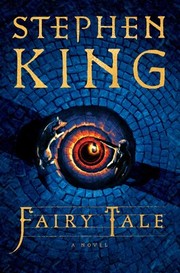
Fairy Tale
A grieving teen cares for a recluse and his old dog, then finds a shed well leading to Empis, a fading world at war.
3,203-word summary · 14 min read
Doctor Sleep
Grown Dan Torrance gets sober in New Hampshire and helps gifted Abra Stone face the True Knot.
2,841-word summary · 13 min read
The Outsider
Coach Terry Maitland's DNA and witnesses point to an impossible murder, until Ralph Anderson and Holly Gibney trace it to El Cuco.
2,586-word summary · 11 min read
The Green Mile
Guard Paul Edgecombe watches John Coffey show healing miracles on death row in 1932 Louisiana.
2,549-word summary · 11 min read
The Gunslinger
Roland chases the man in black across desert to the tower, losing Jake and learning ka is a wheel.
2,071-word summary · 9 min read