
Reading options
What's inside (8 sections)
- The Kid From Gideon Everyone Thinks Killed Merrin Williams
- Waking Up With Horns That Make People Confess
- Glen, Gossip, and a Town That Already Decided
- Lee Tourneau and the Friend Who Hid Everything
- Turning More Devilish and Learning What the Horns Want
- Reckoning in the Foundry and What Ig Chooses
- Key takeaways
- FAQ
I came to this one because I liked Heart-Shaped Box and wanted more Hill. A friend said it starts with a hungover guy growing horns. That sounded like a gimmick. I read the first hundred pages in one sitting because the setup is that sticky.
The book came out in 2010 from William Morrow. It runs 384 pages in the edition I read. It follows Ignatius Martin Perrish, called Ig, in the year after his girlfriend Merrin Williams was raped and murdered. Everyone in his New Hampshire hometown thinks he did it. Then horns start growing out of his head.
What pulled me in was how fast Hill mixes grief with black comedy. One page Ig is crying in his car outside his parents house. The next page a stranger is telling him about an affair with a coworker and asking what to do. That whiplash should not work, but it does, because both halves come from the same wound. Ig lost the person who made him decent, and now nobody will let him pretend he is decent.
The Kid From Gideon Everyone Thinks Killed Merrin Williams
Ig grew up in Gideon, New Hampshire, in a family that stood out. His father is a musician. His mother is practical and sharp. His older brother Terry plays trumpet on television and people in town recognize him on sight. Ig was the younger brother, less polished, more awkward, the one who loved Merrin Williams since they were kids.
Merrin is presented in flashback as bright and direct and moral in a way that made Ig want to be better. They met young. They stayed close through church youth stuff and long summers. She worked with sick kids. She went to church and meant it. She called Ig out when he acted selfish.
A year before the main story, Merrin was found dead. She had been raped and killed in the woods. Ig had been drinking heavily that night and cannot piece together his movements. He remembers fighting with her. He does not remember killing her. The police never charge him, but that hardly matters in Gideon. The town decides he did it.
Hill does a good job showing what that suspicion feels like day to day. Ig gets stared at in diners. His tires get slashed. A radio station fires him because listeners complain. Protesters show up at church. His father tries to believe him and cannot fully hide his doubt. His parish priest, Father Mould, offers counsel that feels more like surveillance. Old friends cross the parking lot to avoid shaking his hand.
One fair criticism here is that Hill stacks the misery a little high early on. Ig drinks. Ig replays the same memories. A few scenes circle the same point about small town judgment. I understood why it was needed, but I was ready for the story to move by page sixty. When it does move, it moves fast.
Waking Up With Horns That Make People Confess
After a night of heavy drinking on the anniversary of Merrins death, Ig wakes up with two hard nubs pushing out of his forehead. He thinks it is a bad dream. He finds small horns, bone hard, sensitive to touch. He ices them. He prays, in his clumsy way, for them to go away.
They do not go away. They get bigger.
What scares him more is how people act around him. A nurse tells him she wants to steal drugs. His doctor admits he wants the exam to end so he can go eat. At first Ig thinks everyone in Gideon has lost their filter. Then he understands the pattern. Near the horns, people confess. They tell him what they want and what they are ashamed of. If he pushes a little, they obey.
Hill handles this power in a clever, nasty way. It is not mind reading. It is permission. People lean in. They describe affairs and thefts and petty cruelties. A waitress explains exactly how she feels about her boyfriend. A cop admits he thinks Ig is guilty and also admits he cut corners. Ig starts to use them on purpose, mostly to ask one question in different forms. Did you kill Merrin. What happened that night.
I liked how physical Hill makes all this. The horns ache when Ig resists using them. Snakes start showing up around him, first one in the woods, then more. Fire does not hurt him the same way. Food tastes flat. His body is changing to match whatever people see in him. There is a grim joke buried there. Gideon called him a devil for a year, so his body agrees to play the part.
If you want a reason to be careful with this book, this stretch is it. The confession scenes repeat. The structure becomes visit someone, hear a secret, get a clue, move on. A couple of the secrets feel included for shock rather than plot.
Glen, Gossip, and a Town That Already Decided
Glenna Nicholson is the woman living with Ig when the horns appear, and Gideon gossip is the pressure around them.
Glenna is not Merrin. She is older, tired, funny in a blunt way, in a band, working shifts, trying to keep their apartment together while Ig falls apart. She took him in after Merrins death when nobody else wanted him around. Under the horns she admits she is thinking of leaving, that she is exhausted by the stares, that she stayed partly out of pity. It is a cruel scene and one of the most honest in the book.
Gideon itself works like a second character. There is the foundry where kids used to hang out. There is the church where Ig's family still goes and where people whisper. There is the diner where the waitress knows your order and your sins. Talk radio hosts chew over the case. Someone spray paints DEVIL on his garage and Ig almost laughs because by then it is accurate.
What makes this section work is the way Hill ties gossip to memory. Ig keeps flashing back to childhood summers with Merrin and Terry and Lee Tourneau, to swimming and treehouses and Catholic guilt and first kisses. Those memories feel warm and specific. A cherry tree where they carved initials. A trumpet left on a bed. A foundry parking lot where they drank cheap beer and talked about leaving Gideon forever. The same people who watched those kids grow up now cross the street when Ig walks by.
My criticism is that Glenna gets shortchanged as a person. She exists mostly to reflect Ig's damage and then to exit. A late scene gives her more dignity, and I appreciated that, but for a long stretch she is the tired girlfriend at the kitchen table while Ig chases ghosts.
Lee Tourneau and the Friend Who Hid Everything
Lee Tourneau grew up with Ig and Terry and Merrin. In the present he is polished and helpful, working around politics, good on camera, the friend who stayed loyal when everyone else pulled away. He drives Ig home. He tells reporters that Ig deserves due process.
Hill plants small wrong notes early. Lee remembers Merrin a little too possessively. He gets angry too fast when Ig asks about that last night. Other people under the horns say things about Lee that do not fit the loyal friend story. Terry gets evasive when Lee comes up.
I will not spoil every turn here because this is the engine of the book, but the shape is this. Merrin was pulling away from Ig in the last weeks of her life. She was kind about it and firm about it. Lee saw an opening he had wanted for years. He followed her that night. What happened in the woods was violent and selfish. Afterward he let Ig take the blame, and he helped that blame stick with small lies and well timed silence.
The strongest scenes in this stretch belong to Terry. Terry was out that night too, high and careless, trying to keep his television career and his drinking balanced. He saw something. He did not understand what he saw until later. Under the horns he admits what he did with that knowledge, which was mostly nothing, and why, which was fear. Terry loved his brother and loved himself more. That feels true in a way horror often avoids.
Lee as a villain worked for me more than I expected. He is not a monster with a grand speech. He is a needy, angry man who learned how to sound reasonable. He remembers every small kindness he did for Merrin and treats it like a debt she refused to pay. The book does not excuse Lee with a bad childhood or a single trauma. It says some people rot from the inside because they choose to.
Turning More Devilish and Learning What the Horns Want
Halfway through, Ig stops fighting the change and starts testing it.
He learns he can do more than listen. If he touches someone or focuses through the horns, he can see memory like a film. He learns he can tell people what to do and they will do it, even if it shames them later. Each time the horns grow a little longer. His skin gets tougher. His back itches where something might be forming.
Snakes multiply. They ride in his car. They show up when he is angry. Hill uses them well, not as a pet trick but as a sign of how far Ig has slid. Dogs bark until their throats give out. Only cold things like him now.
He also learns limits. Deeply religious people feel pain near him. Some people can resist for a minute if they are strong or terrified. Merrins memory seems to resist him too. He visits her grave and the horns go quiet. The book suggests, without overexplaining, that love and grief blunt the devil stuff. I appreciated that restraint.
This is where my fair criticism lands hardest. The power creep gets convenient. Ig needs to find someone, so the horns let him find them. Ig needs to survive fire, so fire stops hurting him. Hill ties it to theme, the idea that Ig is becoming what Gideon already believed he was, and that theme carries most of it. Still, two escapes felt too easy.
What kept me invested was Ig's awareness of the cost. He notices he is crueler. He catches himself toying with people who cannot fight back. There is a good, queasy scene where he realizes he has started to think of ordinary sinners the way Gideon thought of him. He hates Gideon for doing that to him. Then he does it to others. He tries to pray and finds the words come out backwards. He tries to sit in a church pew and feels the wood burn his palms.
Reckoning in the Foundry and What Ig Chooses
Everything narrows to the old foundry outside town, the rusted out building where teenagers used to drink and where Merrin died.
Ig lures Lee there, or Lee lures Ig there, depending how you read it. By this point both of them know the truth is coming out. Terry is there, broken and trying to make up for a year of silence. Eric Hannity, Ig's childhood friend turned cop, is there too. Merrins father shows up because he needs to hear it from Lee's mouth. It is crowded and hot and it smells of rust and old smoke.
Hill stages this as horror and as trial. Ig uses the horns to force Lee to speak. Lee confesses in pieces, then all at once, with excuses braided through. Underneath is the plain fact that he followed her, attacked her, left her to die, and then went home. Forcing him to say it does not fix anything. That is the point Hill keeps pressing. Truth without love is just another weapon.
The violence that follows is brutal even by Hill standards. Fire catches. Metal falls. Snakes pour through cracks. Ig is burned and still moving because he is barely human by then. He gets his hands on Lee and has to decide what kind of devil he will be. Hill gives Ig a different choice, one tied to Merrin and to the kids Lee threatened. Ig uses the last of his strength to stop Lee from hurting anyone else, knowing it will kill him.
The epilogue is quieter and sadder than I expected. Terry lives with what he did and did not do. Gideon has to live with how fast it condemned Ig. Glenna gets a small, decent goodbye that the book owed her. Ig does not get cleared in a neat press conference way. The people who matter know he loved Merrin and did not kill her.
I found the ending moving even though I questioned one beat in it. Without spoiling the exact image, Hill gives Ig a final form that is mythic and strange. It fits the fantasy logic. It also risks sentimentality. On first read it worked for me emotionally. Still, I closed the book feeling wrung out in the way good horror aims for, sad about Merrin, angry at Lee, and oddly fond of Ig despite the terrible things he did with his power.
If you like horror that stays with people rather than concepts, this is worth your weekend. It is gory and profane and sometimes baggy. It is also tender about first love and clear about guilt.
FAQ
When was Horns published?
It was published in 2010 by William Morrow. This summary follows the 384-page edition, ISBN 9780061147951.
Is Horns part of a series?
No. Horns stands alone. Joe Hill wrote it between Heart-Shaped Box and NOS4A2, with no shared series continuity.
What do Ig Perrish horns do?
Near the horns, people confess hidden sins and obey his commands. He also draws snakes, resists fire, and reads memories by touch.
Similar books
NOS4A2
Vic McQueen's bike finds lost things through a bridge, pitting her against Manx's Rolls-Royce ride to Christmasland.
2,060-word summary · 9 min read
Locke & Key, Vol. 1: Welcome to Lovecraft
After their father is murdered, the Locke children move into a haunted family estate where keys unlock doors to ghosts, other places, and dangerous secrets.
2,019-word summary · 9 min read
The Tale of the Body Thief
Lestat trades bodies with a psychic thief for one day of mortality and ends up trapped, sick, and hunting his own vampire body.
2,069-word summary · 9 min read
Lullaby
A reporter discovers that a poem in a children's book kills anyone who hears it, and his attempt to destroy every copy turns into a road trip through grief,…
2,147-word summary · 10 min read
Everything's Eventual: 14 Dark Tales
Fourteen Stephen King stories shuffled by the deal of a card deck, from the haunted room of 1408 to quiet tales of grief that sting as much as the monsters.
2,000-word summary · 9 min read
This Present Darkness
A pastor and reporter face demons over Ashton while angels answer prayer.
2,384-word summary · 11 min read

If It Bleeds
Holly Gibney faces an outsider plus three more tales of dread.
2,219-word summary · 10 min read
Four Past Midnight
Four novellas about a plane lost in time, a writer haunted, and horrors small and large.
2,584-word summary · 11 min read
Rose Madder
After fourteen years of abuse, Rosie Daniels flees her cop husband and finds a painting that opens into a dangerous mythic world.
2,349-word summary · 10 min read

The Talisman
Twelve-year-old Jack Sawyer flips between America and the Territories to find a Talisman that can save his dying mother.
2,050-word summary · 9 min read
Revival
Jamie Morton shadows preacher Jacobs from boyhood healings to electric cures that open a door best left shut.
2,037-word summary · 9 min read
Later
Boy Jamie Conklin sees dead people who must answer truthfully, pulling him into NYPD cases and a drug crew's greed.
2,009-word summary · 9 min read
The Dark Half
A Maine novelist buries his violent pen name George Stark, then faces murders that carry his own fingerprints.
2,956-word summary · 13 min read
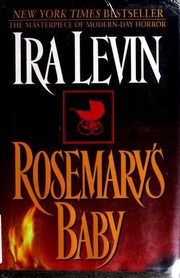
Rosemary's Baby
A young couple's dream apartment in the Bramford turns dark when helpful neighbors and a trusted doctor take over Rosemary's pregnancy.
2,665-word summary · 12 min read
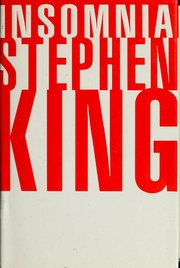
Insomnia
Widowed Ralph stops sleeping in Derry and sees small doctors with scissors deciding who lives and dies.
3,605-word summary · 16 min read
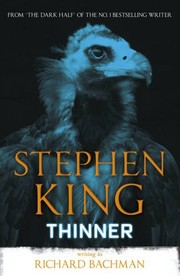
Thinner
A Connecticut lawyer escapes punishment after a fatal crash, then an old Romani father lays a wasting curse on him and the pounds start falling off.
2,502-word summary · 11 min read
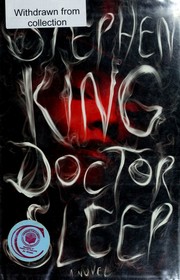
Doctor Sleep
Grown Dan Torrance gets sober in New Hampshire and helps gifted Abra Stone face the True Knot.
2,841-word summary · 13 min read
The Outsider
Coach Terry Maitland's DNA and witnesses point to an impossible murder, until Ralph Anderson and Holly Gibney trace it to El Cuco.
2,586-word summary · 11 min read
Hidden Pictures
Nanny Mallory sees Teddy drawings predict a murder in New Jersey.
2,332-word summary · 10 min read
The Shining
The Shining retold: Jack winters at Overlook with Wendy and Danny, REDRUM, hedge maze chase.
2,011-word summary · 9 min read
Heart-Shaped Box
A washed-up rock star buys a haunted suit online and must face the vengeful ghost attached to it.
2,980-word summary · 13 min read
The Only Good Indians
Four Blackfeet men who killed a pregnant elk are hunted by her spirit a decade later, and the only person who can end the cycle is a teenage girl who was not…
2,010-word summary · 9 min read

Lisey's Story
Two years after her novelist husband dies, Lisey Landon follows a trail of clues into his childhood and the other world that made him a writer.
1,998-word summary · 9 min read
At Grave's End
Cat and Bones face Max, a zombie-raising ancient vampire, and a prophecy that ties their marriage to Patra's death in the third Night Huntress novel.
2,061-word summary · 9 min read

Night Film
A disgraced journalist investigates the death of a reclusive horror director's daughter, following a red coat through hospitals, secret clubs, and a family…
2,690-word summary · 12 min read
Chainsaw Man, Vol. 1: Dog and Chainsaw
A broke teenage devil hunter and his chainsaw dog get a second life, a government leash, and a fight that stops mid-swing in Fujimoto's horror comedy.
2,584-word summary · 11 min read
Born at Midnight
Kylie Galen is sent to a camp for troubled teens and discovers it is a haven for vampires, werewolves, and witches, and that she may be something stranger…
2,310-word summary · 10 min read
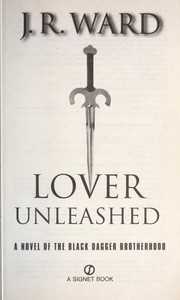
Lover Unleashed
Paralyzed vampire warrior Payne and surgeon Manny Manello collide in an adult paranormal romance, as Xcor's Band of Bastards arrives in Caldwell for revenge.
2,374-word summary · 11 min read
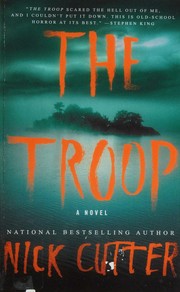
The Troop
A Boy Scout troop on a Canadian island takes in a stranger who cannot stop eating, and the worm inside him turns a camping trip into a war.
2,457-word summary · 11 min read
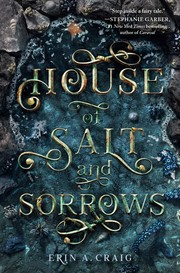
House of Salt and Sorrows
Annaleigh Thaumas investigates her sister's death in a cursed island manor where the balls are illusions and the sea god is always listening.
2,025-word summary · 9 min read