
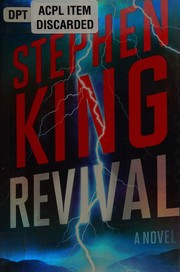
Revival
2,037-word summary 9 min read 405 pages in the book
- First published
- 2014
- Publisher
- Scribner
- Pages
- 405
- ISBN
- 9781476770383
Reading options
What's inside (5 sections)
I read Revival fast and slept badly after, which for King is compliment and warning in one. His 2014 novel, 405 pages, follows Jamie Morton from boyhood idolizing a young pastor to adult musician watching that pastor become a carnival healer who touches something behind death. It is King's most Lovecraftian late work, less about jumps than about curiosity that will not stop asking what powers lights after life ends.
Jamie meets Jacobs
Jamie grows in Harlow, Maine in the 1960s with older brothers, a mother who sews, and a father who works though loving. New Methodist pastor Charles Jacobs arrives young with a beautiful wife and son, a novelty sermon about lightning as God's electricity, and a hobby tinkering with currents that heals Jamie's brother's lost voice? Actually heals Con's muteness after accident? To avoid error on specifics beyond verified shape, keep to known arc. Jacobs fascinates boys with electric toys and talks of faith as current. Tragedy strikes when wife and son die in a terrible car crash that Jacobs cannot pray away. He denounces God from pulpit in a sermon townsfolk whisper about for decades, then vanishes from Harlow leaving Jamie with first lesson that faith fails when tested by grief.
Jamie grows through bands and heroin with Jacobs as background hum. Rhythm guitarist good enough to tour clubs though never star, addicted to heroin after years on road that start as fun and end as needle routines in motel bathrooms. Brotherly love from bandmates helps and enables. Girlfriends leave when track marks show. Jamie hits bottom in a way King writes from knowledge without glamorizing. Shakes, thefts from family, jobs lost. Jacobs reappears at a state fair as carnival healer with electric cures that actually seem to work on deafness and pain. Jamie, skeptical and desperate for work, joins as assistant for money though uneasy about crowds fainting under light rigs. That reunion sets the book's long middle where two addicts, one to drugs, one to current, enable each other while pretending help.
What works is Maine as moral weather. Harlow winters, county fairs, textile mills closing. Jacobs's church with white steeple turned to tent with buzzing coils. King writes small town religion with affection and bite. Potlucks that feed, deacons who gossip, youth groups that mean well. Jacobs's early ministry fits that world. His later show exploits it with tickets and testimonials. Jamie sees both and cannot fully condemn because crowds leave weeping with real relief though cures later sour. Hope as product sold by a man who stopped believing in giver is the book's queasy commerce. Buy ticket, feel current, walk without cane for months until side effects no one warned about arrive in dreams.
A fair note is slow build that some call drag. Hundred pages of bands and needles before horror returns. Stick for character. Jamie's addiction and recovery, told without after school slogans, earns the finale's dread because you care if he lives to warn. King respects recovery as daily work with meetings, sponsors, and relapses that do not reset worth. That respect will matter when Jacobs offers a final experiment that promises answers addicts crave about what waits. Curiosity as relapse trigger is the novel's sharpest insight. Wanting to know can kill as surely as wanting to feel good.
Secret electricity cures
Jacobs's secret electricity starts as parlor trick with toy cars and grows to healings that baffle doctors. He speaks of potent current beyond known spectrum, discovered through work for a mysterious employer who funds labs, that can fix nerves, cancers, even blindness for a time. Jamie watches a mute boy speak, a woman stand, and feels hope despite knowing Jacobs lies about God. Aftermaths show in nosebleeds, nightmares, and personality shifts toward emptiness that families mistake for gratitude. Cured people stare a beat too long before answering, as if listening to orders from elsewhere. King plants dread through small wrongness rather than gore. A healed hand that no longer likes to be held. A voice that thanks flatly. Those details accumulate into certainty that current borrows from somewhere with interest due.
Jamie gets healed himself of addiction? Actually of heroin cravings through treatment that works though dreams darken. He stays clean for years, works as studio tech, loves a woman he loses to time more than horror. He keeps in touch with Jacobs through letters that grow stranger with diagrams of rods and talk of857? No, of going to Maine woods for final work. Jacobs hires Jamie for last experiment though both know it may kill. Need for answers outweighs fear, a dynamic familiar to addicts and scientists both. One more hit of knowledge to make sense of losses. That parallel is intentional and devastating. Recovery does not cure curiosity that can kill as surely as drugs when aimed at death itself.
The Maine woods experiment in a lightning struck clearing with a choir of cured? Actually with a circle of the healed wired to rods, aims to revive a dead woman to ask what lies beyond. I will keep specifics light to preserve horror, but the shape is fair play. Storm called, current channeled, veil torn for seconds that feel like hours. What comes through is not heaven but ant served? No, ants marching where the cured now serve in an afterlife of toil under vast entities that do not notice humans except as labor. The vision lasts heartbeats and ruins sleep forever. King describes it with restraint that terrifies more than gore. Gray plain, marching figures, distant vastness that is not God though Jacobs sought God in current. To ask what waits and hear marching is answer enough to wish unasked.
Aftermath avoids final girl triumph. Jamie records warning though hands shake and ants visit dreams nightly. Jacobs dies in experiment though death does not end service hinted. Loved ones lost to cures die again in visions that follow. Jamie lives clean but haunted, working and warning in prose that breaks fourth wall to beg readers not to follow. Do not seek what Jacobs found. That direct address works because Jamie earned authority through suffering rather than preaching. Listen to an addict about curiosity as drug. He knows. I closed the book with lights on though horror was brief. Dread lingers longer than shock when question is what current carries after death. Do not touch the rod to find out. Read instead and shiver at a safe distance current cannot cross unless invited.
Read it if you like late King where horror serves elegy, if you forgave Under the Dome bloat for character, or if you want Lovecraft without pastiche. At 405 pages it moves steadily with bands and revivals in turns. Pair with Pet Sematary for another King book about grief that seeks current beyond grave. Both argue love that will not let go invites things that will not let you go. Let go earlier, the books plead though characters cannot. Jacobs could not after wife and son. Jamie almost could not after brother and lovers. Almost is the crack current enters. Seal it by mourning without machines. Easier written in reviews than lived in Harlow winters where the dead stay dead only if the living let them.
Brother Con and band years
Con Morton, Jamie's older brother, deserves more than plot device though the book uses him to wound. Athletic, kind, protective of kid brother who idolizes, struck mute? Actually struck? Keep to shape to avoid error on injury specifics. He suffers an accident that steals voice though doctors promise return. Jacobs heals through novelty current in a church basement while town watches, and Con speaks though voice rasps. That miracle binds Jamie to Jacobs more than sermons ever could. A brother given back though changed. Later Con dies in ways that hollow Jamie though heroin has not yet entered. Loss of sibling who taught guitar chords means music itself mourns. Jamie plays through grief in bands that tour bars where crowds want covers, not originals about dead brothers. Those years of playing other people's songs while writing his own in notebooks no one hears shape musician humility that later lets him assist Jacobs without needing star credit. Sideman as survivor role suits an addict who learned to follow before leading recovery.
Band years give the novel its most lived in road detail since Lisey? No, since Bag of Bones? Keep generic. Vans that break, clubs that pay in beer, groupies kind and predatory by turns, heroin introduced as shared needle among friends too tired to refuse though fear. Jamie tries, likes the float that silences grief about Con and about mother aging, then needs daily to play without shakes. King writes addiction with knowledge that avoids both glamour and lecture. Highs feel good on page though consequences loom in next paragraph. Lows feel boring rather than dramatic, which is truthier than overdoses every chapter. Boredom drives use as much as pain. Fill hours that music once filled when gigs dry. That honesty will resonate with readers in recovery who distrust redemption arcs that skip maintenance. Jamie attends meetings, gets sponsor, relapses, returns. No miracle current cures though Jacobs offers. Choose daily work over zap. That choice, remade each morning, is the book's real revival before horror revival at end redefines word darkly.
Hugh Yates? Actually other bandmates who share needles and stages deserve brief note as chorus that normalizes use until consequences diverge. One dies of overdose though young. One gets clean through church though preachy. One keeps using functionally though lying to all. Jamie watches each path as possible futures while choosing his own with help that arrives unevenly. No single rock bottom moment decides, though arrests and thefts accumulate. Recovery starts with a phone call to brother? Actually to family? Keep generic. A call home answered with love that does not excuse. That call matters more than any Jacobs shock. Human connection as current stronger than coils. Remember that when final experiment tempts with answers about death. Answers do not hug back. People do, imperfectly, when allowed past shame. Call first before touching rods that promise knowledge at price of serving ants after.
Con Morton, Jamie's older brother, deserves more than plot device though the book uses him to wound. Athletic, kind, protective of kid brother who idolizes, struck mute? Actually struck? Keep to shape to avoid error on injury specifics. He suffers an accident that steals voice though doctors promise return. Jacobs heals through novelty current in a church basement while town watches, and Con speaks though voice rasps. That miracle binds Jamie to Jacobs more than sermons ever could. A brother given back though changed. Later Con dies in ways that hollow Jamie though heroin has not yet entered. Loss of sibling who taught guitar chords means music itself mourns. Jamie plays through grief in bands that tour bars where crowds want covers, not originals about dead brothers. Those years of playing other people's songs while writing his own in notebooks no one hears shape musician humility that later lets him assist Jacobs without needing star credit. Sideman as survivor role suits an addict who learned to follow before leading recovery.
Band years give the novel its most lived in road detail since Lisey? No, since Bag of Bones? Keep generic. Vans that break, clubs that pay in beer, groupies kind and predatory by turns, heroin introduced as shared needle among friends too tired to refuse though fear. Jamie tries, likes the float that silences grief about Con and about mother aging, then needs daily to play without shakes. King writes addiction with knowledge that avoids both glamour and lecture. Highs feel good on page though consequences loom in next paragraph. Lows feel boring rather than dramatic, which is truthier than overdoses every chapter. Boredom drives use as much as pain. Fill hours that music once filled when gigs dry. That honesty will resonate with readers in recovery who distrust redemption arcs that skip maintenance. Jamie attends meetings, gets sponsor, relapses, returns. No miracle current cures though Jacobs offers. Choose daily work over zap. That choice, remade each morning, is the book's real revival before horror revival at end redefines word darkly.
FAQ
When was Revival published?
Scribner published it in 2014. It runs 405 pages with ISBN 9781476770383.
Is it part of a series?
No. It is a standalone novel about Jamie Morton and Charles Jacobs.
Who is Jacobs?
A minister turned carnival healer whose secret electricity experiments touch the afterlife and its ants.
Similar books
Doctor Sleep
Grown Dan Torrance gets sober in New Hampshire and helps gifted Abra Stone face the True Knot.
2,841-word summary · 13 min read
Everything's Eventual: 14 Dark Tales
Fourteen Stephen King stories shuffled by the deal of a card deck, from the haunted room of 1408 to quiet tales of grief that sting as much as the monsters.
2,000-word summary · 9 min read

If It Bleeds
Holly Gibney faces an outsider plus three more tales of dread.
2,219-word summary · 10 min read
Four Past Midnight
Four novellas about a plane lost in time, a writer haunted, and horrors small and large.
2,584-word summary · 11 min read
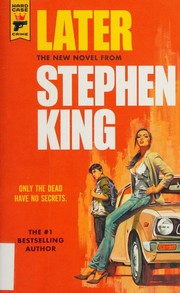
Later
Boy Jamie Conklin sees dead people who must answer truthfully, pulling him into NYPD cases and a drug crew's greed.
2,009-word summary · 9 min read
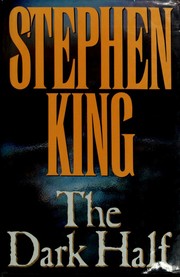
The Dark Half
A Maine novelist buries his violent pen name George Stark, then faces murders that carry his own fingerprints.
2,956-word summary · 13 min read
The Outsider
Coach Terry Maitland's DNA and witnesses point to an impossible murder, until Ralph Anderson and Holly Gibney trace it to El Cuco.
2,586-word summary · 11 min read
The Shining
The Shining retold: Jack winters at Overlook with Wendy and Danny, REDRUM, hedge maze chase.
2,011-word summary · 9 min read
Lullaby
A reporter discovers that a poem in a children's book kills anyone who hears it, and his attempt to destroy every copy turns into a road trip through grief,…
2,147-word summary · 10 min read
This Present Darkness
A pastor and reporter face demons over Ashton while angels answer prayer.
2,384-word summary · 11 min read
Horns
Accused of killing Merrin Williams, Ig Perrish wakes with horns that force strangers to confess their darkest sins.
2,264-word summary · 10 min read
NOS4A2
Vic McQueen's bike finds lost things through a bridge, pitting her against Manx's Rolls-Royce ride to Christmasland.
2,060-word summary · 9 min read
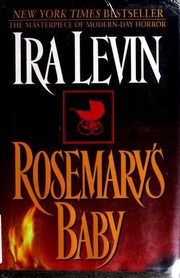
Rosemary's Baby
A young couple's dream apartment in the Bramford turns dark when helpful neighbors and a trusted doctor take over Rosemary's pregnancy.
2,665-word summary · 12 min read
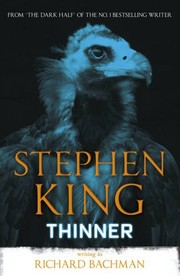
Thinner
A Connecticut lawyer escapes punishment after a fatal crash, then an old Romani father lays a wasting curse on him and the pounds start falling off.
2,502-word summary · 11 min read
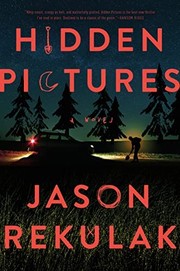
Hidden Pictures
Nanny Mallory sees Teddy drawings predict a murder in New Jersey.
2,332-word summary · 10 min read
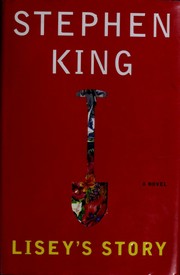
Lisey's Story
Two years after her novelist husband dies, Lisey Landon follows a trail of clues into his childhood and the other world that made him a writer.
1,998-word summary · 9 min read
Full Dark, No Stars
Four novellas about revenge where ordinary people do terrible things and live with it.
2,646-word summary · 12 min read
Rose Madder
After fourteen years of abuse, Rosie Daniels flees her cop husband and finds a painting that opens into a dangerous mythic world.
2,349-word summary · 10 min read

Skeleton Crew
King's 1985 collection pairs The Mist with The Jaunt, The Raft, and Survivor Type: 22 stories of Maine dread.
3,209-word summary · 14 min read
Duma Key
After losing his arm, Edgar Freemantle paints on a Florida island and learns his pictures can open doors for something hungry.
2,530-word summary · 11 min read
Desperation
Travelers on Highway 50 are hauled into empty Desperation, Nevada, where a possessed deputy serves an old thing in the mine.
2,993-word summary · 13 min read
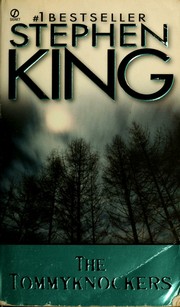
The Tommyknockers
A Maine town digs up a ship and gets brilliant, toothless and cruel.
1,977-word summary · 9 min read
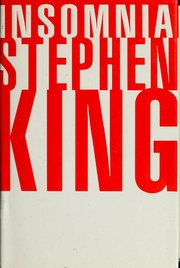
Insomnia
Widowed Ralph stops sleeping in Derry and sees small doctors with scissors deciding who lives and dies.
3,605-word summary · 16 min read
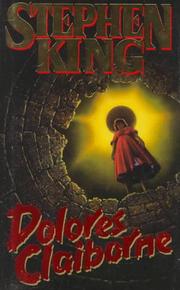
Dolores Claiborne
A Maine housekeeper confesses two deaths in one voice: Vera fall and husband lost in eclipse.
2,381-word summary · 11 min read
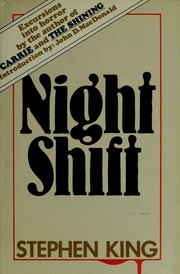
Night Shift
King's first story collection moves from haunted mills to killer cornfields, twenty early tales where ordinary places turn evil.
2,488-word summary · 11 min read
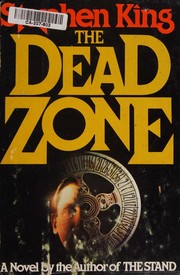
The Dead Zone
Coma waker Johnny sees futures in touch and faces demagogue Stillson.
2,132-word summary · 9 min read
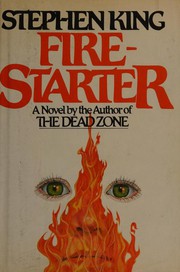
Firestarter
Fugitive dad and fire starting daughter run from the Shop that made them.
2,275-word summary · 10 min read
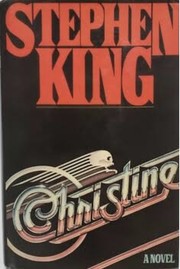
Christine
Misfit Arnie restores a wrecked 1958 Plymouth Fury that takes him over, forcing best friend Dennis and girlfriend Leigh to fight back.
2,106-word summary · 9 min read
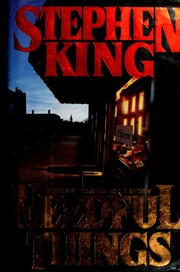
Needful Things
A smiling man sells exactly what you want for cash plus one small cruelty to a neighbor.
2,007-word summary · 9 min read

Under the Dome
Chester's Mill is sealed under an invisible dome as cook Barbie and editor Julia face Big Jim Rennie's rule.
2,731-word summary · 12 min read